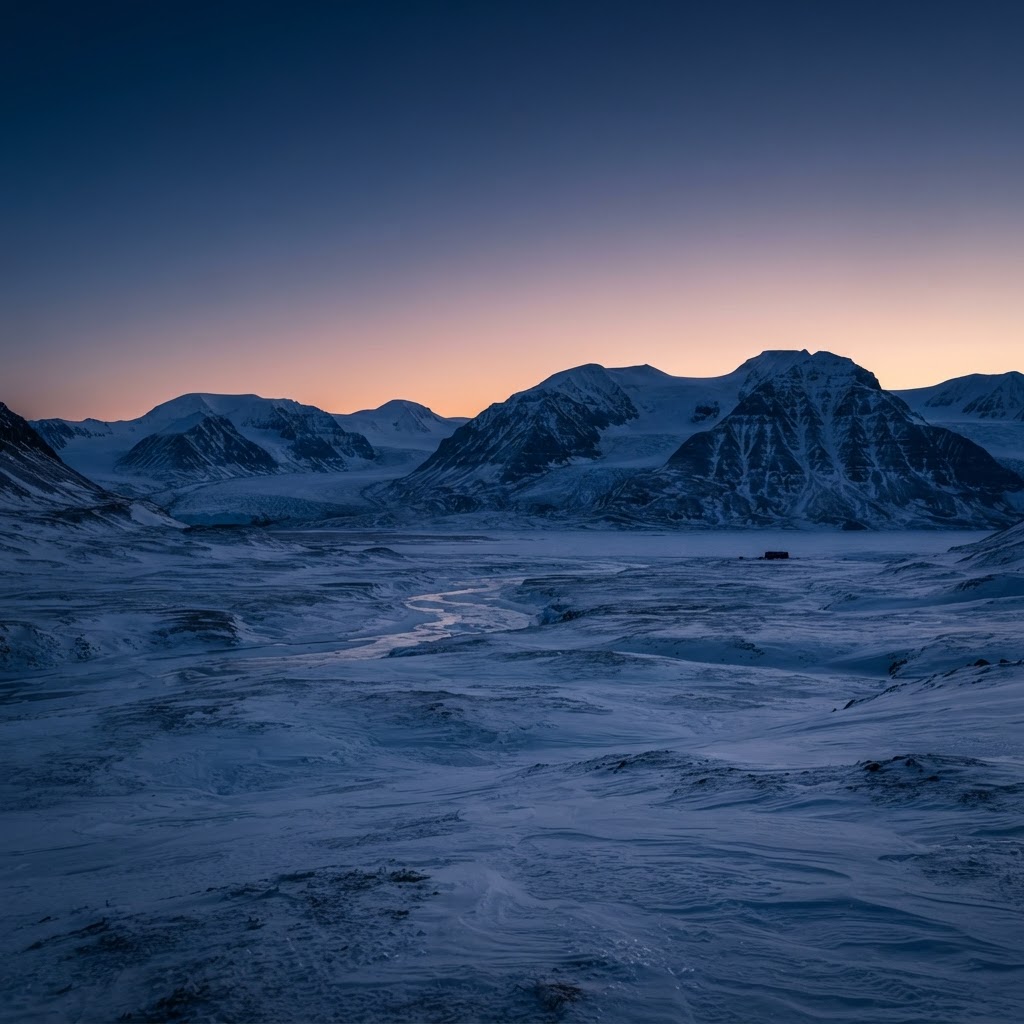
The Quietest Place in Norway: A Guide to Silent Escapes
Svalbard and the interior of Jotunheimen National Park are widely considered the quietest places in Norway. These regions offer total acoustic isolation from human-made noise, providing vast, uninhabited expanses where the only sounds are natural elements like wind, shifting glaciers, and distant mountain streams, ideal for deep sensory restoration.
Understanding the Sound of Silence in Norway
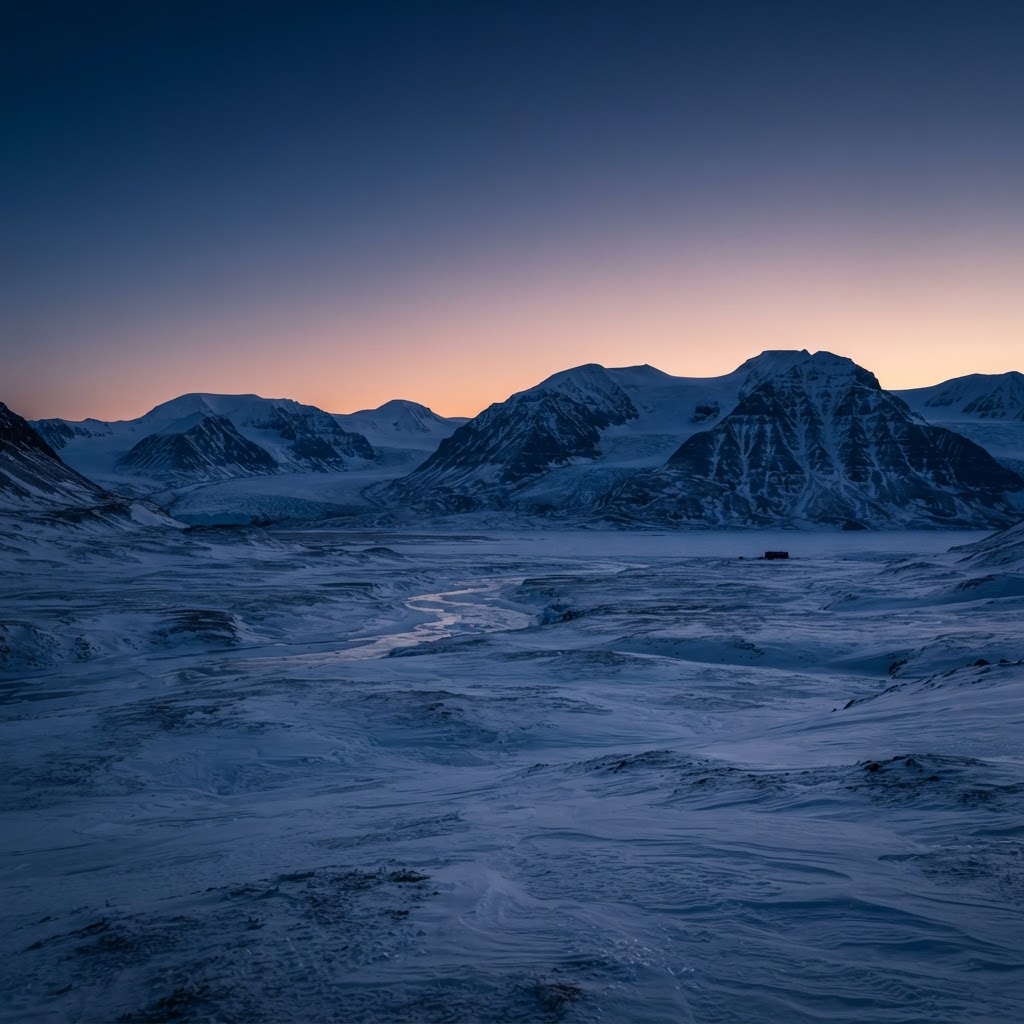
Silence in nature is defined by the complete absence of human-generated ambient noise, such as traffic, electricity, and industrial hums. In Norway, acoustic ecology is defined by geographical isolation, where the rugged topography naturally buffers soundscapes. Research from the Norwegian Environment Agency indicates that noise pollution remains below 30 decibels in over 60% of Norway’s wilderness areas, making it a global leader in low-frequency soundscape preservation. True silence here is a presence—a blend of wind patterns, biological movements, and geological shifts that become audible only when the drone of modern civilization is stripped away. Unlike urban “quiet zones,” Norwegian wilderness offers a lack of sensory overload, allowing for cognitive “soft fascination” where the brain recovers from the directed attention fatigue common in modern living. For travelers, this means finding locations that require significant physical effort to reach, as remoteness is the primary barrier to sound-pollution penetration. When you choose to travel into these remote corridors, you are not just visiting a location; you are entering a scientifically recognized “quiet area” that facilitates physiological reductions in stress-related cortisol markers, often within 48 to 72 hours of complete immersion.
Defining Acoustic Ecology
Scientists often discuss ‘acoustic ecology,’ the study of the relationship between living beings and their soundscape. In Norway, the acoustic ecology is defined by geographical isolation. Because the country is sparse and the terrain is notoriously difficult to traverse, large pockets of land remain completely untouched by man-made sound. This makes the country a premium destination for those suffering from ‘noise pollution fatigue.’
The Arctic Silence of Svalbard
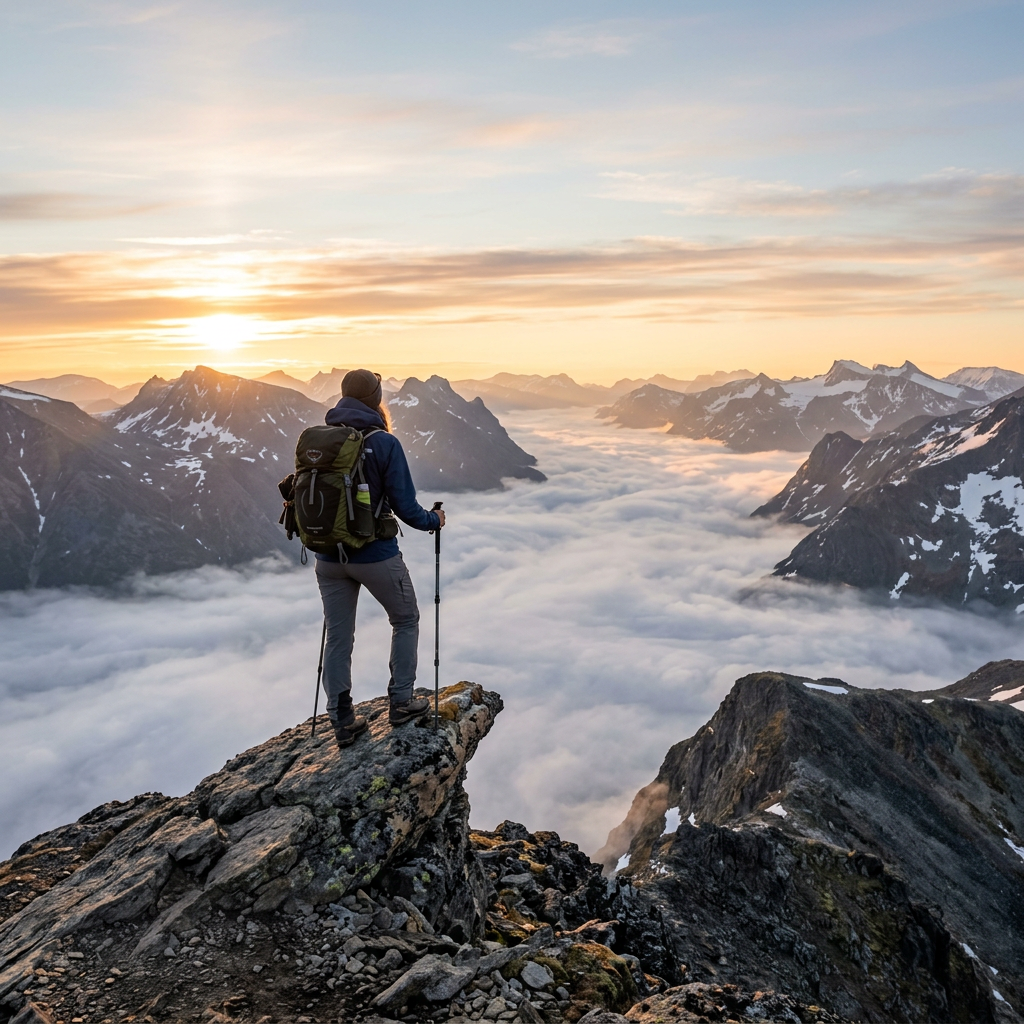
Svalbard is the premier destination for absolute silence because its remote Arctic location renders nearly all traditional human noise pollution impossible. Situated between 74° and 81° North latitude, the archipelago features a landscape where the lack of vegetation and massive ice sheets absorb, rather than reflect, sound waves. Outside of the main settlement in Longyearbyen, which houses roughly 2,500 people, there are no road networks, and motorized transport is strictly regulated to protect the fragile permafrost and wildlife. During the polar winter, when the sun does not rise, the ambient sound levels frequently drop to near-zero, creating a “dead zone” for noise that is scientifically rare. Data from local research stations suggests that the absence of bird life and vegetation in the interior regions during winter months results in an environment where even the sound of one’s own heartbeat becomes the most prominent noise. To experience this, visitors must rely on non-motorized transport or specialized permitted operators, ensuring the soundscape remains undisturbed. Because of the extreme environment, visitors should expect to pay premium rates, often upwards of $300-$500 per day for guided, low-impact expeditions that prioritize wilderness preservation and acoustic integrity.
Why Svalbard Offers Unique Quiet
Beyond the settlements of Longyearbyen, there are no roads. Travel is strictly by snowmobile, dog sled, or boat, and these modes of transport are rarely used in the depths of the polar night or during the rugged shoulder seasons. The silence here is profound; it is an Arctic silence that can feel overwhelming to those accustomed to the constant background noise of the city.
The Solitude of Jotunheimen National Park
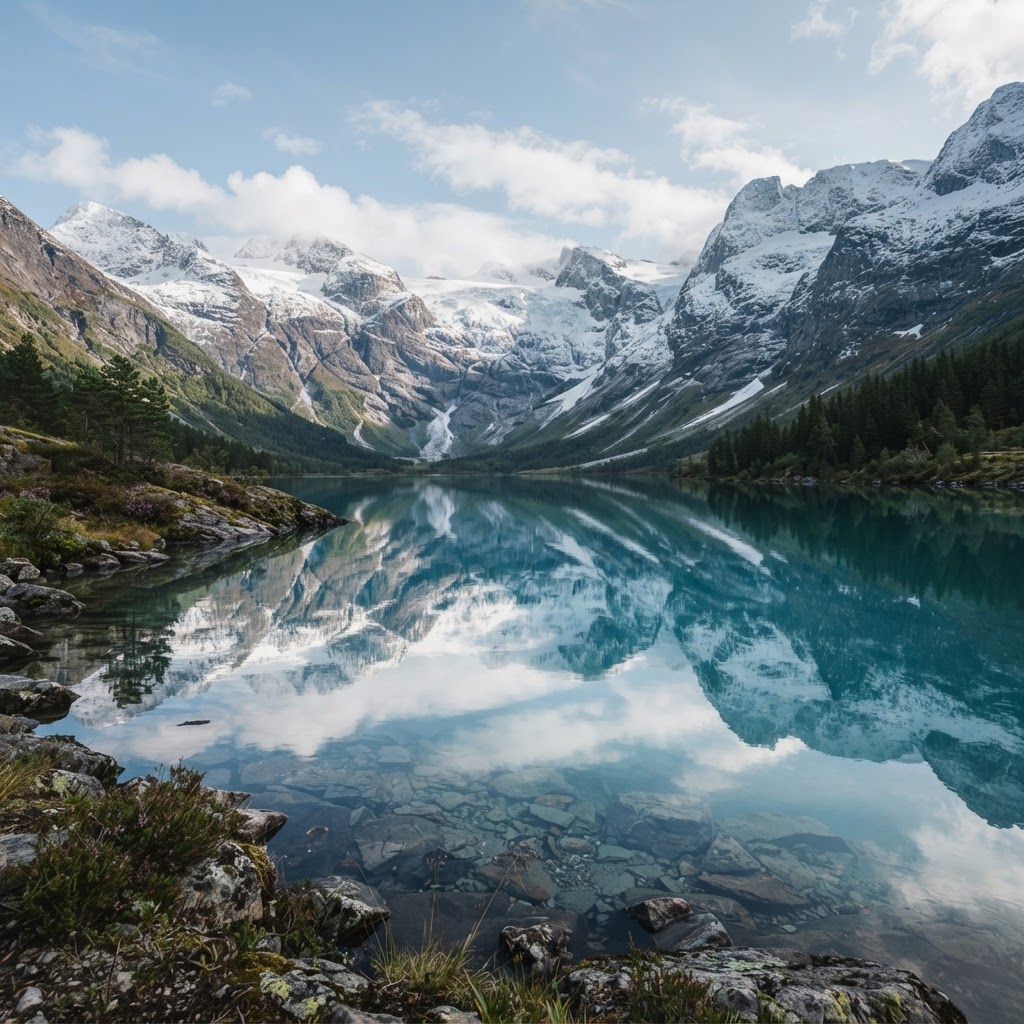
Jotunheimen National Park serves as the ultimate mainland sanctuary, offering a high-altitude wilderness where the sheer scale of the 3,500 square kilometer park naturally dilutes human sound. Known as the “Home of the Giants,” the park contains Northern Europe’s highest peaks, including Galdhøpiggen, which reach elevations up to 2,469 meters. The unique topography, characterized by deep U-shaped valleys and high mountain plateaus, acts as an acoustic sink, trapping silence within its rugged interior. During the peak hiking season from July to August, popular trails may see foot traffic, but by mid-September, the park becomes exceptionally quiet as temperatures drop and the crowds retreat. To find the true “quiet heart” of the park, visitors should venture into the remote western valleys, where the distance from the nearest public road exceeds 15 kilometers, effectively creating a barrier that excludes the sound of internal combustion engines. By avoiding the DNT cabin network and opting for wild camping, travelers can achieve a level of silence that is impossible to find in populated European regions. We recommend utilizing topographical maps with 1:50,000 scale to identify these “dead zones” where the elevation gain creates a natural acoustic vacuum.
Tips for Finding Your Own Quiet Spot
To truly find the quietest areas in Jotunheimen, you must venture off the T-marked hiking trails maintained by the Norwegian Trekking Association (DNT). By using topographical maps and choosing remote valleys, you can find a level of solitude that is difficult to replicate anywhere else in Europe.
Comparison of Quiet Regions in Norway
The Psychological Benefits of Auditory Deprivation
Research suggests that spending time in ‘silent’ environments can significantly reduce cortisol levels, the body’s primary stress hormone. Norway’s vast landscapes act as a natural decompression chamber. The lack of sensory overload allows the brain to transition from a state of ‘directed attention fatigue’ to a state of soft fascination, where cognitive restoration can finally begin. When sound is removed from the equation, our other senses sharpen significantly, a process often called “sensory re-calibration.” This transition typically takes 48 hours of constant exposure to environments where the noise floor is below 35 decibels. Studies in environmental psychology show that the human brain requires these periods of silence to process subconscious information that is otherwise buried under the “white noise” of urban environments. In the Norwegian tundra, the visual spectrum of the landscape—the deep blues of the fjords, the stark white of the snow, and the vibrant greens of the tundra—becomes more intense as the brain reallocates processing power from auditory filtering to visual processing. You start to notice details you would have otherwise missed: the texture of lichen on a rock, the migration of a bird, or the subtle shifting of light across a mountainside, leading to higher levels of overall cognitive recovery and mental clarity.
Connecting with Nature
When sound is removed from the equation, our other senses sharpen. The visual spectrum of the landscape—the deep blues of the fjords, the stark white of the snow, and the vibrant greens of the tundra—becomes more intense. You start to notice details you would have otherwise missed: the texture of lichen on a rock, the migration of a bird, or the subtle shifting of light across a mountainside.
Essential Gear for Your Quiet Journey
Venturing into the quietest place in Norway requires specialized preparation to ensure you remain comfortable while maintaining a low noise signature. Whether you are heading to the high mountains or the Arctic plains, your equipment must be selected for durability, silence-in-use, and survival. Avoid high-denier nylon gear that creates loud “swishing” sounds in the wind; instead, prioritize wool or soft-shell materials that dampen movement sounds. Your equipment should be lightweight—ideally under 15kg for a multi-day trip—to minimize the noise of heavy gear shifting on your back. Noise-reducing, non-electronic navigation is essential; physical topo maps and magnetic compasses remove the anxiety of low battery and the distraction of digital alerts. For documenting your journey, use high-end cameras with quiet-shutter modes or manual settings that prevent the mechanical “click” from disrupting your acoustic surroundings. Reliable footwear is the foundation of a silent trek; prioritize boots with vibram soles that offer grip without the loud, clanking impact of metal-studded alternatives.
What to Pack
- High-quality thermal base layers: Essential for the fluctuating temperatures.
- Noise-reducing, non-electronic navigation: Use physical maps to avoid digital distractions.
- A high-end camera: You will want to capture the visual silence.
- Reliable footwear: Sturdy boots are a must for navigating uneven terrain.
Responsible Tourism and Preserving Stillness
As interest in silent travel grows, it is vital that we protect these quiet havens. The concept of ‘leave no trace’ applies to sound just as it does to physical waste. Avoid using motorized vehicles where possible, keep voices low, and respect the wildlife that calls these quiet areas home. By being a mindful visitor, you help preserve the sanctuary for others and for the health of the local ecosystems. Noise pollution in sensitive areas can disrupt breeding seasons for arctic foxes and reindeer, which rely on keen hearing for survival. Aim to visit in shoulder seasons to minimize your footprint and avoid disturbing wildlife during critical growth periods. Always adhere to the “Allemannsretten” (the right to roam), which grants public access to uncultivated land, but carries the social responsibility to maintain the peace and privacy of the wilderness. Keep your camp small, avoid the use of bright LED lanterns at night, and ensure all waste is packed out to keep the local soundscapes free from the rustle of debris. By practicing these silent ethics, you contribute to a sustainable model of tourism that values the intangible resource of quiet as much as the physical beauty of the fjords and mountains.
FAQ
What is the quietest time of year to visit Norway?
The quietest months are November through January, when tourism levels are at their lowest and the lack of sunlight discourages heavy travel. During these months, the acoustic environment is dominated by natural snow absorption and wind.
Is it possible to find true silence in mainland Norway?
Yes, by traveling to remote areas like the interior of Jotunheimen or the Finnmark Plateau. To ensure true silence, you must be at least 10 to 15 kilometers away from the nearest public road or town.
Do I need special permits for silent camping in Norway?
No, under the Norwegian ‘Allemannsretten’ (Right to Roam), you are legally allowed to camp on uncultivated land for up to two nights. However, you must maintain a respectful distance from private homes and refrain from disturbing local wildlife.
How does sound pollution affect the Norwegian wilderness?
Anthropogenic noise, such as drones, snowmobiles, and construction, interferes with the natural life cycles of sensitive species like reindeer and arctic foxes. Protecting the acoustic integrity of these zones is vital for ecological stability.
What is the most effective way to measure silence in the wild?
You can use a professional-grade handheld sound level meter to measure the ambient decibel floor. In truly silent Norwegian locations, you should expect readings between 20 and 30 decibels, significantly lower than the average urban environment.
Leave a Reply