
Standing on the edge of the iconic Trolltunga rock formation, suspended 700 meters above the stunning Lake Ringedalsvatnet, is a dream for many hikers. While most people tackle the 28-kilometer round-trip during the bright hours of the day, chasing the Trolltunga sunset adds a layer of mystery and beauty that few get to witness. But is the physical toll of a sunset trek worth every step?
The Reality of the Trolltunga Hike
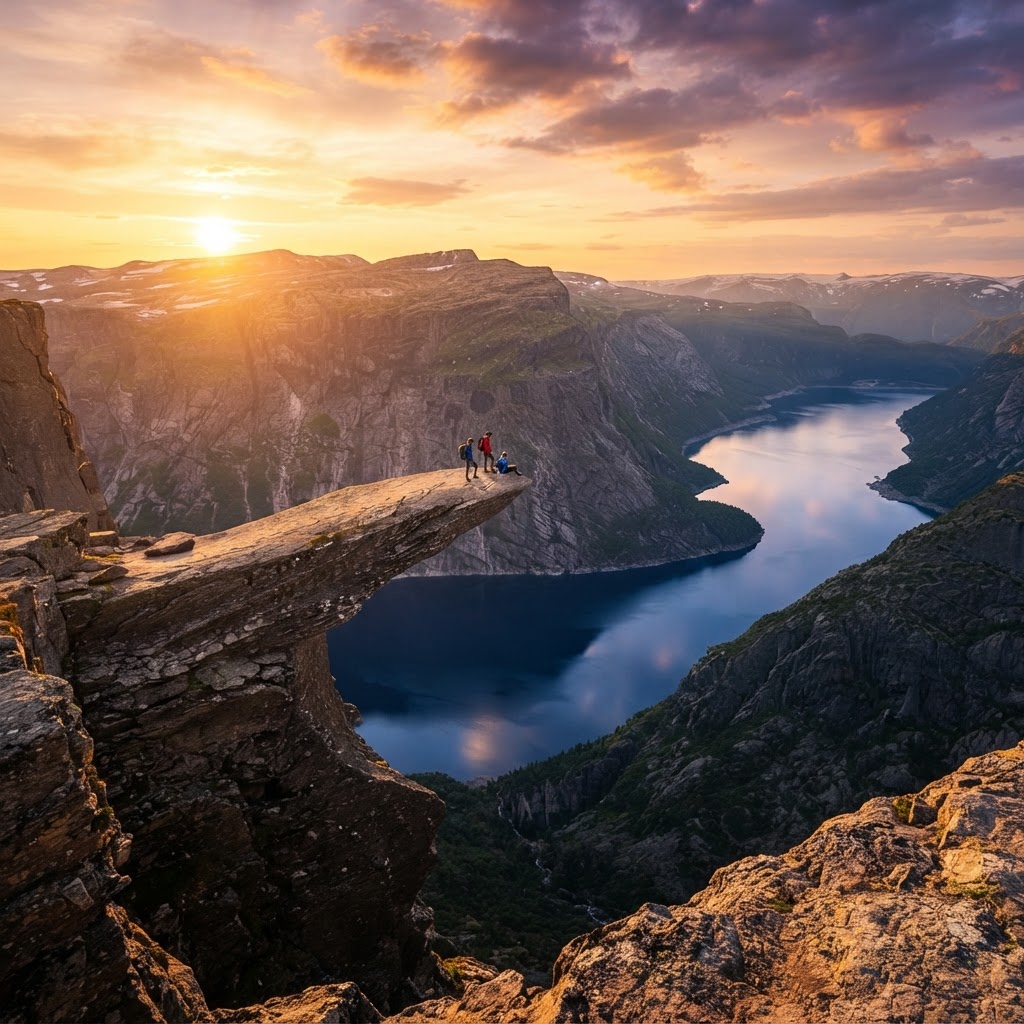
Before you pack your bags for this epic adventure, it is crucial to understand what you are signing up for. The hike to Trolltunga is not a leisurely stroll; it is a challenging 28-kilometer round-trip that demands high physical endurance. Most hikers spend between 8 to 12 hours on the trail, navigating steep rocky terrain and unpredictable weather patterns.
Understanding the Terrain
The trail begins at Skjeggedal and immediately tests your resolve with a steep climb. For the first few kilometers, you are gaining significant elevation. Once you pass the initial ascent, the trail levels out into a high-altitude plateau. However, do not let the flatter sections fool you; the uneven, rocky surface requires constant focus and steady footing to prevent injury.
Why Sunset Changes Everything
Choosing to reach the rock for sunset transforms the experience from a standard hike into a spiritual moment. As the sun dips below the rugged Norwegian mountains, the harsh midday light vanishes, replaced by a soft, golden glow that reflects off the deep blue waters of Lake Ringedalsvatnet. The lack of crowds is perhaps the greatest benefit, allowing you to have a quiet moment with nature.
The Golden Hour Advantage
Photographers and nature enthusiasts alike swear by the golden hour. At Trolltunga, this period lasts longer during the summer months in Norway, providing ample time to capture the perfect silhouette against the vast fjord landscape. The silence of the mountain at this hour, interrupted only by the wind and distant waterfalls, is truly surreal.
Preparation and Essential Gear
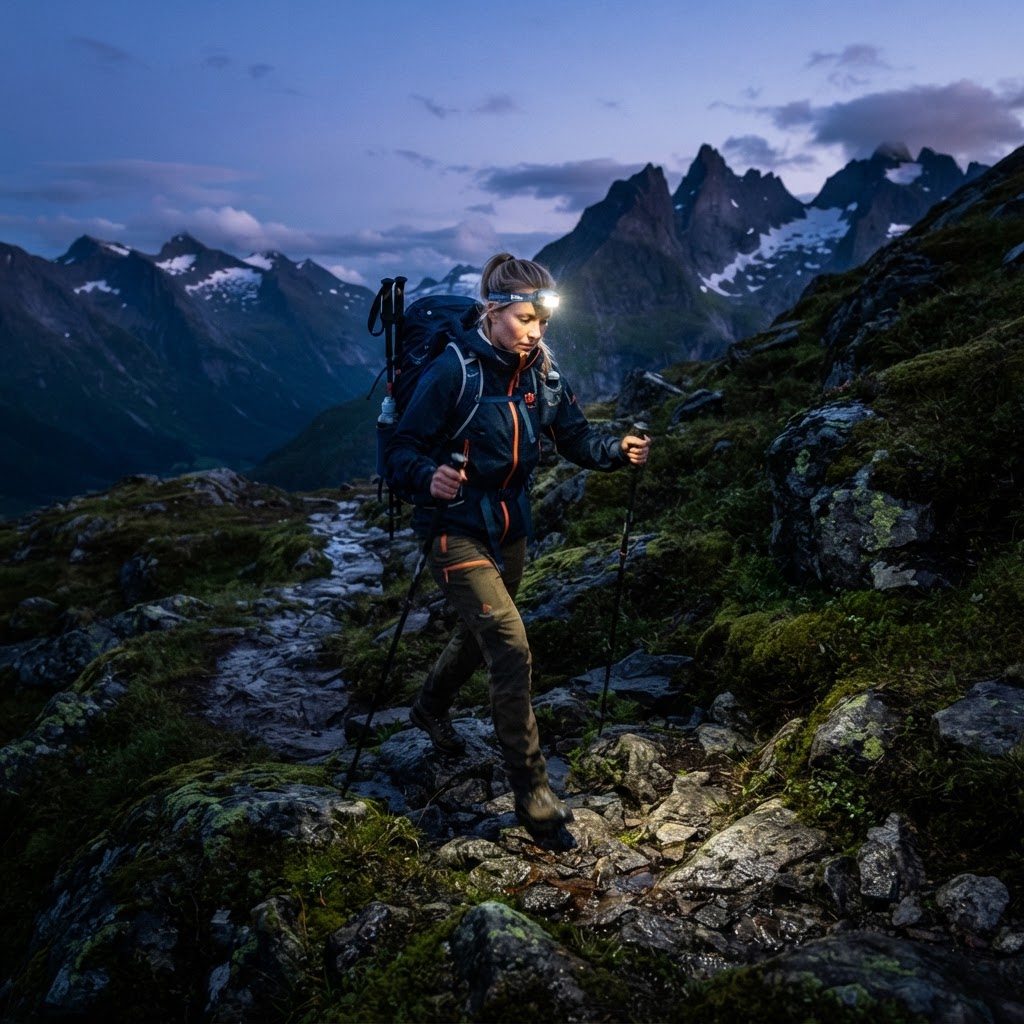
Attempting to see Trolltunga at sunset means you will inevitably be hiking in the dark. This significantly raises the stakes regarding safety and preparation. You must treat this as a multi-stage expedition where timing is everything.
Gear Checklist for Success
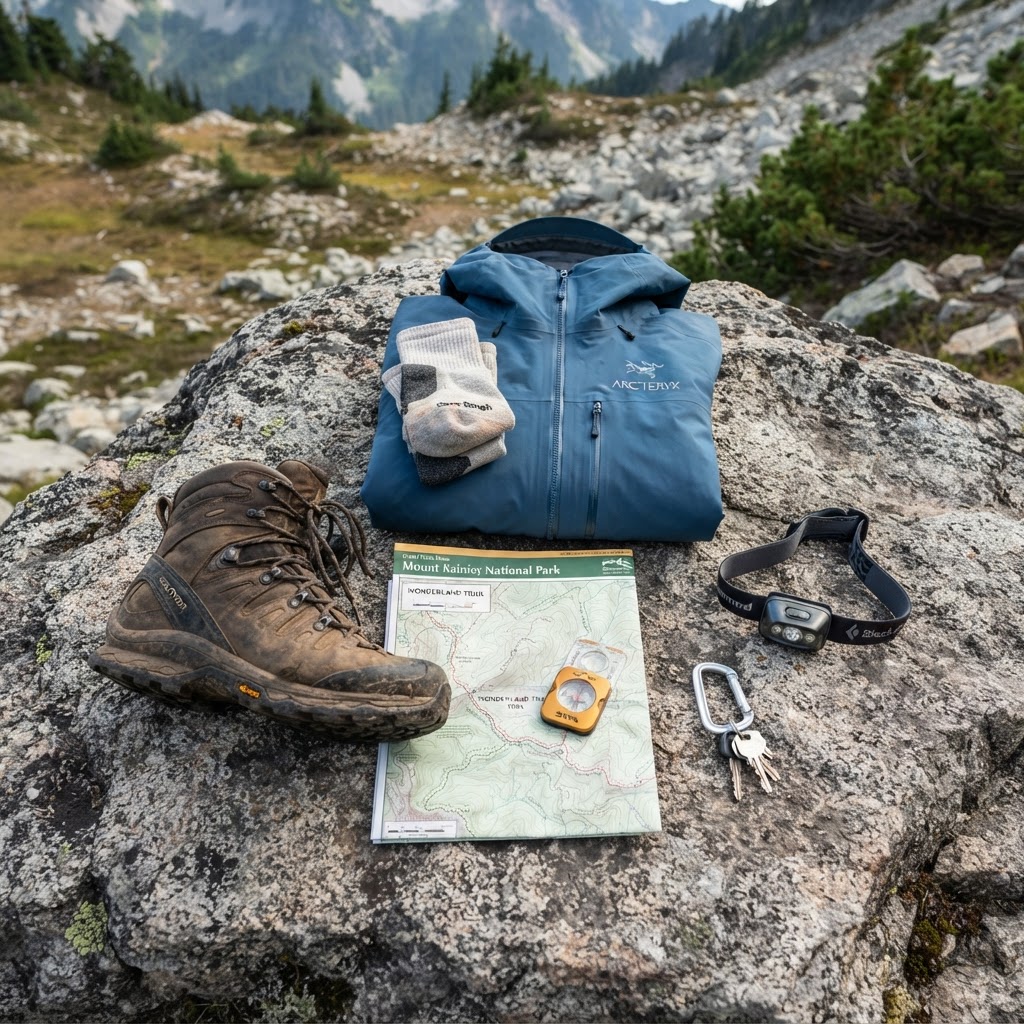
Reliability is key when you are miles away from civilization. Always pack a high-quality headlamp with extra batteries, as your return trip will likely be completed in near-total darkness. Sturdy, waterproof hiking boots are non-negotiable given the slippery, wet rocks common in the region.
The Importance of Layers
Even in July, the temperature at the plateau can drop drastically once the sun goes down. Always bring a windproof shell and an insulating layer like a down jacket. Hypothermia is a genuine risk if you are unprepared for the sudden temperature changes that follow a Norwegian sunset.
Safety Protocols and Night Hiking
Hiking back from Trolltunga at night is a serious undertaking that requires experience. The trail markers, which are usually easy to spot during the day, can be difficult to track in the dark. It is recommended that you only attempt this if you are a confident navigator or have a professional guide.
Staying on the Trail
If you find yourself disoriented, stop moving immediately. Use a GPS device or a topographic map to verify your location. Do not attempt to take shortcuts, as the landscape features steep cliffs and hidden ravines that become treacherous after the sun vanishes.
Logistics: When and Where to Start
Planning your departure time is the most important part of your logistics. Most hikers heading for sunset start their trek around midday. This timing ensures they arrive at the edge around 6:00 PM or 7:00 PM, giving them a few hours to enjoy the view before the final light fades.
Local Regulations
Always check with the local tourist information centers in Odda before setting off. They provide updated trail conditions, weather reports, and advice on whether the path is safe to traverse. They might also suggest specific routes that are safer for late-day arrivals.
Is the Effort Truly Worth It?
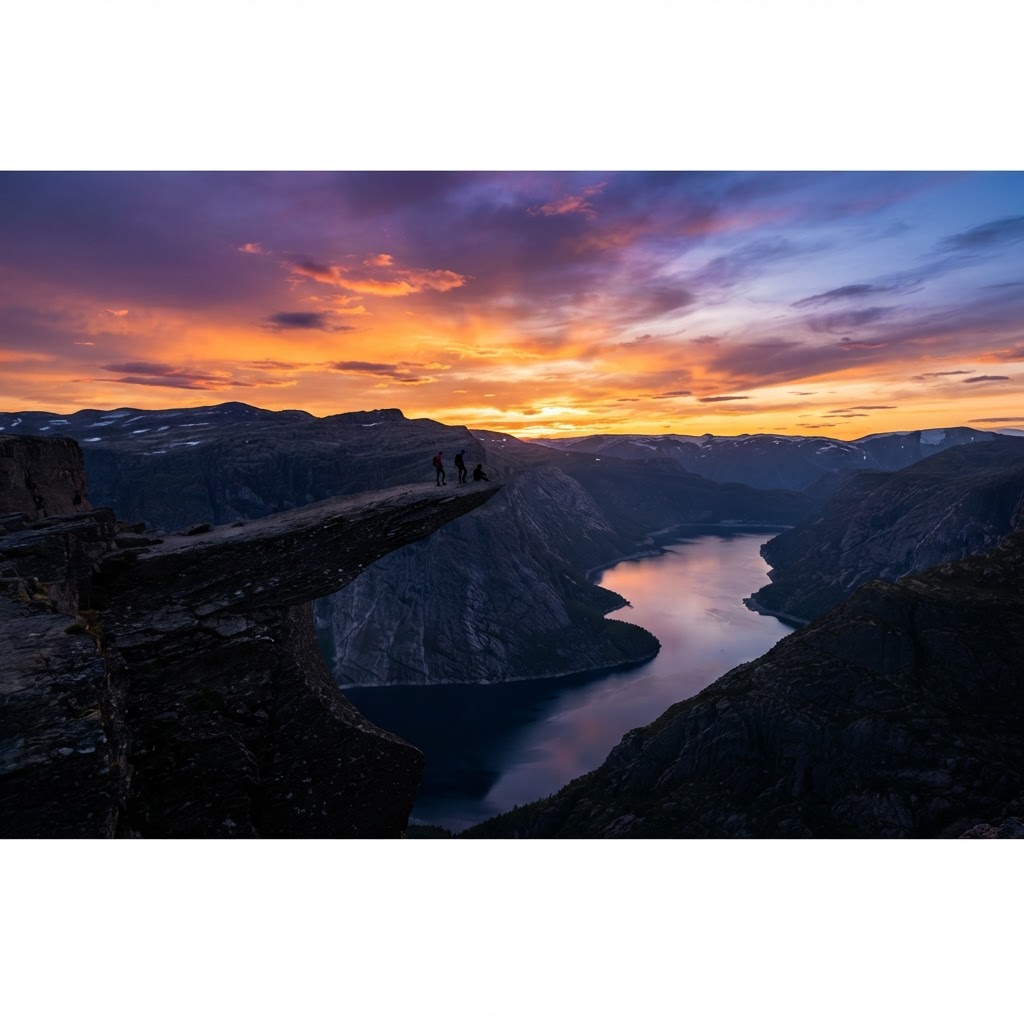
If you ask anyone who has successfully witnessed the sunset at Trolltunga, the answer is a resounding yes. The physical pain of the long hike, the exhaustion of the return, and the chill of the evening air all fade away when you see the sky turn shades of purple and orange behind the iconic rock shelf.
A Unique Perspective
While the daylight view is impressive, the sunset offers a sense of intimacy with the landscape. It is a rare opportunity to see one of the world’s most famous natural wonders without the queues and the noise of hundreds of fellow tourists. It is a transformative experience that defines why people fall in love with the Norwegian wilderness.
Conclusion
Chasing the Trolltunga sunset is a challenging, rewarding, and undeniably beautiful adventure that stays with you long after your hiking boots have been cleaned. With the right preparation, sturdy gear, and a healthy respect for the rugged terrain, you can turn a difficult hike into the highlight of your life. Start planning your training today and prepare to see the fjord landscape in its most breathtaking light. Have you ever hiked to a major landmark for sunset? Share your story in the comments below or join our newsletter for more expert hiking guides!
Leave a Reply