
Imagine a ribbon of asphalt that dances across the churning Atlantic, jumping from island to island like a stone skipping over a dark, moody sea. This is not just a highway; it is an architectural marvel that defies the elements and challenges the very definition of a commute. When you drive the Atlantic Ocean Road in Norway, you are not simply getting from point A to point B; you are participating in a sensory experience that makes every other highway you have ever traveled seem mundane and forgettable.
The Engineering Wonder of Atlanterhavsvegen
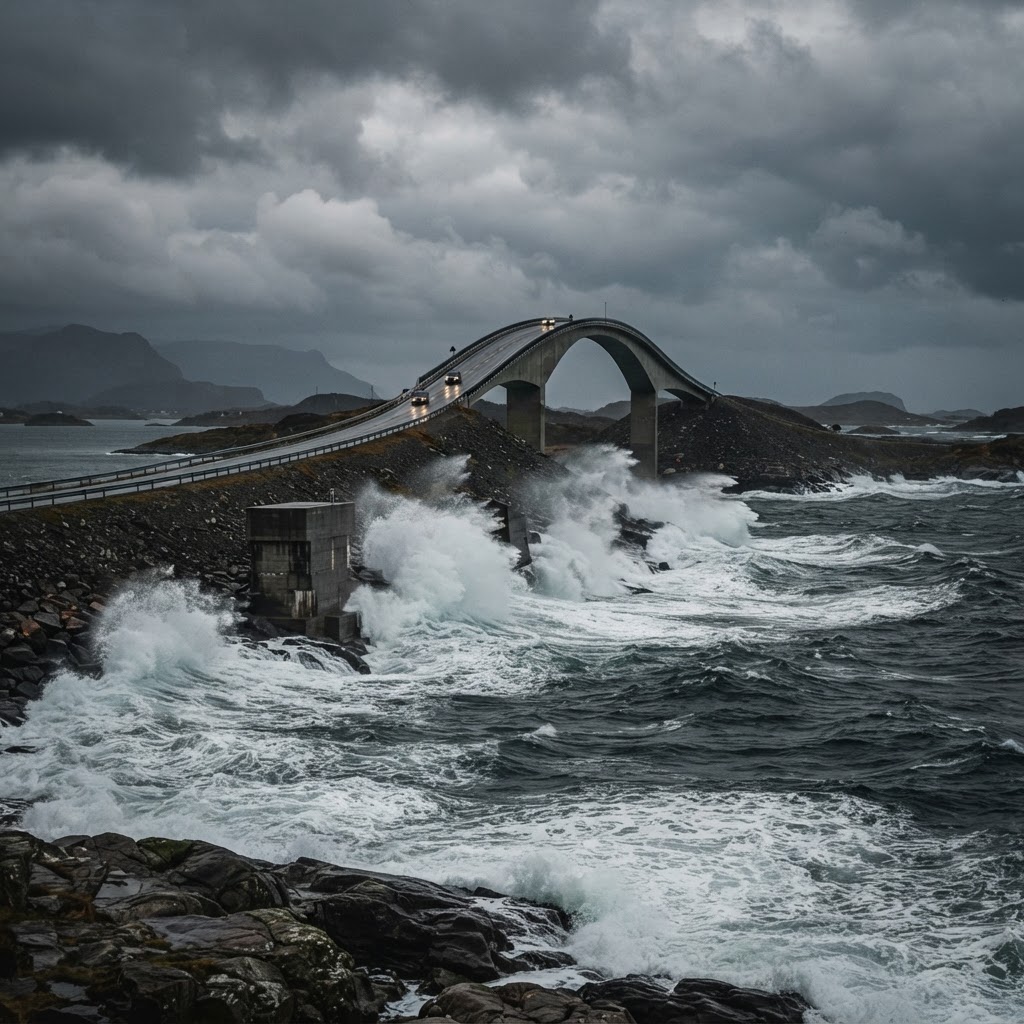
Commonly known as Atlanterhavsvegen, this iconic stretch of road is a miracle of modern engineering. Spanning roughly 8.3 kilometers in the Møre og Romsdal county, it connects the island of Averøy with the mainland. Completed in 1989 after years of battling the harsh Norwegian climate, the route consists of eight bridges that curve gracefully over the coastal landscape. Each bridge is designed to harmonize with the environment rather than conquer it.
Why This Road Challenges Convention
Most roads are designed to be safe, fast, and predictable. The Atlantic Ocean Road intentionally incorporates a sense of wonder and slight trepidation. The famous Storseisundet Bridge, often called the ‘drunk bridge’ due to its dramatic, swooping curve, creates an optical illusion that feels like driving off a cliff. It is this unique design that ruins all other roads for travelers; once you have felt the adrenaline of driving over the ocean, a straight stretch of asphalt in the suburbs feels hollow.
The Human Effort Behind the Steel
Building this road was a monumental task for local engineers. They had to contend with twelve hurricanes during the construction period alone. This level of resilience is baked into the very concrete of the bridges, offering a deep respect for those who navigated the treacherous North Atlantic to connect these isolated coastal communities.
A Sanctuary for Wildlife and Nature
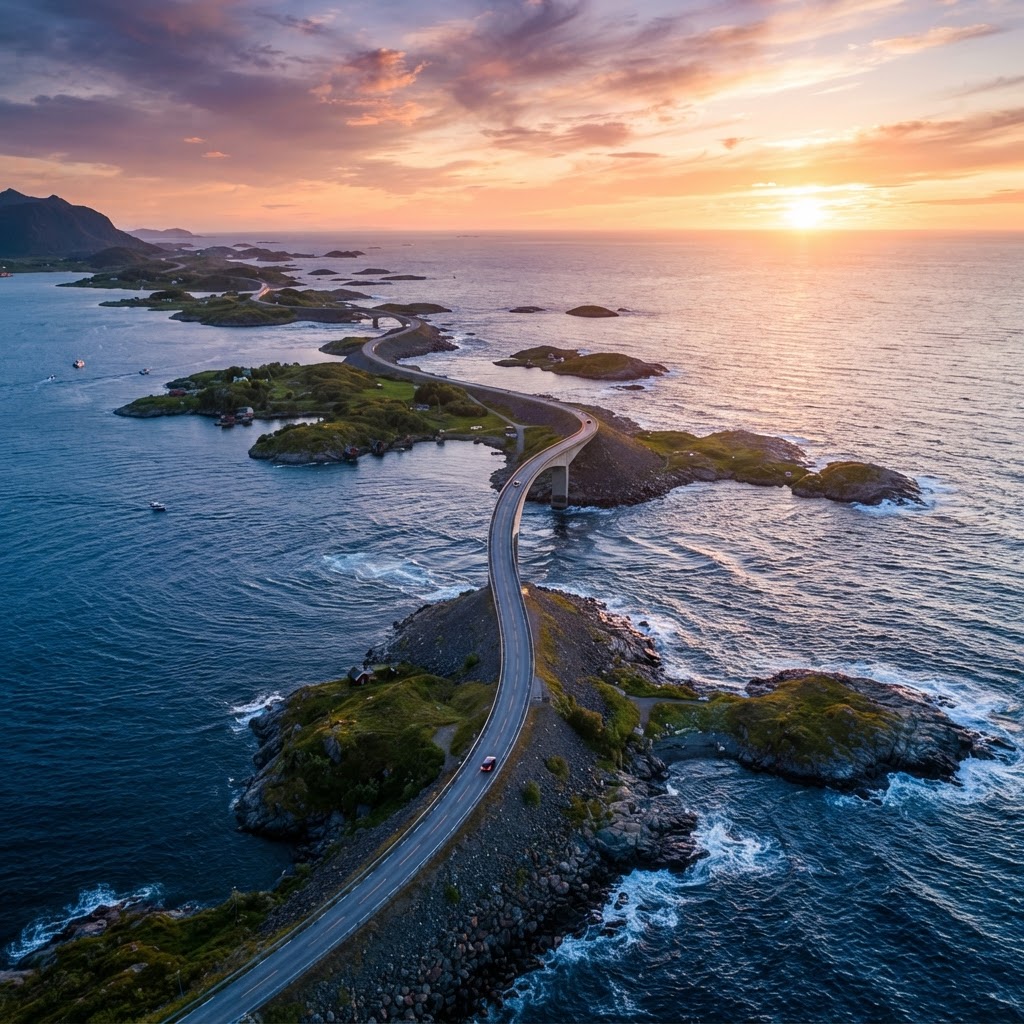
Driving along the Atlantic Ocean Road offers more than just architectural beauty. It is a portal into the raw, untamed majesty of the Norwegian coastline. The road serves as a primary viewing deck for the vast biodiversity of the North Sea. It is common to see whales breaching in the distance, seals basking on the rocky outcrops, and sea eagles circling the thermals above the crashing waves.
The Importance of Preserving the Coast
Because the road cuts through a sensitive ecosystem, the Norwegian Public Roads Administration has taken careful steps to minimize impact. Travelers are encouraged to utilize designated stop-off points rather than pulling over on the shoulders. This preservation effort ensures that the road remains a window into nature, rather than an invasive scar upon the landscape.
The Experience of Driving in Changing Conditions
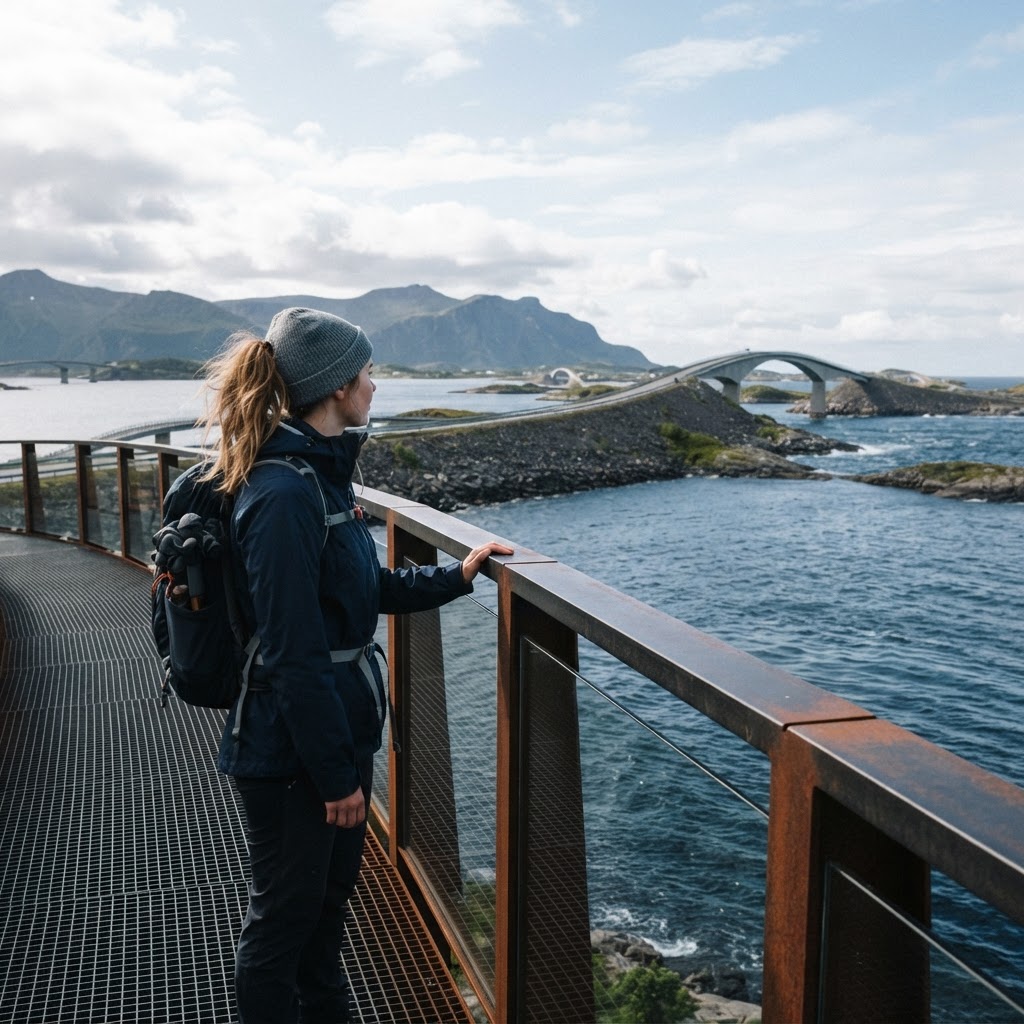
One of the reasons this road ruins other driving experiences is the sheer volatility of the weather. On a sunny summer day, the water is a turquoise paradise, offering panoramic views of the distant mountains. However, in the autumn and winter, the North Atlantic turns violent. Massive waves frequently crash over the road’s guardrails, turning a routine drive into a dramatic encounter with the raw power of the ocean.
Preparing for the Norwegian Weather
If you plan to visit, you must be prepared for the ‘four seasons in one hour’ phenomenon. Even during the peak of summer, windproof and waterproof layers are essential. The road itself is well-maintained, but travelers should remain vigilant, especially during high-wind events when driving over the higher, exposed bridge sections.
Essential Stops Along the Route
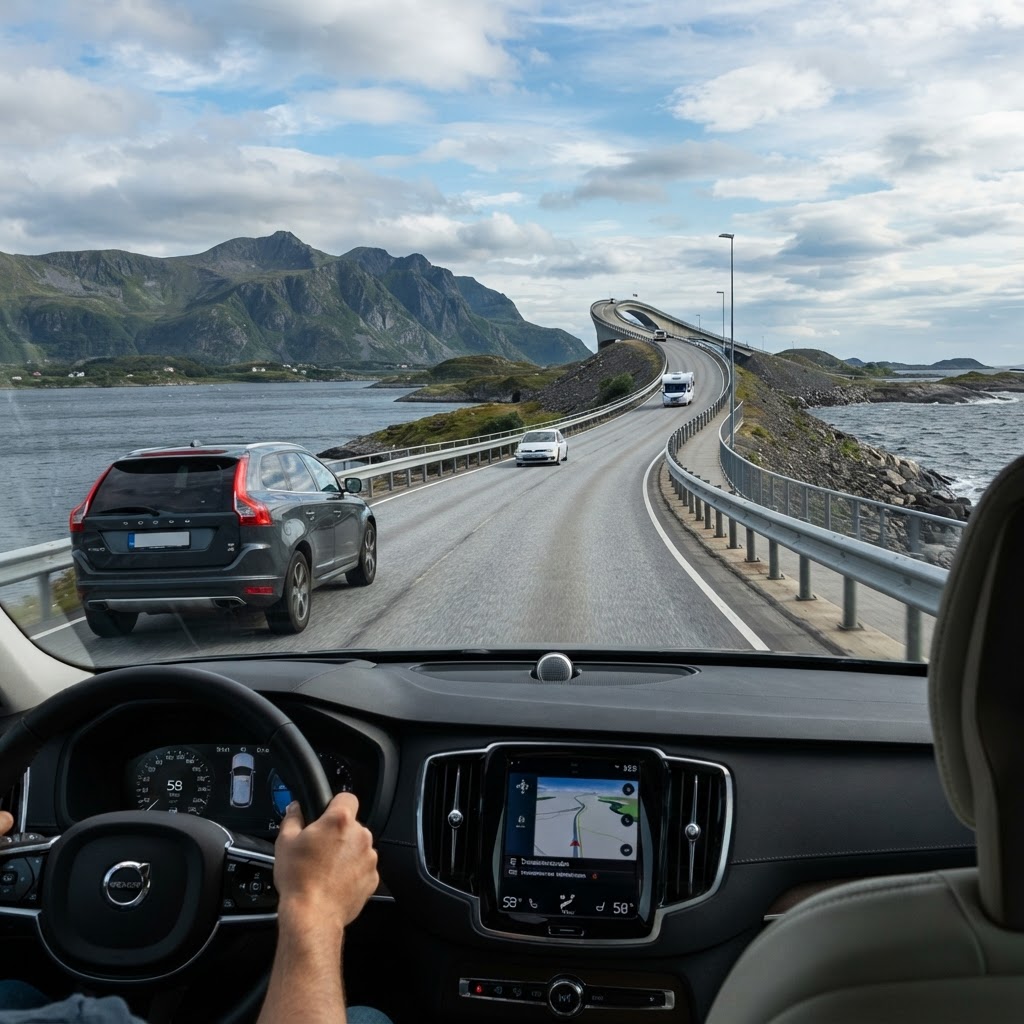
While the entire 8-kilometer stretch is breathtaking, certain locations provide an even deeper look at this spectacular route. The Eldhusøya site, for instance, features a floating walkway that allows visitors to leave their cars and walk along the perimeter of the island. This allows for a much more immersive experience than staying behind the wheel.
Recommended Stops for Your Itinerary
- Storseisundet Bridge: The most photographed section, known for its dramatic height and curve.
- Eldhusøya: A circular path that provides a 360-degree view of the sea and the bridges.
- Kjeksa: An ideal viewpoint for observing the sunset and the surrounding island chains.
- The Fishing Villages: Nearby communities offer a glimpse into the traditional coastal lifestyle.
Why Stopping Matters
While the drive is the main event, the true value of the Atlantic Ocean Road lies in the quiet moments. Stopping at these viewpoints allows the sound of the ocean to replace the hum of your engine. It is here that you realize why this place is so addictive to photographers and travelers alike.
Comparing the Atlantic Ocean Road to Global Competitors
When we talk about the ‘best road trips in the world,’ we often mention the Pacific Coast Highway in California or the Great Ocean Road in Australia. Both are incredible, yet the Atlantic Ocean Road offers a different scale of intimacy. It is not about driving for hours on end through varied landscapes; it is about the intensity of the connection between man, machine, and the ocean.
The ‘Ruining Effect’ Explained
What makes this road ruin all others is the lack of artificial padding. There are no massive rest stops or billboard-laden stretches. It is a pure, concentrated dose of scenic beauty that resets your expectations. Once you have seen the North Atlantic from the height of a bridge designed to mimic the waves, a standard coastal highway often feels like a pale imitation.
Planning Your Ultimate Norwegian Road Trip
To get the most out of your visit, consider traveling outside of the peak tourist months of July and August. Late May or early September often provides a better balance of light and accessibility. If you are starting from Oslo or Bergen, make the road part of a larger multi-day circuit through the fjords.
Practical Travel Tips
- Rent an electric vehicle (EV) if possible, as Norway has a vast charging network.
- Check the local weather forecast specifically for the Hustadvika area.
- Allocate at least half a day to explore the surrounding islands and trails.
Safety Considerations
Driving in Norway requires attention to strict speed limits and the unpredictable nature of local wildlife. Always keep your headlights on, even during daylight hours, as this is a legal requirement for road safety in Norway.
Conclusion
The Atlantic Ocean Road is more than a way to cross the water; it is a testament to the idea that infrastructure can be art. It sets a standard so high that every subsequent journey you take will be measured against the memory of those sweeping bridges and crashing waves. If you are ready to have your expectations of travel permanently elevated, pack your bags and head to the Norwegian coast. Your perspective on road trips will never be the same again. Start planning your journey to the Atlantic Ocean Road today and witness the sublime intersection of nature and engineering for yourself.
Leave a Reply