
Winter in Norway is a unique travel experience because it combines the ethereal phenomenon of the polar night with world-class Arctic adventures like Northern Lights hunting and fjord exploration. Unlike other winter destinations, Norway emphasizes ‘kos’—a cultural commitment to finding warmth, comfort, and deep joy within the cold, dark season.
The Enchantment of the Polar Night
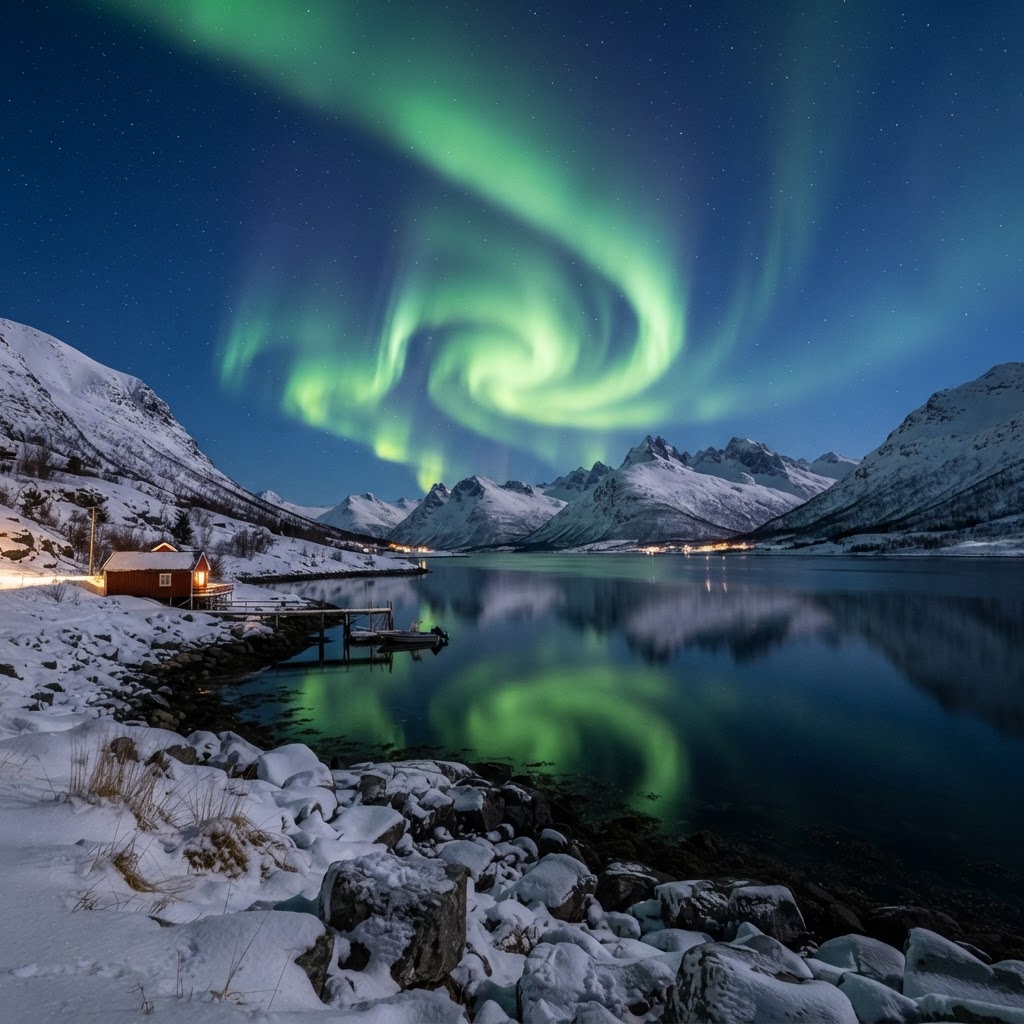
The Arctic Circle offers the polar night, a seasonal period where the sun remains below the horizon for weeks, transforming the landscape into a canvas of deep purples and soft blue light. In cities like Tromsø, this phenomenon lasts from late November until mid-January, creating a sustained “blue hour” that provides optimal conditions for quiet reflection. Rather than a barrier, the darkness acts as a natural spotlight for the celestial beauty of the North. Because the nights are long and deep, observers experience extended windows of time to view the Aurora Borealis. The lack of light pollution in northern regions, such as the Vesterålen islands or the rural outskirts of Bodø, allows for near-total visibility of the atmosphere, turning the sky into a theater for the Aurora. This seasonal shift is not merely a lack of sunlight; it is a fundamental shift in the Norwegian pace of life that prioritizes interior comfort over external movement.
Why Darkness is a Feature, Not a Bug
Many travelers fear the dark, but in Norway, it is the canvas for nature’s greatest show. Because the nights are so long and deep, the chances of seeing the Aurora Borealis are significantly higher. The absence of light pollution in the rural north allows the sky to become a theater for the celestial dance of the Northern Lights.
Chasing the Northern Lights
Successfully viewing the Aurora Borealis requires a blend of meteorological tracking and local logistical planning to maximize the probability of a sighting. While the Aurora can appear anytime from September to April, the peak activity occurs during the winter months, specifically between 9:00 PM and 2:00 AM. Travelers should prioritize staying in the “Aurora Oval”—an area covering Northern Norway, including Tromsø and Alta. Utilizing professional guides is often the most effective strategy, as they possess real-time satellite data to navigate away from cloud cover, which can be the primary obstacle in coastal regions. A typical guided excursion lasts 6 to 8 hours and often provides thermal suits and hot beverages to combat the sub-zero temperatures. Travelers should account for fluctuating costs, with group tours ranging from $150 to $300 per person depending on the vehicle type, such as a specialized minibus versus a heated basecamp experience.
Best Practices for Aurora Hunting
- Check the Kp-index forecasts regularly.
- Dress in three layers: base, insulation, and outer shell.
- Bring a tripod for long-exposure photography.
- Choose a tour provider that offers flexible departure dates.
Aurora Hunting Logistics Comparison
Embracing the Art of Hygge
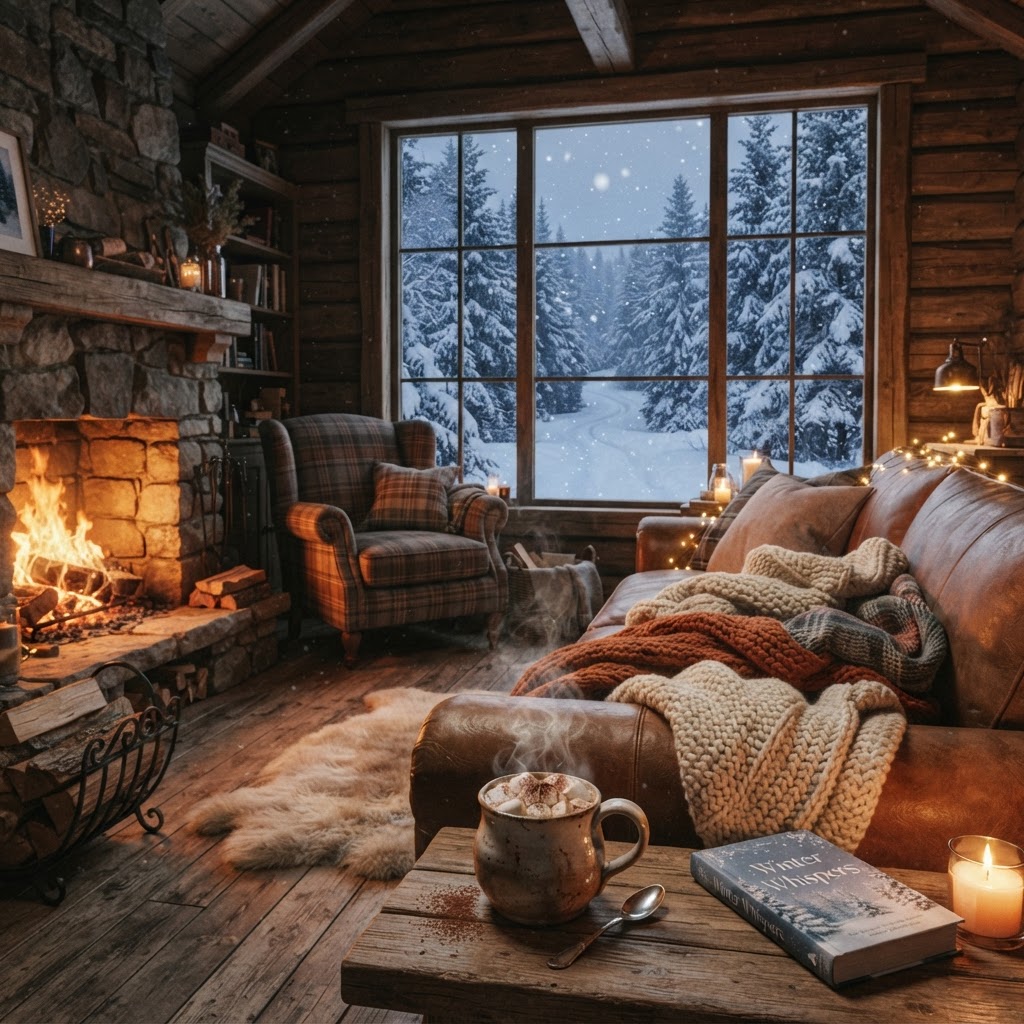
Norwegians have mastered the concept of “kos” or “hygge,” a cultural practice of finding contentment through warmth and social connection during the harsh winter months. This philosophy is deeply ingrained in the architecture and social habits of the country; when outdoor temperatures hover around -10°C, the focus shifts to indoor intimacy. Homes and cabins utilize lighting design to create a relaxing atmosphere, often using multiple, low-intensity light sources rather than a single overhead bulb. The practice extends beyond the home into public life, where coffee shops and mountain lodges provide heated, comfortable spaces for “samvær” (togetherness). Engaging in hygge is not just about relaxation; it is a psychological strategy to maintain well-being during the low-light season. By curating a warm environment, Norwegians turn the climate into a catalyst for deeper social bonds.
How to Experience Authentic Norwegian Cozy
The Cabin Culture
Rent a traditional wooden “hytte” in the mountains. Disconnecting from technology and focusing on simple pleasures like playing cards, reading, or watching the snowfall through a window is a quintessential Norwegian experience. It is a reminder that the cold outside makes the warmth inside feel much more precious.
Adventure in the Snowy Wilderness

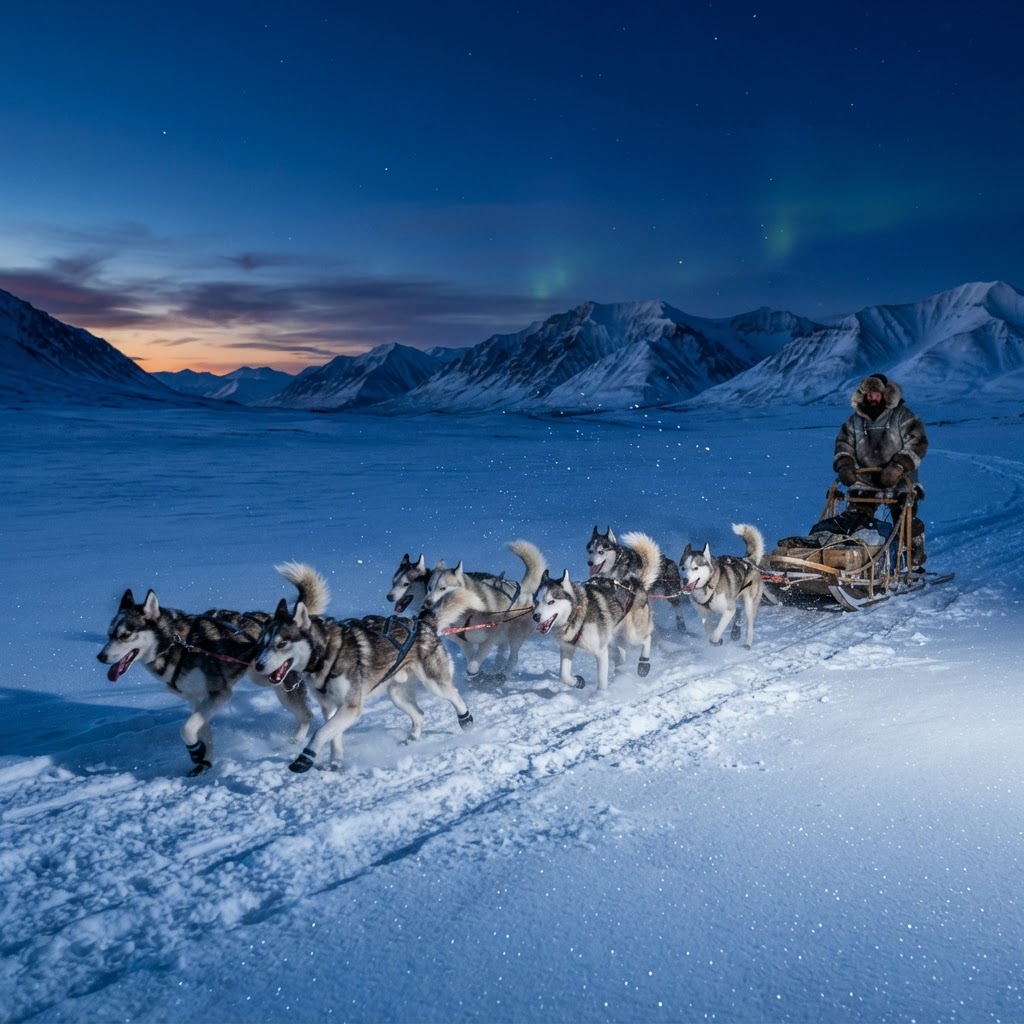
Norway offers an unmatched variety of high-octane winter adventures that leverage the country’s unique topography of deep fjords and snow-capped plateaus. Beyond recreational skiing, dog sledding in Finnmark provides a glimpse into traditional Sami transport methods, covering up to 40 kilometers per day across the tundra. Because of the vast landscape, crowds are minimal; even at popular sites, the sheer scale of the wilderness ensures solitude. For those seeking thrill, the alpine slopes of Hemsedal offer vertical drops exceeding 800 meters, rivaling major European resorts but with significantly shorter lift queues. Adventure seekers should note that daylight hours are limited; during mid-winter, effective outdoor activity time is usually restricted to the window between 10:00 AM and 2:00 PM, making early starts essential for any major expedition.
Top Winter Activities
Exploring the Fjords in Winter
Fjord cruises provide a meditative experience in winter as the lack of large cruise ship crowds allows for a silent, intimate encounter with the icy geography. During winter months, vessels such as the Future of the Fjords utilize electric propulsion, minimizing noise pollution and protecting the serenity of the UNESCO-protected Nærøyfjord. The water during this season is often crystal clear and calm, acting as a mirror for the surrounding mountains that are heavily blanketed in snow. Because of the lower temperatures, waterfalls along the fjord walls often freeze into massive “ice sculptures,” providing a unique seasonal visual that is absent in summer. Travelers should expect cold wind-chill factors on the observation decks; however, the interiors of these vessels are climate-controlled and feature floor-to-ceiling panoramic windows, ensuring a warm viewing experience.
Why Winter Fjords Are Special
Most fjord tours operate on smaller, electric vessels that glide silently across the water. This allows you to listen to the sounds of nature—the crackling of ice, the distant howl of the wind, and the silence of the mountains. It is a meditative experience that highlights the raw, unfiltered beauty of Norway’s geography.
Culinary Delights of the Season
Winter food in Norway is structured around high-calorie, warming ingredients that have historically sustained the population through long, difficult winters. Reindeer meat is a primary component of the northern diet, often served as ‘bidos’—a traditional stew—which contains high amounts of protein essential for heat retention. Cinnamon-infused ‘skillingsboller’ are a cultural staple, often served with a hot beverage in mid-afternoon to boost energy levels. Prices for a typical hearty meal in a restaurant average between 250 and 450 NOK ($25–$45 USD), with seasonal specialties like lutefisk appearing on menus during the pre-Christmas period. Visiting Christmas markets, particularly those in Oslo or Bergen, provides access to these traditional delicacies, alongside locally sourced cloudberry jams and spiced gløgg, which is essentially non-alcoholic or wine-based mulled cider.
Must-Try Seasonal Dishes
- Fårikål: A traditional mutton and cabbage stew that is a staple of comfort eating.
- Mulled Wine (Gløgg): Spiced wine served with almonds and raisins to warm the body.
- Stockfish: Dried Arctic cod that has been a nutritional foundation for coastal Norway for centuries.
Practical Tips for Your Arctic Journey
Successful Arctic travel requires adherence to a strict layering system and respect for the unpredictable nature of northern weather systems. The weather can shift from clear skies to a blizzard in under 30 minutes, necessitating that travelers carry a “day pack” containing extra dry layers, navigation tools, and high-energy snacks. Because the daylight window is small, plan your logistics to ensure you are not traveling between cities after dark unless using the reliable, well-maintained train or bus networks. Merino wool is the industry standard for base layers because it retains heat even when damp from exertion; synthetic alternatives often fail in extreme Arctic conditions. Always check the ‘Yr.no’ weather app, which is the most accurate local source for Norwegian weather patterns, providing hyper-local forecasts for specific mountain passes and coastal towns.
Essential Gear Checklist
- Wool base layers (merino wool is the gold standard).
- Insulated, waterproof hiking boots.
- A high-quality parka that is windproof.
- Crampons for walking on icy city sidewalks.
Why This Destination Is Unrivaled
Norway offers an unparalleled combination of rugged, untouched wilderness and high-end infrastructure, making it the premier choice for luxury adventure seekers. The environmental consciousness of the nation means that most tourism activities, from electric fjord cruises to eco-certified hotels, minimize impact on the delicate Arctic ecosystem. The social safety and political stability of the region ensure that even remote areas are accessible with high-quality transportation and emergency services. While other regions offer snow, Norway provides a comprehensive cultural experience—blending the history of the Sami people, the evolution of modern Nordic design, and a profound reverence for the natural world. Choosing Norway for a winter trip is not just a vacation; it is an immersion into an ecosystem where the human experience is carefully harmonized with the harsh reality of the Arctic landscape.
FAQ
Q: What is the best month to visit Norway for the Northern Lights?
February and March are widely considered the best months because the snow levels are high, the nights remain dark, and the weather is typically more stable than in the deeper mid-winter months. You will have a high probability of viewing the Aurora throughout the entire winter season from October to March.
Q: Is Norway too cold for a winter vacation?
Norway is manageable for winter travel as long as you follow the ‘three-layer’ rule, which includes a wool base layer, an insulating mid-layer, and a windproof, waterproof outer shell. Temperatures in coastal areas like Bergen stay near freezing, while inland areas like Røros can drop well below -20°C.
Q: Can you drive in Norway during the winter?
Driving is possible, but it requires winter tires with studs and experience handling ice and snow on mountain passes. Many rental cars in Northern Norway come pre-equipped with these tires, but caution is advised, as light conditions are limited and weather changes rapidly in the mountains.
Q: What are the daylight hours like in winter?
Daylight hours vary significantly by latitude, with Northern Norway experiencing the polar night (no sunrise) from late November to mid-January. Further south in Oslo, you can expect roughly 6 hours of sunlight daily in December, which gradually increases as the season progresses into late winter.
Q: Do I need special equipment for walking in Norwegian cities?
Yes, carrying a set of portable crampons or spikes for your shoes is highly recommended for city walking. Sidewalks in cities like Tromsø and Oslo frequently become ice-covered, and these attachments provide the necessary traction to prevent slips and falls on inclines.
Leave a Reply