
There is a profound silence that descends upon the Norwegian coast when night falls during the winter months. As the temperature dips below freezing, the dark sky above the deep, obsidian waters of the fjords begins to transform. Suddenly, ribbons of emerald green, violet, and soft pink begin to swirl across the heavens, reflecting off the mirror-like surface of the water. Witnessing the Northern Lights over the fjords is more than just a sightseeing trip; it is a spiritual encounter with the raw power of nature.
The Science Behind the Aurora Borealis
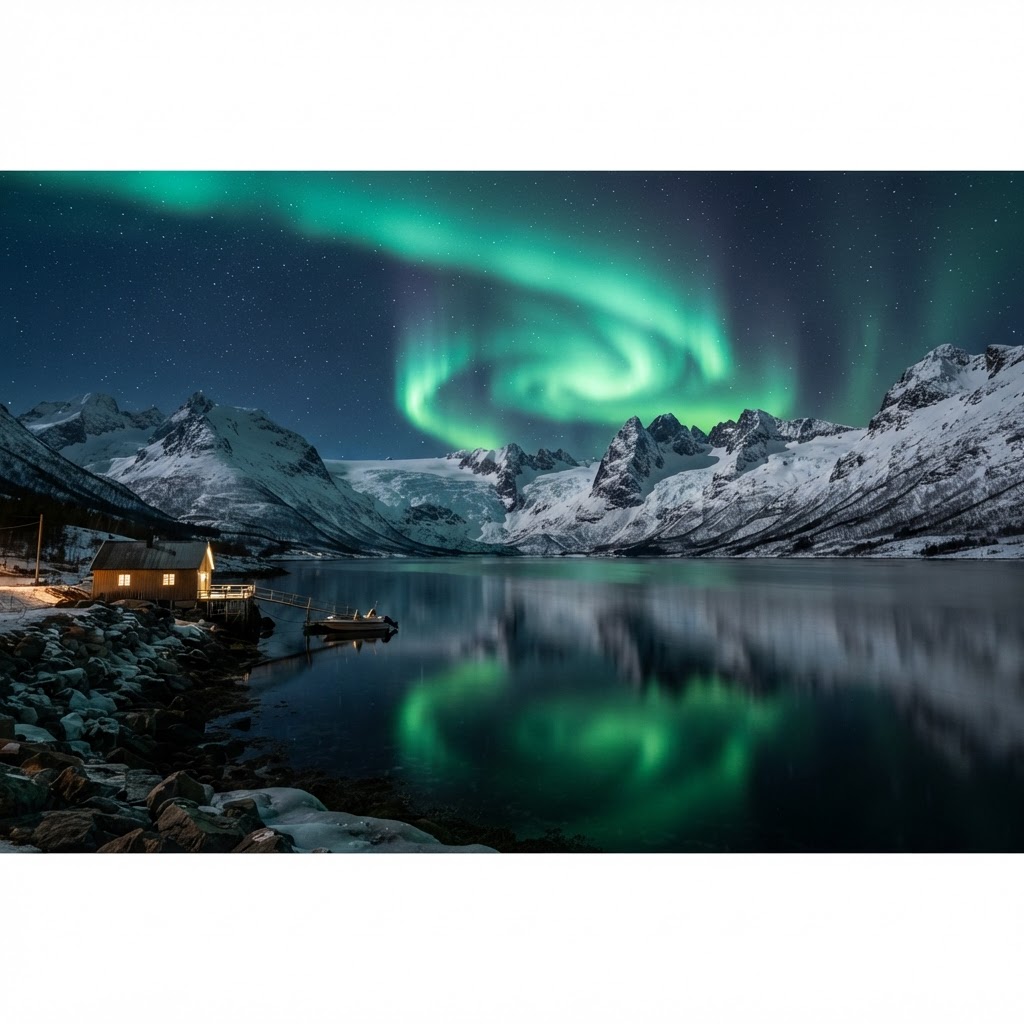
At its core, the Aurora Borealis is a solar performance. It occurs when charged particles from the sun collide with gases in the Earth’s atmosphere, specifically oxygen and nitrogen. These collisions release energy in the form of brilliant light displays that grace the polar regions.
Why Fjords Provide the Perfect Stage
Fjords offer a unique geographical advantage for aurora viewing. Their steep, mountainous walls act as natural windbreaks, keeping the local microclimate more stable than the open sea. Furthermore, the dark water creates a dramatic contrast, effectively doubling the visual impact of the light show as it reflects from above.
Choosing the Right Location in Norway
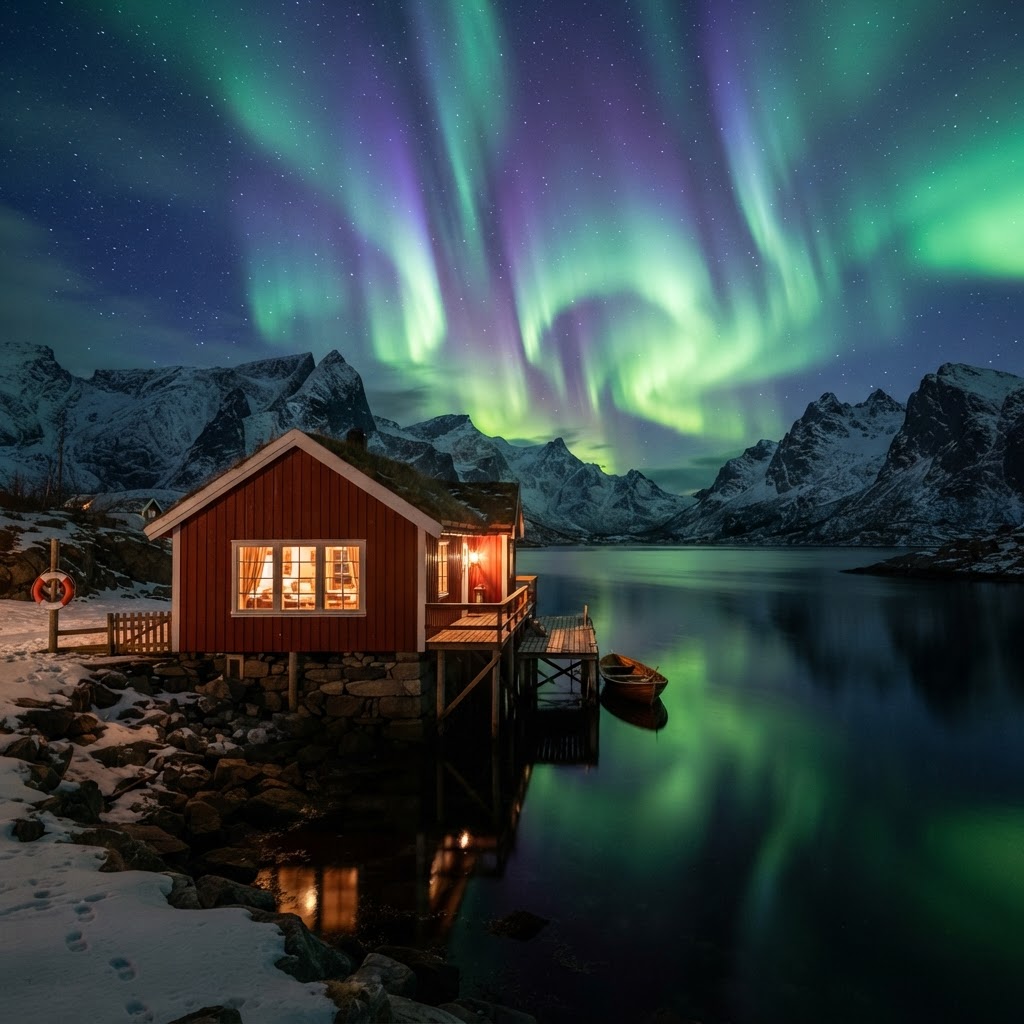
While the entire northern stretch of Norway is prime territory, certain regions stand out for their accessibility and aesthetic beauty. Tromsø is often touted as the ‘Gateway to the Arctic,’ offering reliable infrastructure and numerous guided excursions that lead you away from light pollution.
The Lofoten Islands: A Photographer’s Paradise
For many, the Lofoten Islands represent the pinnacle of fjord scenery. Here, traditional red fishing huts—known as ‘rorbuer’—sit perched on stilts at the water’s edge, providing the perfect foreground element for your photographs. The jagged mountain peaks add a sense of scale that is simply unmatched elsewhere in the world.
Off-the-Beaten-Path Alternatives
If you prefer solitude, consider traveling further north to Senja or the Alta region. These areas are less crowded than Tromsø and offer vast, untouched wilderness where the only witnesses to the dancing lights are the reindeer and the occasional eagle.
Timing Your Visit for Optimal Viewing
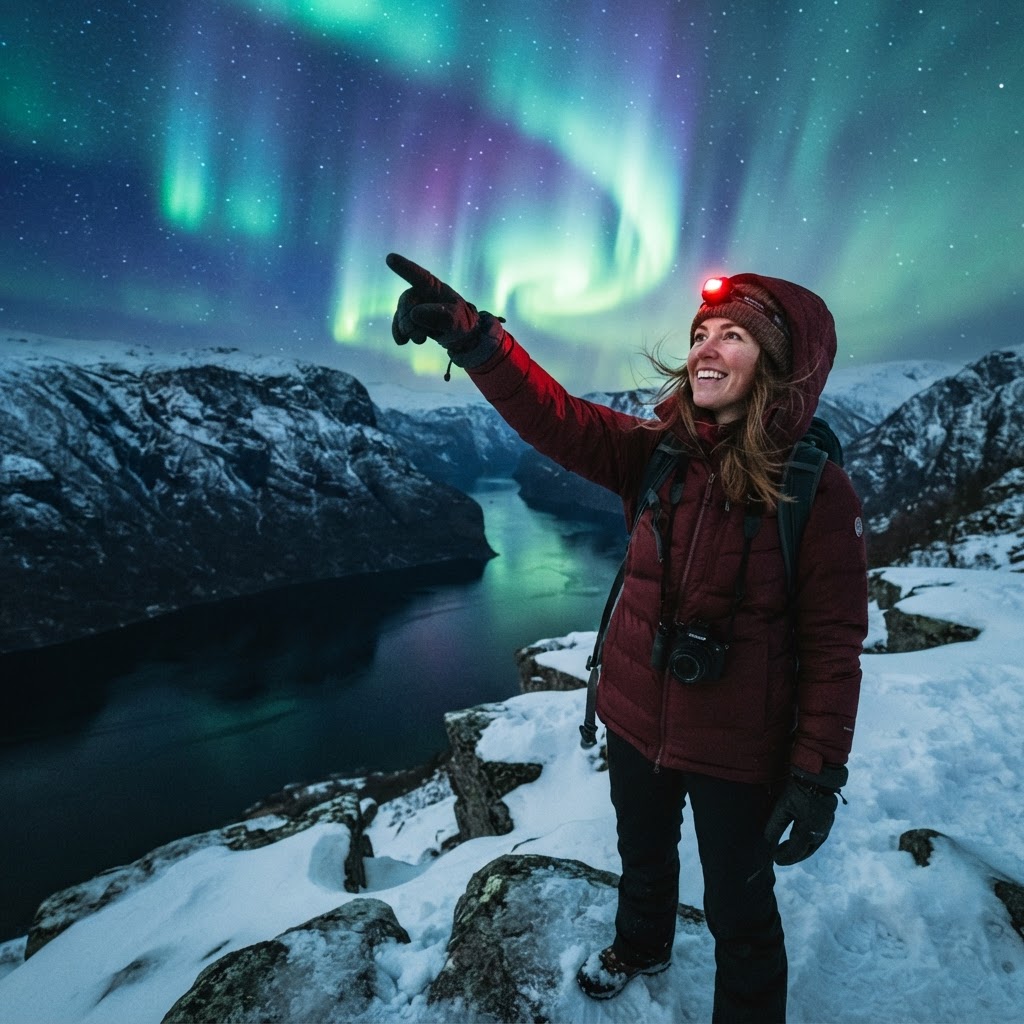
Planning your trip is about balance. You need enough darkness to see the lights, but enough daylight to enjoy the breathtaking geography of the fjords. The ‘aurora season’ technically runs from late September to late March, but the sweet spot for many travelers is late October or February.
Understanding the Kp-Index
The Kp-index is a scale used to measure geomagnetic activity. While a high Kp-index often correlates with more intense auroras, you do not always need a massive solar storm to see the lights. Clear skies are, without question, more important than a high Kp number.
Essential Gear and Photography Tips
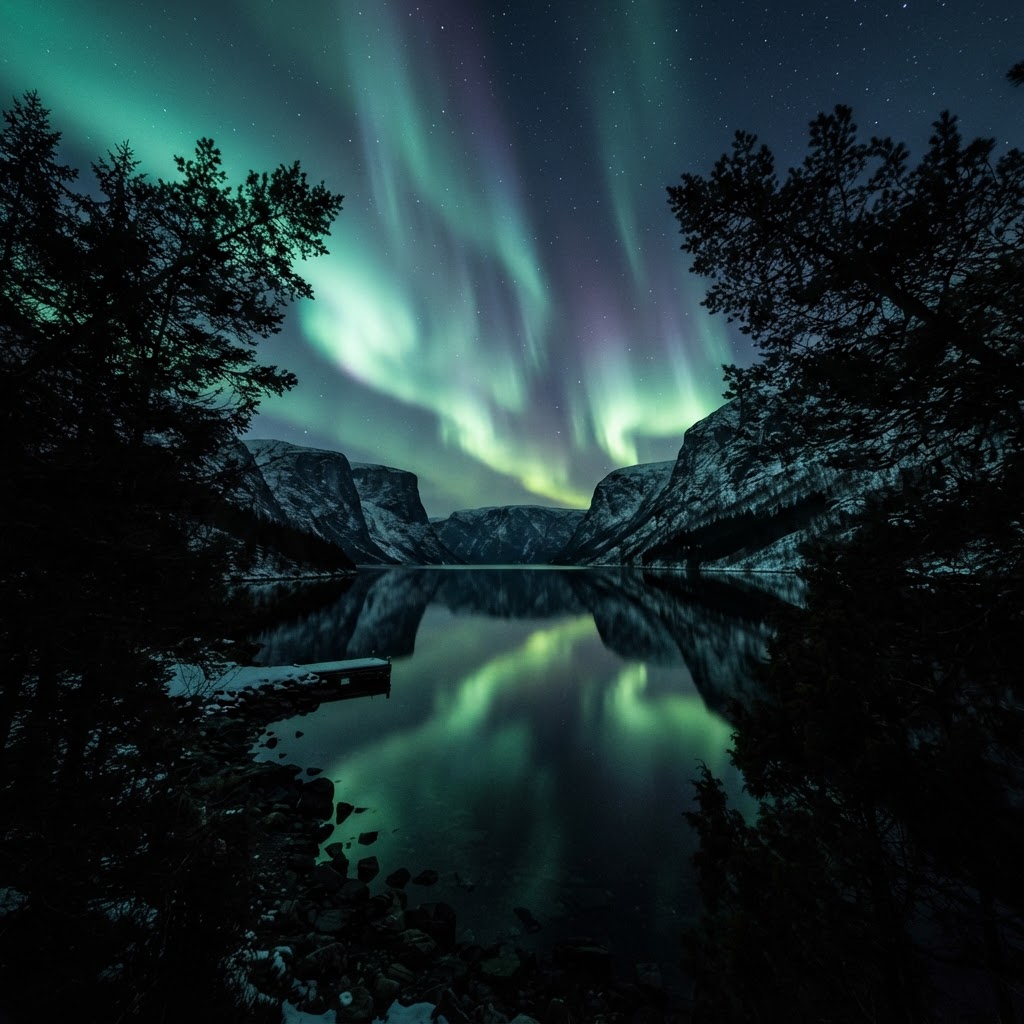
Capturing the Northern Lights over the fjords requires patience and the right equipment. Because you are shooting in low-light conditions with sub-zero temperatures, preparation is non-negotiable. Always bring spare batteries, as the cold will drain them significantly faster than usual.
The Technical Setup
To capture the lights, you need a camera with manual controls. Set your aperture to the widest setting (f/2.8 or lower is ideal) to let in as much light as possible. Use a tripod—this is non-negotiable, as your shutter speeds will likely range between 5 and 20 seconds.
Composition Strategies
Don’t just point your camera at the sky. Include the silhouette of a mountain range or a piece of fjord-side architecture to provide a sense of place. Leading lines, such as a frozen shoreline, can draw the viewer’s eye toward the dancing lights.
Staying Warm and Safe in the Arctic
Arctic winters are unforgiving, but they are manageable with the right gear. The secret lies in the three-layer rule: a moisture-wicking base layer, an insulating wool or fleece middle layer, and a windproof/waterproof outer shell. Never underestimate the importance of warm, insulated boots.
Safety Considerations Near the Water
When exploring the fjords, be mindful of the terrain. The rocks near the waterline are often coated in thin layers of ice, which can be treacherous. Always carry a headlamp with a red-light mode to preserve your night vision while navigating uneven ground.
Respecting the Environment
Norway’s wilderness is fragile. As tourism grows, it is vital to practice Leave No Trace principles. Stick to marked trails, dispose of all trash properly, and avoid using high-intensity flashes or artificial lights that might disturb local wildlife.
Supporting Sustainable Tourism
Choosing eco-conscious tour operators helps preserve these pristine landscapes. Look for companies that emphasize small group sizes and minimal environmental impact, ensuring that the Northern Lights over the fjords remain a pristine experience for generations to come.
Planning Your Itinerary
A successful trip requires a mix of planned activities and flexibility. Dedicate at least five nights to your trip; this increases your statistical probability of encountering a clear, cloudless sky. Use this time to explore the fjords during the day, visiting local museums, taking a RIB-boat safari, or simply enjoying the crisp, clean Arctic air.
Sample 5-Day Arctic Winter Schedule
- Day 1: Arrive and acclimate in a coastal town like Tromsø or Reine.
- Day 2: Day cruise through the fjords; night photography workshop.
- Day 3: Reindeer sledding or Sami cultural experience.
- Day 4: Drive to a remote dark-sky location for professional guided viewing.
- Day 5: Farewell dinner with a view of the mountains; departure.
Conclusion
There is nothing quite like the feeling of standing on the edge of a Norwegian fjord as the sky comes alive. It is a reminder of how vast and beautiful our world truly is. By choosing the right location, respecting the environment, and preparing for the unique challenges of the Arctic, you are setting yourself up for an adventure of a lifetime. Are you ready to witness the dance? Start planning your Norwegian getaway today and join the hunt for the elusive Aurora Borealis.
Leave a Reply