
Standing in the heart of Catalonia, the Sagrada Familia is more than just a church; it is the beating heart of Barcelona. As you walk through the streets of the Eixample district, the towering, otherworldly spires suddenly pierce the skyline, leaving travelers breathless. Designed by the visionary architect Antoni Gaudí, this basilica remains the most iconic symbol of Spanish culture and religious devotion, drawing millions of visitors each year who wish to witness a project that has been under construction for over a century.
The Visionary Behind the Masterpiece
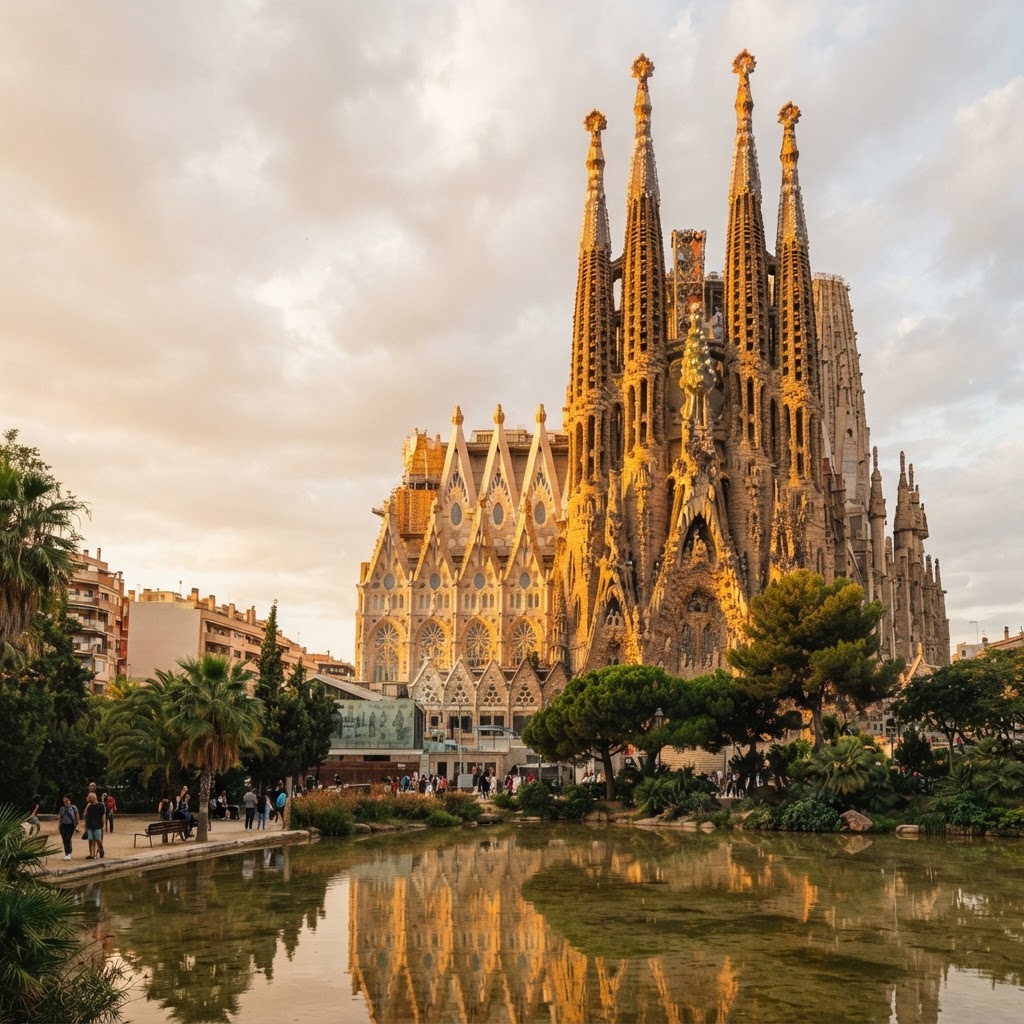
To understand the Sagrada Familia, you must first understand the man who dreamed it. Antoni Gaudí was an architect whose work transcended standard engineering, blending organic shapes with deep spiritual symbolism. When he took over the project in 1883, he transformed the neo-Gothic design into a monumental expression of his own faith and observation of the natural world.
Gaudí’s Philosophy of Nature
Gaudí believed that nature was the perfect creation of God, and therefore, it should serve as the blueprint for his architecture. You will notice that there are no sharp, unnatural angles within the basilica. Instead, the columns resemble massive forest trees branching out into leafy canopies, and the staircases mimic the spiral of seashells found along the Mediterranean coast.
A Lifetime of Dedication
For the final years of his life, Gaudí lived on the construction site, fully devoted to the project. Even after his tragic death in 1926, his detailed plans and models served as the roadmap for future generations of architects. The continuity of this work is a testament to the enduring impact of his genius, proving that architecture can be a living, evolving entity.
A Journey Through the Three Facades
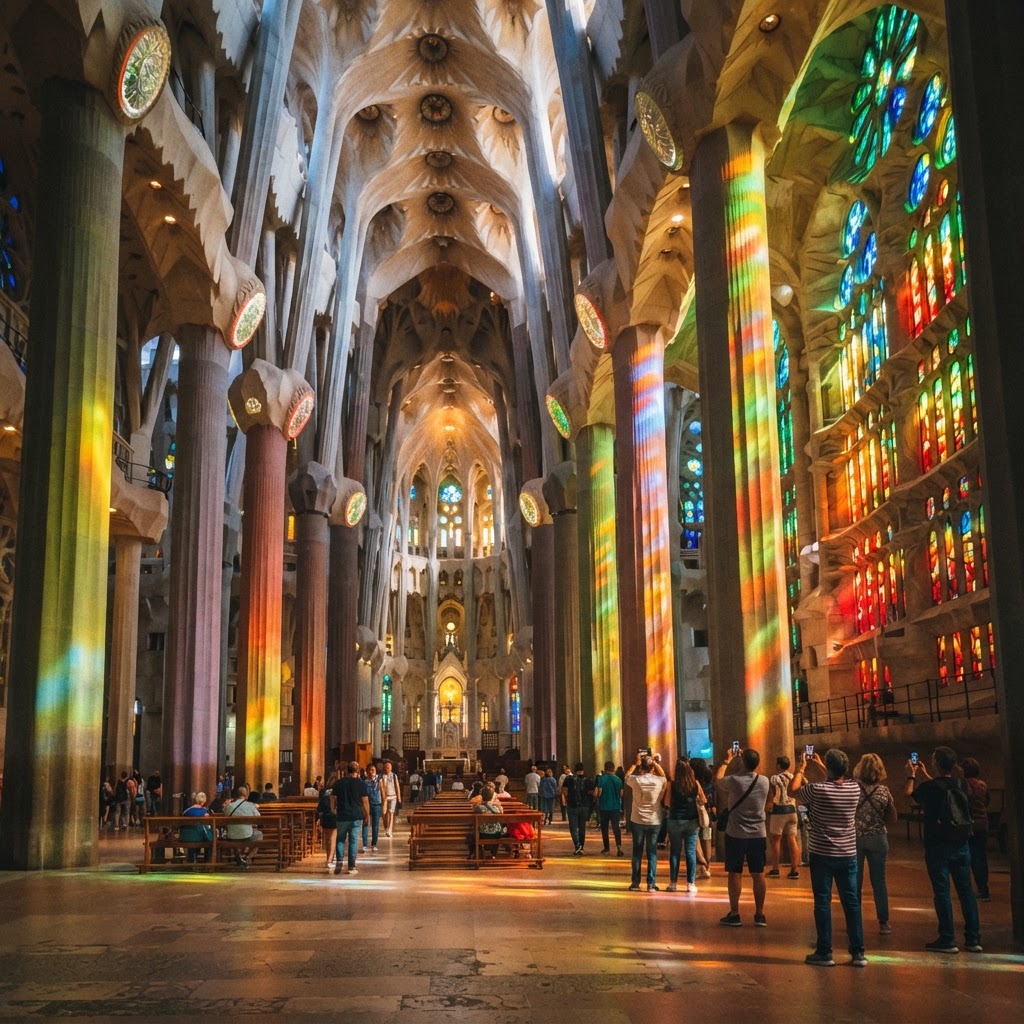
The exterior of the Sagrada Familia is divided into three distinct facades, each telling a different chapter of the life of Christ. These facades are not merely decorative; they serve as a ‘Bible in stone’ for those who enter the site. Each side features intricate carvings that require hours of careful observation to fully appreciate.
The Nativity Facade
The Nativity facade, which was built under Gaudí’s direct supervision, is the oldest and most detailed section. It celebrates the birth of Jesus and is overflowing with carvings of flora, fauna, and figures that signify joy and life. Walking toward this side feels like stepping into a lush, stone-carved garden.
The Passion Facade
In stark contrast, the Passion facade is austere and angular. Designed to reflect the suffering of Christ, the figures here are hollowed out and harsh, evoking a sense of tragedy and reflection. This section of the building highlights the transition in styles as different architects added their interpretations to Gaudí’s original vision.
The Glory Facade
The third, the Glory facade, is currently under construction and is intended to be the grand entrance of the basilica. It represents the path to God and the ultimate destination of the soul. Once completed, it will serve as the crowning achievement of the exterior design.
Step Inside: The Forest of Light
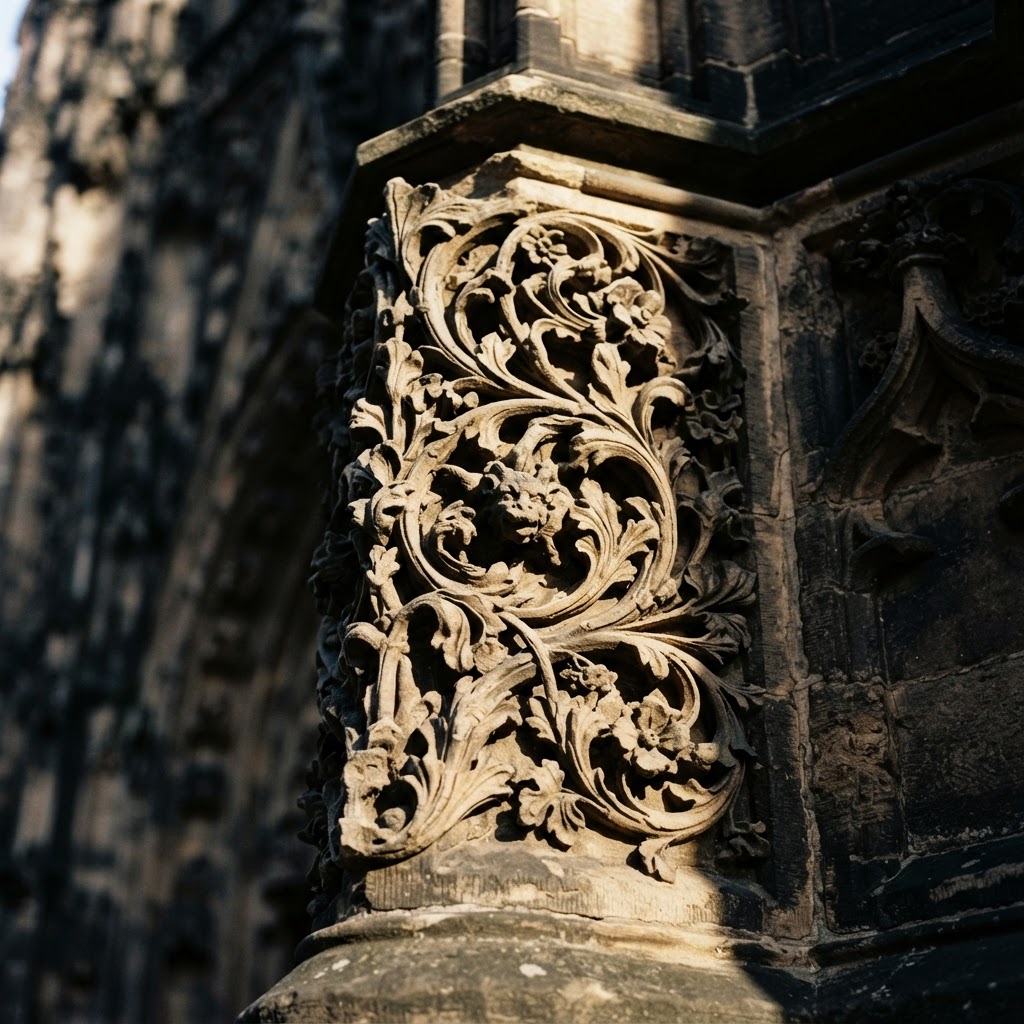
Walking into the nave of the Sagrada Familia is an experience that defies description. Unlike the dark, somber cathedrals of the past, this interior is flooded with a spectrum of color. Gaudí designed the stained-glass windows to catch the light at different times of the day, turning the stone walls into a vibrant canvas.
Light as a Spiritual Element
On the eastern side, the cool blue and green tones represent the dawn and the birth of light. As the sun moves, the western windows pour warm shades of red, orange, and yellow into the hall, creating a sunset effect that symbolizes the end of the day and life. This play of light is essential to understanding the emotional weight of the space.
The Verticality of the Nave
Look up, and you will see the soaring vaults that reach toward the heavens. The columns, designed to support the immense weight of the towers, branch out like thick tree trunks, giving the illusion of a stone forest. This clever engineering allows for a feeling of openness and lightness, which is quite rare for a structure of this scale.
Essential Tips for Visiting the Sagrada Familia
Planning a trip to Barcelona requires careful preparation, especially when it comes to visiting the city’s most popular attraction. Thousands of tourists flock to the site daily, making it necessary to plan ahead if you want to avoid long queues and ensure your entry.
Booking Tickets in Advance
It is non-negotiable: you must book your tickets online weeks in advance. Tickets sell out rapidly, particularly during the peak summer months. Opt for a guided tour if you want to understand the intricate symbolism hidden in every corner, or choose the audio guide to explore at your own pace.
Best Time to Visit
For the best photographic opportunities, aim for the “golden hour” just before sunset. This is when the light streams through the western stained-glass windows, bathing the entire interior in a warm, ethereal glow. You will find that the crowds thin out slightly during the late afternoon, offering a more tranquil experience.
The Architecture of the Future
Many visitors often ask: when will the Sagrada Familia be finished? The answer has been a moving target for decades. With the advancements in computer-aided design and 3D printing, the construction speed has increased dramatically in recent years. Today, teams of international architects and engineers continue to follow the strict guidelines laid out in Gaudí’s original, albeit damaged, designs.
A Sustainable Construction Model
What makes the current phase of construction even more impressive is the commitment to modern structural integrity. The use of reinforced concrete and stone has allowed for the creation of taller towers, including the Tower of Jesus Christ, which will eventually make this the tallest religious building in Europe. It is a bridge between 19th-century artistry and 21st-century technology.
Beyond the Religion
While the Sagrada Familia is a Catholic church, it is widely visited by people of all faiths and backgrounds. It represents the pinnacle of human creativity and the ability of a community to sustain a project through generations. It is a monument to persistence and beauty, transcending its original purpose to become a global symbol of artistic achievement.
A Comparative Look at Barcelona’s Landmarks
Barcelona is home to many architectural marvels, but the Sagrada Familia holds a special place in the city’s identity. Here is how it compares to other local highlights:
| Attraction | Architectural Style | Key Feature |
| :— | :— | :— |
| Sagrada Familia | Art Nouveau / Neo-Gothic | Stained glass & organic columns |
| Casa Batlló | Modernisme | Colorful mosaics & bone-like balconies |
| Park Güell | Organic/Naturalist | Mosaic tiles & garden views |
| Cathedral of Barcelona | Gothic | Traditional stone architecture |
Conclusion
The Sagrada Familia is not just a stop on your Barcelona itinerary; it is the main event. From the minute you look up at its towering spires to the moment you step out into the Mediterranean sun, you are participating in a story that began in 1882 and continues to unfold today. It reminds us that greatness takes time, patience, and a bit of magic.
If you are planning your trip to Barcelona, do not miss the chance to witness this masterpiece in person. Book your tickets now, prepare to look up, and get ready to be inspired by the vision of Antoni Gaudí. Have you already planned your visit to this architectural wonder? Let us know in the comments below what you are most excited to see!
Leave a Reply