
Save This for Your Norway Trip: The Ultimate Guide
To plan a successful Norway trip, prioritize booking your travel at least four months in advance and bundle your transport using the “Norway in a Nutshell” route to save 20-30% over individual bookings. Focus your itinerary around the major transit hubs of Oslo, Bergen, and Tromsø, while dressing in moisture-wicking wool layers to combat the country’s notoriously unpredictable weather.
Planning Your Arrival and Transportation
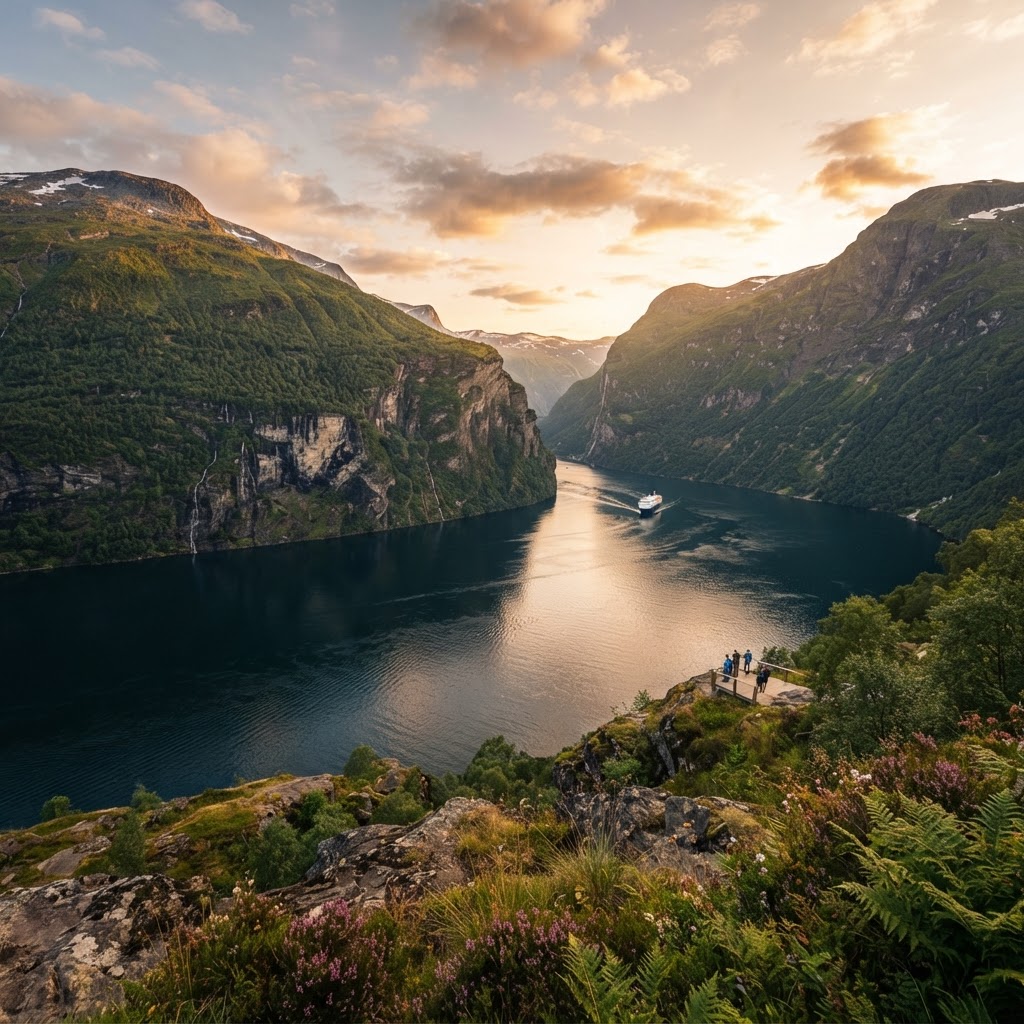
Most international travelers land at Oslo Airport (OSL), the nation’s primary aviation hub, which offers efficient 20-minute Flytoget train transfers to the city center. Once you arrive, navigating Norway requires choosing between high-speed rail, regional domestic flights, or self-driving, each offering vastly different perspectives of the rugged terrain. For those focusing on the southern region, the train network provides the most scenic and environmentally conscious way to cross the country’s dramatic mountain passes.
The Magic of the Norwegian Railway
One of the best ways to see the landscape is by train. The Bergen Railway, connecting Oslo and Bergen, is consistently ranked as one of the most beautiful train journeys in the world. As you traverse high-altitude plateaus and winding valleys, you will see why rail travel is a staple of any well-planned Norway trip. Expect to pay between 500 and 1,200 NOK for one-way tickets if booked via the Vy.no app, where “Minipris” discount fares are available for those who reserve their seats at least 30 days prior to departure.
Renting a Car for Ultimate Flexibility
If you prefer to move at your own pace, renting a car offers unmatched freedom. This allows you to stop at countless viewpoints and small villages that public transport might bypass. Just keep in mind that Norwegian roads, especially those carved through mountains or along narrow fjords, require focused, careful driving. Budget roughly 800–1,500 NOK per day for a rental, and always account for expensive fuel and automated toll bridge fees, which are collected electronically via the Autopass system.
Exploring the Majestic Norwegian Fjords
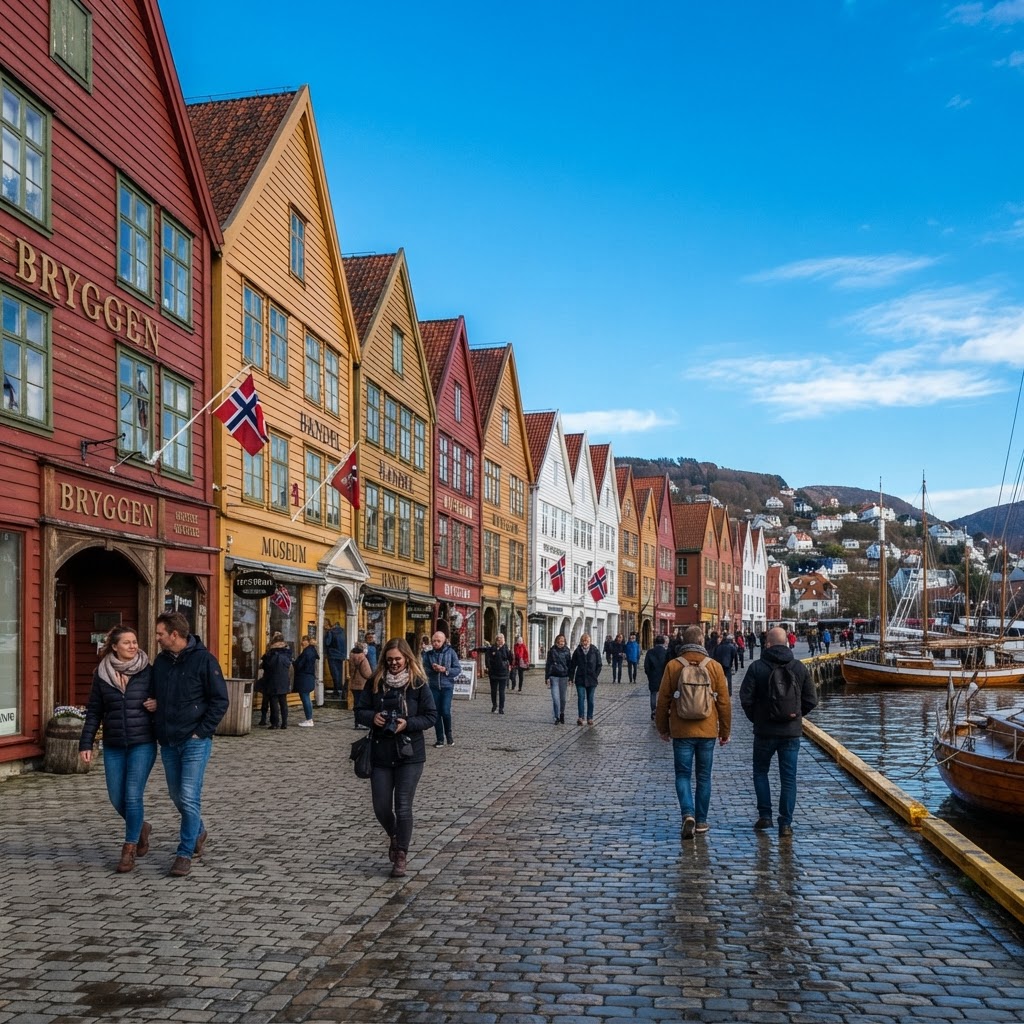
No visit to Norway is complete without spending significant time near the fjords, which are protected UNESCO World Heritage sites offering unparalleled geological vistas. These deep, carved inlets are the heart of Norwegian nature and offer some of the most dramatic scenery on Earth. You must include at least one cruise or kayak tour to fully appreciate their scale, ensuring you select tours that adhere to sustainable tourism practices to protect these fragile ecosystems.
Top Fjord Destinations to Include
To help you narrow down your choices, here is a quick reference table of the most famous fjords to consider:
Safety and Respecting Nature
When exploring these natural wonders, always practice Leave No Trace principles. The Norwegian “allemannsretten” (the right to roam) grants everyone access to nature, but with that privilege comes the responsibility to leave the environment exactly as you found it. Stay on marked trails to avoid soil erosion and keep a safe distance from wildlife, particularly in the northern regions where reindeer herds graze freely near roadsides.
Understanding Norway’s Climate and Seasons
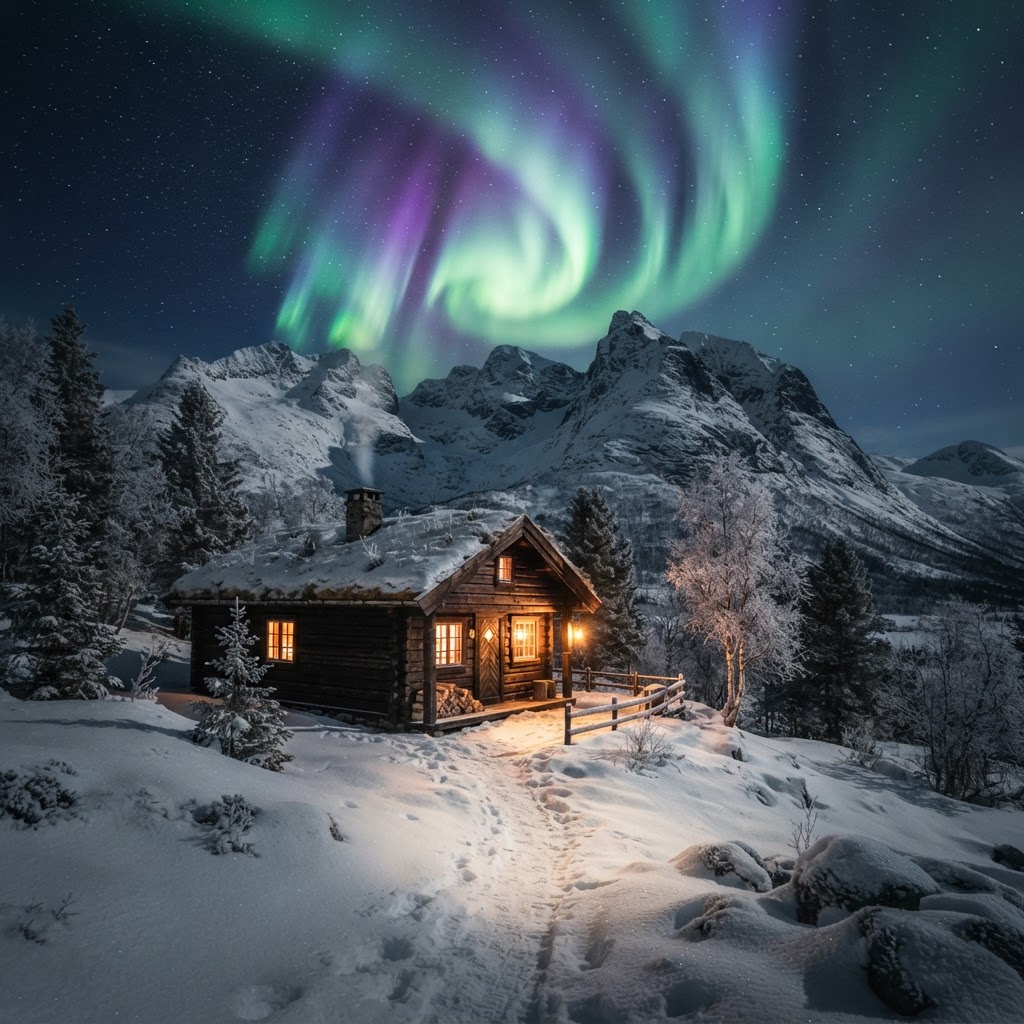
Norway is a country of extreme seasonal contrasts, requiring travelers to align their activities with the specific light and temperature conditions of each season. Choosing when to go will dictate what kind of trip you experience, so save this for your Norway trip to consult whenever you start looking at flight dates. Winter is magical for snow sports, while summer offers nearly twenty-four hours of daylight, allowing for extended hiking and exploration hours.
Seasonal Comparison Guide
The Midnight Sun vs. The Polar Night
In Northern Norway, you can experience the midnight sun, where the sun never sets for weeks during the summer. Conversely, the winter brings the polar night, where the sun stays below the horizon, creating a stunning twilight atmosphere and the perfect conditions for hunting the Aurora Borealis. If you are visiting specifically for the Northern Lights, aim for Tromsø between November and February when dark hours are at their peak.
Packing for Variable Weather
Even in summer, Norwegian weather is notoriously unpredictable, often swinging from sun to sleet in a single hour. The golden rule is to dress in layers. Always pack a reliable waterproof jacket with at least a 10,000mm water column rating, comfortable hiking boots with high-traction outsoles, and a merino wool base layer to regulate body temperature regardless of outside moisture.
Cultural Etiquette and Local Customs
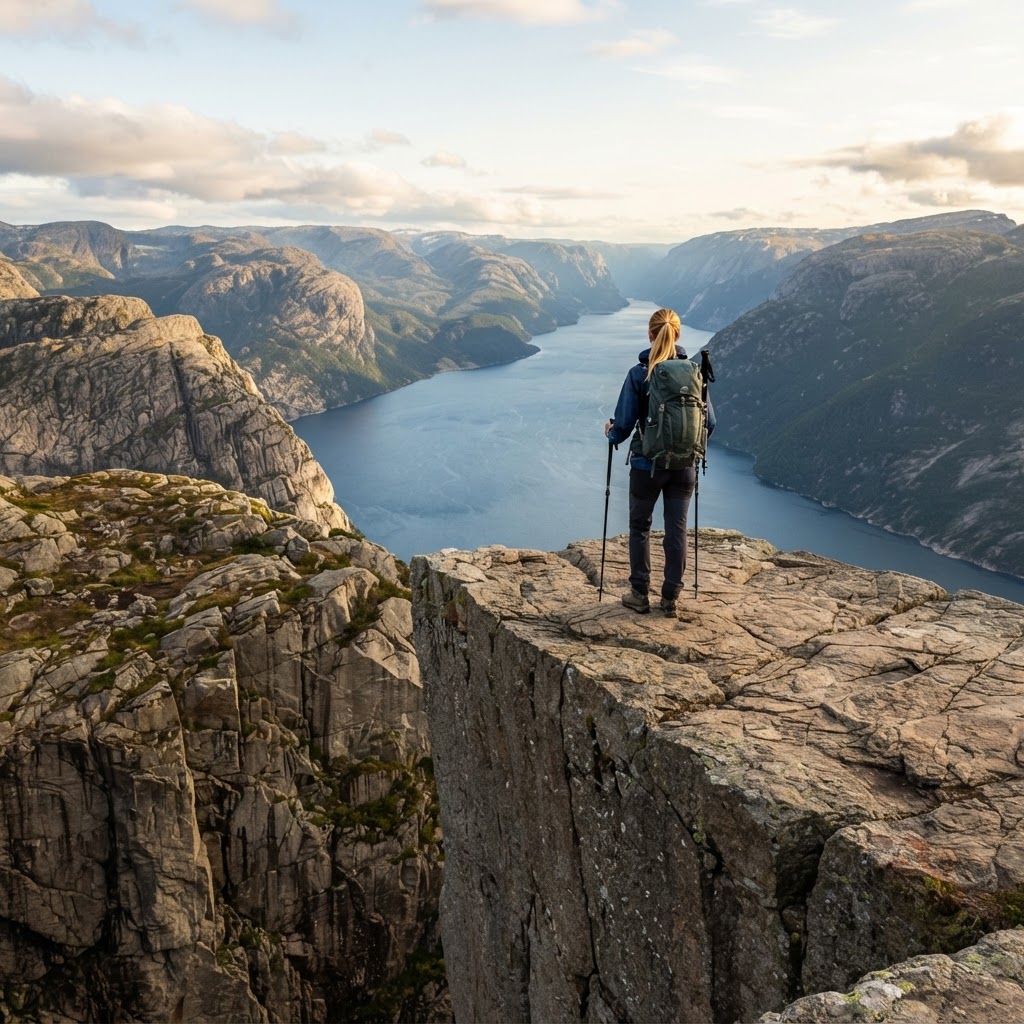
Norway is a welcoming and safe country, but understanding local cultural nuances can enhance your interaction with residents. Norwegians generally value punctuality, modesty, and a deep appreciation for the outdoors, often avoiding loud conversations in public spaces. You will find that most people speak excellent English, making navigation very easy for international visitors who may need assistance with local transit or recommendations.
The Concept of Friluftsliv
You will hear the word “friluftsliv” often. It translates roughly to “open-air living,” reflecting the deep-seated Norwegian love for spending time in nature regardless of the weather. Embracing this mindset will make you feel much more like a local and less like a tourist; do not be surprised to see Norwegians hiking in light rain, as they firmly believe “there is no such thing as bad weather, only bad clothing.”
Must-Visit Cities and Towns
While nature is the main draw, Norway’s urban centers are full of character, history, and modern design. Oslo, Bergen, and Tromsø are the three major pillars of a standard itinerary, each offering a very different vibe. You should allocate at least 2 days for Oslo to cover the museum districts, 2 days for Bergen’s coastal heritage, and 3 days for Tromsø to ensure you have multiple weather windows for aurora sightings.
Oslo: Design and History
Oslo is a mix of modern architecture, like the Opera House where you can walk on the roof, and deep history, found in the Viking Ship Museum and the Munch Museum. Spend at least two days here to get a feel for the urban lifestyle of Norway, focusing on the Akershus Fortress and the Vigeland Sculpture Park, both of which are free to access.
Bergen: The Gateway to the Fjords
Bergen is iconic for its colorful Hanseatic wharf, Bryggen, and its surrounding mountains. It is a smaller, more intimate city that serves as the perfect base for coastal adventures and fjord cruises. Take the Fløibanen funicular to the top of Mount Fløyen for a panoramic view of the harbor, which remains one of the most photographed spots in the entire country.
Budgeting for Your Norwegian Vacation
It is no secret that Norway can be expensive, with daily costs for a mid-range traveler often ranging from 1,500 to 2,500 NOK per person. However, with smart planning, you can manage your budget effectively. Knowing the costs upfront is an essential part of the advice you need to save for your Norway trip, specifically by utilizing supermarket chains like REMA 1000 or Kiwi for meal supplies.
Strategies to Save Money
- Eat at supermarkets: Buying groceries for picnic lunches is a huge money saver, cutting daily food costs by up to 60% compared to sit-down restaurant dining.
- Drink tap water: Norwegian tap water is some of the cleanest and tastiest in the world, so bring a reusable bottle and save 30-40 NOK per bottle.
- Use public transport: Trains and buses are efficient and usually 50% cheaper than private organized tour shuttles.
- Look for city passes: Many cities offer passes like the “Oslo Pass” that include museum entry and unlimited public transit for a set price, often paying for themselves in two days.
FAQ
Q: Is Norway expensive for tourists?
Yes, Norway is considered one of the most expensive countries in the world for travelers, especially regarding alcohol, dining, and fuel costs. However, you can significantly reduce expenses by shopping at budget grocery stores and utilizing extensive public transit networks instead of private transport.
Q: Do I need a visa to visit Norway?
Most travelers from the US, UK, EU, and Canada do not need a visa for short-term tourist stays of up to 90 days. Always check the official UDI website for your specific nationality requirements before booking your flights to ensure you meet entry criteria.
Q: What is the best time to see the Northern Lights?
The best time to see the Northern Lights in Norway is between late September and late March when the nights are at their longest. Tromsø and the Lofoten Islands provide the highest probability of sightings due to their geographic position within the Arctic Circle.
Q: Can I use my credit card everywhere in Norway?
Yes, Norway is almost entirely cashless, and you can pay for everything from public toilets to coffee using a credit or debit card. It is recommended to carry a card with no foreign transaction fees to avoid unnecessary banking charges during your travels.
Leave a Reply