
Imagine a place where time stands still, where the golden stone of medieval cottages glows under a soft afternoon sun, and the only traffic you encounter is a gentle stream flowing through the center of town. This is Castle Combe, widely regarded as the most beautiful village in England. Situated in the heart of the Cotswolds, it feels like stepping onto the set of a period drama, yet it remains remarkably accessible for those looking to escape the bustle of the capital. Located just two hours from London, this historic settlement is the perfect destination for travelers seeking peace, beauty, and a touch of magic. Whether you are a photography enthusiast, a history lover, or simply someone in need of a quiet recharge, Castle Combe offers a quintessential English experience that stays with you long after you leave.
Why Castle Combe Captures the Heart
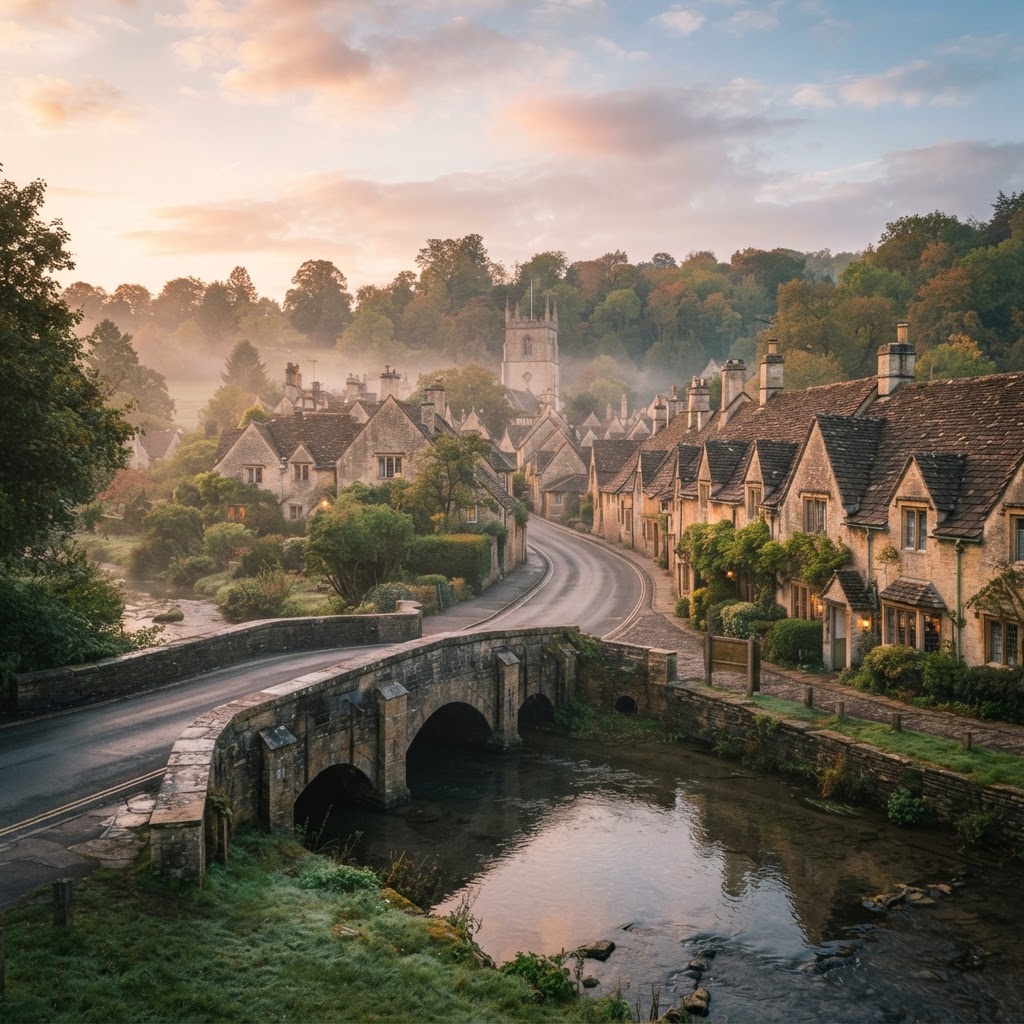
Many villages claim to be the prettiest, but Castle Combe truly stands out due to its strict preservation laws and distinct lack of modern intrusion. Unlike larger towns that have modernized to accommodate tourism, this village has retained its 14th-century aesthetic with uncanny precision. The absence of television aerials, streetlights, and even modern road signs makes the environment feel authentic. Walking through the narrow streets, you are surrounded by honey-colored limestone buildings that have stood for centuries. It is not just the architecture that draws visitors; it is the atmosphere of quiet dignity. The village sits in a valley, flanked by dense woodland, creating a natural amphitheater of green that feels worlds away from the urban sprawl.
The Allure of the Cotswolds
The Cotswolds region is famous for its rolling hills and picturesque villages, but Castle Combe often tops the list of “must-visit” locations. What makes it special is how it balances being a popular destination while maintaining its intimate village feel. The River Bybrook, which meanders through the village, serves as the centerpiece for many iconic photographs. You will often see locals and visitors alike standing on the ancient stone bridge, watching the water ripple over mossy rocks. This is the definition of the English countryside dream, and it is accessible enough to be a simple day trip or a relaxing weekend retreat.
Getting There: The Journey from London
The convenience of visiting this hidden gem is part of its appeal. While the village feels remote, it is surprisingly easy to reach from the capital. The journey by car takes approximately two hours, depending on traffic, making it an ideal candidate for a Saturday morning escape. You simply need to take the M4 motorway west, which provides a straightforward route toward the Wiltshire countryside. As you transition from the highway to the smaller lanes, you will find yourself winding through golden fields and shaded lanes, building anticipation for the arrival.
Travel Options and Tips
For those who prefer not to drive, the train is a viable alternative. You can catch a direct service from London Paddington to Chippenham, which takes just over an hour. From Chippenham station, it is a quick ten-minute taxi ride to the heart of the village. For a more immersive experience, many visitors choose to rent a bicycle once they arrive in the area, allowing them to explore the surrounding Bybrook valley at a leisurely pace. Regardless of your mode of transport, the accessibility makes it a premier choice for those seeking the most beautiful village in England without the hassle of long-haul travel.
What to See and Do
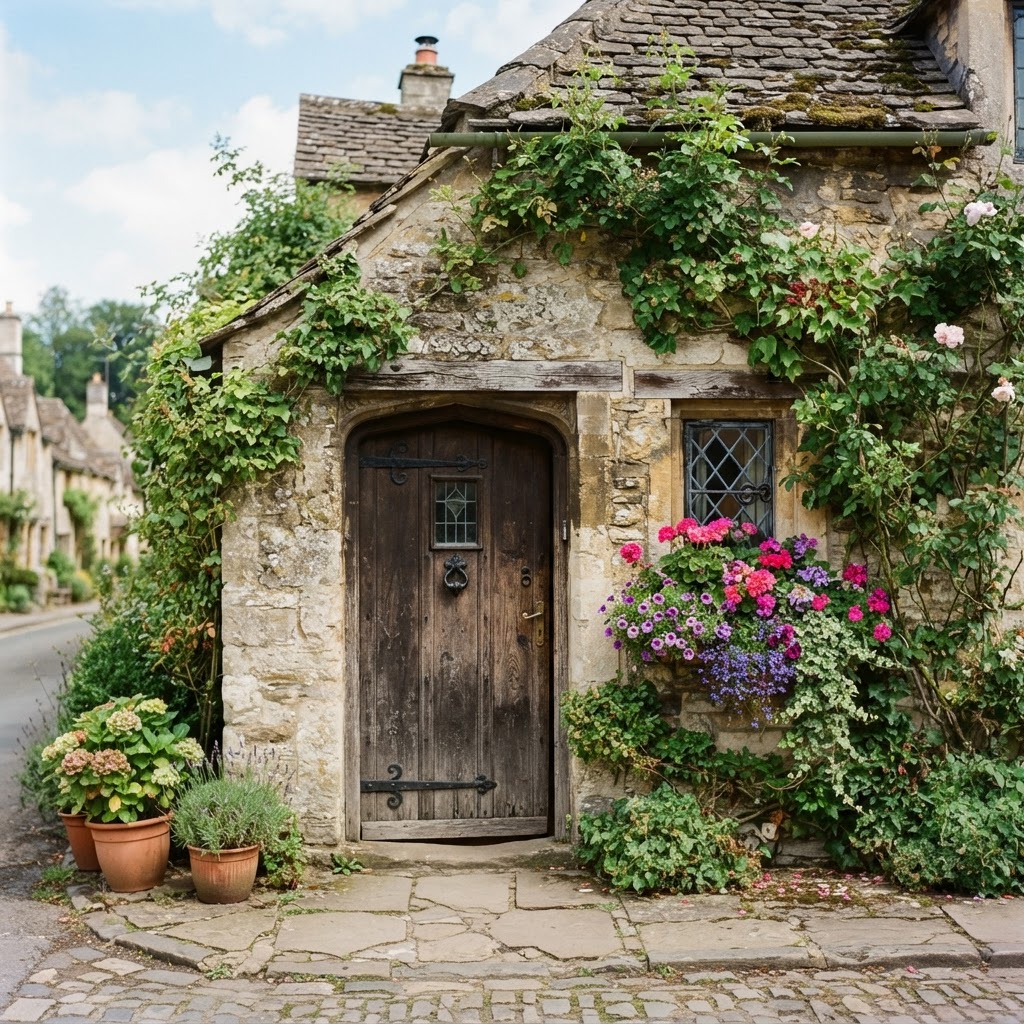
Though small, the village is packed with historical significance. The Market Cross, which dates back to the 14th century, stands at the intersection of the three main streets. It is a poignant reminder of the village’s former life as a center for the wool trade, a period of prosperity that funded the construction of the beautiful stone cottages you see today. Visitors often find that the best activity is simply walking the length of the village and back, stopping to admire the details: the hand-carved stone doorways, the colorful flower boxes, and the secret gardens tucked behind high walls.
Exploring the Bybrook River
The river is the lifeblood of the village and provides the perfect backdrop for a picnic. During the warmer months, the banks are lush with greenery, and the sound of running water creates a soothing soundtrack for an afternoon walk. There is a well-trodden path that leads away from the village center and into the surrounding woods, offering a longer hike for those who want to stretch their legs. The interplay of light and shadow in the woods is a delight for photographers, particularly during the golden hour.
Dining and Hospitality
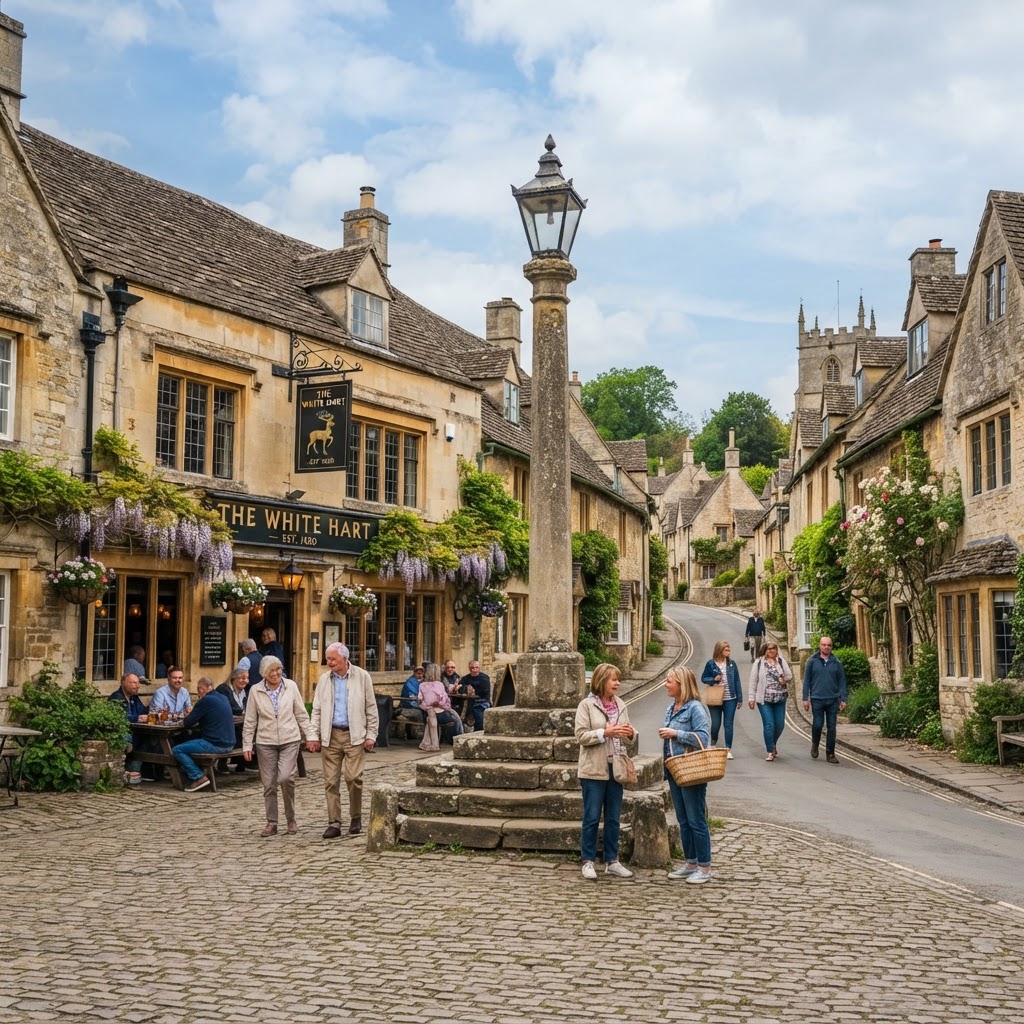
You cannot visit a traditional English village without sampling the local fare. The Castle Combe area boasts excellent pubs and tearooms that serve classic British dishes. Imagine sitting in a low-ceilinged tavern by a roaring fireplace in the winter, or sipping tea in a sun-drenched garden in the summer. The local establishments prioritize seasonal ingredients, often sourcing produce from neighboring farms in the Wiltshire region. It is a genuine farm-to-table experience that reflects the slow-living culture of the countryside.
Where to Stay
If you choose to stay overnight, you have several options that range from historic hotels to cozy bed-and-breakfasts. Staying in the village allows you to experience it when the day-trippers have departed, which is when the magic truly happens. You can listen to the church bells in the evening and watch the mist rise over the valley at sunrise. Many of the local cottages have been converted into charming guest suites that offer a blend of period character and modern comfort.
Practical Guide for Visitors
To make the most of your visit, keep a few logistical tips in mind. The village parking is located at the top of the hill, just a short walk from the center. This is a deliberate choice to keep the main village streets clear of traffic, preserving the historic atmosphere. It is highly recommended to visit on a weekday if your schedule allows, as this significantly reduces the number of tourists and gives you the place largely to yourself. Always pack a pair of comfortable walking shoes, as the terrain can be uneven with cobbles and narrow paths.
Best Time to Visit
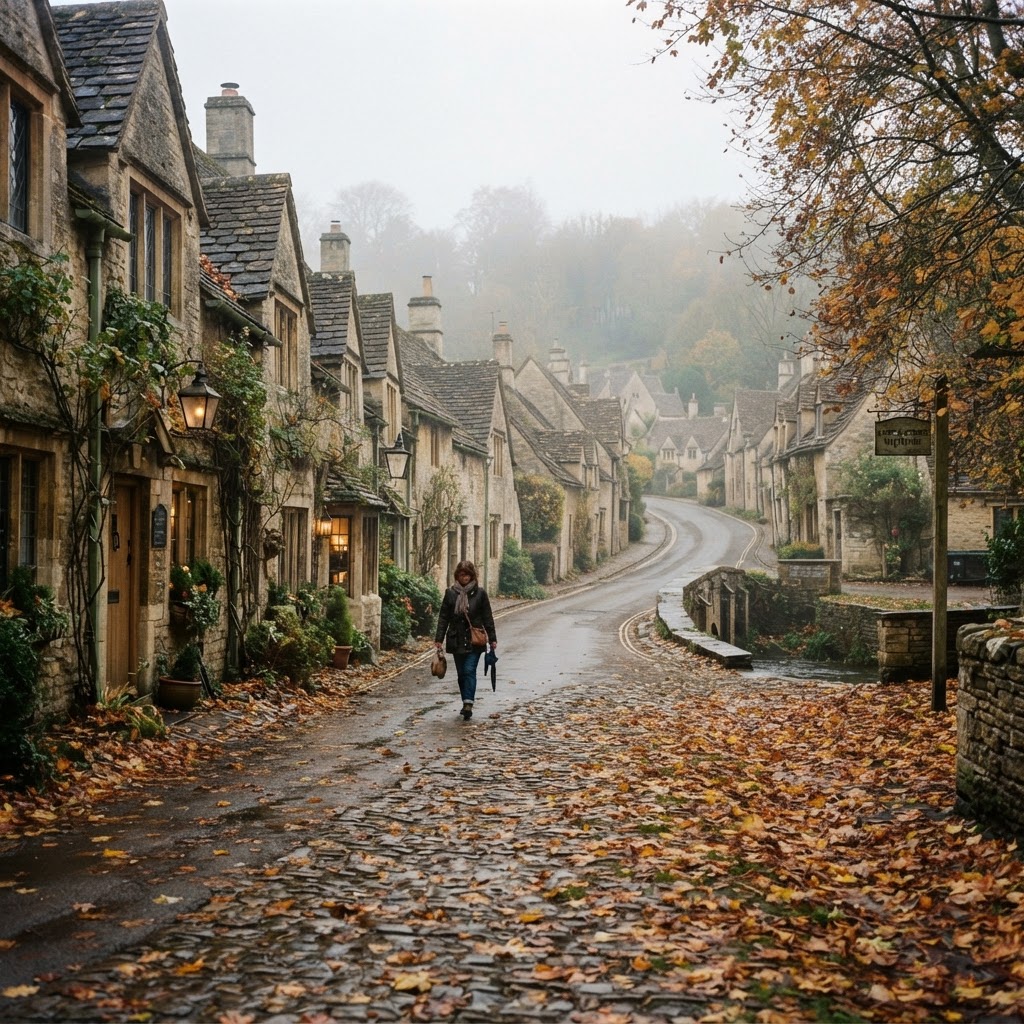
While the village is stunning year-round, there are specific times that offer unique charms. Spring brings a riot of color to the gardens, with daffodils and cherry blossoms decorating the stone walls. Summer is perfect for riverside picnics and long, lazy walks. Autumn transforms the valley into a tapestry of fiery oranges and yellows, making it arguably the most photogenic season. Winter, while cold, provides the cozy, quintessential Christmas card aesthetic that England is famous for, especially if you are lucky enough to see a light dusting of snow.
Planning Your Itinerary
For a perfect two-day itinerary, aim to arrive on Saturday morning. Start with a visit to the St. Andrew’s Church, famous for its ancient clock, which is one of the oldest working clocks in the country. Spend your afternoon wandering the lanes, and settle into a local pub for dinner. On Sunday, spend your morning hiking the local trails before enjoying a traditional Sunday roast. This slow-paced approach is the best way to soak in the atmosphere of the most beautiful village in England.
Conclusion
Castle Combe is more than just a tourist destination; it is a living, breathing testament to England’s architectural and cultural history. Its proximity to London makes it an incredibly convenient getaway for those craving a change of pace, but it is its enduring charm that will keep you returning. Whether you are seeking a romantic escape, a historical tour, or simply a quiet moment in nature, this village delivers an experience that is truly timeless. Start planning your trip today and discover why this hidden gem continues to hold the title of the most beautiful village in England for so many travelers. Have you visited the Cotswolds? Share your favorite memories in the comments below or start planning your first trip this weekend!
Leave a Reply