
Winter in Norway: Why It Hits Different & How to Visit
Visiting Norway in winter offers a unique blend of polar night phenomena, prime Northern Lights viewing, and the cozy cultural practice of ‘kos.’ This season is characterized by minimal crowds, breathtaking snowy landscapes, and a slower, intentional travel pace that prioritizes immersion over rapid-fire sightseeing.
The Magic of the Polar Night
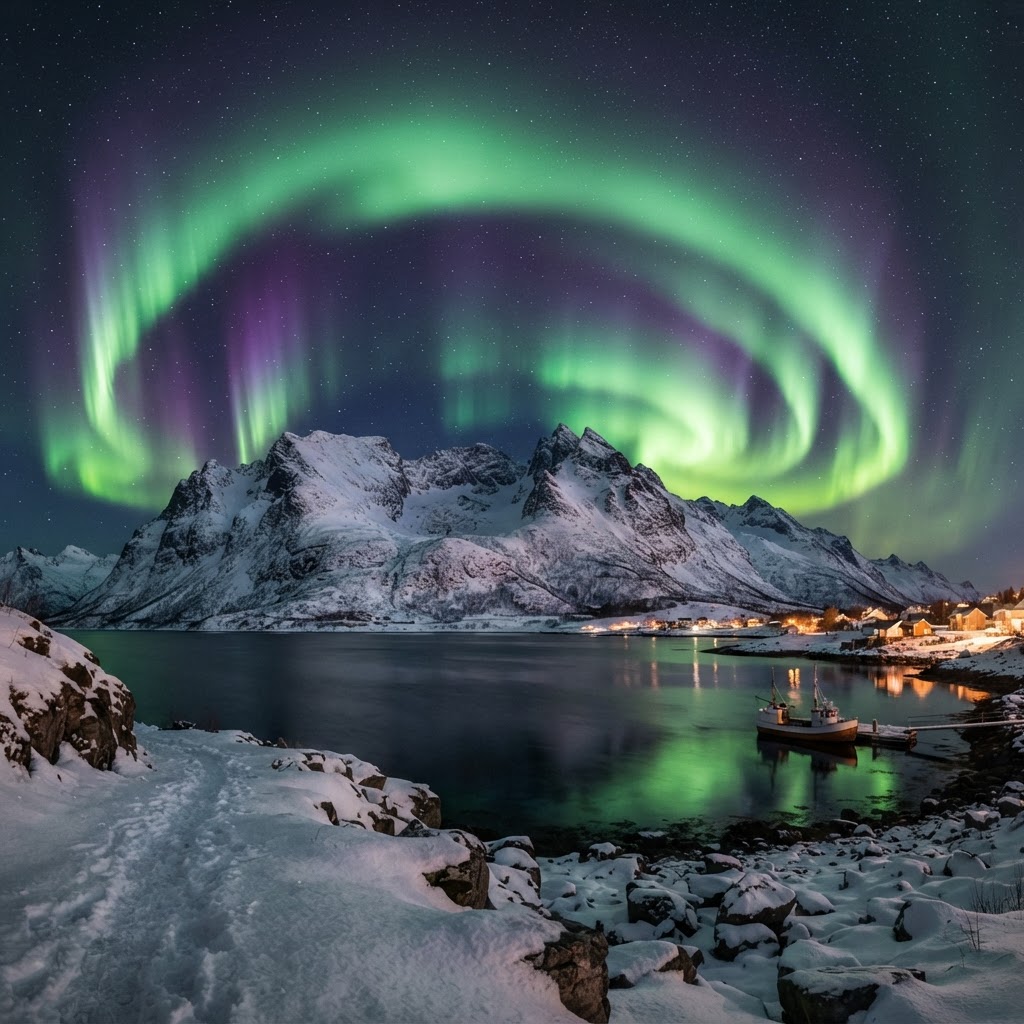
One of the most defining aspects of the Norwegian winter is the phenomenon known as the Polar Night, occurring when the sun stays below the horizon for weeks. In regions north of the Arctic Circle, such as Tromsø or the Lofoten Islands, this period typically lasts from late November until mid-January. While the lack of direct sunlight might seem daunting, it creates a unique atmosphere defined by an extended “blue hour” that bathes the landscape in deep indigo, violet, and fiery orange hues. This natural light condition is ideal for landscape photography, as it eliminates harsh shadows and provides a soft, ethereal glow across the fjords. During the Polar Night, life in Norway slows significantly, allowing visitors to experience the profound stillness of the Arctic wilderness. Because the sun does not rise, the sky provides a darker canvas, which effectively increases the visibility of the Aurora Borealis during the daytime hours in high-latitude regions. This period of reflection is central to the Norwegian psyche, where residents embrace the limited daylight by focusing on indoor comfort and communal activities, turning a challenging climate into a seasonal highlight for travelers seeking quiet contemplation and unique environmental aesthetics.
Chasing the Aurora Borealis
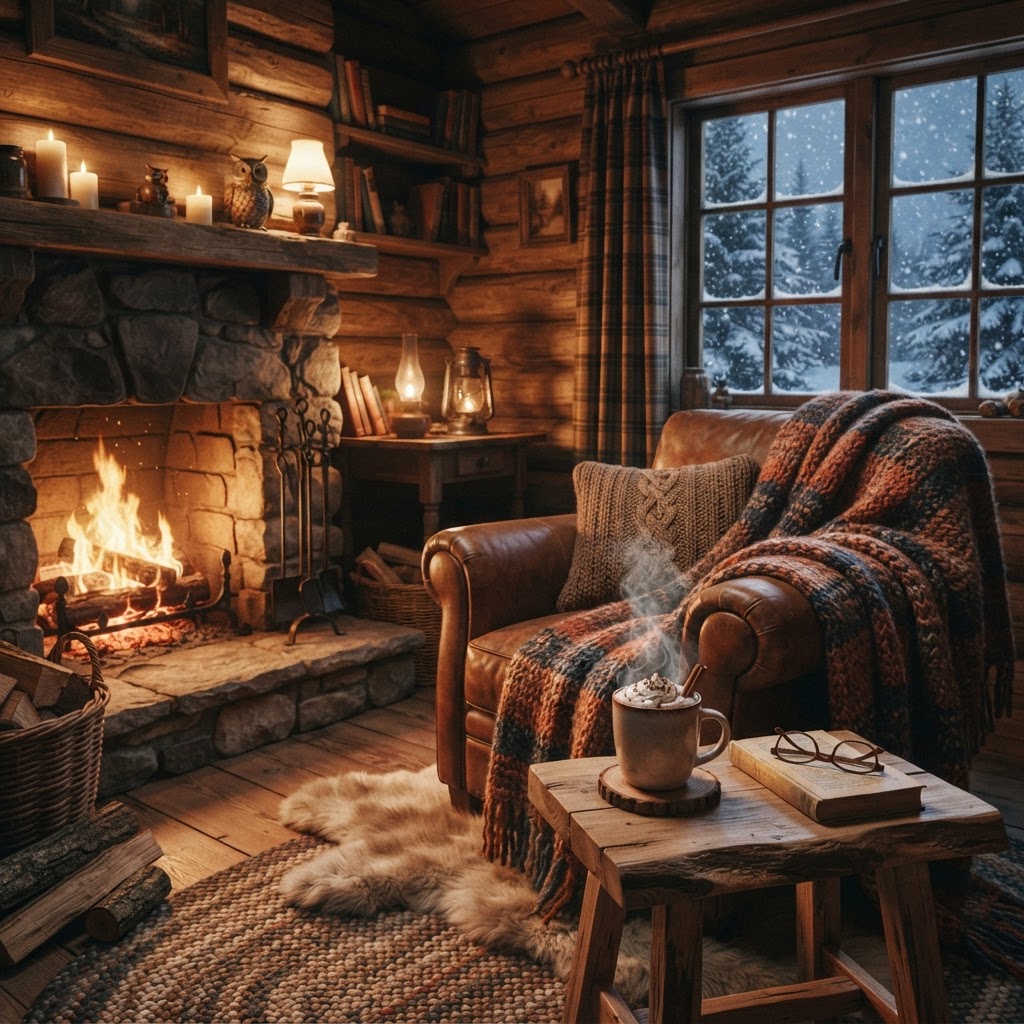
No winter trip to Norway is complete without a dedicated hunt for the Northern Lights, which are most visible between September and April when the nights are at their longest. As the primary draw for many visitors, the Aurora Borealis is most active during the darker months, providing a spectacular show of dancing green, pink, and violet light across the Arctic sky. To maximize your chances of seeing the lights, you should head to the northern reaches of the country. Places like Tromsø, Senja, and Alta are located right in the middle of the “Auroral Oval,” making them prime spots for sightings. It is recommended to book a guided chase, as local experts use weather satellites to find clear skies away from light pollution. Booking a professional tour often increases success rates by up to 80% compared to independent observation, as guides can navigate inland to escape coastal cloud cover.
Essential Aurora Viewing Tips
- Check the Kp-index forecasts before your trip.
- Always dress in layers, as standing still waiting for the lights gets cold fast.
- Use a tripod for your camera to capture those long-exposure shots.
- Be patient; sometimes the most spectacular displays happen in the middle of the night.
Embracing ‘Kos’ and the Cozy Culture
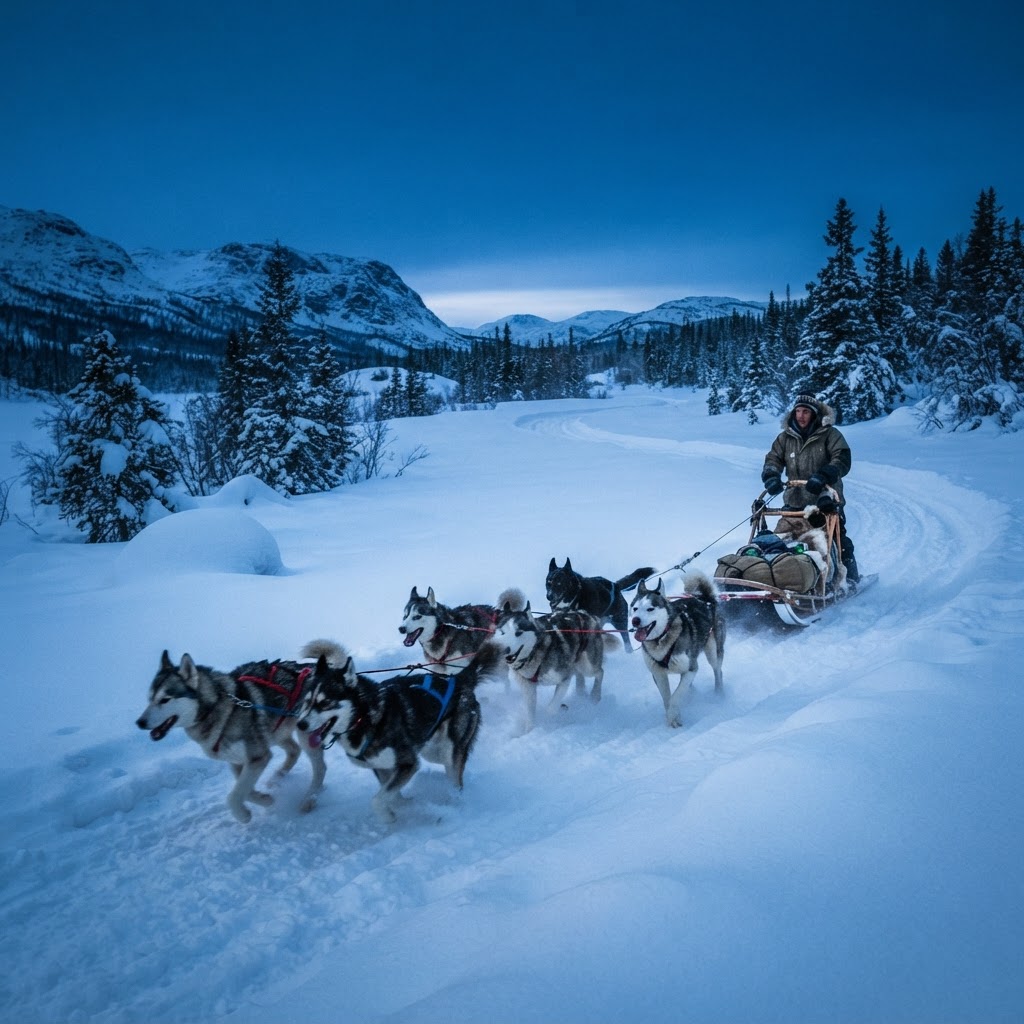
If winter in Norway hits different, it is largely because of the concept of ‘kos,’ a cultural pillar focused on creating well-being, intimacy, and satisfaction during the dark months. Norwegians do not hide from the cold; they lean into it by creating warm, inviting spaces through lighting, textures, and comfort food. In the winter, you will find candlelit cafes, wool blankets in every chair, and crackling fireplaces in nearly every hotel lobby. After a day of snowshoeing or sledding, retreating to a cabin for a traditional meal is the ultimate experience. Eating hearty stews, freshly baked cinnamon buns (skillingsboller), and locally caught fish becomes a cherished daily ritual. Research suggests that embracing the concept of ‘kos’ significantly lowers stress levels for travelers, effectively combatting the “winter blues” often associated with shorter daylight hours. By prioritizing warmth and social connection, visitors can transform the biting Arctic air into a backdrop that makes indoor comfort feel more rewarding and authentic than in any other season.
Top Winter Activities for Every Traveler
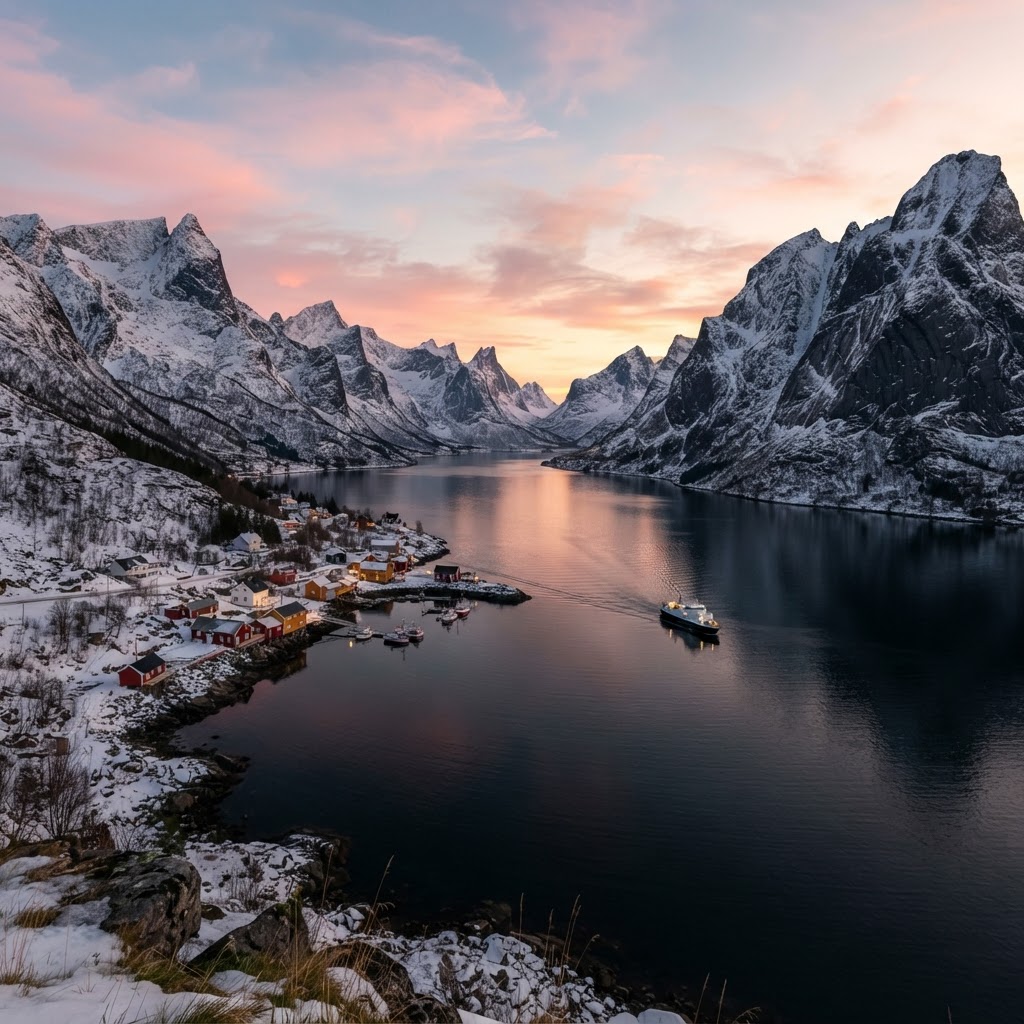
Norway offers a massive array of activities that take advantage of the snow-covered terrain, catering to both thrill-seekers and those looking for restorative, low-impact adventures. The diversity of the landscape allows for high-adrenaline sports like downhill skiing in the southern resorts, while the Arctic north provides serene, wildlife-focused experiences such as whale watching. When planning, consider the following seasonal activity breakdown for the best regional fit.
The Thrill of Dog Sledding
There is perhaps no better way to explore the Arctic tundra than by dog sled. Working with a team of huskies is an exhilarating experience that brings you closer to the wilderness. As you mush through the frozen mountains, you will feel a profound connection to the ancient traditions of the North.
Winter Fjord Cruises
While the fjords are famous in the summer, they are equally mesmerizing in the winter. Seeing snow-capped peaks plunging into the dark, reflective waters of the Nærøyfjord is a sight that feels prehistoric. Because there are fewer tourists in the winter, the silence of the fjords is absolute and awe-inspiring.
Practicalities: How to Pack and Prepare
Traveling to the Arctic requires careful preparation to ensure you stay safe and comfortable. The weather can change rapidly, and being properly equipped is the difference between a miserable trip and an incredible adventure. Temperatures in the Arctic circle range from -5°C to -20°C (23°F to -4°F) on average, necessitating specialized gear.
The Layering Principle
- Base Layer: Always wear moisture-wicking wool, such as Merino wool, against your skin. Synthetic alternatives lose heat when wet.
- Mid Layer: A thick wool sweater or a fleece jacket provides essential insulation to trap your body heat.
- Outer Layer: A high-quality, windproof, and waterproof parka is non-negotiable to protect against coastal Arctic gales.
- Accessories: Don’t forget wool socks, a warm beanie, and thermal gloves. Ensure your boots are at least one size larger to allow for circulation while wearing thick socks.
Navigating the Arctic Transport
Getting around in Norway during the winter is surprisingly efficient, thanks to the country’s extensive public transit infrastructure. Even in the depths of winter, trains, buses, and ferries continue to run, connecting even the most remote villages to larger urban hubs. For those flying, Widerøe is the primary airline serving the smaller regional airports in the north. If you plan to rent a car, ensure you request one with studded winter tires, which are mandatory for safety on packed snow. Driving on icy, winding coastal roads requires confidence and experience, so many travelers prefer to use the local rail network, specifically the scenic Bergensbanen, which offers breathtaking views of the winter mountains. If you are planning to rent a car, you might also consider adding a scenic coastal road trip to your itinerary to explore iconic routes like the Atlantic Ocean Road. Always check the Norwegian Public Roads Administration website (vegvesen.no) for real-time mountain pass closures before beginning any long-distance drive.
Why This Season Remains Unmatched
Many travelers are intimidated by the idea of traveling to a country with so little sunlight. However, the unique rhythm of the Norwegian winter encourages a different kind of travel—one where you spend more time inside with locals, reflecting on the beauty of nature rather than checking items off a list. It is a slow, intentional travel style that is becoming increasingly rare in our modern world. Furthermore, the winter air in Norway is some of the cleanest on the planet. Breathing in the crisp, cold air while staring at a mountain peak covered in fresh powder is a rejuvenating experience that stays with you long after you return home.
FAQ
Q: What is the coldest month to visit Norway?
February is statistically the coldest month in Norway, with average temperatures dropping well below freezing, especially in the Arctic north. Travelers should pack high-quality thermal layers and wind-resistant outer gear to stay comfortable during this peak winter period.
Q: Can you see the Northern Lights in Oslo?
While it is possible to see the Northern Lights from Oslo during periods of high solar activity, it is rare due to the city’s southern latitude and light pollution. For the best viewing, you should travel north of the Arctic Circle to cities like Tromsø or Alta.
Q: Is driving in Norway during winter dangerous?
Driving in Norway during winter is safe if you are experienced with icy, winding roads and use a vehicle equipped with studded tires. Travelers unfamiliar with Arctic driving conditions should prioritize the national rail network or regional flights to avoid the risks of mountain passes.
Q: What does ‘kos’ mean in Norwegian culture?
‘Kos’ is a Norwegian term for a feeling of cozy well-being, intimacy, and contentment, often found through candlelit settings and social warmth. It represents the cultural habit of embracing the cold, dark winter months by creating inviting indoor environments with friends and family.
Q: What are the daylight hours like in winter?
Daylight hours vary significantly by location; regions north of the Arctic Circle experience the Polar Night with zero sunlight for several weeks. In southern Norway, you can expect roughly 5 to 6 hours of daylight during the winter solstice, characterized by a long, beautiful ‘blue hour.’
Leave a Reply