
The Atlantic Ocean Road is not merely a stretch of asphalt; it is a ribbon of pure magic draped across the wild, untamed coastline of Norway. Often dubbed the most beautiful drive in the world, this eight-kilometer engineering marvel connects the towns of Kristiansund and Molde, hopping between islands via a series of dramatic bridges and causeways. As the North Atlantic waves crash against the rocks and the wind whips across the rugged terrain, travelers find themselves immersed in a landscape that feels both primal and perfectly designed for human discovery.
The Architecture of the Atlantic Ocean Road
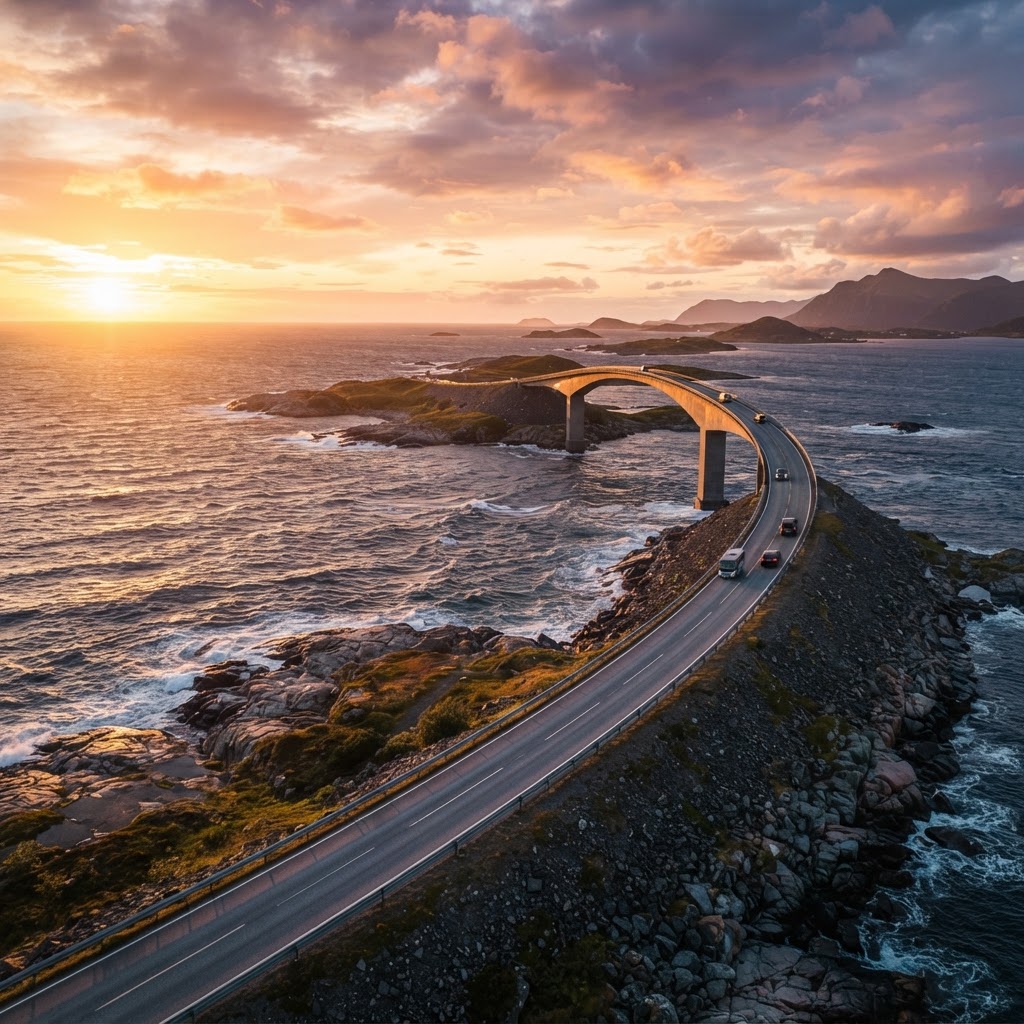
Construction of the Atlantic Ocean Road, known locally as Atlanterhavsvegen, began in 1983 and was completed in 1989. What makes this route so unique is the way the architecture respects the environment while simultaneously conquering it. The road consists of eight bridges that seem to rise from the sea like serpents, carefully navigating the archipelago of Eide and Averøy.
The Iconic Storseisundet Bridge
The centerpiece of the journey is undoubtedly the Storseisundet Bridge. When viewed from specific angles, the bridge appears to disappear into the sky, earning it the reputation as the ‘drunk bridge’ among locals. It is a masterpiece of cantilever construction that offers a heart-pounding experience for drivers who traverse its steep incline while the sea churns beneath them.
Planning Your Ultimate Norwegian Road Trip
To truly experience the magic of the Atlantic Ocean Road, proper planning is essential. While the road itself can be driven in under 30 minutes, most travelers spend an entire day exploring the surrounding islands, hiking the coastal trails, and pausing at the numerous viewpoints provided by the Norwegian Public Roads Administration.
When to Visit for the Best Experience
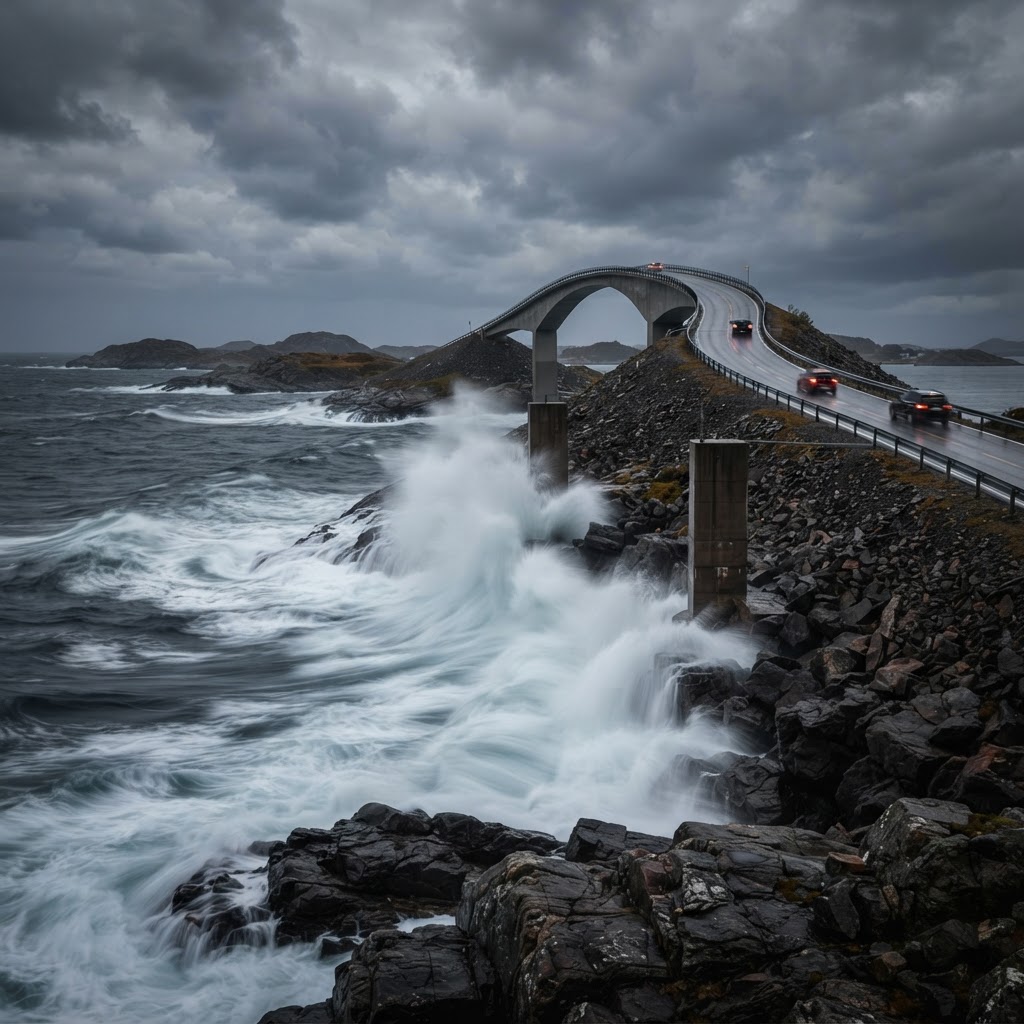
Summer months, specifically from June to August, offer the most reliable weather and nearly 24 hours of daylight. However, if you are a storm chaser, visiting in late autumn can be a transcendent experience. Watching the Atlantic storms collide with the bridge structures is a powerful display of nature’s fury that few places on earth can replicate.
Essential Packing List
- Windproof and waterproof clothing
- Sturdy hiking boots for island exploration
- High-quality camera with weather sealing
- Extra memory cards for landscape photography
- A reliable GPS unit for navigation
Nature and Wildlife Encounters
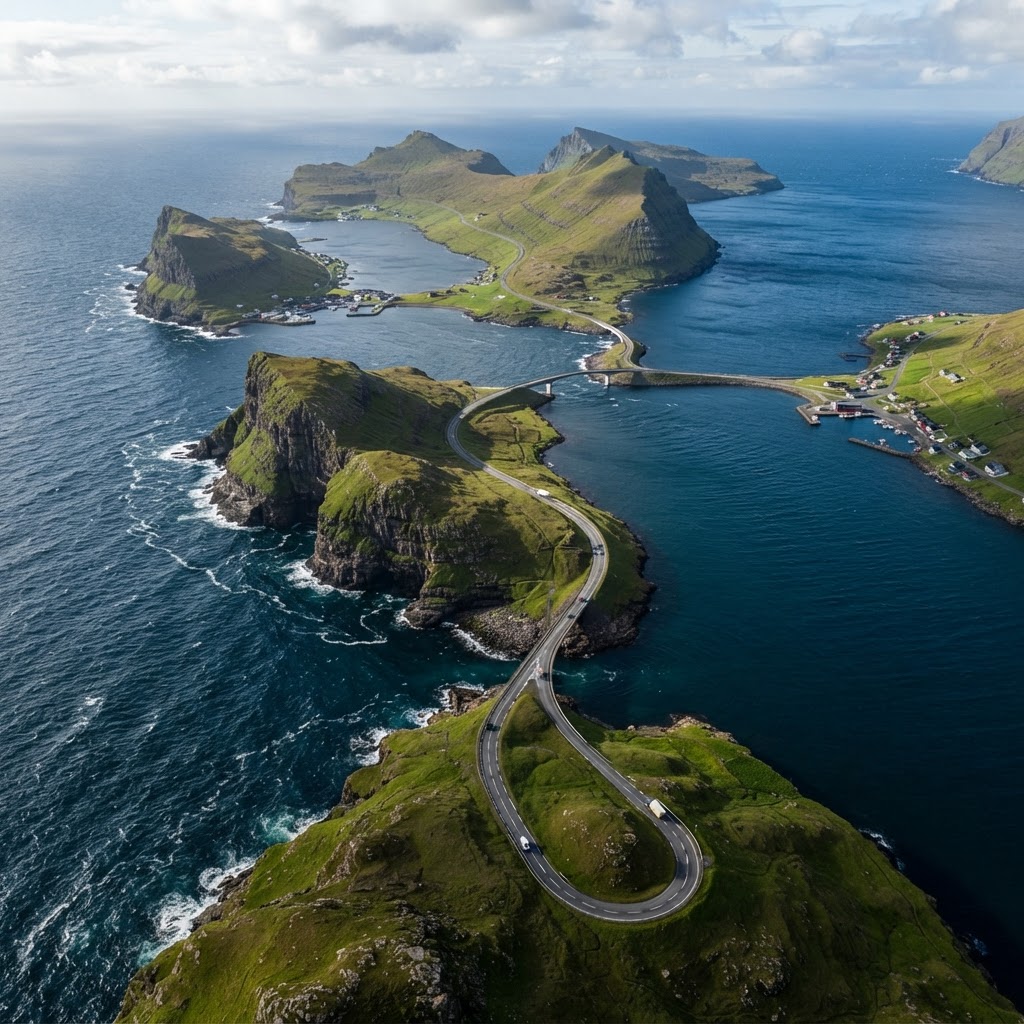
Beyond the steel and concrete, the region surrounding the Atlantic Ocean Road is a sanctuary for marine and avian life. The coastal waters are rich with fish, making them a premier destination for local fishermen and enthusiasts. It is not uncommon to see seals basking on the rocky outcrops or sea eagles soaring high above the turbulent water, scouting for their next meal.
Diving Into the Deep
The underwater landscape is as dramatic as the one above. The currents created by the archipelago provide a nutrient-rich environment for kelp forests and diverse marine species. Many visitors bring along fishing gear to catch their own dinner, which is a quintessential part of the Norwegian coastal lifestyle.
Cultural Significance and Local History
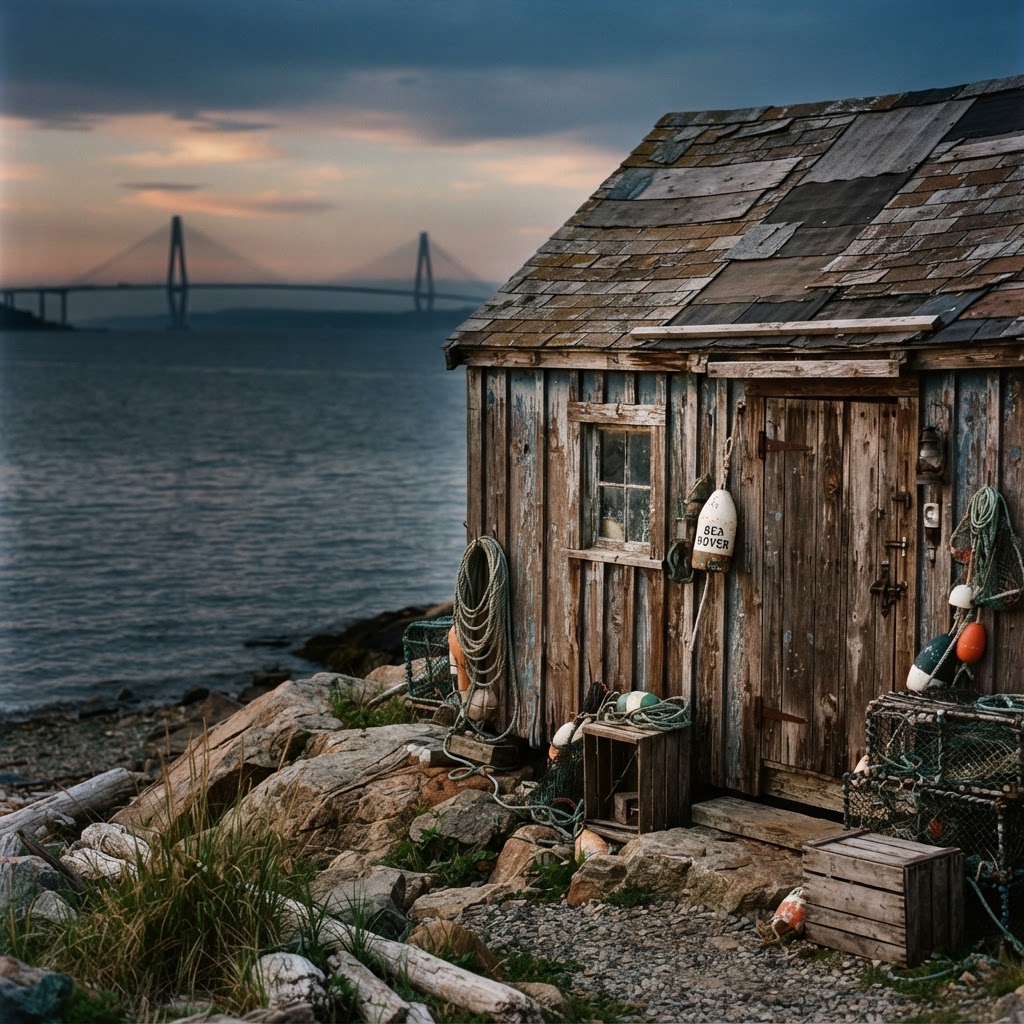
Before the road was constructed, the islands were isolated, relying solely on ferries to connect with the mainland. The realization of this project transformed the region’s economy and accessibility. Today, the road serves as a vital artery for the local fishing industry and a massive tourism draw, highlighting how infrastructure can preserve rural heritage while inviting the world to witness it.
Exploring Nearby Villages
The villages of Averøy and Eide offer a glimpse into authentic Norwegian life. Visit the Kvernes Stave Church, a historic wooden structure that dates back to the 14th century, or stop at a local seaside café to enjoy freshly caught cod or salted herring. These stops provide a necessary balance to the adrenaline-fueled drive, grounding you in the rich history of the North Sea.
Photography Tips for Aspiring Creators
Capturing the majesty of the Atlantic Ocean Road requires patience and an eye for composition. Because the weather changes rapidly, the light shifts from soft, golden hues to dramatic, moody grays in minutes. Always keep your camera ready, as the best photo opportunities often appear when you least expect them.
Finding the Perfect Angle
- Use the bridges as leading lines to guide the viewer’s eye toward the horizon.
- Include foreground elements like tide pools or moss-covered rocks to add depth.
- Use a tripod during sunset to capture the movement of the waves against the static bridge piers.
- Utilize wide-angle lenses to emphasize the scale of the landscape.
Safety and Driving Regulations
Driving in Norway is generally safe, but the conditions on the Atlantic Ocean Road can be challenging. The road is prone to strong winds, and during winter, ice can form quickly on the bridges. Always observe the speed limits and be mindful of pedestrians who may be walking along the dedicated footpaths.
Navigating the Road Safely
- Keep headlights on at all times, as per Norwegian traffic laws.
- Watch for cyclists, as the route is a popular destination for long-distance bike touring.
- Park only in designated areas to ensure you don’t block traffic or damage fragile vegetation.
- Pay attention to weather warnings, especially during the shoulder seasons.
Comparison of Coastal Drives
Conclusion
The Atlantic Ocean Road remains a testament to human ingenuity and the enduring power of the North Atlantic. Whether you are driving it under the midnight sun or watching waves crest over the guardrails during a storm, the experience is profoundly moving. It reminds us that we are small, yet capable of building structures that harmonize with the wildest parts of our planet. If you have not yet added this Norwegian wonder to your travel bucket list, there has never been a better time to plan your visit.
Are you ready to witness the majesty of Norway for yourself? Start booking your Nordic adventure today and prepare for the road trip of a lifetime along one of the world’s most spectacular coastlines.
Practical Insights for the Modern Traveler
You might think driving eight kilometers is a quick errand, but that approach ignores the spirit of the route. Most visitors treat this road as a bridge between cities, but you should treat it as a destination. Give yourself at least six hours to enjoy the stops and the local pace. If you rush through the experience in thirty minutes, you will miss the soul of the coast.
Avoiding the Cruise Ship Rush
The road becomes crowded when cruise ships dock in nearby Molde or Kristiansund. These massive vessels discharge hundreds of tourists into tour buses that clog the narrow pull-offs. Check the cruise ship schedule online before you set out in the morning. Start your drive early, ideally before 9:00 AM, to enjoy the quiet solitude of the coast. This gives you a two-hour head start on the crowds.
The Art of the Pit Stop
Many travelers pull over at the first sight of the ocean, but the best views require patience. The Eldhusøya rest area is the most underrated spot on the entire drive. It features an elevated steel walkway that snakes through the landscape without harming the fragile vegetation. Park your car here and spend forty minutes walking the path. You will get a much better perspective on the scale of the bridges than you would from a car window.
Budgeting for Your Norwegian Adventure
Norway is famously expensive, but the Atlantic Ocean Road itself is mostly free. You only need to pay for fuel and the occasional ferry connection if you are exploring the wider region. Expect to spend about 800 to 1,200 NOK per day for a rental car including insurance. Food costs add up quickly, so I recommend visiting a local ‘REMA 1000’ grocery store in Molde. Buy bread, brown cheese, and fruit for a picnic lunch on the rocks. Eating out at a restaurant every meal will easily double your daily budget.
A Three-Day Itinerary Recommendation
Do not just drive the road and leave. Base yourself in Averøy for two nights to experience the local lifestyle. Spend your first morning driving the road in both directions to catch the light from different angles. Use your second day to visit the Kvernes Stave Church, a hidden gem built in the 14th century. Dedicate your final afternoon to a boat trip out of Kristiansund to hunt for Atlantic cod. This pace allows you to absorb the landscape rather than simply consuming it.
Common Mistakes to Avoid
- Driving only once: The road feels completely different when you drive it from Kristiansund toward Molde versus the other way around.
- Ignoring the wind forecast: If the wind speed exceeds 15 meters per second, walking the bridges becomes dangerous and unpleasant.
- Staying in the cities: Skip the big hotels in the city centers. Look for ‘rorbuer’ or traditional fishermen cabins along the coast for a truly authentic sleep.
- Failing to bring physical maps: GPS signals can fluctuate in the deep fjords. Keep a physical road map in your glove box as a backup.
Essential Pre-Trip Checklist
- Download offline maps for the Møre og Romsdal region.
- Book your rental car at least two months in advance to secure a reasonable rate.
- Pack a thermos for hot coffee; there is nothing better than a warm drink while watching the sea.
- Verify your rental company allows travel on all planned ferry routes.
Frequently Asked Questions
Is the Atlantic Ocean Road safe during the winter?
It is generally open, but safety depends entirely on the specific weather conditions of the day. Snow and ice make the steep gradients of the bridges treacherous, and authorities will close the route during severe storm warnings. Always check the official Statens vegvesen traffic reports before leaving your hotel.
Are there any hidden costs I should prepare for?
The road itself does not charge a toll, but your journey to reach it often involves ferries. These ferries charge by the car, not by the passenger. Have a credit card ready, as many of these vessels no longer accept cash payments. Budget an extra 300 NOK per ferry crossing to be safe.
Should I rent an electric car for this trip?
Norway has the world’s best charging infrastructure, making an EV an excellent choice for this drive. Most hotels in the area offer destination charging, so you can top up your battery overnight. Just ensure your car has enough range to handle the hilly terrain, which consumes more power than highway driving.
Leave a Reply