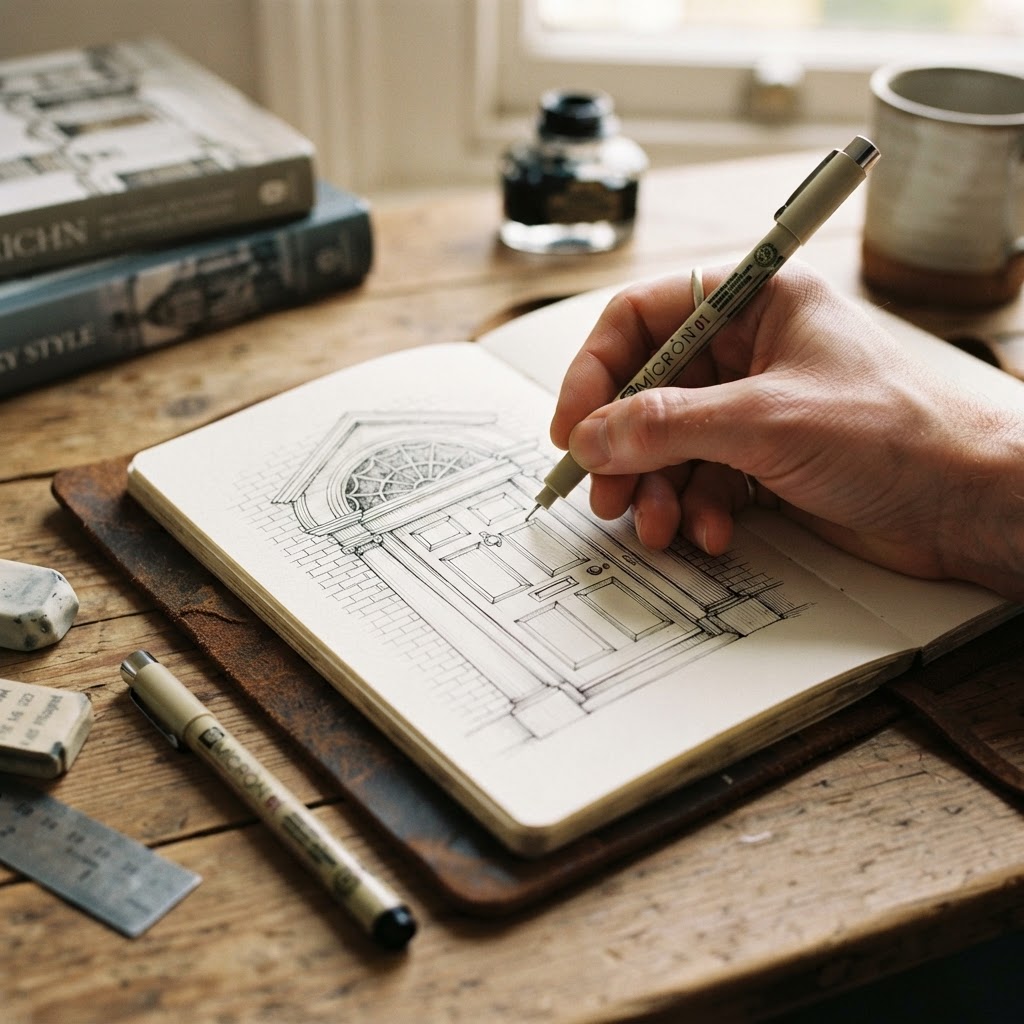
Creating Dublin aesthetic doodles is a simple and rewarding process that involves breaking down iconic Irish architecture and street scenes into basic geometric shapes and fine ink lines. By using minimalist drawing techniques, beginners can easily capture the charming essence of Georgian doors, cobblestone streets, and historic landmarks in their own personal sketchbooks and journals.
Getting Started with Dublin Aesthetic Doodles
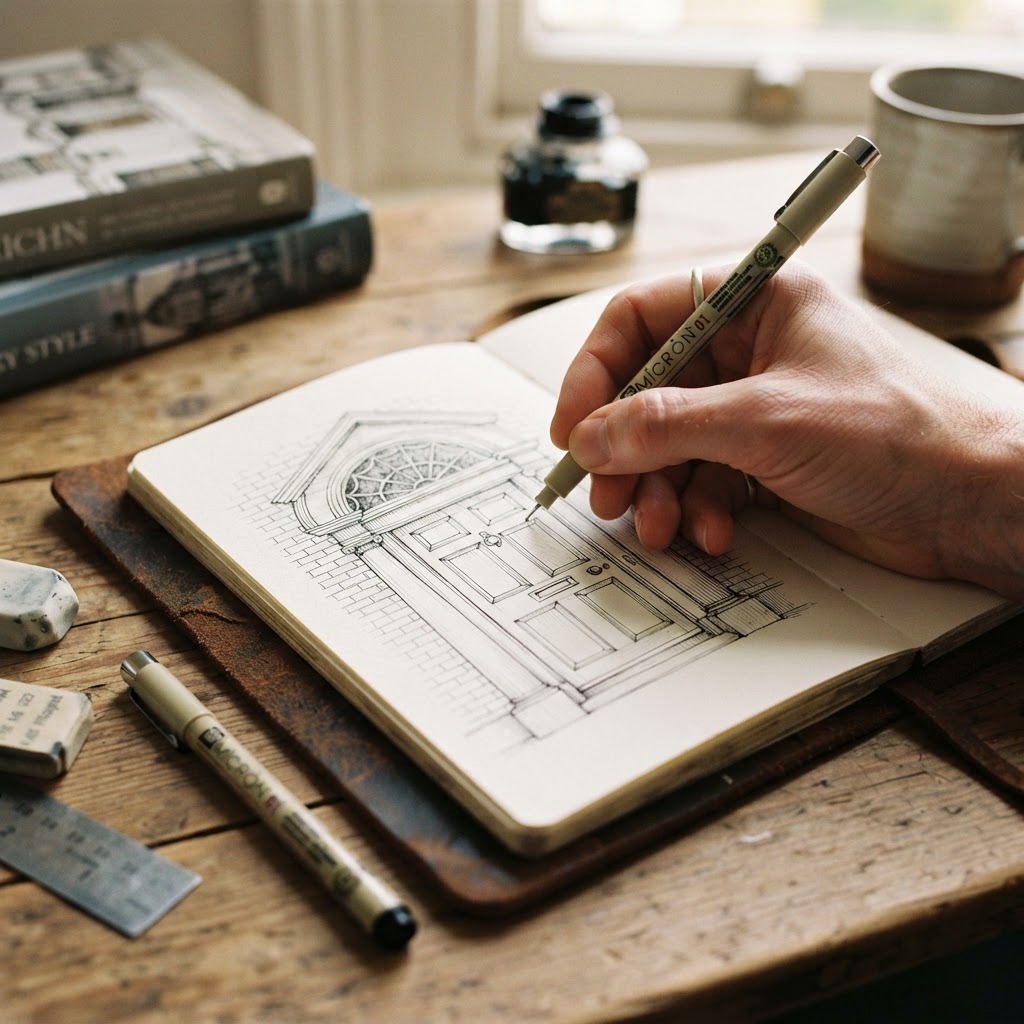
Starting your journey into Dublin aesthetic doodles requires only a few basic supplies and a willingness to observe the unique character of the city. You do not need expensive equipment to begin; a simple fine-liner pen, a sketchbook, and a pencil for initial rough layouts are more than enough to capture the spirit of Dublin’s urban landscape.
Essential Tools for Ink Sketching
To begin your practice, prioritize a waterproof fine-liner pen, such as a 0.3mm or 0.5mm nib, which allows for crisp, clean lines that won’t smudge if you decide to add watercolor later. Choose a sketchbook with heavy-weight paper, ideally around 140gsm, to prevent ink bleeding or tearing when you use erasing techniques. A standard HB pencil is perfect for mapping out the proportions of Dublin’s famous townhouse facades before committing to permanent ink lines.
Preparing Your Workspace
Find a quiet space with plenty of natural light where you can focus on the rhythmic motion of your pen. Beginners often find success by starting with small, manageable subjects like a single colorful Georgian door or a decorative lamppost. By focusing on these smaller elements, you avoid the overwhelm of attempting an entire cityscape, making the learning process far more approachable and enjoyable.
Capturing the Iconic Georgian Doorways
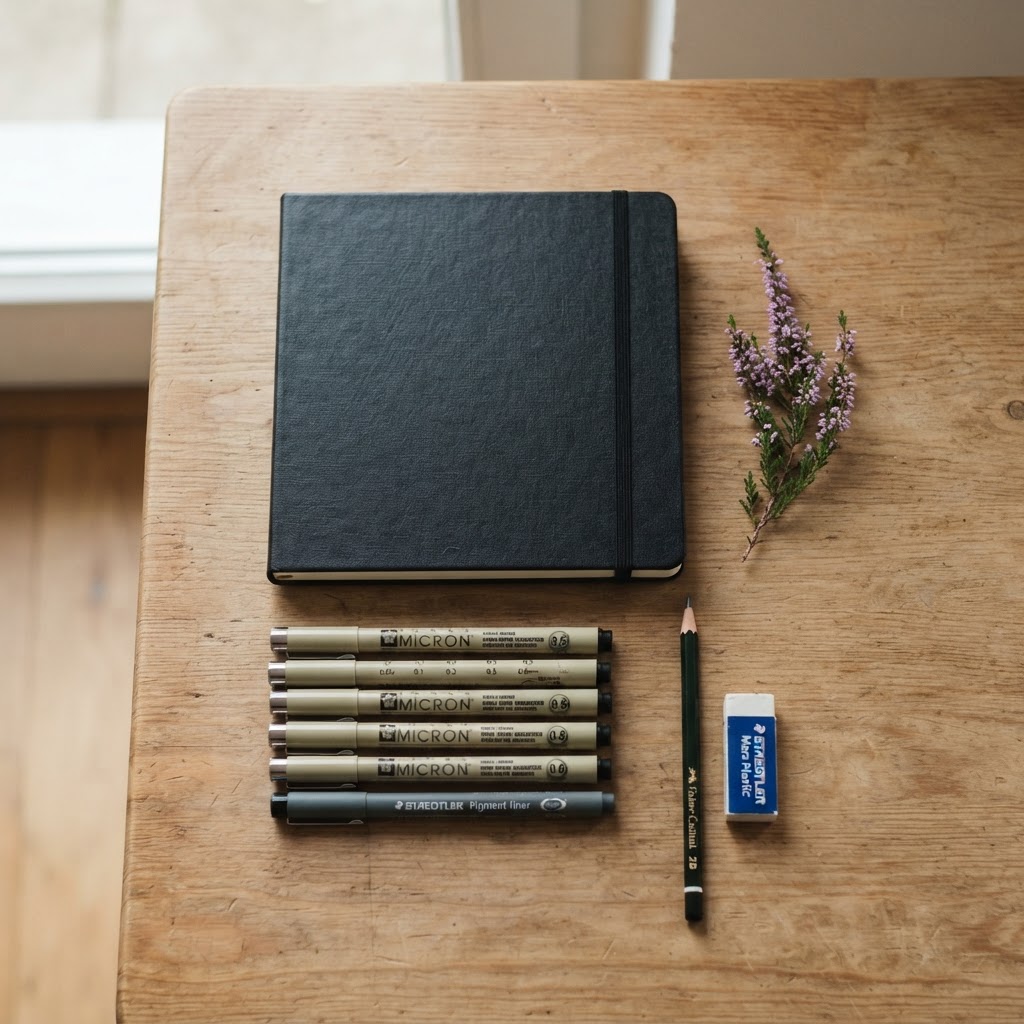
Georgian doors are perhaps the most recognizable feature of Dublin, making them the perfect subject for your first series of pen and ink art for beginners. The key to drawing these doors is focusing on the contrast between the rectangular frame and the intricate, semi-circular fanlight window found above almost every historic entrance in the city.
Step-by-Step Door Illustration
First, sketch a vertical rectangle to represent the door frame, then add a smaller rectangle inside for the door itself. Next, draw a semicircle above the main frame for the fanlight, adding short, radiating lines to represent the glass panes. Finally, use your fine-liner to trace your pencil lines, adding heavier pressure at the base of the door to suggest weight and shadow, which instantly adds depth to your drawing.
Mastering Cobblestones and Texture
Adding texture is essential when creating Dublin aesthetic doodles because it conveys the weathered, historic feel of the city’s ancient streets. Instead of drawing every single stone, focus on suggesting the presence of cobblestones by varying your line weight and using irregular, rounded shapes across the bottom of your page.
Techniques for Urban Textures
Try using a stippling technique, which involves creating small dots with your pen to indicate uneven surfaces or dirt buildup near the edges of buildings. By concentrating these dots in crevices and gaps, you create a natural shadow effect that makes your drawings look professional and sophisticated without requiring complex shading skills.
Sketching Historic Landmarks with Ease
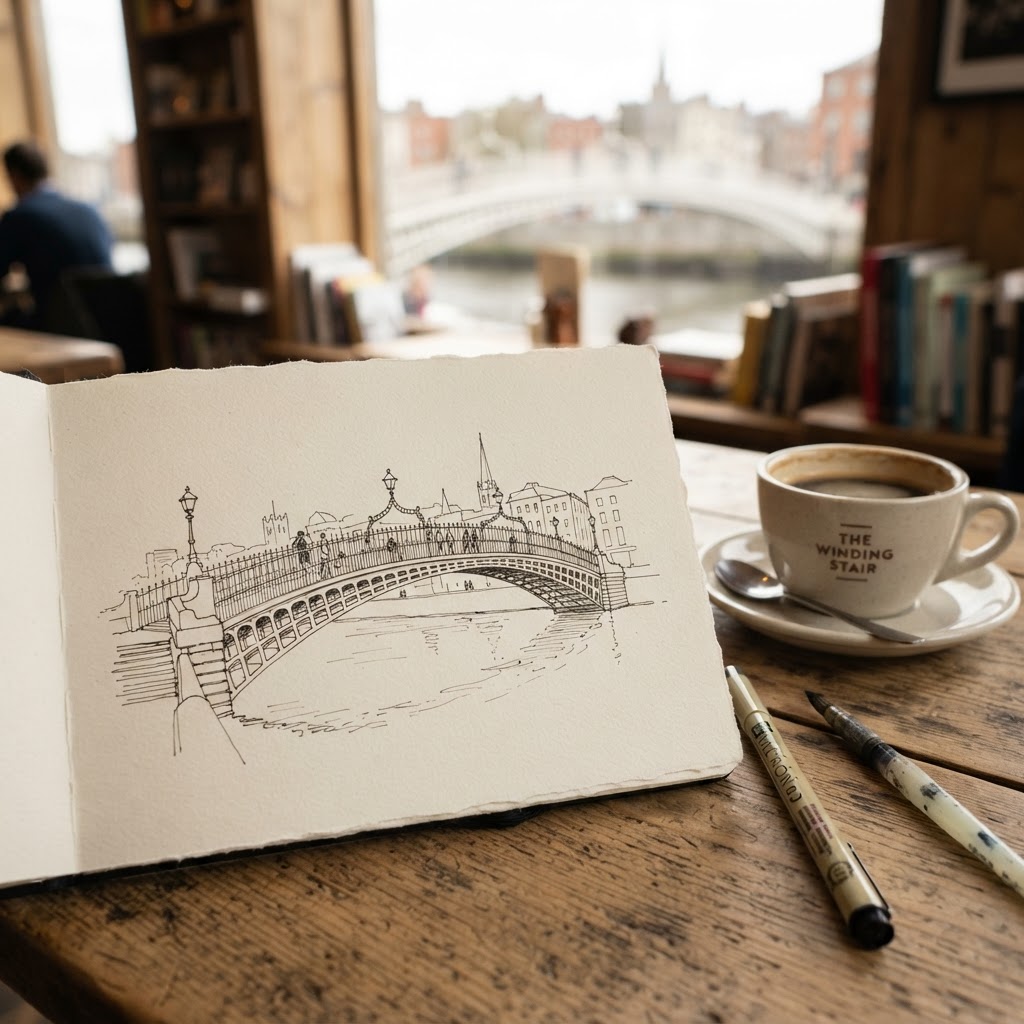
When sketching landmarks like the Ha’penny Bridge or Trinity College, simplify complex structures into basic shapes like triangles, rectangles, and arches. By viewing these iconic buildings as a collection of simple geometry, you can overcome the intimidation of complex architecture and create clean, readable sketches that capture the landmark’s silhouette.
The Geometric Approach
For the Ha’penny Bridge, start by drawing a wide, shallow arch, then place a series of vertical lines on top to represent the ornate railings. Keep the details sparse, focusing only on the most recognizable features, as over-detailing can clutter the aesthetic of a simple pen drawing.
Comparing Sketching Styles
To help you refine your technique, it is useful to compare how different artistic approaches impact the look and feel of your Dublin aesthetic doodles. The following table highlights the differences between common styles you might choose to adopt.
Adding Life to Your Dublin Scenes
Your drawings become much more engaging when you incorporate elements of daily life, such as cyclists, pedestrians, or even the iconic Dublin seagulls. A simple “V” shape can represent a bird in the distance, while a few vertical strokes can suggest a person walking, providing scale and context to your architectural sketches.
Including Human Elements
Draw figures with simple shapes rather than realistic anatomy to keep the look consistent with your minimalist aesthetic. A small oval for a head and a few angular lines for limbs will suffice, allowing the viewer’s eye to focus on the environment while still acknowledging the presence of people in the city.
FAQ
Can beginners really learn Dublin aesthetic doodles?
Yes, beginners can easily master this style by breaking complex Dublin architecture down into simple geometric shapes and practicing consistent, fine-liner strokes. With regular practice, anyone can develop the observation skills necessary to capture the city’s charm on paper.
What pens are best for this drawing style?
Waterproof pigment fine-liners are the best choice for this style because they provide crisp lines and allow for the potential addition of watercolor or ink washes later. Sizes 0.3mm and 0.5mm are ideal for most beginner projects as they offer a good balance between precision and line weight.
How long does it take to get good at architectural sketching?
While you will notice significant improvements after just a few weeks of consistent daily practice, developing a personal style is a continuous process that matures over several months. Focus on consistency rather than perfection to accelerate your progress and keep your creative energy high.
How do I handle perspective in Dublin street scenes?
Use a simple horizon line to anchor your drawings and ensure that vertical lines remain straight, which is the most important aspect of maintaining architectural accuracy. If perspective feels overwhelming, focus on “flat” elevations, such as sketching a single building front head-on rather than a wide-angle corner view.
Conclusion
Mastering Dublin aesthetic doodles is a wonderful way to document your love for Irish culture while building a relaxing, creative habit that fits easily into a busy schedule. By focusing on simplified shapes, clean lines, and the unique textures of the city, you can create beautiful artwork that reflects your own perspective of Dublin. Start today by grabbing your pen, picking a local landmark or a charming door, and letting your creativity flow onto the page. Happy sketching!
Leave a Reply