Cozy Ireland Hiking Outfits: Cute & Practical Layers
The optimal Ireland hiking outfit requires a three-layer system consisting of a moisture-wicking base layer, a thermal mid-layer, and a high-performance waterproof shell with a minimum 10,000mm hydrostatic head rating. This strategic layering ensures you remain dry and comfortable while navigating Ireland’s unpredictable “four seasons in one day” weather patterns.
Mastering the Art of Irish Layering
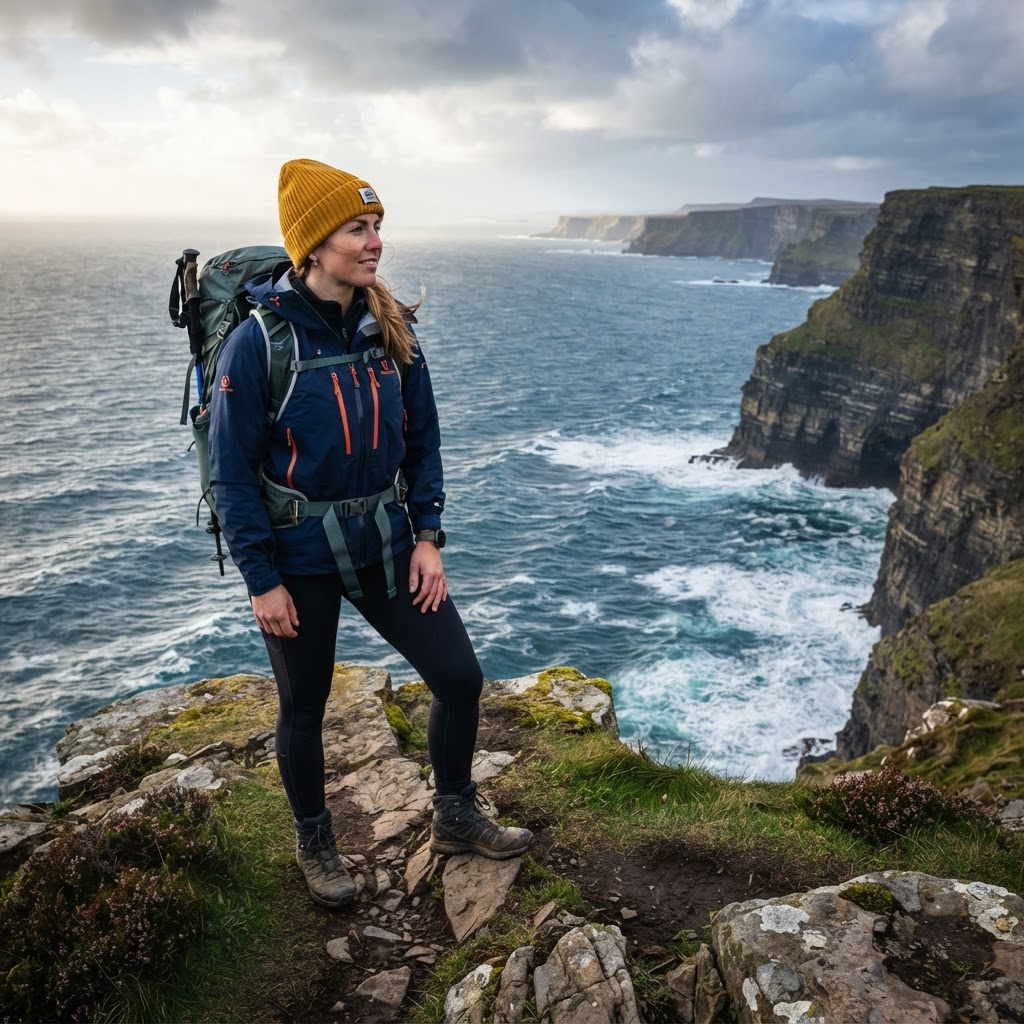
Layering is the golden rule when considering what to wear hiking in Ireland because the climate can shift from brilliant sunshine to heavy mist in minutes. Start with a moisture-wicking synthetic or merino wool base layer that pulls sweat away from your skin, preventing that chilled feeling during rest stops. Merino wool is particularly effective because it maintains thermal regulation even when damp and possesses natural antimicrobial properties. Over this, add a lightweight fleece or a packable down vest to trap body heat effectively. Having versatile pieces allows you to peel off or add on layers as you ascend the mountains or walk along the coastal paths. For temperatures ranging from 8°C to 15°C, a medium-weight fleece paired with a long-sleeve synthetic base provides the ideal balance of breathability and warmth without causing overheating during strenuous climbs.
The Essential Waterproof Shell
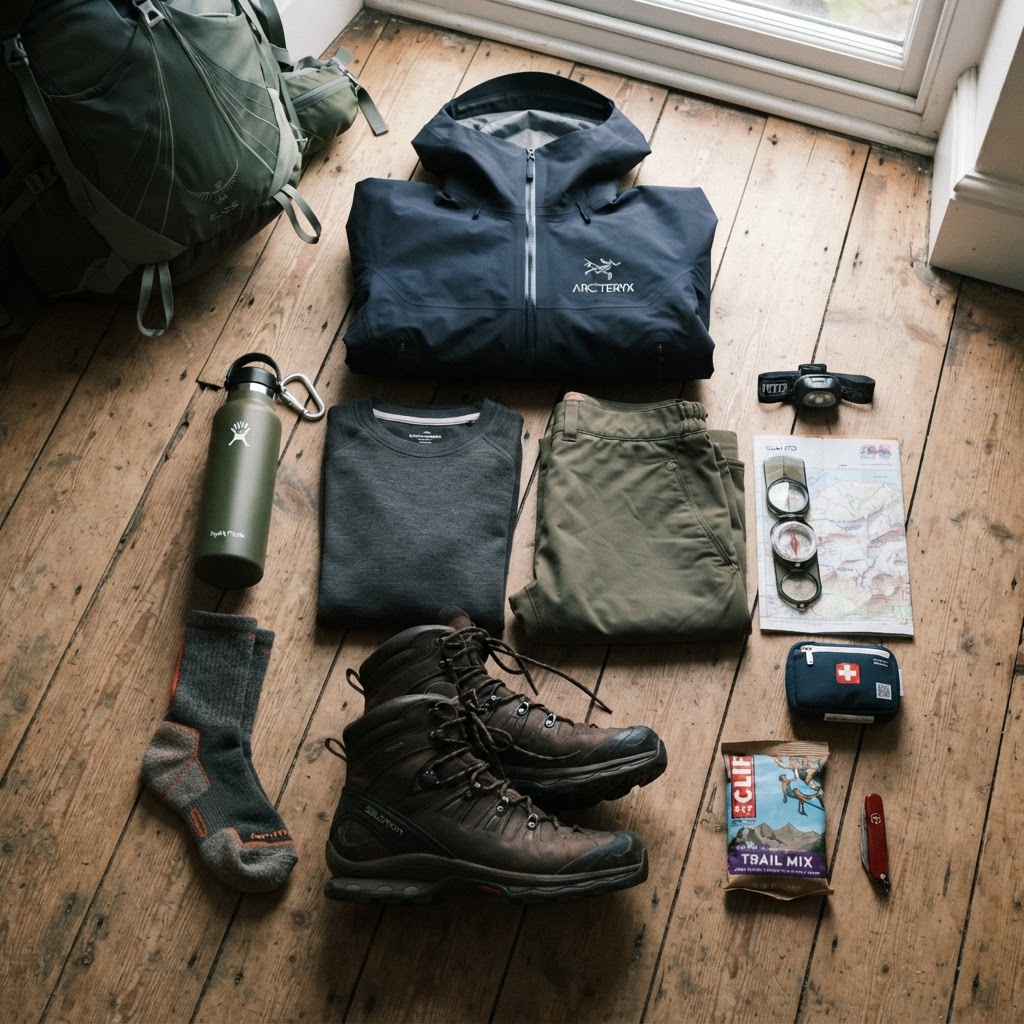
No matter the season, your outer layer is the most critical piece of waterproof hiking gear you will pack for the Irish climate. Invest in a jacket with a high hydrostatic head rating—at least 10,000mm to 20,000mm—to ensure it handles the sideways, persistent rain typical of the Wild Atlantic Way. Look for technical features like fully taped seams, an adjustable storm hood with a stiffened peak to protect your vision, and pit zips for ventilation during high-exertion segments. A long-line shell can also provide extra coverage for your thighs, which is a game-changer when waiting for a bus or taking a break on a wet rock. In terms of investment, budget between €150 and €300 for a quality hardshell; these premium garments offer superior breathability ratings (measured in g/m2/24h) compared to basic rain ponchos, which often trap moisture inside against your clothing.
Choosing the Right Footwear
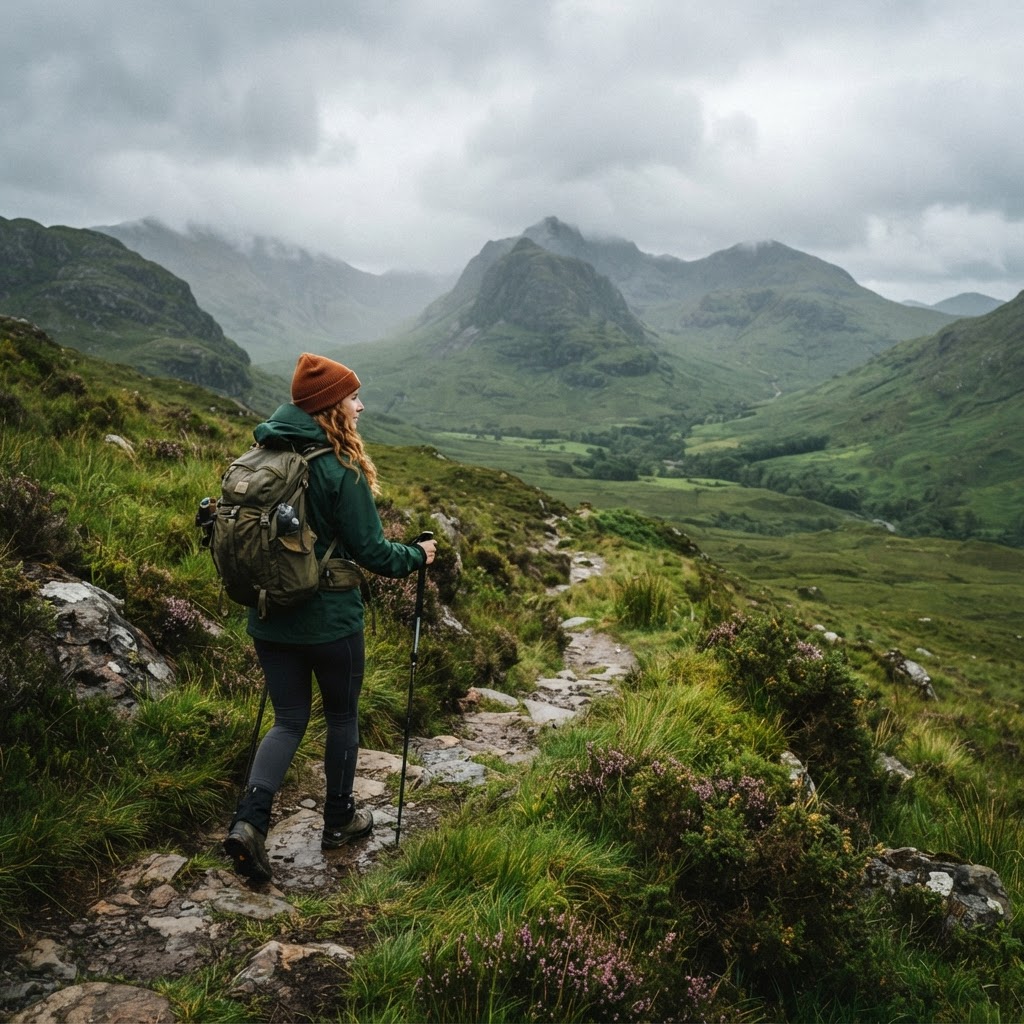
Your footwear choice can make or break your hiking experience, especially in the boggy, peat-heavy, and uneven terrain found across Ireland. Sturdy, waterproof hiking boots with excellent ankle support are highly recommended for rocky, technical trails like those found in the Wicklow Mountains or MacGillycuddy’s Reeks. If you prefer a lighter feel for maintained paths, ensure your trail runners feature a Gore-Tex membrane to keep your feet dry against damp grass. Always pair your boots with high-quality merino wool socks; they offer natural odor resistance and excellent cushioning to prevent blisters during long treks. For muddy conditions, consider adding gaiters to keep muck and water from entering the top of your boots, effectively protecting your socks from moisture buildup throughout the day.
Comparing Irish Hiking Terrain
Stylish Trekking Apparel for Photos
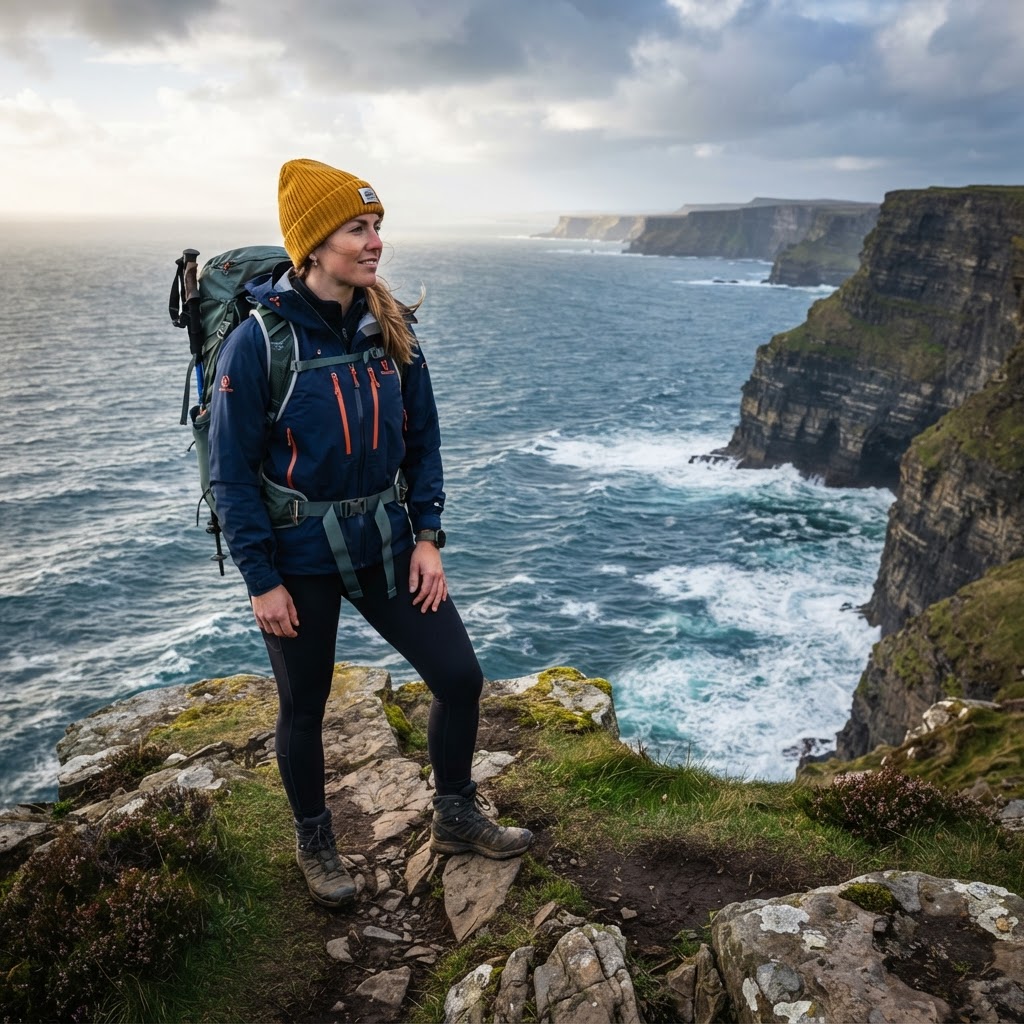
Functionality doesn’t mean you have to sacrifice your personal style while exploring the landscape. You can easily assemble cozy Ireland hiking outfits that look great in photographs by choosing earth-toned base layers that complement the deep greens and slate grays of the Irish scenery. Brightly colored scarves or beanies provide a lovely pop of color against the moody backdrop of the Cliffs of Moher, while fitted soft-shell pants offer a more polished silhouette than baggy trekking trousers. When choosing colors, opt for items in shades of burnt orange, mustard, or deep red; these high-contrast colors stand out significantly against the neutral tones of Irish mountains, ensuring you look vibrant in your travel photography. Furthermore, soft-shell pants often provide a DWR (durable water repellent) finish, offering both a flattering fit and a functional barrier against light mist and wind.
Accessories for Harsh Wind
Accessories are the secret weapon of any experienced hiker in Ireland, providing targeted warmth without the bulk of an extra jacket. A windproof headband or a thermal beanie is non-negotiable, as the coastal winds can quickly cause headaches and ear discomfort, especially near the Atlantic coast where wind speeds frequently exceed 30km/h. Consider bringing a pair of touchscreen-compatible liner gloves, which allow you to operate your camera or phone without exposing your skin to the biting cold. A lightweight neck gaiter is also more practical than a scarf, staying securely in place even during strong gusts. Investing in a high-quality, wind-resistant beanie made with a wind-blocking membrane (like Gore Windstopper) can be the difference between a comfortable hike and a miserable experience in elevated or exposed coastal areas.
FAQ
Is it always raining while hiking in Ireland?
While it rains frequently, it is rarely a constant downpour; weather patterns move quickly, often resulting in “four seasons in one day,” which is why layers are so vital. You should expect light showers followed by sunny intervals regardless of the forecast.
Can I wear jeans while hiking in Ireland?
We strongly advise against jeans, as denim holds moisture, becomes heavy when wet, and dries extremely slowly. This lack of moisture management leads to significant discomfort and an increased risk of hypothermia, even in mild temperatures.
What is the best color for hiking photos in Ireland?
Mustard yellow, burnt orange, or deep crimson look stunning against the lush, dark green landscapes of the Irish countryside. These high-contrast tones ensure your outfits pop against the natural, often moody, backdrop of the Irish mountains and coastlines.
Do I need walking poles for coastal trails?
While not strictly necessary for every trail, poles provide significant stability on slippery, muddy slopes and help save your knees during steep descents. They are particularly beneficial if you are carrying a weighted daypack during longer, multi-hour hikes.
Leave a Reply