
Berlin in 3 Days: The Itinerary Locals Actually Recommend
To experience Berlin like a local in three days, focus on one neighborhood per day: explore the urban grit of Friedrichshain and Kreuzberg on Day 1, the hidden courtyards and art hubs of Mitte and Wedding on Day 2, and the expansive leisure spaces of Tempelhof on Day 3. Avoid tourist traps by prioritizing independent street food and VBB transit passes.
Day 1:
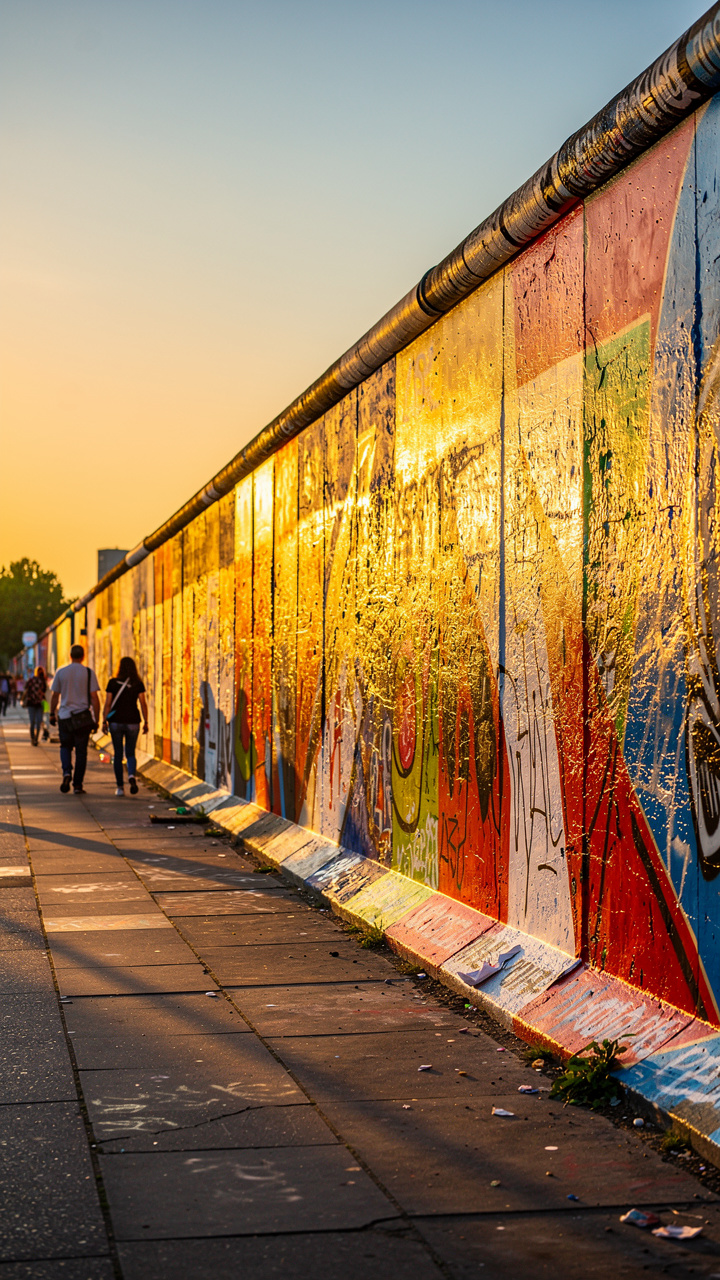
History Beyond the Postcards. Start your morning at the East Side Gallery by walking toward the Spree river side rather than the crowded Ostbahnhof entrance for better photos and fewer crowds. Skip the overpriced gift shops and head straight to the RAW-Gelände in Friedrichshain, a former train repair station now serving as a hub for urban art and alternative culture. Grab a coffee at one of the independent kiosks and walk over the Warschauer Straße bridge to witness the industrial grit that defines Berlin’s unique character.
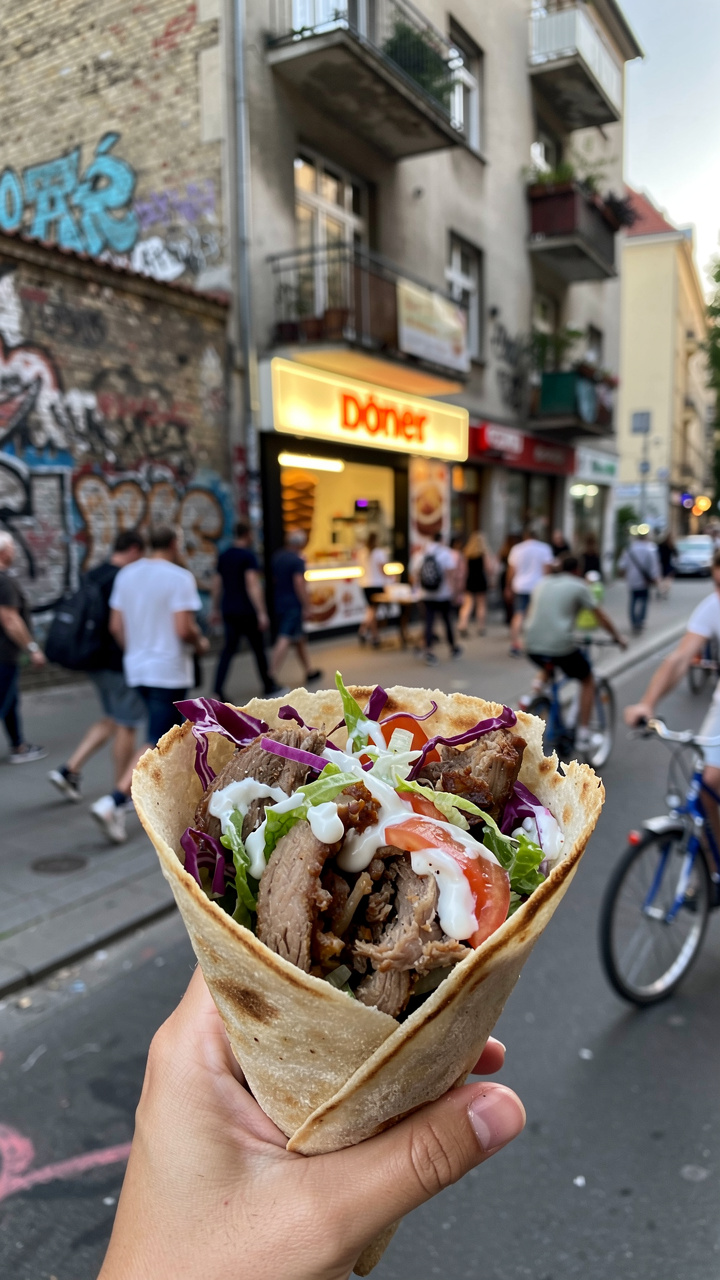
For lunch, skip the sit-down tourist traps and grab a Döner Kebab from a high-traffic stand; while Mustafa’s is famous, any busy stall in Kreuzberg with a line of locals offers the same authentic quality for approximately 6.50 to 8.00 euros. Spend your afternoon at the Topography of Terror, an essential free museum providing a haunting look at the city’s history; allocate at least two hours to fully process the extensive documentation. End your day at a traditional Kneipe in Neukölln, ordering a local beer like Berliner Kindl while sitting outside to observe the neighborhood’s pulse.
Day 2:
Culture and Hidden Corners. Navigate Mitte by avoiding the main shopping arteries and instead wandering through the peaceful Heckmann-Höfe, which offer a far more serene atmosphere than the bustling Hackesche Höfe. For art enthusiasts, prioritize the Boros Collection, a private bunker housing world-class contemporary art; keep in mind that tickets typically sell out 4–6 weeks in advance. If you miss out, the Hamburger Bahnhof, located in a renovated 19th-century train terminal, is an excellent alternative for contemporary art.
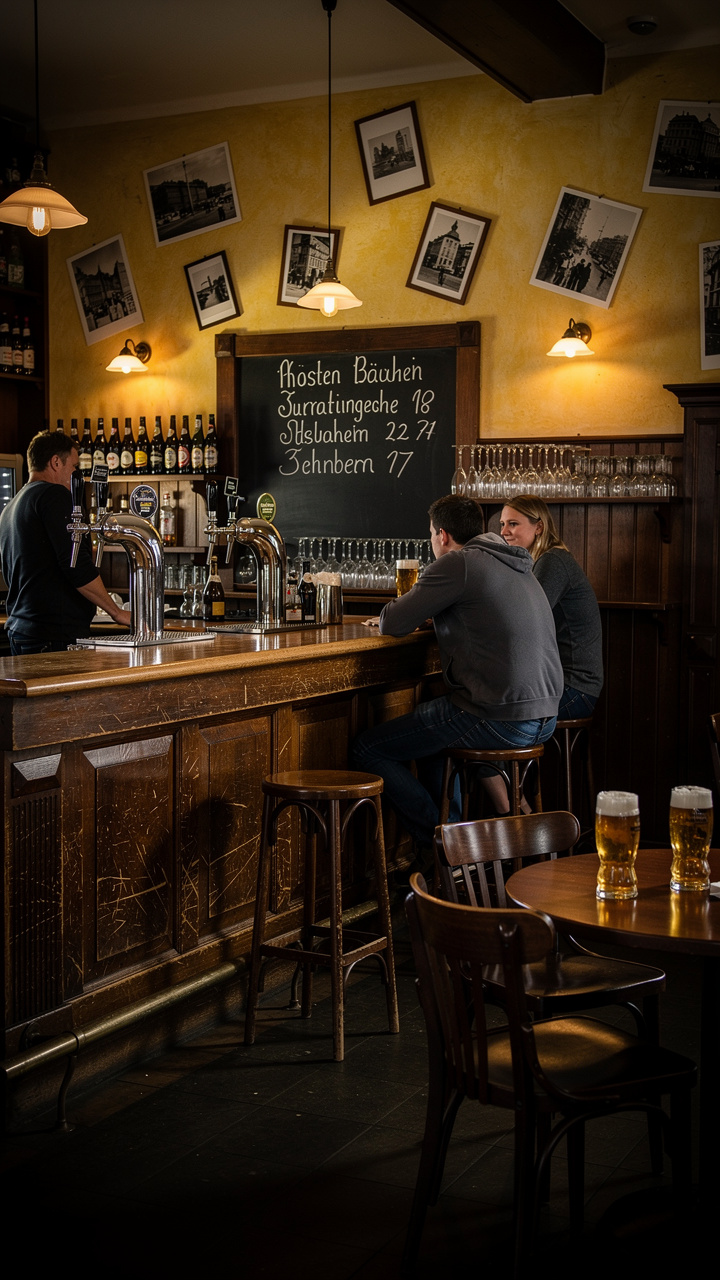
Berlin’s culinary scene is deeply influenced by its large Vietnamese community, making local Vietnamese restaurants in Prenzlauer Berg a superior choice for a quick, flavorful lunch compared to standard German fare. After eating, take the U-Bahn to the Tiergarten park. Rather than following the crowds to the Victory Column, explore the winding trails away from main roads to discover small hidden memorials and quiet ponds. Conclude your evening in Wedding, the city’s last truly authentic neighborhood. Dine at a local Eckkneipe where you can expect to pay under 15 euros for a hearty, traditional meal often listed on a daily chalkboard menu.

Day 3:
The True Berlin Vibe. Experience local weekend culture by visiting a flea market, but bypass the chaos of Mauerpark in favor of the market at Boxhagener Platz for high-quality vintage clothes and local crafts. Engaging with vendors here often provides the best insights into local history and neighborhood evolution. For a midday snack, enjoy a classic Currywurst at a street stand, a quintessential Berlin institution.
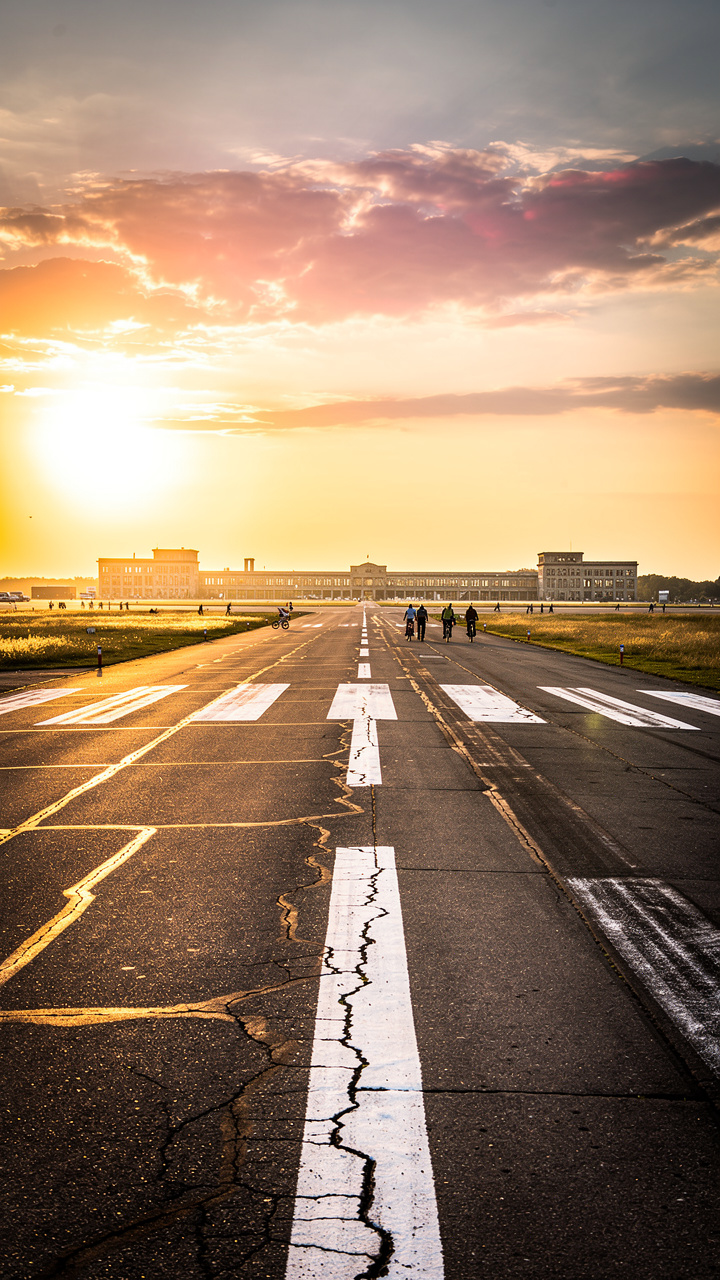
In the afternoon, head to Tempelhofer Feld, a former airport turned public park that offers a surreal, open-air experience unlike any other global capital. Renting a bike for roughly 12 euros is the most efficient way to navigate the massive runways and sprawling green spaces where locals gather to fly kites and skate. For your final dinner, treat yourself to a modern German bistro that sources seasonal ingredients from the surrounding Brandenburg region. Cap off your trip with a craft cocktail in Schöneberg, a district that perfectly balances refined ambiance with the city’s signature relaxed vibe.
Practical Tips for Navigating Berlin Like a Pro.
The most common mistake travelers make is purchasing single-trip tickets, which cost 3.50 euros for a short zone AB ride; this strategy is inefficient for multi-district exploration. Instead, purchase a 24-hour VBB ticket for 9.90 euros to enjoy unlimited access to buses, trams, and trains. While Google Maps is useful, the official BVG Fahrinfo app is essential as it provides real-time updates on construction delays and bus detours that Google often misses. If staying for more than three days, a weekly pass usually pays for itself by the third day of intensive sightseeing.
Additionally, always carry a minimum of 50 euros in cash. While digital payments are growing, many smaller cafes and bars in neighborhoods like Neukölln or Wedding remain strictly cash-only, and relying on local ATMs often results in high transaction fees. Keeping a small emergency stash ensures you are never stranded without a way to pay for a meal or a drink.
Common Mistakes to Avoid.
Avoid the temptation to over-schedule your days, as trying to cram the Brandenburg Gate, Reichstag, and Museum Island into a single four-hour window will result in more time spent on public transit than exploring. Adopting a “one neighborhood per day” philosophy allows for a much deeper immersion in local culture. Furthermore, be mindful of nightlife etiquette; if you plan to visit a techno club, avoid formal or “fancy” clothing. Opting for gym-wear or dark, understated clothing in shades of black is the standard approach to blending in.
Respect local nightlife rules by remaining calm and quiet while waiting in line, as loud behavior is a primary cause for entry rejection. Also, be prepared for mandatory Sunday closures; nearly all supermarkets and retail shops shutter their doors for the day. Ensure you complete your grocery shopping by Saturday evening to avoid being caught without basic supplies. Planning ahead for these nuances ensures your trip is seamless and free from avoidable logistical headaches.
Quick Checklist for Your Trip.
Before departure, ensure you book museum slots at least 14 days in advance, particularly for popular sites like the DDR Museum, which reach capacity quickly. Always print your hotel address in German in case your mobile device loses power or connectivity. Download offline maps for Berlin’s zones to navigate without data, and pack comfortable, waterproof walking shoes, as the city’s historical cobblestone streets can be uneven and unforgiving.
Carry a high-quality reusable water bottle, as Berlin’s tap water is high-quality and free filling stations are becoming increasingly common across the city. Monitor the local calendar for protest dates, as large demonstrations in Kreuzberg can frequently disrupt metro lines and local traffic. Finally, learn basic German pleasantries like ‘Hallo’ and ‘Danke’; while English is widely spoken, these small linguistic gestures go a long way in fostering better service interactions.
FAQ
Q: Is it worth buying the Berlin WelcomeCard?
A: Purchase the Berlin WelcomeCard only if you intend to visit three or more paid attractions per day to maximize value. Most casual visitors find that paying for individual public transport tickets and choosing museums à la carte is a more cost-effective strategy for a three-day trip.
Q: Where is the best place to eat on a budget?
A: For the best budget meals, visit local Imbiss stands for Döner or Currywurst, or explore neighborhood restaurants in Wedding or Moabit. You can frequently find authentic, high-quality main courses in these areas for under 12 euros, significantly lower than prices in the tourist-heavy Mitte district.
Q: Do I need a bike to see Berlin?
A: While you do not strictly need a bike, renting one for roughly 12 euros per day is the superior way to navigate the city. A bike allows you to cover significantly more ground than walking while providing more flexibility and local immersion than traveling exclusively by U-Bahn.
Q: What is the best way to handle cash in Berlin?
A: Keep at least 50 euros in physical cash at all times because many local bars and neighborhood cafes remain cash-only. Relying on ATM withdrawals is generally discouraged due to high service fees, so bring enough cash for the day to avoid these unnecessary costs.
Leave a Reply