
To experience Berlin like a local, abandon the checklist of major landmarks and immerse yourself in one specific neighborhood each day. By prioritizing urban exploration over marathon sightseeing, you can enjoy authentic street food, hidden green spaces, and real nightlife. This three-day itinerary balances essential history with the gritty, creative spirit that defines the city’s modern character.
East Side History and Urban Grit
Start your first morning at the East Side Gallery. Most tourists cluster at the main entrance near Ostbahnhof, where it is crowded and difficult to photograph. Instead, walk toward the Spree river bank. The perspective is better, and you avoid the throngs of tour groups. After viewing the art, skip the overpriced souvenir shops and head directly to the RAW-Gelände in Friedrichshain. This former train repair station now functions as a massive hub for urban art and alternative subculture.
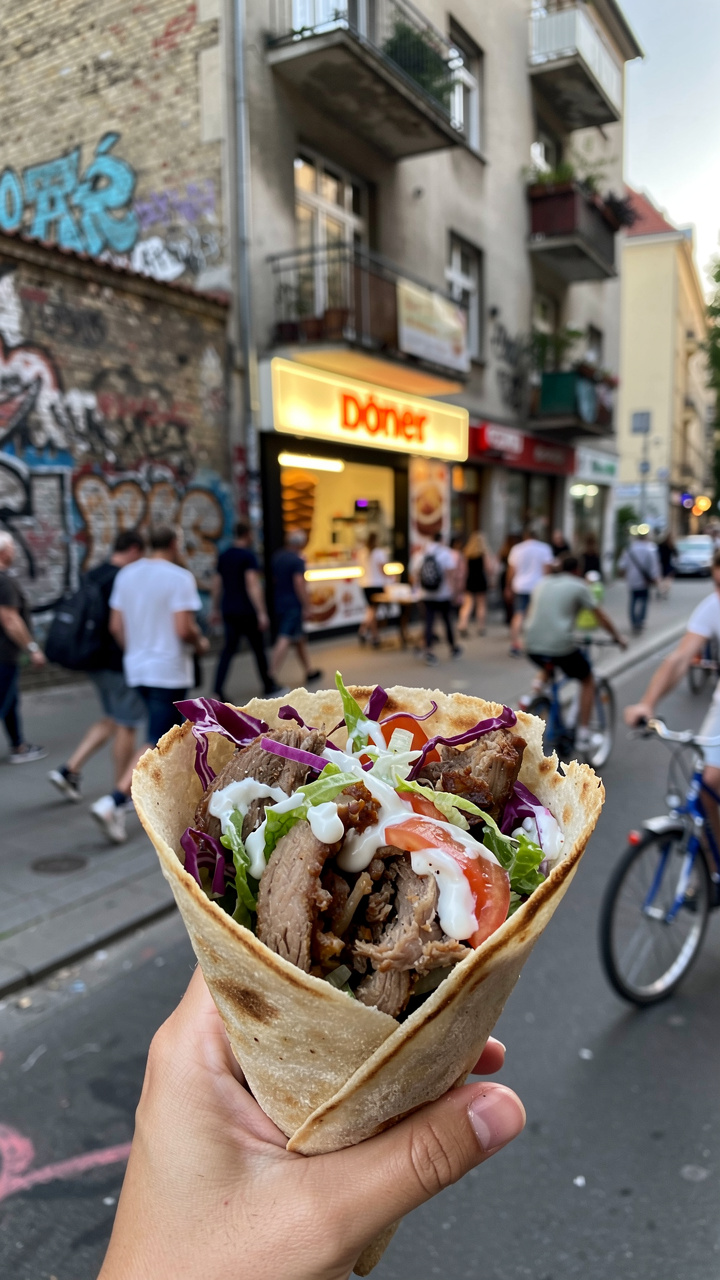
Grab a coffee from an independent kiosk and walk over the Warschauer Straße bridge. This area captures the authentic grit that makes Berlin famous. For lunch, ignore sit-down restaurants that cater to visitors. Find a street-side Döner Kebab stand with a long line of locals. While tourists flock to famous names like Mustafa’s, any busy stand in Kreuzberg typically offers the same quality. Following lunch, dedicate your afternoon to the Topography of Terror. This center provides a haunting, necessary look at the city’s darker history. Do not rush through the documentation; you need at least two hours to absorb the exhibits. End your evening at a traditional Kneipe in Neukölln. Order a local beer, such as Berliner Kindl, and secure an outdoor seat to watch the neighborhood rhythm.
Mitte Culture and Hidden Courtyards
Begin your second day in Mitte, but steer clear of the primary shopping streets. The real charm of the district is found in the interior courtyards. Walk through the Heckmann-Höfe for a quieter, more beautiful experience than the crowded Hackesche Höfe. For a unique cultural experience, try to visit the Boros Collection, a private bunker filled with striking modern art. Remember that you must book your tickets several weeks in advance. If you cannot secure entry, head to the Hamburger Bahnhof. This massive contemporary art museum is housed in a stunning, renovated 19th-century train terminal that provides a far more relaxed atmosphere.
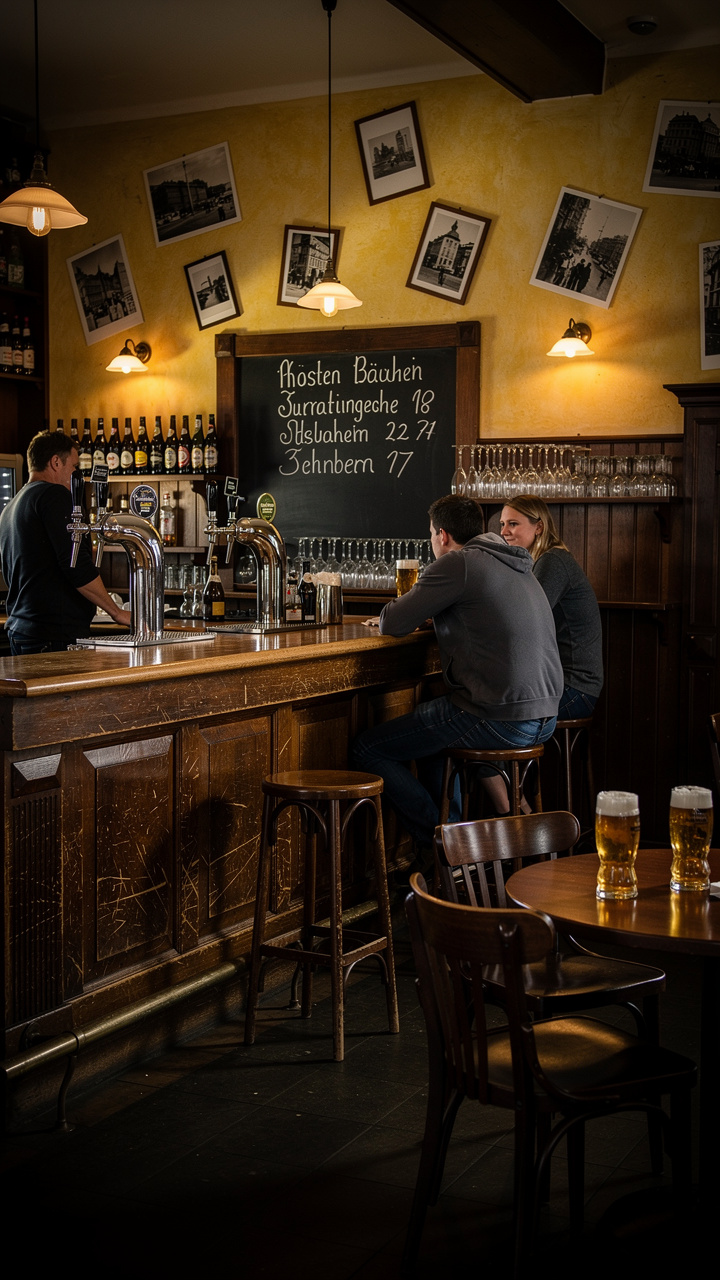
For lunch, avoid German heavy dishes and explore the city’s vast Vietnamese influence, particularly in Prenzlauer Berg. This cuisine is often faster, healthier, and more vibrant than standard local fare for a quick midday break. Afterward, take the U-Bahn to the Tiergarten. Many visitors feel compelled to visit the Victory Column, but you should skip it if you are feeling exhausted. Instead, simply wander the paths away from the main roads. You will find small, hidden memorials and tranquil ponds that most tourists completely overlook. Finish your day in Wedding, arguably the most authentic neighborhood remaining in central Berlin. Dine at a local Eckkneipe, where the menu is written on a chalkboard. You can expect a hearty, traditional meal for well under 15 euros.
Flea Markets and Airport Parks
Dedicate your final morning to the local flea market scene. While Mauerpark is widely known, it often feels too chaotic and overwhelming on Sundays. Instead, visit the flea market at Boxhagener Platz. You will find a superior selection of vintage clothes, unique local crafts, and household treasures. Take the time to talk to the sellers; they often hold the most fascinating stories regarding the neighborhood’s rapid transformation. For a quick brunch, buy a traditional Currywurst from a nearby street stand. It remains a definitive Berlin institution for a reason.
In the afternoon, head to Tempelhofer Feld. This former airport is now a massive, open public park. Rent a bicycle or simply walk across the expansive, surreal runways. You will not find such a vast, open space in any other European capital. Observe how the locals use the space for kite flying, skating, and picnicking. It feels as if the entire city arrives here to decompress. For your final dinner, choose a modern German bistro. Look for establishments that emphasize ingredients sourced from the Brandenburg region. To conclude your trip, find a quiet cocktail bar in Schöneberg. It provides the perfect balance between a classy atmosphere and the relaxed, unpretentious vibe that locals prefer for a late-night drink.
Mastering Berlin Public Transport
The most common error travelers make is purchasing single-trip tickets for the U-Bahn. A single ticket costs 3.50 euros for a short zone AB ride, and these costs accumulate quickly when moving between distant districts. Instead, buy a 24-hour VBB ticket for 9.90 euros. It covers all buses, trams, and trains without restriction.
Download the BVG Fahrinfo app immediately upon arrival. Google Maps is often unreliable regarding construction-related delays or sudden bus detours. The BVG app acts as the official source and provides real-time updates. If you plan to stay for more than three days, consider a weekly pass. It pays for itself after just three full days of active sightseeing. Additionally, always carry a small amount of cash. Many smaller cafes, bars, and independent boutiques in districts like Neukölln or Wedding still refuse card payments. You do not want to be stuck at an ATM that charges high withdrawal fees. Aim to keep at least 50 euros in your wallet at all times to ensure you can pay for food and drinks without searching for an accessible machine.
Avoiding Common Tourist Mistakes
The biggest mistake travelers make is attempting to do too much in a single day. Many people try to cram the Brandenburg Gate, the Reichstag, and Museum Island into four hours. You will inevitably spend all your time on the train and none of it experiencing the culture of the city. Pick one neighborhood per day and stick to that area. You will see significantly more by walking five blocks in a neighborhood than by taking the train across the entire city.
Another common mistake is ignoring the unspoken dress code for Berlin’s nightlife. If you plan on visiting a techno club, do not wear fancy clothes. Dress like you are heading to the gym or doing laundry. Black is consistently the safest color choice. Being loud or overly friendly in the entry line will likely get you rejected. Keep your demeanor cool and understated. Finally, do not ignore the Sunday store closures. Almost all shops and supermarkets close on Sundays. Plan your grocery needs on Saturday, or you will find yourself searching desperately for a gas station just to buy water. If you forget to prepare, small shops inside major train stations like Ostbahnhof or Hauptbahnhof remain open for emergencies.
Essential Trip Preparation
Before you leave home, verify that you have completed these tasks. Book your museum slots at least 14 days in advance. Most major galleries, such as the DDR Museum, fill up very quickly during peak seasons. Print your hotel address in German in case your phone battery dies or you lose your internet connection. Download offline maps for all Berlin zones to ensure you can navigate without data.
Pack comfortable walking shoes that are specifically waterproof. Berlin pavements can be remarkably uneven, and you will encounter many cobblestoned streets that ruin thin-soled shoes. Bring a reusable water bottle. Berlin tap water is excellent, and filling stations are easy to find throughout the city. Check the local calendar for protest dates. These events happen frequently, particularly in Kreuzberg, and they can shut down entire metro lines. Knowing where they are helps you avoid major traffic jams and delays. Lastly, learn basic German phrases. While most locals speak English, a simple ‘Hallo’ and ‘Danke’ go a long way with service staff. A bit of local effort earns you much better service and a warmer reception at cafes and restaurants.
Strategic Sightseeing Advice
When planning your itinerary, consider the logistics of your energy levels. If you prioritize landmarks, visit them during the earliest possible hours when doors open. By 11:00 AM, the crowds at sites like Checkpoint Charlie become unmanageable. If you find a particular area too busy, pivot to the side streets immediately. Berlin is a city of layers, and the best experiences are rarely at the main entrance.
Think about the trade-offs regarding your time. Do you want a photo of a monument, or do you want to understand the neighborhood that surrounds it? Often, the most memorable part of a trip is not the museum visit but the conversation you have at a bar in Wedding or the view from the Tempelhofer field. Prioritize flexibility over a rigid schedule. If the weather turns, move your museum visits to the afternoon and spend your mornings exploring indoor markets. If the sun is shining, spend every possible moment in the parks. The city functions best when you align your activities with the local pace rather than a static list of ‘top ten’ attractions that every other visitor is also trying to access.
Common Questions
Is it worth buying the Berlin WelcomeCard?
The Berlin WelcomeCard is only worth the investment if you plan on visiting three or more paid attractions every single day. Most visitors find that simply paying for public transport and pick-and-choose museum entry is significantly cheaper.
Where is the best place to eat on a budget?
Look for any Imbiss stand serving Döner or Currywurst for the most affordable and authentic street food. For sit-down meals, head to areas like Wedding or Moabit, where you can easily find a main course for under 12 euros.
Do I need a bike to see Berlin?
You do not strictly need a bike, but it is undoubtedly the best way to get around the city. Renting a bike for about 12 euros a day allows you to cover ground much faster than walking while seeing far more than the underground metro allows.
Are Sunday closures a major issue for tourists?
Yes, almost all shops and supermarkets close on Sundays, so plan your needs accordingly. You will only find limited resources at major transit hubs or gas stations.
Should I worry about using credit cards?
Many smaller, independent businesses in Berlin still operate as cash-only establishments. Always keep at least 50 euros in your wallet to avoid the frustration of finding a machine that accepts your card.
Leave a Reply