
Cash or Card? What Germans Actually Pay With in 2026
In 2026, Germany operates as a hybrid economy where you should carry 50 to 100 Euros in cash for small purchases, while relying on Visa or Mastercard debit cards for larger transactions. Although digital adoption is surging, physical cash remains the standard for independent cafes, kiosks, and rural shops to avoid merchant fees.
The Reality of Cash in German Daily Life
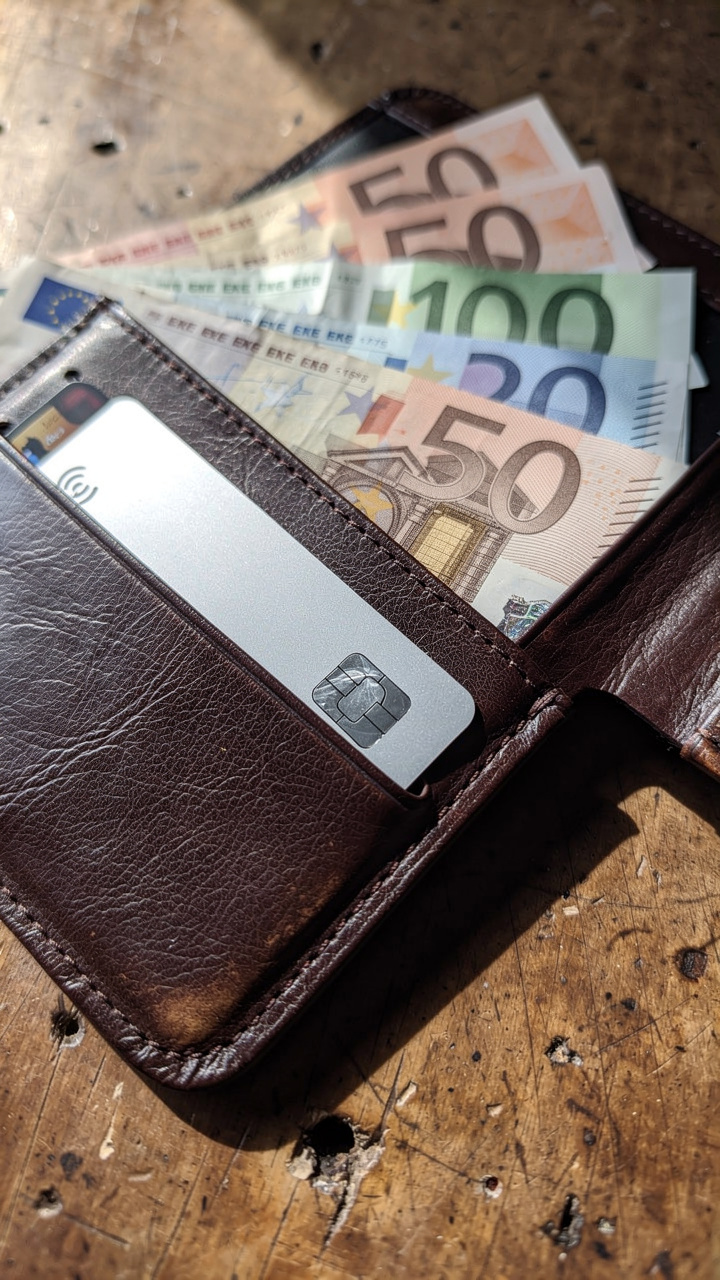
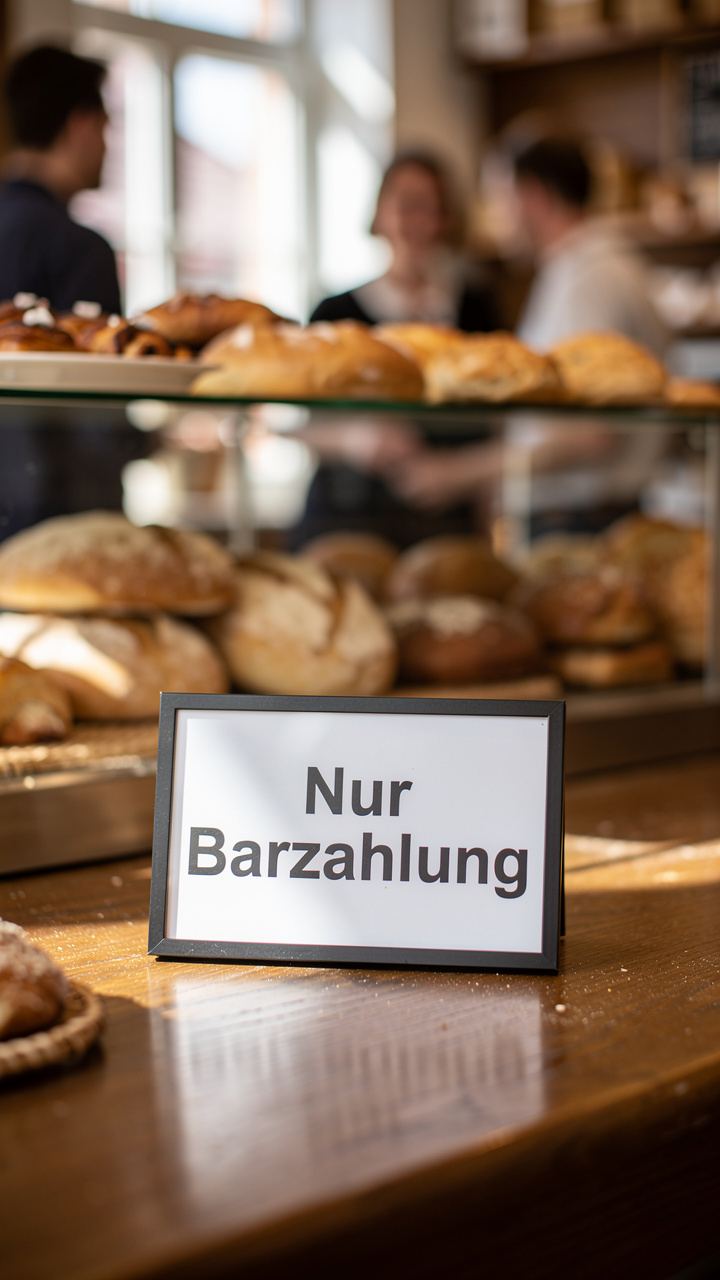
Despite the push toward digitalization, cash remains the king of privacy and anonymity in Germany. Many Germans view card payments as a way for banks to track their personal spending habits. You will notice that small bakeries, independent kiosks, and rural post offices frequently display ‘Barzahlung erwünscht’ (cash payment requested) signs. These businesses avoid the high merchant fees associated with processing card transactions on small, low-margin purchases. If you only carry plastic, you might find yourself walking away hungry or empty-handed in these specific venues.
I recommend keeping at least 50 to 100 Euros in cash in your wallet at all times. Use this for your morning bread, flea market finds, or tips in smaller restaurants. It saves you the awkwardness of being told a card machine is ‘kaputt’ or having a minimum spend requirement of 10 Euros. Always look for the ‘EC-Karte’ or ‘Girocard’ logo, as many smaller places still reject international credit cards like American Express or Discover. Stick to Visa Debit or Mastercard Debit for the highest chance of success. Carrying this specific amount ensures you can navigate both the digital-friendly city centers and the cash-reliant rural outskirts without friction or relying on expensive ATM withdrawals.
Digital Wallets and Mobile Payments
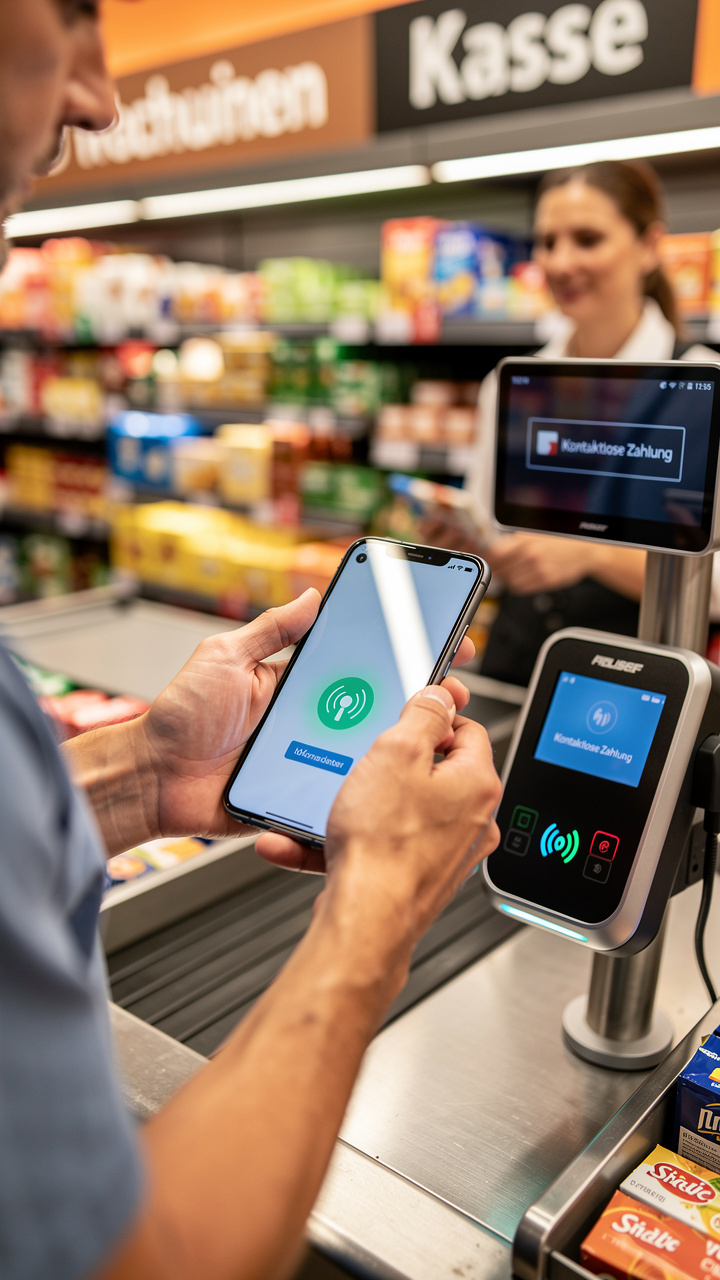
Mobile payments via Apple Pay and Google Pay have surged in popularity since 2024, becoming a standard at most large retailers. Major supermarket chains like REWE, Edeka, and Lidl now process NFC-enabled devices with high reliability, often faster than physical chip-and-PIN cards. While large chain stores are far ahead of the curve, local boutique shops often lack the infrastructure or choose not to implement mobile terminals due to cost.
Setting up a mobile wallet is the best hedge against forgetting your physical card, but never rely on it as your sole payment method. Some local transport authorities and parking apps require specific German bank accounts for direct debits (SEPA mandates). If you are a tourist, download the DB Navigator app and link your international credit card before you arrive. This ensures you can buy regional train tickets without needing cash at a platform machine. Remember that smaller stations sometimes have machines that only accept coins, so do not dispose of your loose change too quickly. Technology is excellent, but in Germany, having a backup plan is the mark of a seasoned traveler. Always keep a physical debit card as your primary fail-safe.
Common Mistakes to Avoid
Many visitors make the mistake of assuming Germany is as cashless as Scandinavia, leading to mid-transaction stress. A common error is attempting to pay for a 2 Euro tram ticket at a station machine with a foreign-issued credit card, which is frequently rejected. This forces an immediate, potentially expensive search for a local ATM that may charge up to 5-10 Euros in withdrawal fees.
Another frequent blunder is trying to use a credit card at a small restaurant after finishing your meal. Many German waiters do not have a mobile terminal to bring to your table, and if they do, they often insist on a local ‘Girocard.’ Always ask ‘Kann ich mit Karte zahlen?’ (Can I pay by card?) before you order to avoid embarrassment. Furthermore, avoid using ‘credit’ cards at ATMs; they often attract high cash-advance fees compared to standard debit cards or travel-focused platforms like Revolut or Wise. By verifying payment methods upfront and avoiding high-fee ATMs, you can save roughly 3% to 5% of your travel budget that would otherwise be lost to currency conversion and transaction markups.
Comparison: Payment Method Suitability
Myths vs. Facts
Myth: Germany is entirely stuck in the 1990s regarding banking. Fact: The infrastructure is modernizing, but it is doing so through local standards rather than global ones. The Girocard system is highly secure and efficient, which is why it hasn’t been completely replaced by Visa or Mastercard.
Myth: You can pay with a card everywhere in major cities. Fact: Even in downtown Munich or Hamburg, you will encounter ‘Cash Only’ signs in popular local beer gardens or heritage cafes. These aren’t signs of economic failure; they are cultural preferences for simplicity and fee-avoidance.
Don’t expect global chains to be the standard for every interaction you have. Embrace the local quirks as part of the authentic experience of visiting Germany. When you encounter a cash-only establishment, view it as a signal of a locally owned, authentic business rather than an inconvenience.
Practical Checklist for Travelers
- Notify your home bank that you will be using your cards in Germany.
- Carry a physical wallet with at least 50 Euros in mixed notes and coins.
- Verify if your card charges international transaction fees (aim for cards with 0%).
- Download a local banking or transport app that supports Apple/Google Pay.
- Always ask about card payment availability before ordering food or services.
- Keep your ‘Girocard’ or backup debit card in a separate bag from your main wallet.
- Use ATMs at major bank branches (Sparkasse, Commerzbank) to avoid high surcharges.
FAQ
Can I use my American Express card in Germany?
You can use your American Express card at luxury hotels, major department stores, and international chain restaurants, but it is not recommended for daily expenses. Many small cafes and independent shops specifically decline Amex due to the high merchant service fees involved in the transaction.
Is it safer to pay by card or cash in Germany?
Cash is safer if your primary concern is data privacy and preventing digital spending tracking. Conversely, cards are safer if you are concerned about physical theft, as you can instantly lock your card via a mobile app to prevent unauthorized use.
Are there any surcharges for using a card?
Typically, there are no surcharges for the customer; however, some small kiosks or independent vendors may add a small flat fee (usually 0.50 to 1.00 Euro) for card payments under 5 to 10 Euros. Always check for signs at the register indicating a minimum spend requirement.
Do I need a local bank account in Germany?
If you are visiting for a short-term vacation, a local bank account is unnecessary. However, if you are planning to reside in Germany for more than three months, opening a local account is almost mandatory for setting up recurring payments like electricity, internet, and local transit subscriptions.
What should I do if my card is rejected?
Always carry a backup payment method, such as a secondary debit card from a different network (e.g., Visa instead of Mastercard) or a small stash of emergency cash. If your card is declined, ensure your bank has not flagged your international activity as suspicious, which often happens with foreign transactions.
Leave a Reply