
Sunday in Germany: Why Everything Is Closed (And What to Do Instead)
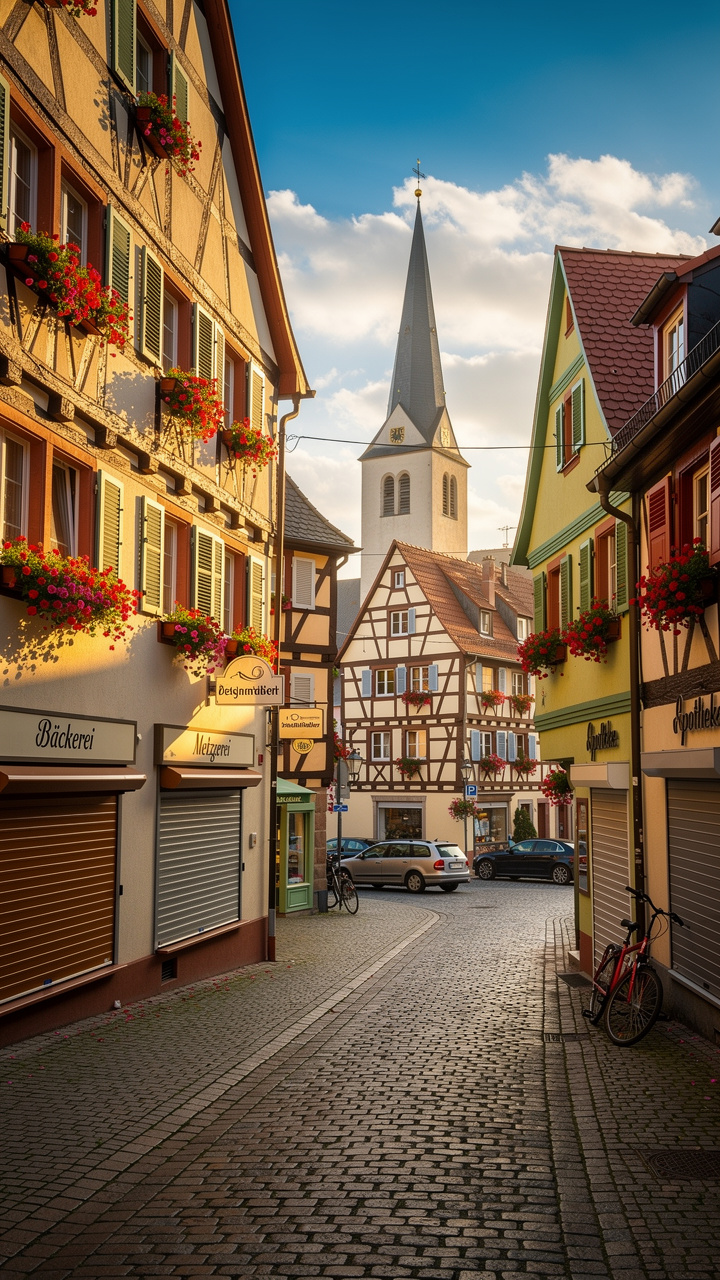
In Germany, almost all retail shops, supermarkets, and pharmacies are closed on Sundays due to the Ladenöffnungsgesetz (Shop Opening Law), a labor protection regulation designed to guarantee a day of rest. While you cannot go shopping for non-essential goods, you can still access train station convenience stores, local bakeries, museums, and restaurants.
Why Shops Close on Sundays
The Ladenöffnungsgesetz, or Shop Opening Law, mandates that retail businesses remain closed on Sundays and public holidays to protect employees from the pressure of a seven-day work week. These laws are decided at the state level but are strictly enforced across the country to uphold the Ruhetag (day of rest) as part of the German social contract. By prioritizing family time and collective leisure over commerce, the law ensures that retail staff have guaranteed time off for personal interests and social life. Consequently, you will rarely encounter public opposition to these closures, as most locals view Sunday quiet time as a fundamental cultural pillar. For the unsuspecting traveler, this means that Saturday evening is your hard deadline for purchasing household supplies or groceries, as trying to find standard retail shops open on a Sunday is generally futile.
Survival Strategy: Where to Shop on Sundays
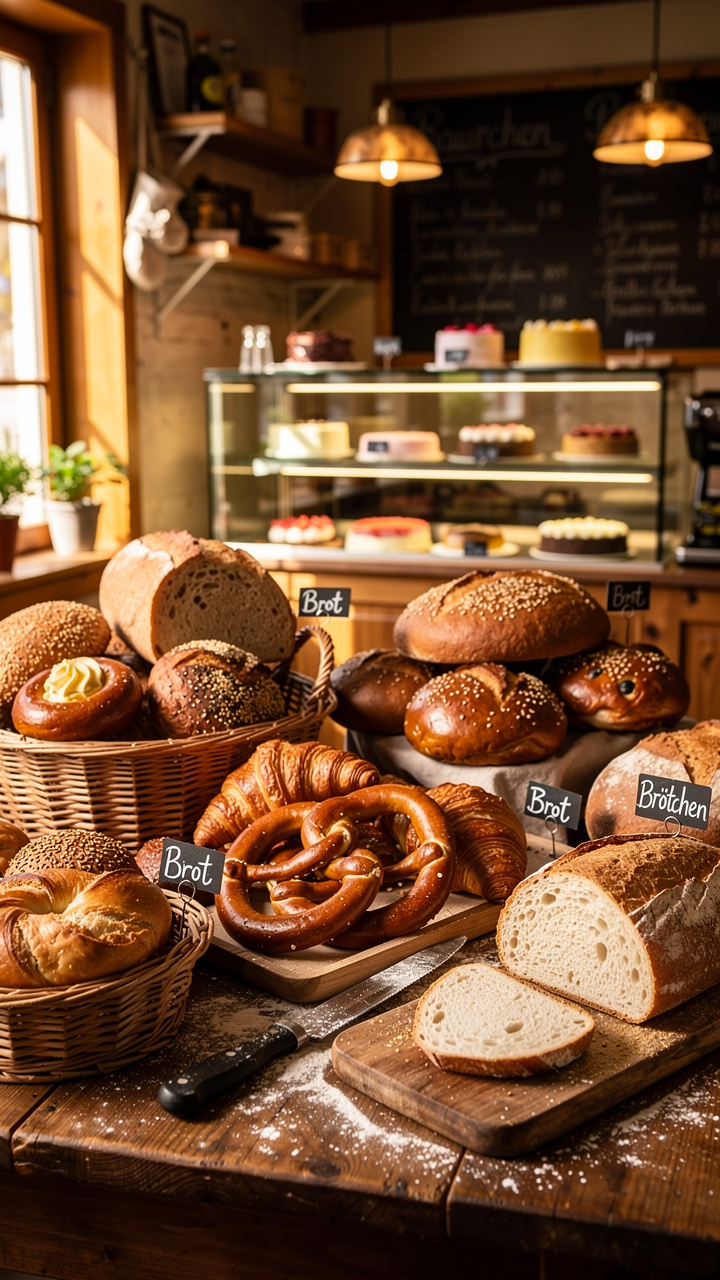
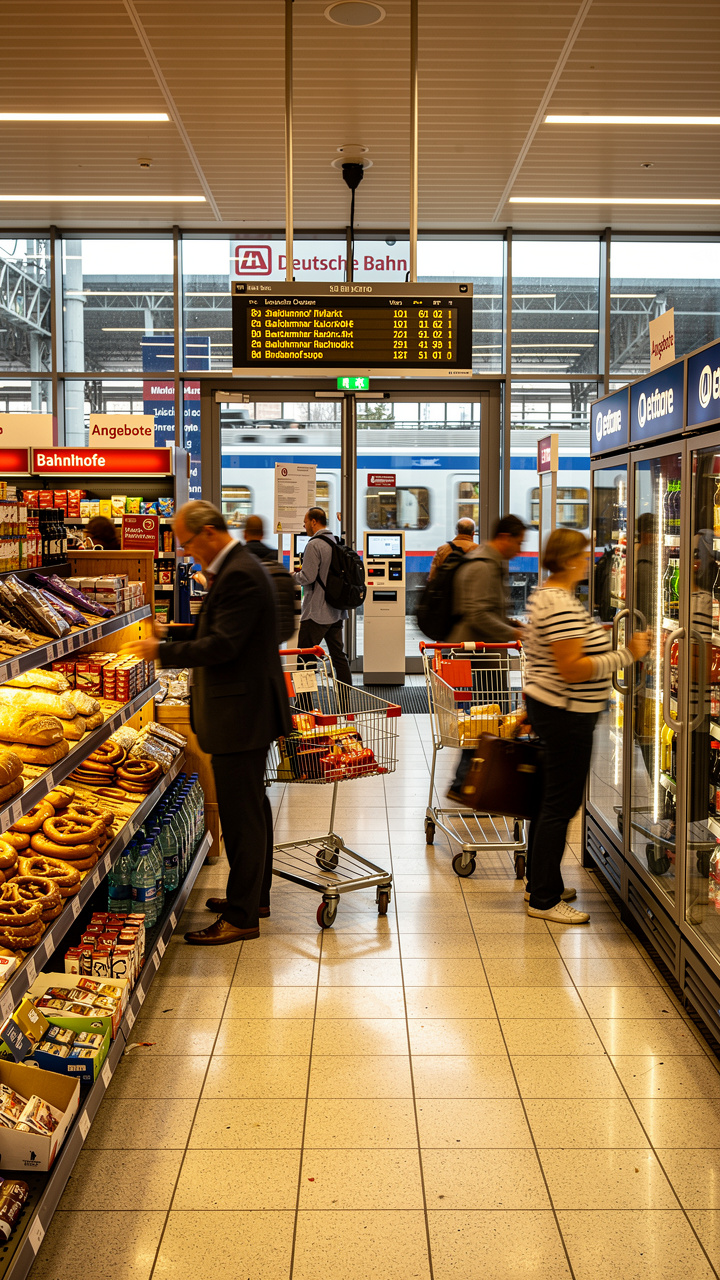
While most of the country is shut down, you can rely on designated lifelines like train stations and airports for essential supplies. Large transportation hubs, such as Berlin Hauptbahnhof or Frankfurt Airport, host supermarkets like Edeka or Rewe that operate every single day, including Sundays. Be prepared for higher prices and smaller inventories compared to neighborhood hypermarkets, as these stores serve a high volume of travelers and last-minute shoppers. Additionally, smaller independent bakeries and cafes often secure local permits to operate for a few hours on Sunday mornings to provide fresh bread, rolls, and coffee. If you face a medical emergency, you are protected by the ‘Apotheken-Notdienst’ system. Every city maintains a rotation schedule of pharmacies that remain open for emergency needs; you can find the nearest duty location by checking the list posted on the door of any local pharmacy or by visiting the official ‘Apotheken-Notdienst’ online portal.
Maximizing Your Sunday: A Local Approach
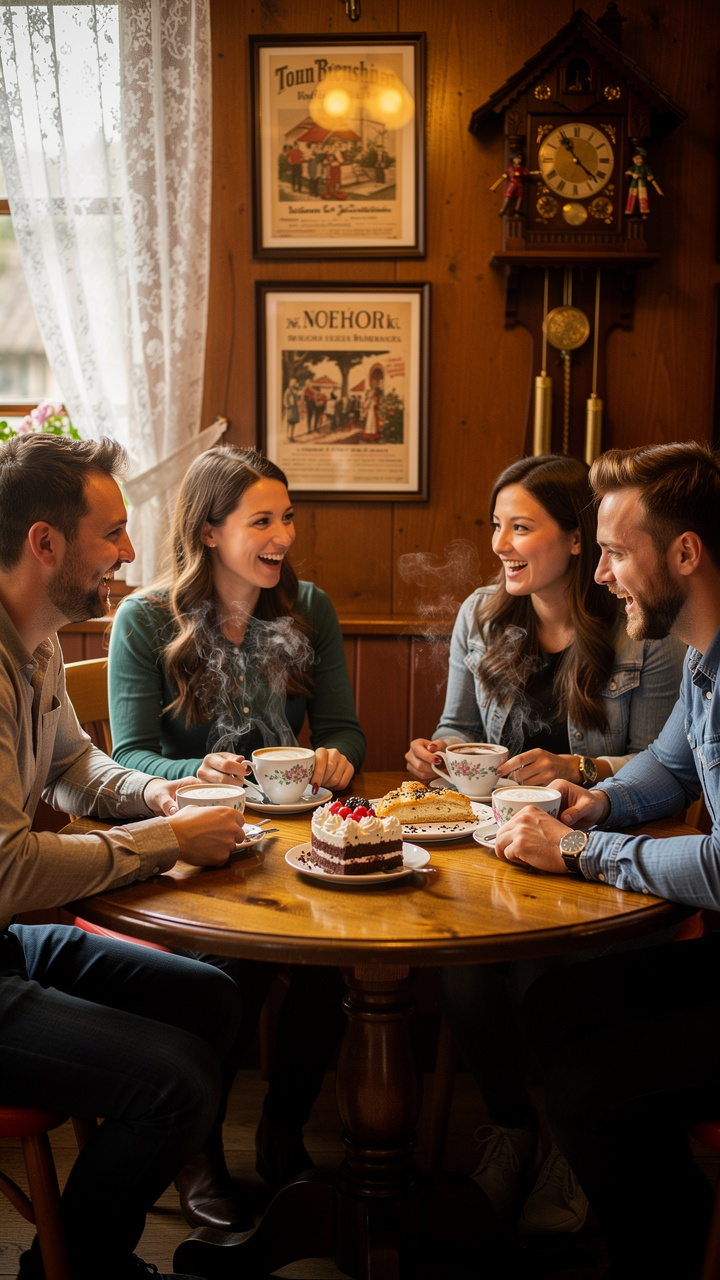
Instead of viewing the Sunday closure as a hurdle, you can embrace the German tradition of Ausflüge (small excursions) to experience the local lifestyle. Public transport remains fully operational on a Sunday schedule, making it convenient to travel to regional hiking trails, historic sites, or nearby towns. Most cultural institutions, including museums, zoos, and public swimming pools, are open and often see their highest attendance on these days as families seek out leisure activities. A quintessential German Sunday involves participating in Kaffee und Kuchen, a ritual of enjoying coffee and cake with friends at a cozy, residential-neighborhood cafe. By focusing on these slower-paced activities, you align yourself with the local rhythm of rest and social engagement rather than consumption. For those seeking active recreation, many bicycle rental shops remain open, allowing you to explore the countryside while the roads are quiet.
Common Mistakes and How to Avoid Them
The most common error travelers make is waiting until Saturday evening to finish grocery shopping, as many German supermarkets close by 8:00 PM or earlier. To avoid being left without essentials, finalize your grocery shopping by Saturday afternoon, especially in smaller towns where hours are more restrictive. Another mistake is assuming that ‘open’ implies full service; while restaurants and tourist attractions operate on Sundays, services like bank branches are strictly closed, and ATMs inside bank lobbies may be the only available financial access point. Furthermore, respect the Ruhezeit (quiet hours) laws that persist throughout the day. Do not attempt to use public laundromats located in or near residential buildings, as operating noisy machines can trigger noise complaints from neighbors. Prioritize quiet, indoor activities like reading, visiting galleries, or dining at restaurants to ensure your visit remains stress-free and respectful of the local environment.
Practical Tips for First-Time Visitors
To navigate travel logistics effectively, check your destination’s state-specific holiday calendar before you arrive. Some states host a verkaufsoffener Sonntag (special shopping Sunday) approximately four times per year, typically tied to city festivals or major seasonal events. You can confirm these dates on the city’s official tourism website about one week before your trip to ensure you don’t miss out on open retail opportunities. Additionally, always carry a small amount of cash, as while card usage is increasing, many small bakeries and rural cafes still maintain a cash-only policy. By preparing a small ‘survival kit’—including tea, coffee, and non-perishable snacks purchased on Friday—you eliminate the stress of searching for supplies on a Sunday morning. Being prepared for the quiet nature of the day allows you to fully enjoy the unique, relaxed atmosphere that defines the German weekend experience.
Myths vs. Facts: The Sunday Reality
There is a persistent myth that the entire country shuts down on Sundays, but the reality is that the hospitality and leisure sectors are highly active. Museums, cinemas, and parks are designed to be busy, as the government actively encourages cultural engagement over standard consumerism. A second major misconception is that restaurants are closed; in fact, Sunday is often the busiest day of the week for the hospitality industry, as eating out with family is a core social tradition. Because restaurants are in such high demand on Sundays, you should always secure a reservation in advance, especially in popular tourist areas. By understanding these nuances, you can avoid the mistake of assuming a lack of retail activity equates to a lack of social activity. With a little planning, you will find that Sunday in Germany is a vibrant, albeit quiet, day meant for dining, cultural exploration, and social relaxation.
FAQ
Can I make noise, such as vacuuming or playing music, on a Sunday?
No, you should avoid heavy construction, vacuuming, or loud music on Sundays due to Ruhezeit laws. These laws prioritize collective peace, and residents expect quiet throughout the day, so focus on low-noise activities like reading or visiting museums.
How do I find a pharmacy if I have an emergency on Sunday?
You can find an open pharmacy by searching the ‘Apotheken-Notdienst’ portal online. Every city has an emergency rotation where specific pharmacies are legally required to provide essential medicine 24/7, and their addresses are posted on the doors of all local pharmacies.
Are all restaurants and cafes closed on Sundays?
No, restaurants and cafes are usually open and are often very busy on Sundays. Because this is a primary day for families to dine out, it is highly recommended that you make a reservation to ensure you get a table at popular spots.
Will public transportation still be running on a Sunday?
Yes, public transportation, including trains, trams, and buses, operates on a Sunday/Holiday schedule. While frequency may be reduced compared to weekdays, you can still easily travel between cities or to regional hiking trails and tourist destinations.
Can I shop for food anywhere on a Sunday?
Yes, you can shop for groceries at supermarkets located in major train stations and international airports. These locations remain open to serve travelers, although they can be crowded and typically carry a smaller inventory than standard supermarkets.
Is it possible to find shops open during my stay?
Occasionally, cities host a ‘verkaufsoffener Sonntag’ (special shopping Sunday) during local festivals. These are held about four times a year per city, and you should check the local tourism website one week prior to your trip to see if your visit coincides with one.
Leave a Reply