
Do You Really Need a Car in Germany?
Most residents in major German cities do not need a car due to extensive public transit, but those living in rural areas often require one for daily logistics. While urban dwellers save thousands annually by using the 49-euro Deutschland-Ticket and car-sharing, rural residents face significant isolation without a personal vehicle.
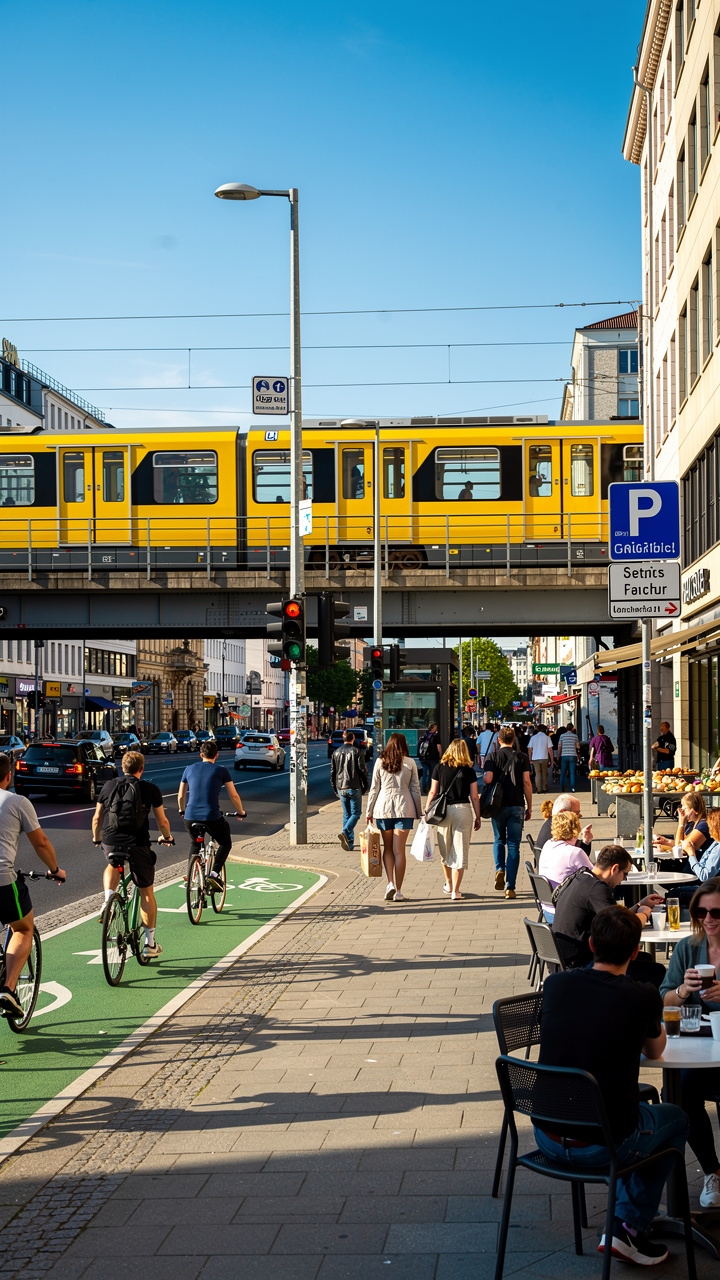
In Germany, the question of whether you need a car is rarely about status and almost entirely about geography. If you live in a city like Berlin, Munich, or Hamburg, owning a car is often a massive financial burden rather than a convenience. Most residents rely on the ‘ÖPNV’ (Öffentlicher Personennahverkehr) which is dense, reliable, and covers even the suburban fringes. However, living in rural Bavaria or the deep Eifel region turns a car into a lifeline.
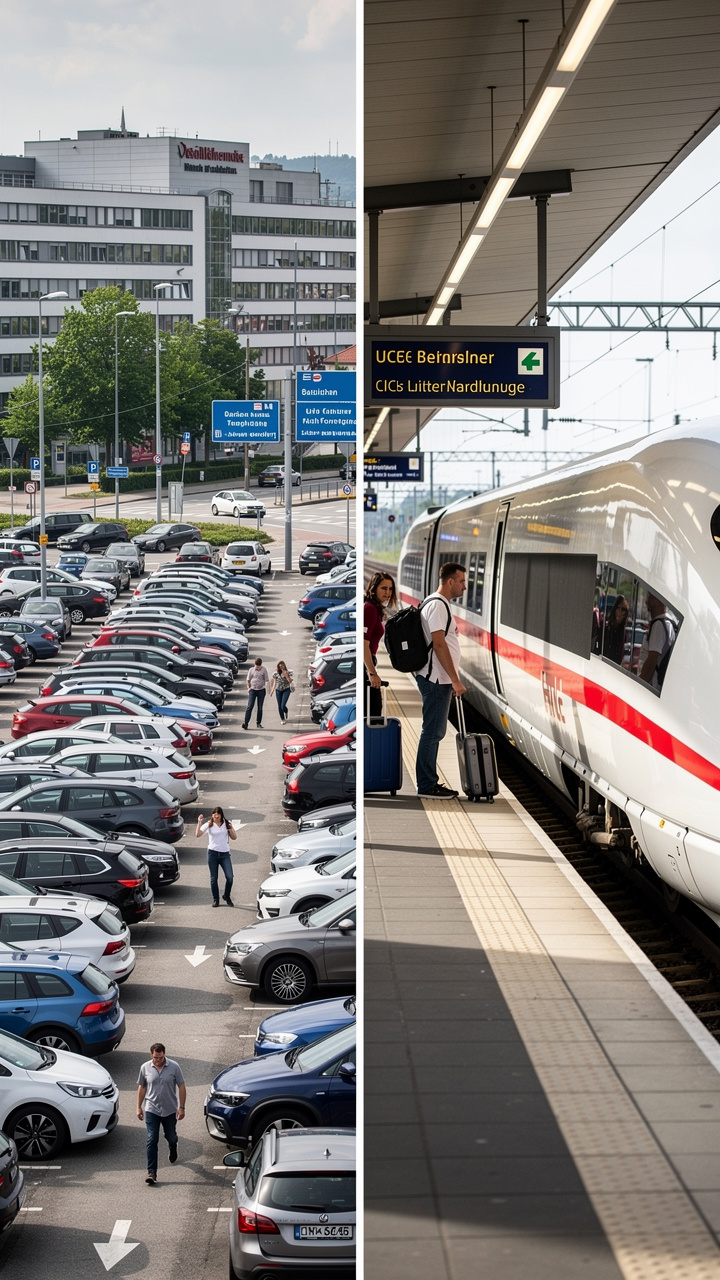
Without one in these areas, simple tasks like grocery shopping or visiting a doctor become logistical nightmares. Let’s look at why your zip code is the most important factor in this decision. To help you decide, consider the following cost-benefit analysis of transport methods.
Major Cities:
Living in a major German city makes car ownership a liability due to parking scarcity and strict environmental regulations. In Berlin, you are constantly connected by the U-Bahn, S-Bahn, trams, and buses, often making a car slower than public transit. Beyond time costs, you face the ‘Umweltzone’ restrictions, requiring specific emissions stickers just to enter the city center. Insurance premiums for urban drivers are notably higher due to increased theft risks and the frequency of minor traffic accidents in dense areas.
Most locals opt for a ‘Deutschland-Ticket’ for 49 Euro a month, which covers almost all local and regional transport across the entire country. If you absolutely need a car for a weekend trip, services like Miles, ShareNow, or Flinkster offer hourly rentals. You can pick up a car on the street, use it for two hours, and drop it off elsewhere. This ‘car-sharing’ model is significantly cheaper than paying for insurance, registration, and depreciation on your own vehicle. For city dwellers, the math is simple: the capital expense of a car is rarely recouped through occasional usage when efficient alternatives exist.
Rural Living:
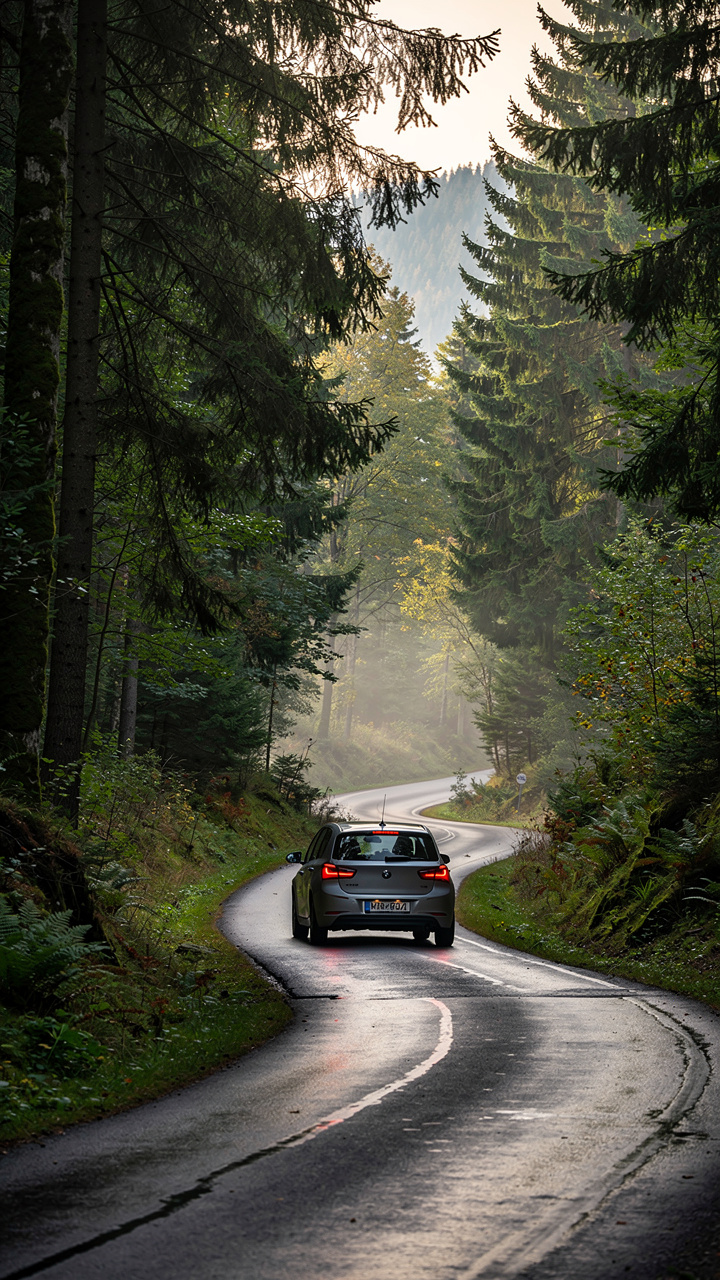
Outside of metropolitan hubs, a personal vehicle transitions from a luxury to a fundamental necessity for daily survival. In rural villages, the bus might only stop twice a day, usually timed strictly for school children, which leaves adults stranded. Furthermore, rural shops often close early or shut down completely on Sundays, making a car essential for weekly shopping runs. In regions like the Black Forest, a car is not just for commuting but for accessing nature, hiking trails, and regional events that are simply unreachable by train.
Many rural residents own older, reliable second-hand cars rather than financing new models because they prioritize utility over aesthetics. If you move to a town with fewer than 20,000 residents, you should budget for a car immediately as part of your relocation planning. The independence gained by owning a vehicle in these regions allows for access to specialized medical care, employment opportunities, and social circles that remain gated behind the lack of infrastructure. While the costs are higher, the utility in these areas is unmatched, effectively serving as the primary bridge to the wider German society and economy.
The Real Cost of Ownership
Beyond the sticker price of the vehicle, you must account for ‘Kfz-Steuer’ (vehicle tax), which is based on CO2 emissions and engine displacement. Comprehensive insurance, or ‘Vollkasko’, is highly recommended but expensive if you are a first-time driver in Germany. You also need to consider mandatory ‘TÜV’ inspections every two years. A failed inspection can lead to costly repairs just to get your vehicle back on the road. Many expats underestimate these recurring fees, which often total between 300 to 500 Euro per month. Compare this to a monthly public transport pass, and the savings are massive. Investing that money into a bike or occasional car-sharing rentals is almost always the smarter financial move.
Common Mistakes and How to Avoid Them
The most common mistake newcomers make is buying a car before they understand their neighborhood’s specific transit connectivity. Spend at least one month using public transport to see how your commute actually feels. Avoid buying a diesel car if you plan to drive mostly within city centers, as many German cities have strict ‘Diesel-Fahrverbote’ (driving bans) to improve air quality. Never purchase a vehicle without a fresh ‘Hauptuntersuchung’ (HU) report from the TÜV or DEKRA. If a seller refuses to provide a recent report, walk away immediately. It is also wise to check your potential insurance rate online using sites like Check24.de before you sign any purchase agreement. Many people find their insurance quote is double what they anticipated, which can break a tight budget. Finally, don’t assume your foreign driver’s license will work indefinitely. You usually have six months to use it before you must convert it to a German ‘Führerschein’, which can be an expensive, multi-month process.
The Car-Sharing vs. Ownership Comparison
To decide effectively, look at your ‘per-kilometer’ cost. If you drive less than 5,000 kilometers per year, ownership is almost never worth the expense. Car-sharing apps like ShareNow provide a clear alternative: you pay only for the minutes you drive or the hours you rent. For weekend getaways, traditional rental agencies like Sixt or Europcar are superior. They offer a wider selection of vehicles and often have better rates for 24-hour rentals. Buying a car makes sense only if you have a daily commute that is not serviced by direct train lines.
Even then, consider the cost of fuel, which is significantly higher in Germany than in North America. By avoiding ownership, you dodge the headaches of tire changes in winter, oil changes, and annual maintenance. You also gain flexibility, as you can choose between a small city car for errands or a van when you move apartments.
Practical Tips for Navigating German Roads
If you decide to drive, you must master the ‘Rechts-vor-links’ (right-before-left) rule at unmarked intersections. This is a common source of anxiety for expats, but it is standard practice in quiet residential areas. Always keep a ‘Parkscheibe’ (parking disc) in your car for zones where parking is free but time-limited. Failing to display this disc can result in a fine, even if you are only parked for ten minutes. During winter months, ensure your tires have the ‘Alpine’ symbol, as ‘Allwetter’ (all-weather) tires without this marking are illegal in winter conditions. Winter tires are a legal requirement, not a suggestion, and getting caught without them during a snowstorm will lead to significant fines. Keep a high-visibility vest and a first-aid kit in the trunk, as both are mandatory equipment. If you break down on the Autobahn, use the ‘Notrufsäulen’ (emergency phones) or call the ADAC, which is the German equivalent of AAA. Their service is reliable but requires a yearly membership, which pays for itself after a single tow.
FAQ
Q: Is it possible to survive in Munich without a car?
Yes, Munich has one of the best public transit systems in the world and a car is often a hindrance. Between the U-Bahn, S-Bahn, and extensive tram network, almost every corner of the city is accessible without a private vehicle.
Q: Does a car make traveling across Germany faster?
Not necessarily, as the high-speed ICE trains are often faster and less stressful than driving on the Autobahn. Traffic jams (Stau) are common, whereas trains offer a direct route and can be discounted significantly if booked in advance via the Deutsche Bahn app.
Q: What are the ‘Umweltzonen’ exactly?
These are low-emission zones in city centers where your car must display a specific colored sticker on the windshield to enter. If your vehicle is too old or pollutes above the limit, you are legally banned from entering these zones and face stiff fines.
Q: How much does it cost to own a car in Germany monthly?
Expect to pay between 300 and 500 Euro per month when factoring in insurance, taxes, maintenance, and fuel. Costs vary heavily based on your driving history, the type of car you own, and how many kilometers you drive annually.
Q: Can I use my foreign driver’s license in Germany?
You can generally use your foreign driver’s license for up to six months after establishing residency. After this period, you must convert it to a German ‘Führerschein’, which often involves administrative fees and potentially a theoretical or practical test depending on your country of origin.
Leave a Reply