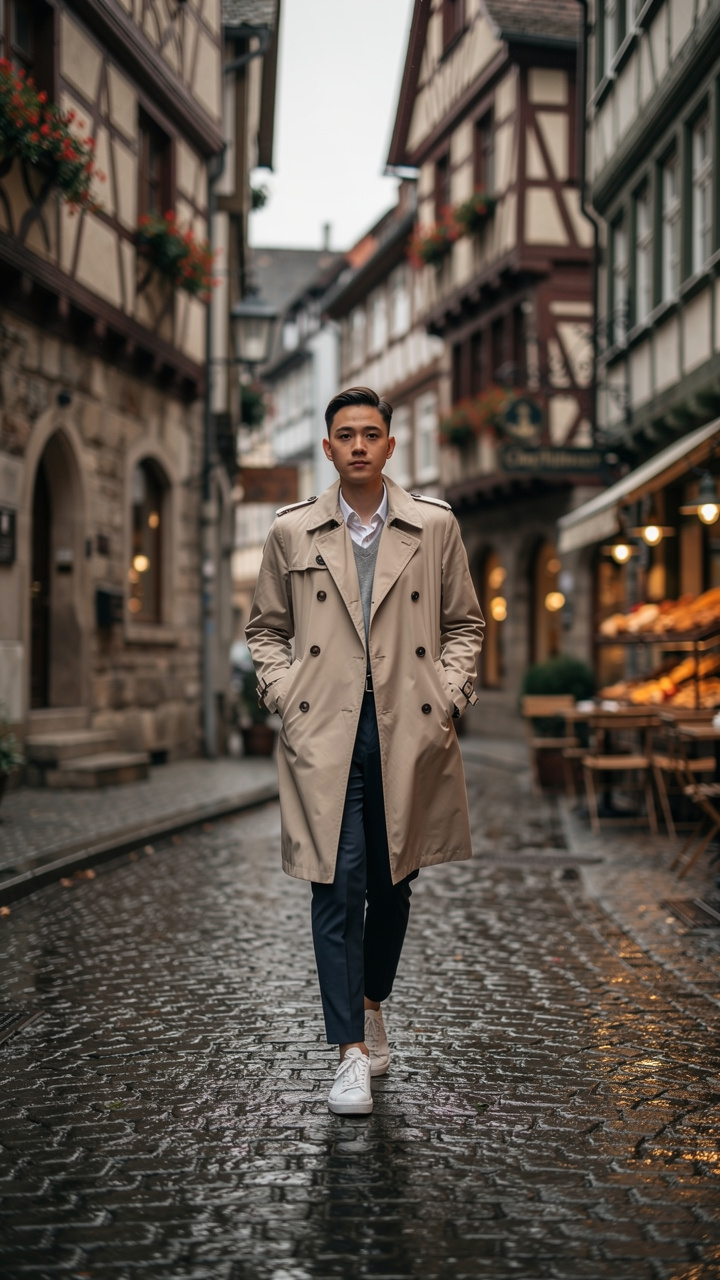
Understanding the German Aesthetic.
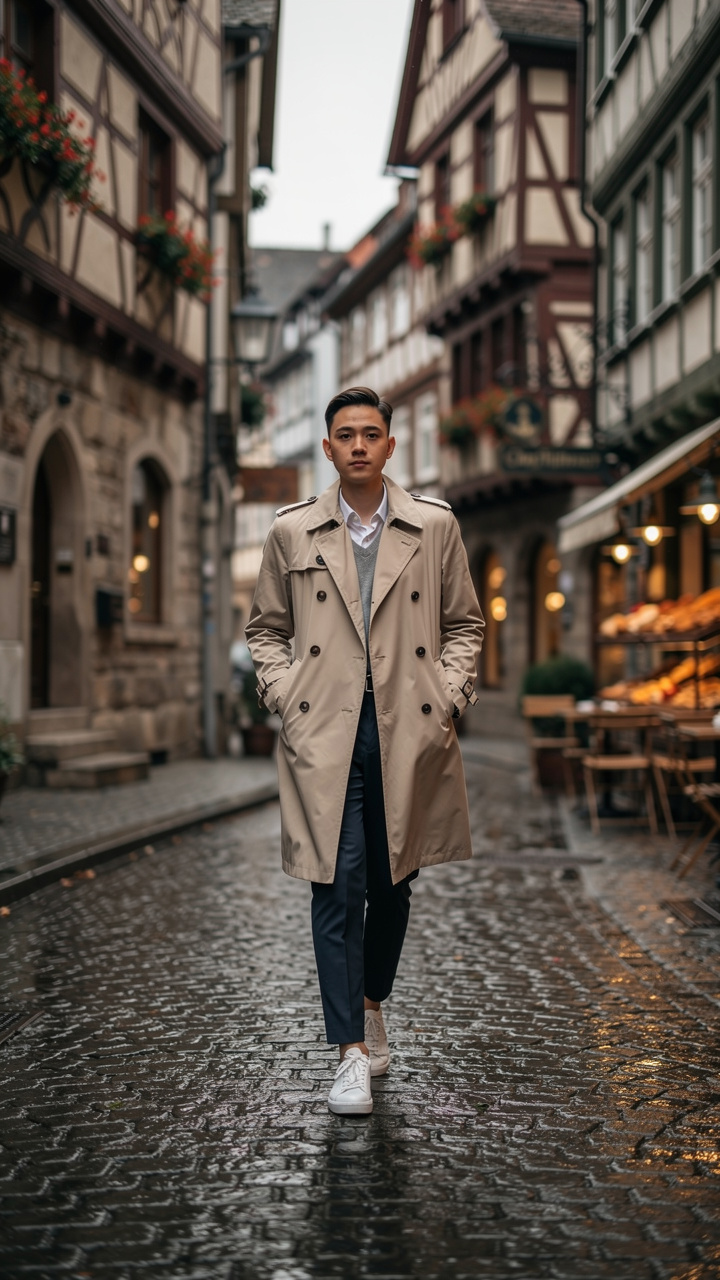
To blend in with locals in Germany, prioritize a minimalist aesthetic centered on high-quality, functional pieces in neutral palettes like navy, black, gray, and beige. Avoid neon colors, oversized graphic hoodies, and athletic-specific gear, as the German approach to fashion favors understated, clean silhouettes over fast-fashion trends and loud branding.
Germans typically invest in durable staples, such as a well-tailored trench coat or high-quality leather jacket, which serve both practical and stylistic purposes. When curating your wardrobe, aim for a “business casual” look that bridges the gap between urban sophistication and street-level comfort. Your goal is to appear intentional; if your outfit would work for a professional office or a nice city brunch, it will fit perfectly in Berlin, Munich, or Frankfurt. Because of the prevalence of historic cobblestone streets, comfort is non-negotiable. Always prioritize footwear that offers arch support and durability over fashion-forward, delicate designs. By choosing versatile items that can be layered, you maintain a cohesive style that ensures you look polished and integrated throughout your travels.
Style Comparison: Tourist vs. Local
The Importance of Layering for German Weather.
Mastering the German “Zwiebelprinzip” (onion principle) is essential for navigating the country’s unpredictable weather, where temperatures can fluctuate by over 10 degrees Celsius in a single day. This layering strategy relies on a moisture-wicking base layer, a warming mid-layer, and a reliable, water-resistant outer shell to keep you comfortable regardless of sudden rain or temperature drops.
For most of the year, a lightweight merino wool pullover is superior to bulky synthetic sweaters because it provides exceptional natural temperature regulation and fits easily into a day bag. In winter, opt for a high-quality, insulated parka rather than layering multiple thin jackets, which can look cluttered. Because rain showers are frequent year-round—averaging 150 days of precipitation annually in many regions—carrying a compact, wind-resistant travel umbrella is a standard practice for locals. By adhering to this system, you remain prepared for changing conditions without sacrificing your style or overstuffing your luggage. Avoid heavy, non-breathable materials; instead, focus on high-performance fabrics that dry quickly and offer maximum versatility during long sightseeing days.
Shoes:
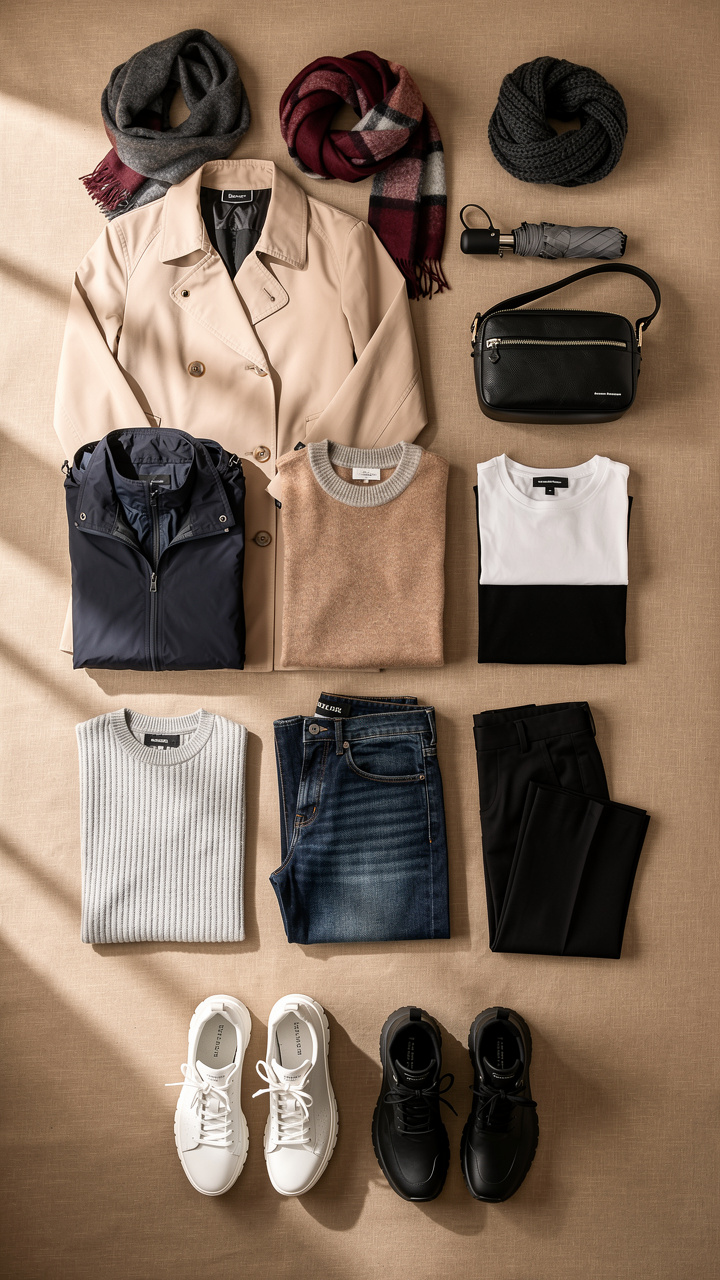
Choosing the right footwear is the most significant factor in avoiding the “tourist” label, as Germans prioritize functional, high-quality shoes that can handle miles of walking on uneven historic pavement. Skip the bulky, neon-colored cross-trainers and instead choose sleek, leather sneakers or minimalist walking shoes that provide necessary support without looking like gym equipment.
Brands such as Ecco, Birkenstock (a German staple), or European-style leather boots offer an ideal balance of durability and aesthetic appeal. If traveling between October and March, a waterproof Chelsea boot is an indispensable choice for both urban exploration and evening dining. Before departing, ensure your shoes are fully broken in to prevent blisters on city treks. Never attempt to wear stilettos or high-heeled shoes, as these are both impractical and hazardous on Germany’s historic cobblestone streets. By limiting your shoe count to two versatile pairs—one primary walking shoe and one slightly dressier option—you keep your luggage light and your feet comfortable. Ultimately, your choice of footwear should demonstrate that you value longevity and practicality, traits that are deeply respected in German fashion culture.
Common Mistakes to Avoid.
Avoiding overly “outdoorsy” technical gear in urban settings is the fastest way to stop looking like a tourist and start blending in with the local crowd. While high-performance North Face or Patagonia gear is perfectly acceptable for hiking in the Bavarian Alps, wearing head-to-toe technical clothing in a Berlin museum or a Munich cafe marks you as an outsider.
Separate your specialized hiking equipment from your urban capsule wardrobe entirely. Another frequent mistake is packing bright, busy patterns that clash with the muted, monochromatic earth-toned palette preferred in German city centers. Choosing neutral colors makes it significantly easier to mix and match your pieces while traveling with limited space. Additionally, avoid wearing athletic shorts unless you are physically training at a gym; for warm weather, opt for tailored linen trousers or casual midi dresses. Dressing slightly more elevated not only helps you blend in but often results in better service at local establishments. When in doubt, apply the rule of simplicity: a well-fitted, clean outfit with one or two high-quality accessories is vastly superior to a cluttered, busy appearance. Being mindful of these small adjustments will help you navigate Germany with the confidence and style of a local.
Practical Tips for Your Capsule Wardrobe.
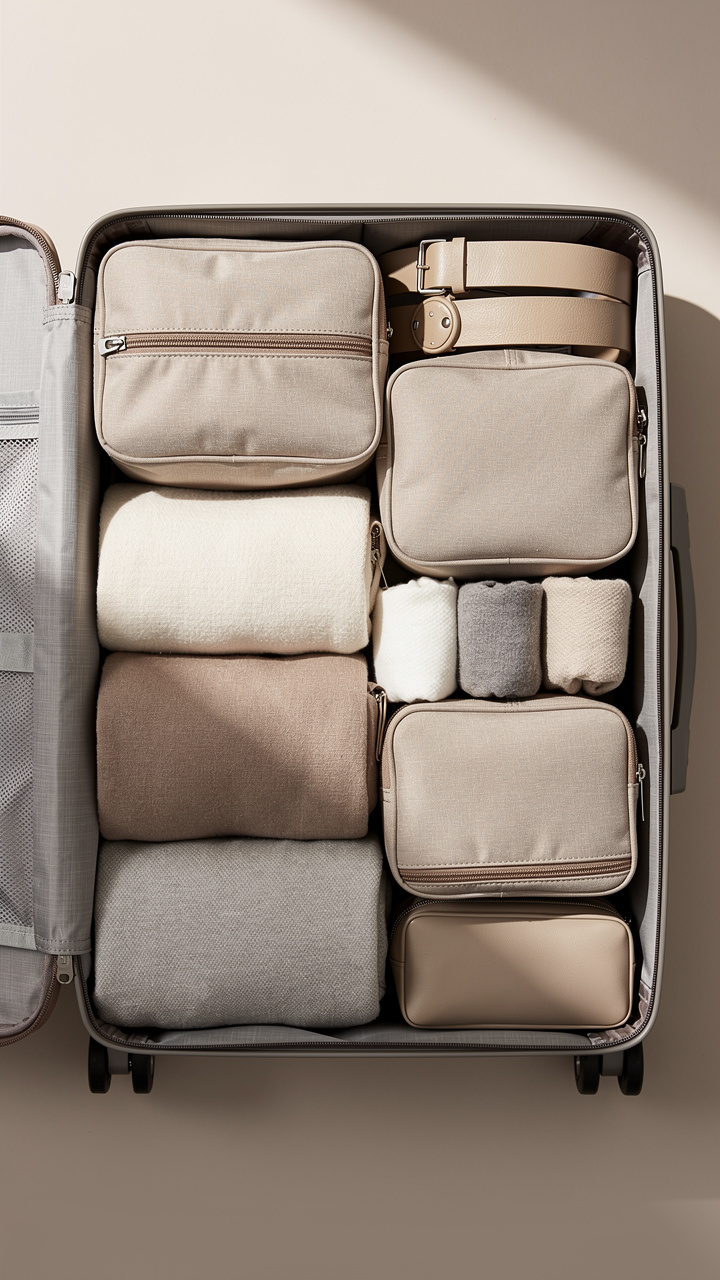
Building an effective capsule wardrobe for Germany requires limiting your luggage to versatile, neutral pieces that maximize utility while minimizing the stress of daily outfit choices. Utilize packing cubes to organize your clothing by category, which significantly simplifies the process of checking into and out of hotels or rental apartments as you move between cities.
Always pack a high-quality scarf in your carry-on; it serves as a quintessential European accessory that adds instant style and necessary warmth during chilly evenings. Replace the traditional fanny pack or bulky external money belt with a secure, internal zipped pocket or a slim, stylish crossbody bag to avoid becoming an obvious target for pickpockets. If visiting during the shoulder season, bring a pair of thin thermal leggings that can be layered discreetly under jeans if the mercury drops. Because access to high-speed laundry facilities is less common than in North America, prioritize wrinkle-resistant fabrics like merino wool, Tencel, or performance synthetic blends that can be hand-washed if necessary. By restricting your wardrobe to a curated selection of quality items that perform multiple functions, you ensure a smooth travel experience while maintaining a polished appearance that respects local norms.
FAQ:
Q: Can I wear leggings as pants in Germany?
A: Leggings are acceptable in casual settings, but they should be worn with a long tunic, oversized sweater, or dress that hits mid-thigh. Avoid wearing thin, sheer athletic-style leggings on their own as outer trousers if you wish to blend in with local fashion standards.
Q: Is it rude to wear shorts in Germany?
A: While not considered rude, shorts are rarely worn by adults in professional or upscale city settings. If you choose to wear them, opt for tailored, knee-length styles in cotton or linen rather than athletic, mesh, or cargo-style shorts, which are generally associated with gym wear.
Q: Do I need a formal outfit for dinner?
A: Most German restaurants adhere to a “smart casual” dress code that does not require formal wear. A collared shirt for men or a simple blouse and trousers for women is perfectly sufficient for dining at almost any upscale establishment in major urban centers.
Q: Should I pack a raincoat or a heavy umbrella?
A: A high-quality, lightweight, water-resistant windbreaker is much more practical than a heavy, bulky raincoat. Pair this with a compact, wind-proof travel umbrella to manage Germany’s frequent light rain showers without adding significant weight or bulk to your daily day pack.
Q: Are white sneakers acceptable in Germany?
A: Yes, clean, minimalist white leather sneakers are a popular choice for both men and women in German cities. However, avoid technical gym shoes or cross-trainers; ensure your sneakers are clean, well-maintained, and free of bright, neon-colored athletic branding.
Leave a Reply