
The Lofoten Islands are often described as a land of extremes, where jagged granite mountains rise abruptly from the churning turquoise waters of the Norwegian Sea. While the winter snow and the midnight sun attract many, there is a specific, quiet magic found when witnessing Lofoten in soft morning light. As the first rays of dawn crest the horizon, they cast a surreal glow over the iconic red fishing huts, or rorbuer, and the dramatic fjords. For photographers and nature lovers alike, this fleeting time of day offers the most ethereal atmosphere to experience the archipelago’s raw, untamed beauty.
Understanding the Light in Lofoten
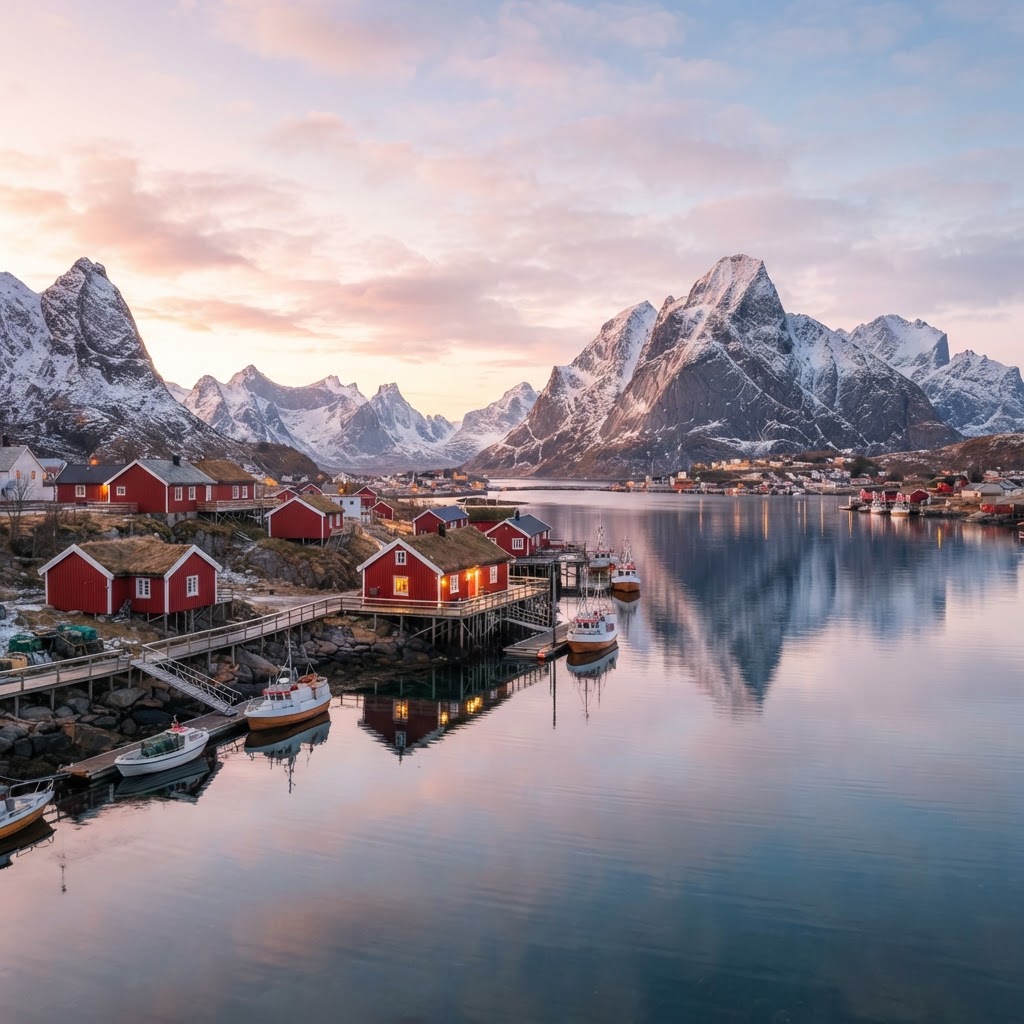
The light in the Arctic Circle is unlike anywhere else on Earth. Due to the high latitude, the transition from night to day is often prolonged, creating an extended period of soft, diffused light rather than a rapid transition. When you experience Lofoten in soft morning light, you are treated to pastel hues of pink, violet, and gold that wash over the rugged topography. This light is incredibly forgiving for landscape photography, as it minimizes harsh shadows and highlights the texture of the moss-covered rocks and glacial peaks.
The Importance of Timing
Depending on the time of year, the timing of the morning light changes drastically. In the autumn and spring, the sun lingers near the horizon for several hours, providing an extended window for capturing the perfect shot. During these months, the sun rarely hits with harsh intensity, allowing for long-exposure photography that makes the water appear like glass.
Seasonal Considerations
Understanding the sun’s path is essential. During the winter, the morning light can be cold and blue, perfect for moody, high-contrast imagery. Conversely, summer mornings bring a warmth that softens the dramatic edges of the mountains, turning the landscape into something akin to a painting.
Essential Gear for Arctic Mornings
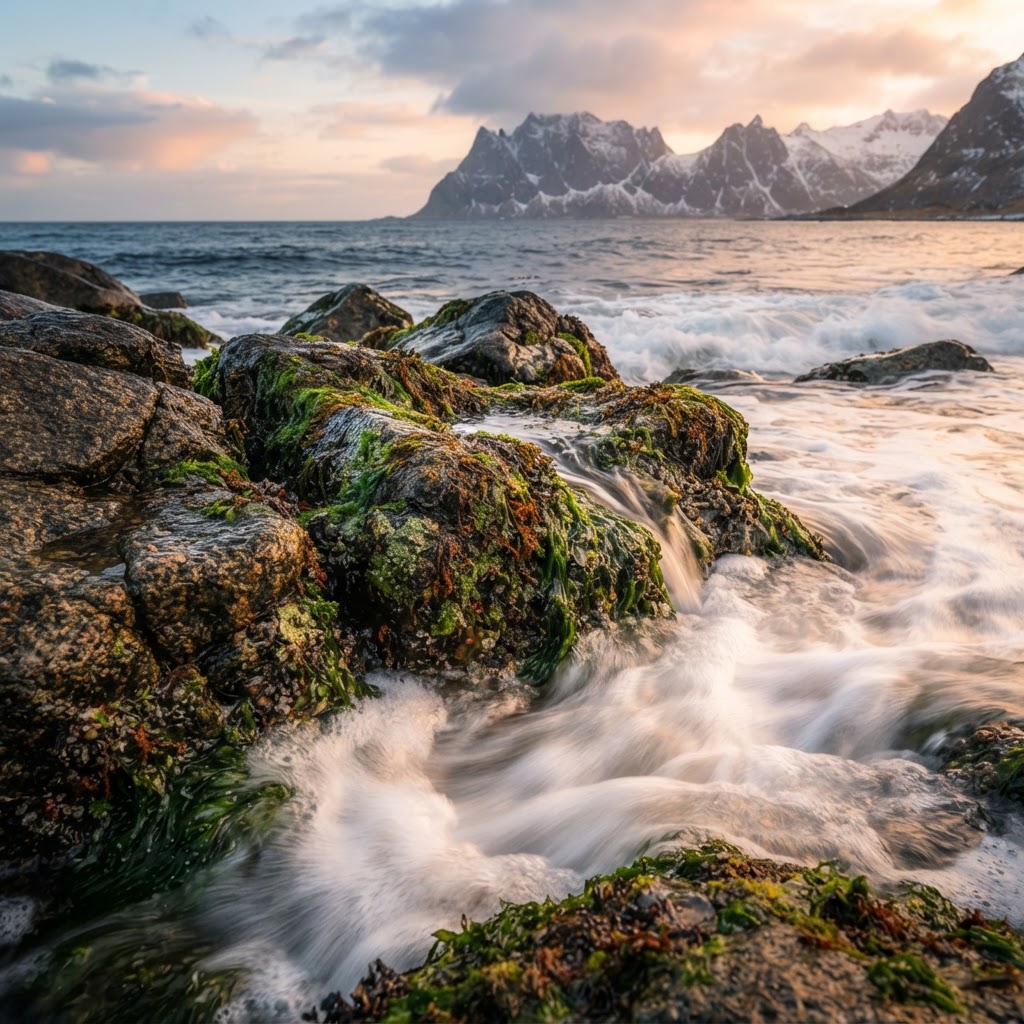
Capturing the subtle nuances of morning light requires the right equipment. Because the weather in Lofoten is notoriously unpredictable, weather-sealing is not a luxury—it is a necessity. Even on a clear, calm morning, the sea spray or sudden fog can compromise your gear if it is not protected.
Camera Settings for Soft Light
To make the most of the soft morning glow, shoot in RAW format to preserve the dynamic range of the sunrise colors. Using a tripod is non-negotiable, as the low light levels often require slower shutter speeds to achieve a low ISO and maximum image quality. A graduated neutral density filter can also help balance the brightness of the sky with the darker, shadowed foreground of the mountains.
Top Photography Spots at Dawn
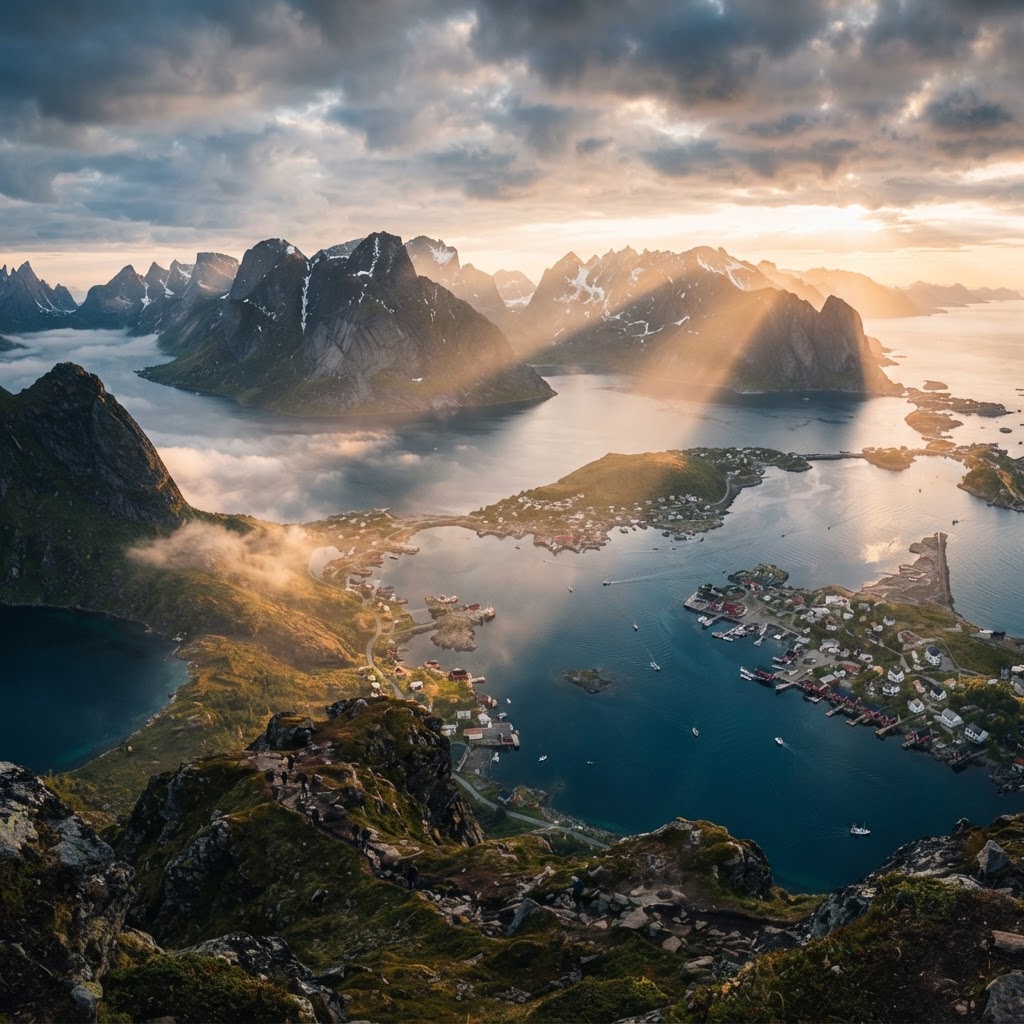
Certain locations in Lofoten seem custom-built for the soft light of dawn. Reine, with its iconic harbor and traditional rorbuer, is a must-visit. As the morning light hits the peak of Reinebringen, the reflections in the calm waters create a mirror effect that is quintessentially Norwegian.
Hamnøy and Sakrisøy
These smaller fishing villages offer a more intimate look at local life. The red and yellow architecture stands out brilliantly against the backdrop of the blue fjords and the emerging morning sun. Walking the docks just as the village begins to stir provides excellent opportunities for both wide-angle landscape shots and candid travel photography.
Planning Your Morning Routine
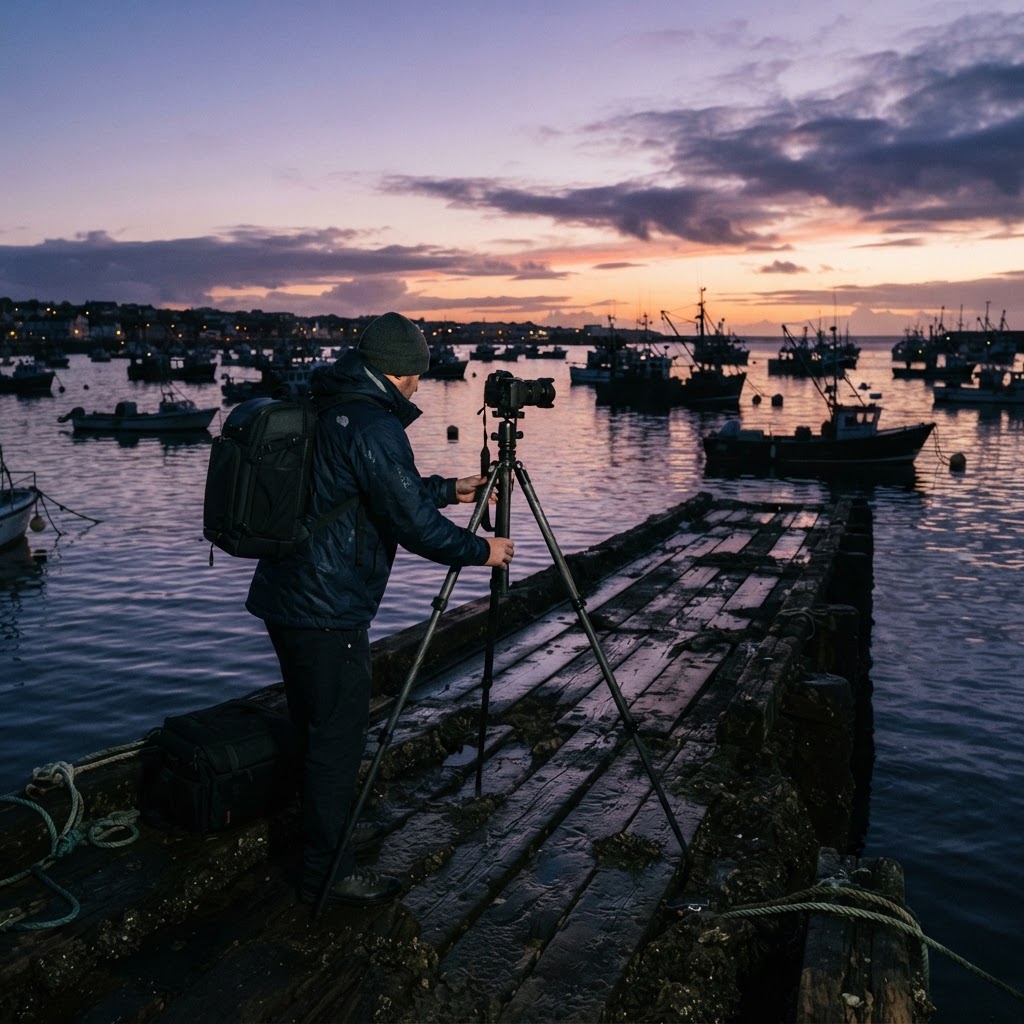
Successful photography in Lofoten requires discipline. You must be prepared to leave your accommodation long before the sunrise. Check the local weather apps and sun tracking software to identify exactly where the sun will rise in relation to your intended subject.
Staying Warm in the Arctic
Even in summer, temperatures can drop significantly before dawn. Layering is key. Start with a thermal base layer, add a fleece or wool mid-layer, and finish with a windproof and waterproof outer shell. Don’t forget insulated gloves that allow you to operate camera dials without exposing your skin to the biting morning air.
The Artistic Value of Soft Morning Light
Beyond technical perfection, there is a profound emotional resonance in the morning air of the Lofoten Islands. The silence of the fjords, broken only by the cry of a seagull or the distant slap of water against the hull of a boat, creates a meditative environment. This stillness translates into the final photograph, giving the viewer a sense of the scale and solitude of the region.
Capturing Texture and Depth
Soft morning light is ideal for accentuating the textures of the landscape. It emphasizes the intricate layers of snow-dusted rock and the lush, vibrant greens of the tundra in summer. By positioning your camera low to the ground, you can use the light to create long, soft shadows that pull the viewer’s eye through the frame.
Safety and Sustainability
As you seek out the best vantage points to capture Lofoten in soft morning light, it is important to respect the fragile environment. Stick to established trails to protect the delicate Arctic moss, and never leave trash behind. The tourism industry in Lofoten is growing, and sustainable travel is the only way to ensure these landscapes remain pristine for future photographers.
Navigating Dangerous Terrain
Many of the best views require hiking up steep, rocky paths. Always check trail conditions, as morning mist can make rocks slippery and dangerous. If you are unfamiliar with the terrain, consider hiring a local guide who understands the risks associated with the changing light and weather conditions.
Conclusion
Witnessing the Lofoten Islands in soft morning light is a transformative experience that stays with you long after you return home. From the pastel colors dancing across the peaks to the silent, golden reflections in the fjords, every sunrise offers a new perspective on this Arctic jewel. By preparing your gear, planning your locations, and respecting the environment, you can capture the true essence of Norway’s most beautiful landscape. We hope this guide inspires you to set your alarm early and head out into the crisp, quiet morning air to create your own photographic legacy in Lofoten. If you enjoyed this guide, subscribe to our newsletter for more travel photography tips and destination spotlights.
Leave a Reply