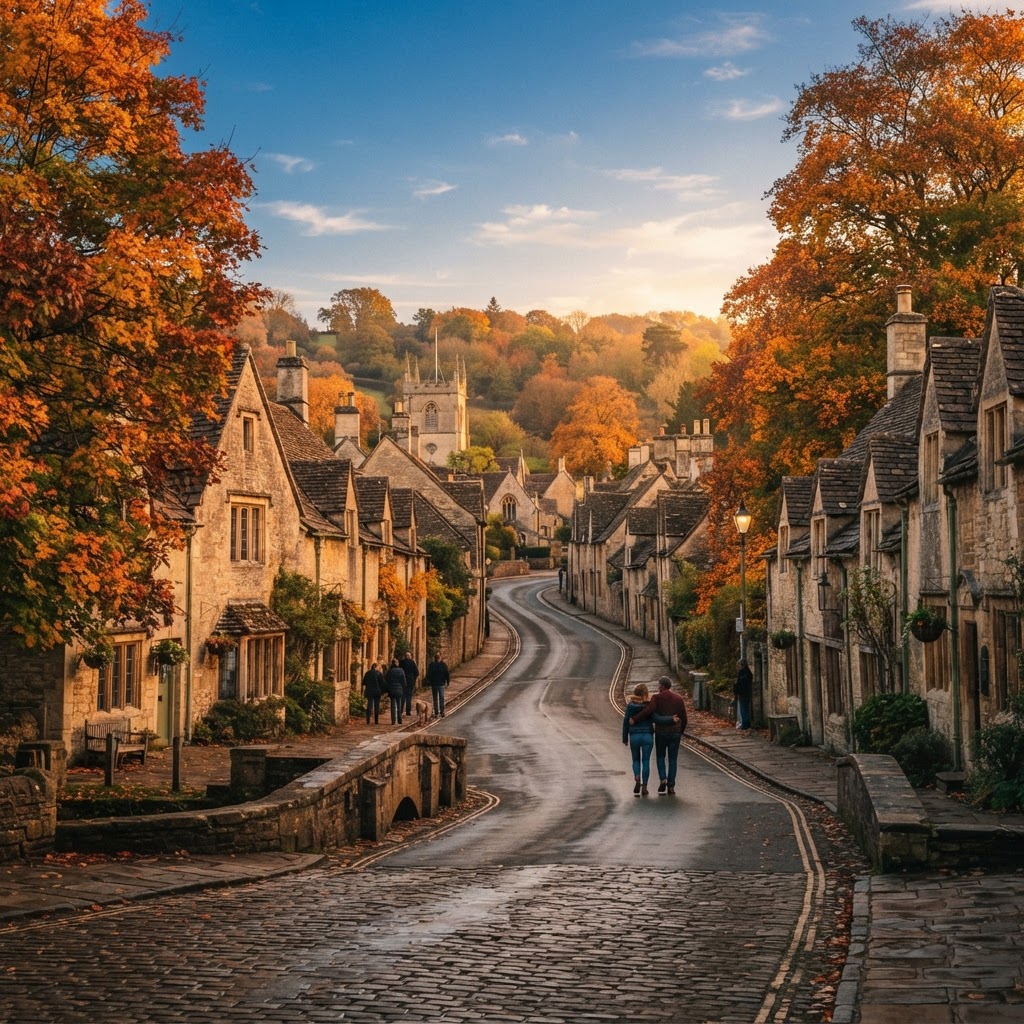
Autumn in the Cotswolds: 7 Dreamy Spots You Can Actually Visit
The best time to visit the Cotswolds for autumn foliage is between mid-October and early November, when the region’s honey-colored limestone villages are framed by vibrant amber, gold, and crimson leaves. Prime locations include Castle Combe, Broadway, and Bourton-on-the-Water, which offer the most picturesque seasonal landscapes.
The Magic of Castle Combe in Autumn
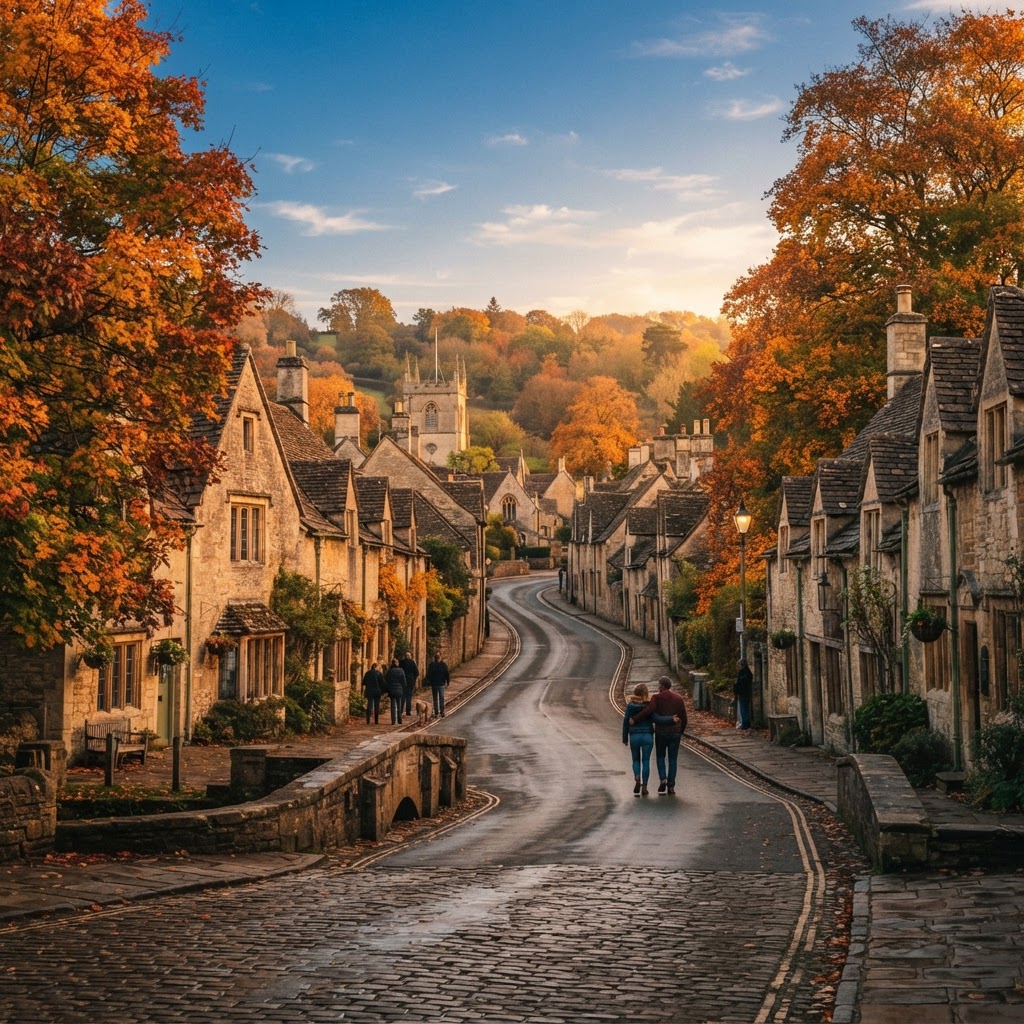
Castle Combe is widely recognized as the prettiest village in England, and it reaches peak aesthetic charm during the autumn months. The village is famously devoid of modern streetlights or television antennas, allowing visitors to step back in time while the Bybrook River reflects the changing canopy of leaves.
Why You Should Visit Now
The lack of summer crowds makes exploring the narrow lanes an intimate experience, typically saving you from the heavy tourist traffic seen in July and August. You can easily wander through the heart of the village without feeling rushed, capturing the perfect shot of the iconic weavers’ cottages. Walking up the hill toward the village entrance provides a panoramic view of the changing canopy that surrounds this historic valley, which is approximately 12 miles from Chippenham.
Practical Tips for Your Visit
Be sure to visit early in the morning to beat the day-trippers; arrive by 9 AM to secure one of the few parking spots available outside the village. Don’t miss the opportunity to grab a warm scone at a local tea room after your crisp morning walk, as most cafes open at 10 AM. Note that the narrow streets can become slippery with fallen leaves, so wear sturdy footwear.
Walking the Golden Streets of Broadway
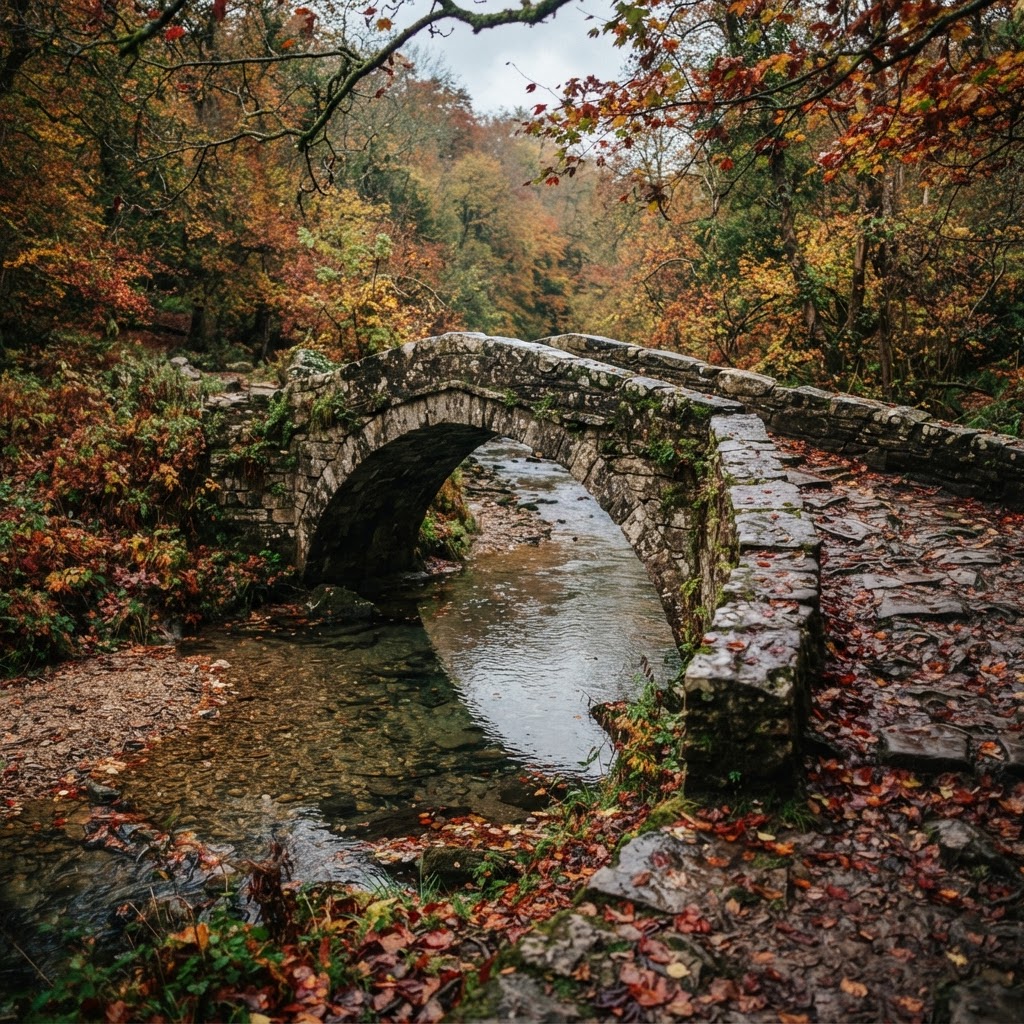
Known as the ‘Jewel of the Cotswolds,’ Broadway is a wide, tree-lined street that showcases a stunning collection of period houses dating back to the 16th century. In autumn, the mature horse chestnut and lime trees along the main thoroughfare turn a brilliant shade of orange, creating a golden tunnel effect that is unmatched in the region.
Exploring Broadway Tower
Rising above the village is the iconic Broadway Tower, which stands at 1,024 feet above sea level. Hiking the 1.5-mile path up to this historic folly provides one of the best viewpoints in the entire Cotswolds. From the top, you can survey the vast expanse of the Severn Vale, which, during autumn, appears as a patchwork quilt of seasonal colors. Admission to the tower museum is approximately £12 for adults, offering a unique perspective on the landscape that covers up to 16 counties on a clear day.
The Serenity of Bourton-on-the-Water
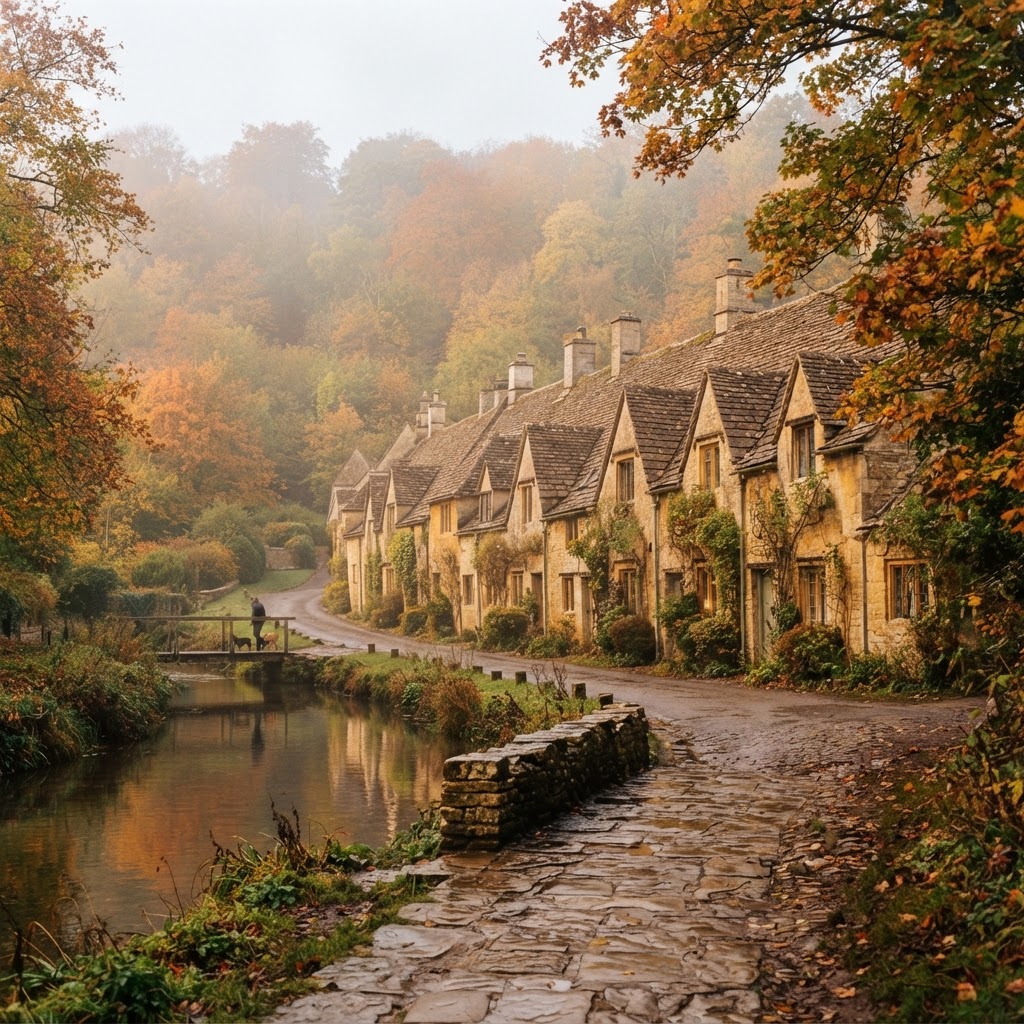
Often called the ‘Venice of the Cotswolds,’ Bourton-on-the-Water is defined by the shallow, crystal-clear River Windrush that flows through its center. The low stone bridges and wide grassy verges are magnificent in autumn, especially when the leaves begin to drift onto the water, creating a reflective display of warm hues.
It is the perfect place to sit on a bench with a hot coffee and watch the world go by. The local wildlife, particularly the ducks, seem even more charming against the backdrop of changing trees. Families and couples alike will find the village atmosphere incredibly welcoming and relaxing. On weekends, the village center can get busy, so plan your arrival for mid-week if you prefer solitude.
Chipping Campden: History and Foliage
Chipping Campden is arguably one of the most architecturally significant towns in the region, featuring a famous market hall built in 1627 that stands out during the fall. The town acts as the northern starting point of the 102-mile Cotswold Way trail, making it a critical hub for serious autumn hikers.
Must-Do Autumn Hikes
For those who love to hike, the surrounding countryside of Chipping Campden offers some of the most dramatic autumn vistas. Whether you tackle a portion of the long-distance trail or simply stroll through the nearby Hidcote Manor Garden, the interplay of light and shadow during an October afternoon is truly sublime. Hidcote remains open until late October (usually closing around 5 PM), allowing you to experience the famous garden rooms before the winter dormancy sets in.
Lower Slaughter: A Quiet Escape
If you prefer tranquility over the bustle of tourist hotspots, Lower Slaughter is your destination. This tiny, peaceful village features an old flour mill—now a museum and shop—and a brook that runs past traditional 16th and 17th-century cottages that remain largely untouched by time.
Why it wins in October
The reflection of the autumn trees in the slow-moving water creates a double-dose of color that is ideal for photography. It is a photographer’s paradise, offering endless opportunities to capture the essence of the Cotswolds without having to crop out other tourists. Take the time to walk the gentle 1-mile path toward the neighboring village of Upper Slaughter, which is an easy, flat stroll perfect for crisp October afternoons.
Bibury and the Iconic Arlington Row
Bibury is home to Arlington Row, a series of weavers’ cottages built in 1380, which stands as the most photographed street in the Cotswolds. When covered in the soft, low-hanging sunlight of an autumn afternoon, the limestone walls appear to glow against the dark, moody foliage of the surrounding Rack Isle wetland habitat.
Visitors should note that these cottages are private residences. When walking the area, ensure you stay on the designated paths to respect the privacy of the occupants while enjoying the incredible seasonal views that draw thousands of visitors to the region annually.
Stroud and the Surrounding Valley Vistas
While many travelers focus on the smaller villages, the market town of Stroud provides a more rugged side of the Cotswolds. Surrounded by five steep valleys, it offers dramatic hills and vast woodlands that show off the most intense foliage in the entire region, particularly in areas like Minchinhampton Common.
The Farmers Market Experience
Stroud is famous for its vibrant Saturday farmers market, which is consistently ranked as one of the best in the UK. In autumn, it is stocked with seasonal produce like pumpkins, squashes, and hearty breads from over 50 local vendors. It is the best place to sample local delicacies after a long, brisk walk in the nearby Slad Valley, immortalized by writer Laurie Lee.
Practical Planning for Your Fall Trip
When planning your visit, keep in mind that the weather can be unpredictable. Here is a quick checklist to help you stay comfortable while exploring the golden landscapes:
- Pack layers: The mornings are often near freezing, but afternoons can be mild and sunny.
- Waterproof footwear: Autumn brings heavy dew and frequent rain, making waterproof walking boots essential.
- Check opening times: Some gardens and attractions begin to close or shorten their hours in late October.
- Book accommodation early: The autumn foliage season is popular for weekend getaways, so hotels often fill up 2-3 months in advance.
FAQ
Q: What is the peak month for autumn leaves in the Cotswolds?
The peak for autumn foliage in the Cotswolds typically occurs between mid-October and early November. During this window, the region’s diverse tree population reaches its maximum color saturation before the first heavy frost causes leaves to drop.
Q: Is the Cotswolds crowded in October?
While October is significantly quieter than the summer months, weekends can still draw large crowds, especially in popular spots like Bibury and Bourton-on-the-Water. Aiming for mid-week visits will provide a much more peaceful experience for sightseeing and photography.
Q: Do I need a car to visit the Cotswolds in autumn?
While you can reach the Cotswolds by train from London to Moreton-in-Marsh or Stroud, a car is highly recommended for exploring the rural villages. Public transport schedules become less frequent in the shoulder season, and many remote viewpoints are inaccessible without your own vehicle.
Q: What should I wear for an autumn walk in the Cotswolds?
You should wear a waterproof jacket, sturdy walking boots with good grip, and comfortable layers. The Cotswold terrain consists of rolling hills and limestone paths that can become very slippery when wet or covered in fallen leaves during the autumn months.
Q: Are attractions open during the autumn season?
Most main attractions in the Cotswolds remain open throughout October, but many gardens and historic houses begin to switch to winter hours or close entirely by early November. It is best to check the official National Trust or English Heritage websites before traveling.
Mastering the Autumn Cotswolds: A Strategic Guide
Planning a trip to the Cotswolds requires more than just picking a village. The region covers 800 square miles, so you must choose a base wisely. If you rely solely on public transport, you will waste hours waiting for infrequent bus services. Renting a car is essential for reaching remote spots like the Rollright Stones or hidden woodland trails.
The Essential Three-Day Itinerary
Day one focuses on the northern Cotswolds, centering on Broadway and Chipping Campden. Spend day two exploring the central valleys, including Bourton-on-the-Water and the Slaughters. Dedicate your final day to the south, prioritizing Castle Combe and the ancient market town of Malmesbury. This pace keeps your travel time under ninety minutes between locations.
Avoiding Common Autumn Pitfalls
Many visitors underestimate how quickly the weather shifts in October. Pack layers, as you will experience damp mornings followed by bright, warm afternoons. Do not try to visit four villages in one day. You will spend more time behind the wheel than walking through the golden lanes.
Practical Logistics and Costs
Expect to spend between £150 and £250 per night for a high-quality boutique inn during autumn. Mid-week stays often reduce these rates by twenty percent. Parking remains the biggest challenge in popular spots. Always carry a supply of pound coins, as some rural car parks do not accept card payments or mobile apps.
Where to Skip
While Bibury is famous, it can become dangerously overcrowded with tour buses. If you seek quiet, skip the main street of Bibury entirely. Head instead to the nearby village of Coln St Aldwyns for a more authentic and peaceful experience. You will find similar stone architecture without the heavy foot traffic.
Your Pre-Departure Checklist
- Book your dinner reservations at least three weeks in advance for weekend trips.
- Pack waterproof hiking boots, as public footpaths become mud-heavy by late October.
- Download offline maps since mobile signal is spotty in the valleys.
- Check the official Cotswolds AONB website for seasonal road closures or event updates.
Frequently Asked Questions
Should I visit in late September or early November?
Choose late September for warmer, longer days and reliable weather. Choose early November if your priority is vibrant foliage and the cozy, fire-lit atmosphere of local pubs. The leaves peak during the last week of October, so plan around those seven days for the best colors.
Is the Cotswolds dog-friendly in autumn?
Yes, the region is highly welcoming to dogs. Most pubs allow pets in the bar area, and many local hotels offer dedicated dog-friendly rooms. Just remember to keep your dog on a leash when walking near grazing livestock, as farmers strictly enforce these rules during the autumn months.
Can I explore the Cotswolds without a car?
It is difficult but possible if you stick to the larger towns like Moreton-in-Marsh. You can use the train from London Paddington to reach Moreton-in-Marsh, then use the local bus network. You will be restricted to the main routes, missing out on the smaller, quieter villages that make the region special.
Leave a Reply