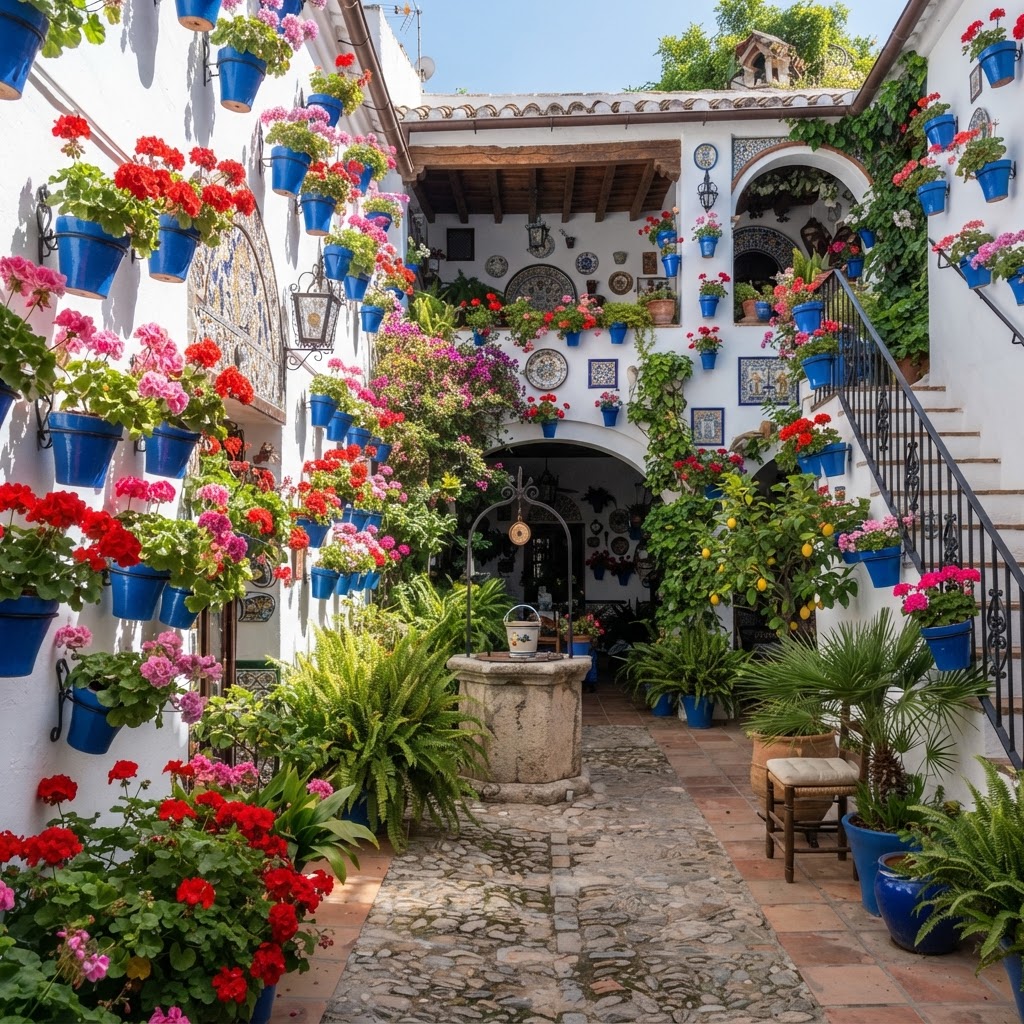
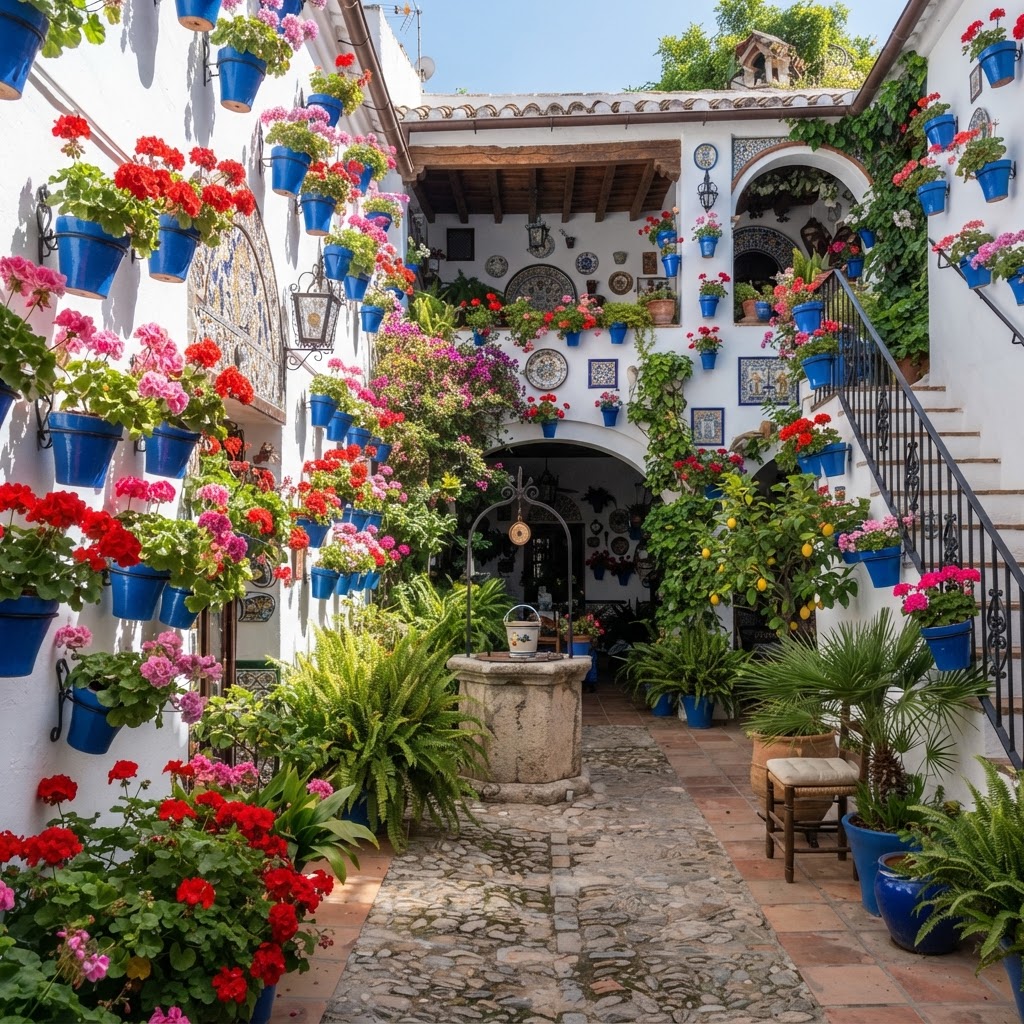
Step into the sun-drenched heart of Southern Spain, where architecture breathes through flowers and history hides behind unassuming white-washed walls. The Andalusian patios are more than mere gardens; they are a sensory masterpiece, a tradition born from the marriage of Roman coolness and Islamic intimacy. Throughout the region, particularly in Cordoba, these hidden oases serve as the soul of the home, offering a tranquil escape from the Mediterranean heat.
The History Behind Andalusian Patios
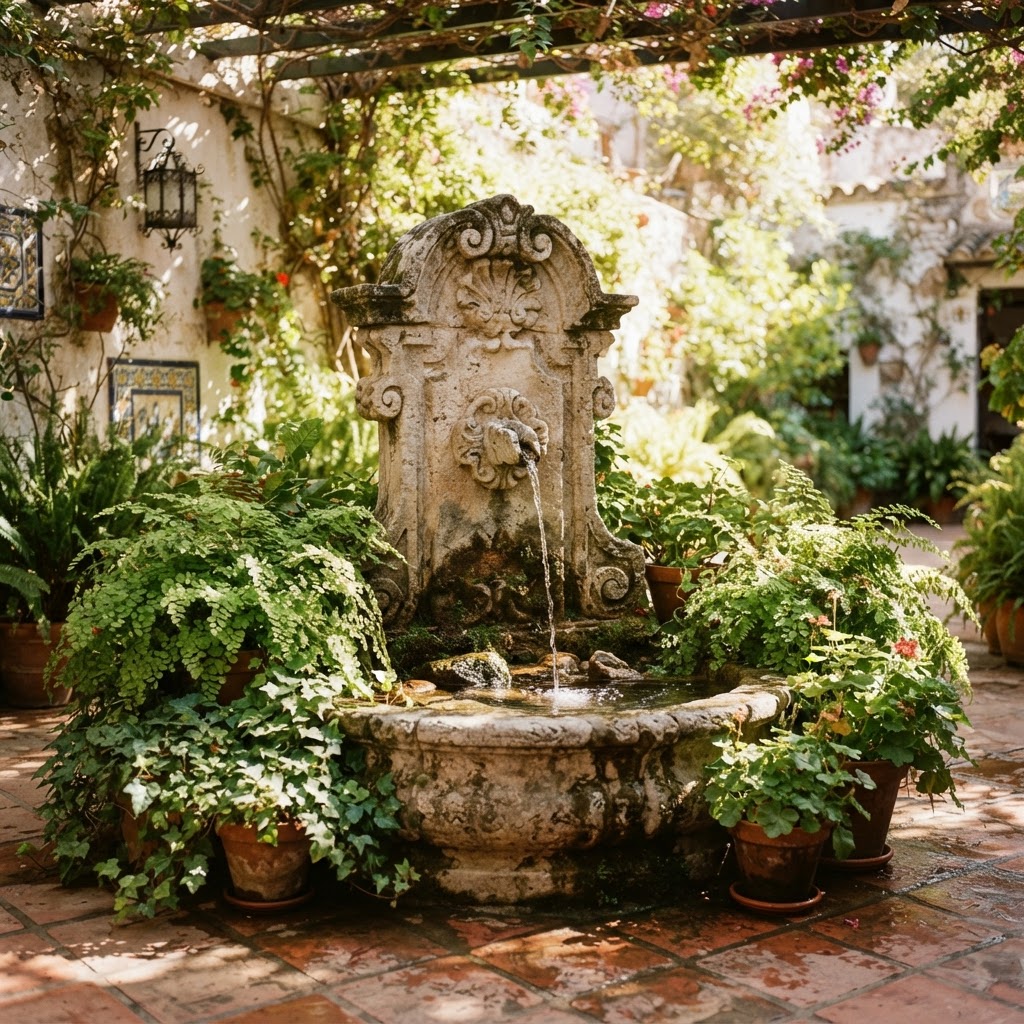
The architectural concept of the patio finds its roots deep in antiquity. Roman domus designs utilized central courtyards for light and ventilation, but it was the Moors who truly refined the art of the courtyard during their centuries of influence in the Iberian Peninsula. These spaces were designed for privacy, centering domestic life around water features and aromatic greenery.
By layering these Islamic principles with the classic Mediterranean focus on white-washed walls and terracotta tiling, the modern Andalusian patio emerged. Today, these spaces represent a living museum of botanical care and architectural heritage. Walking through them is not just an aesthetic experience; it is a lesson in climate adaptation and cultural endurance.
The Magic of the Cordoba Patios Festival
If there is one time to visit Southern Spain, it is during the Patios de Cordoba Festival, held every May. This UNESCO-recognized event transforms the city into a riot of color. During these two weeks, residents open their private homes to the public, showcasing courtyards adorned with thousands of geraniums, carnations, and jasmine.
What to Expect During the Festival
Visiting during the festival requires patience and a good pair of walking shoes. Because these patios are often located in private residences, lines can be long. However, the experience of wandering through narrow, winding alleys to discover a hidden sanctuary is well worth the effort.
The Competition Criteria
Not all patios are created equal in the eyes of the judges. Expert panels evaluate the entries based on:
- Plant health and variety
- Artistic design and symmetry
- Use of traditional decorative elements like ceramics and wrought iron
- Water conservation and maintenance techniques
Iconic Patios in the Palacio de Viana
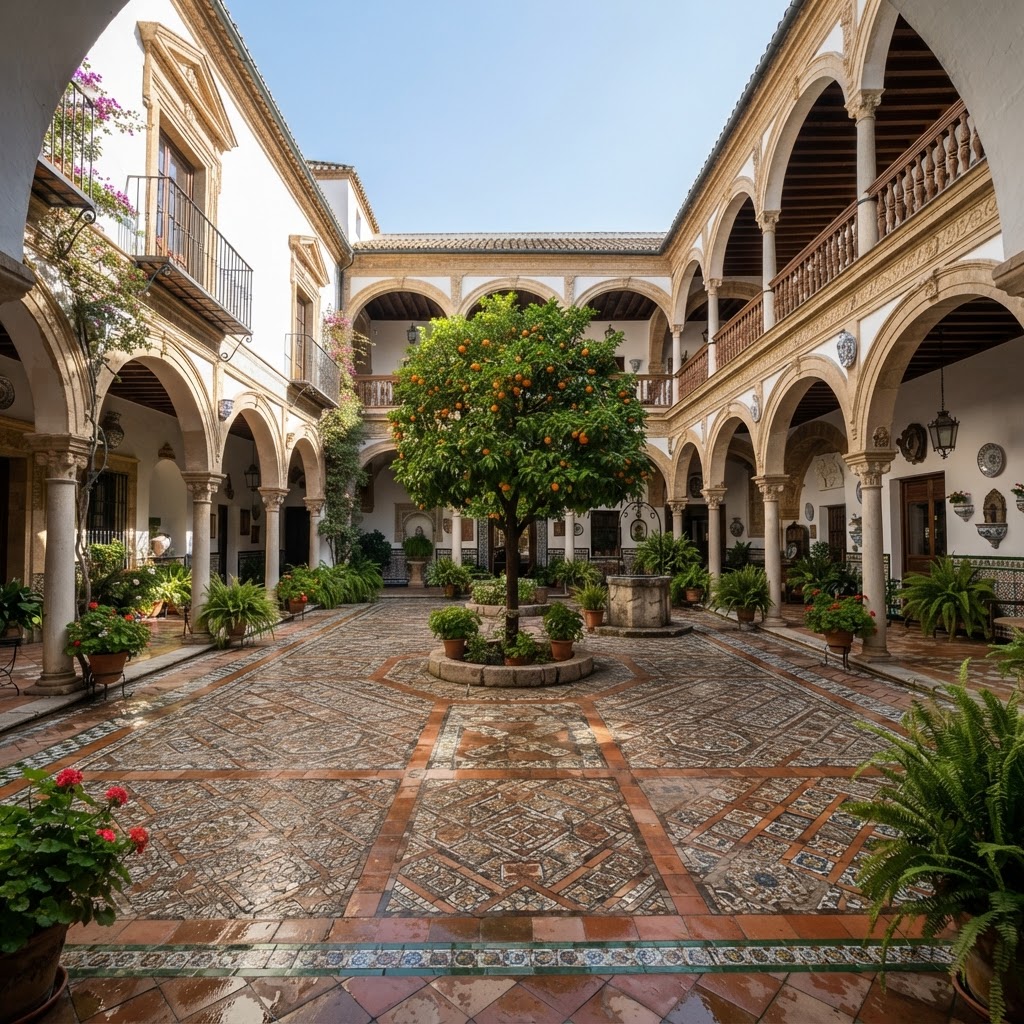
The Palacio de Viana is often called the ‘Museum of Patios.’ Unlike the private homes you might visit during the festival, this 14th-century palace allows you to explore twelve distinct courtyards year-round. Each garden tells a different story through its unique design and plant selection.
The Patio of the Cats
This is perhaps the most famous, featuring traditional white walls contrasted against the vivid blues of flower pots. It is the perfect example of how structure and nature coexist in Andalusian design. You will find that the symmetry here is almost meditative, offering a deep sense of calm.
The Patio of the Arch
This area highlights the historical transition of the palace through various centuries. The use of stone arches and antique well heads provides a glimpse into the aristocratic life of Cordoba’s past. It is an essential stop for architecture enthusiasts and photographers alike.
Must-Visit Courtyards in Seville
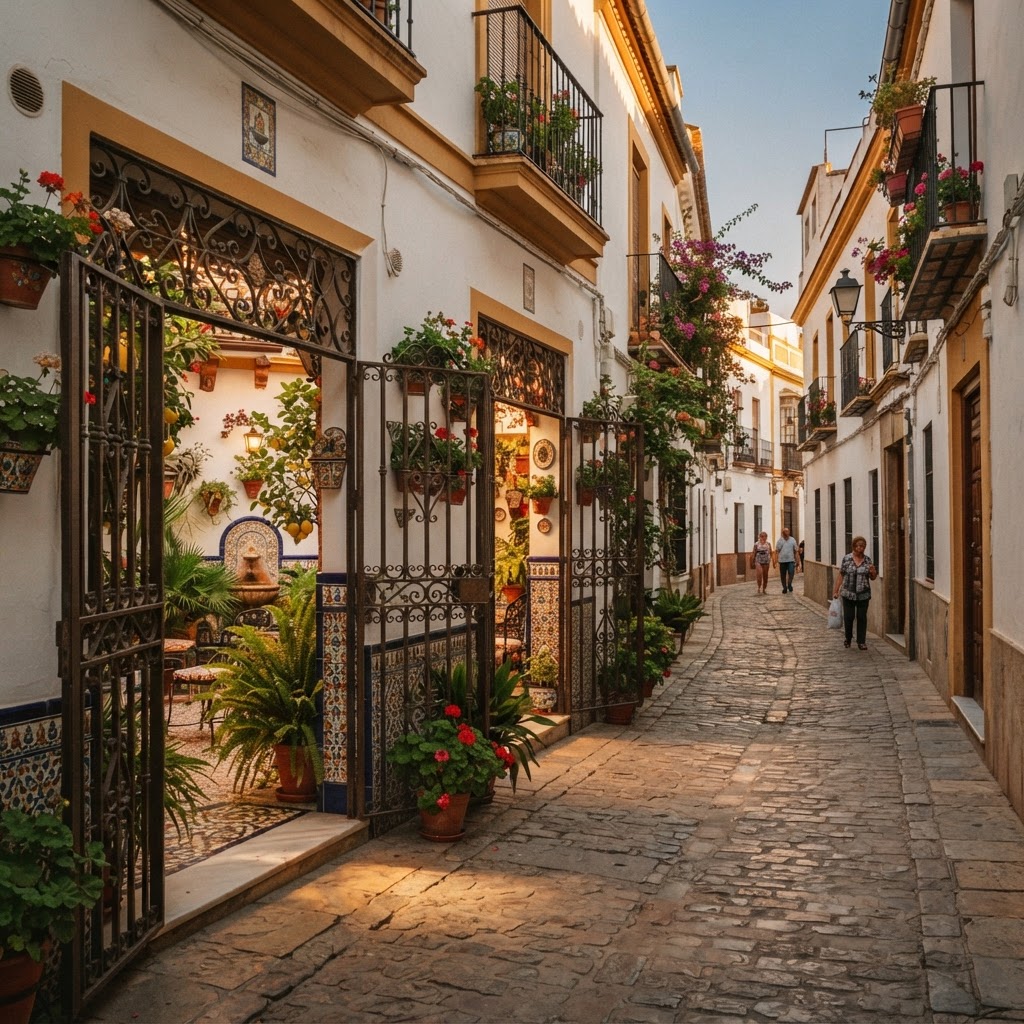
While Cordoba is the capital of the courtyard, Seville offers a distinct flavor of Andalusian beauty. The city’s patios often incorporate more Mudéjar influences, featuring complex tile work known as azulejos. These geometric patterns create a sense of depth and mystery that is entirely unique to the Sevillian style.
One of the best ways to see these is by visiting the historic houses in the Santa Cruz quarter. These mansions often feature central fountains, which serve as the cooling center of the home. The sound of trickling water, combined with the scent of orange blossoms, creates an atmosphere of pure tranquility.
Design Secrets for Your Own Patio
If you are feeling inspired by the traditional Andalusian aesthetic, you can recreate elements of this magic in your own space. The secret lies in the ‘less is more’ approach when it comes to furniture, and ‘more is more’ when it comes to plant life. Start by focusing on vertical gardening.
Vertical Greenery Techniques
In Andalusia, ground space is limited, so residents hang pots directly onto the walls. Use bright, contrasting terracotta pots against a white-washed wall to achieve the classic look. Ferns, ivy, and blooming geraniums are the most traditional choices for these hanging displays.
The Role of Water Features
Even a small fountain or a simple ceramic bowl filled with water can act as a cooling anchor. Water is central to the patio experience, providing the essential hum of life that makes the space feel alive. If plumbing is not an option, ensure that your design incorporates water-themed ceramics or murals.
Cultural Preservation and Challenges
The survival of the patio culture is not guaranteed. As modern living shifts toward apartment blocks and air conditioning, many traditional homes are at risk of being converted or neglected. Efforts by the local government and UNESCO are vital in ensuring that the younger generation continues to value these spaces.
By visiting these sites, you are supporting the local economy and the families who spend countless hours maintaining their greenery. Sustainable tourism is key; always respect the signage and the private nature of these homes, even when they are open to the public during festivals.
Tips for a Sustainable Visit
To ensure you have the best experience, try to travel during the shoulder seasons. April and May are ideal for the flora, but the crowds can be heavy. Visiting during the early morning helps you avoid the mid-day heat and the peak tourist queues.
| Feature | Best Time to Visit | Why |
| — | — | — |
| Cordoba Festival | May | Peak blooming period |
| Palace Gardens | Year-round | Consistent maintenance |
| Private Tours | Autumn | Cooler temperatures |
Conclusion
Andalusian patios are more than just a tourist attraction; they are a testament to how humans can integrate nature into the urban environment. From the historic halls of the Palacio de Viana to the vibrant, flower-filled alleys of Cordoba’s private homes, these spaces offer a glimpse into a way of life that celebrates patience, beauty, and tradition. If you have the chance, walk through these courtyards yourself and feel the cool, aromatic air for yourself. Don’t wait—start planning your trip to Southern Spain today and witness the timeless charm of these magnificent gardens.
Leave a Reply