
Locals in Valencia primarily congregate in the bohemian neighborhood of Ruzafa, the verdant Turia Gardens, the historic fishing quarter of El Cabanyal, and the intimate plazas within the Barrio del Carmen. To experience the city like a resident, swap the crowded Mercado Central for neighborhood markets like Mossen Sorell and spend sunsets at the Albufera lagoon.
Ruzafa: The Bohemian Heartbeat
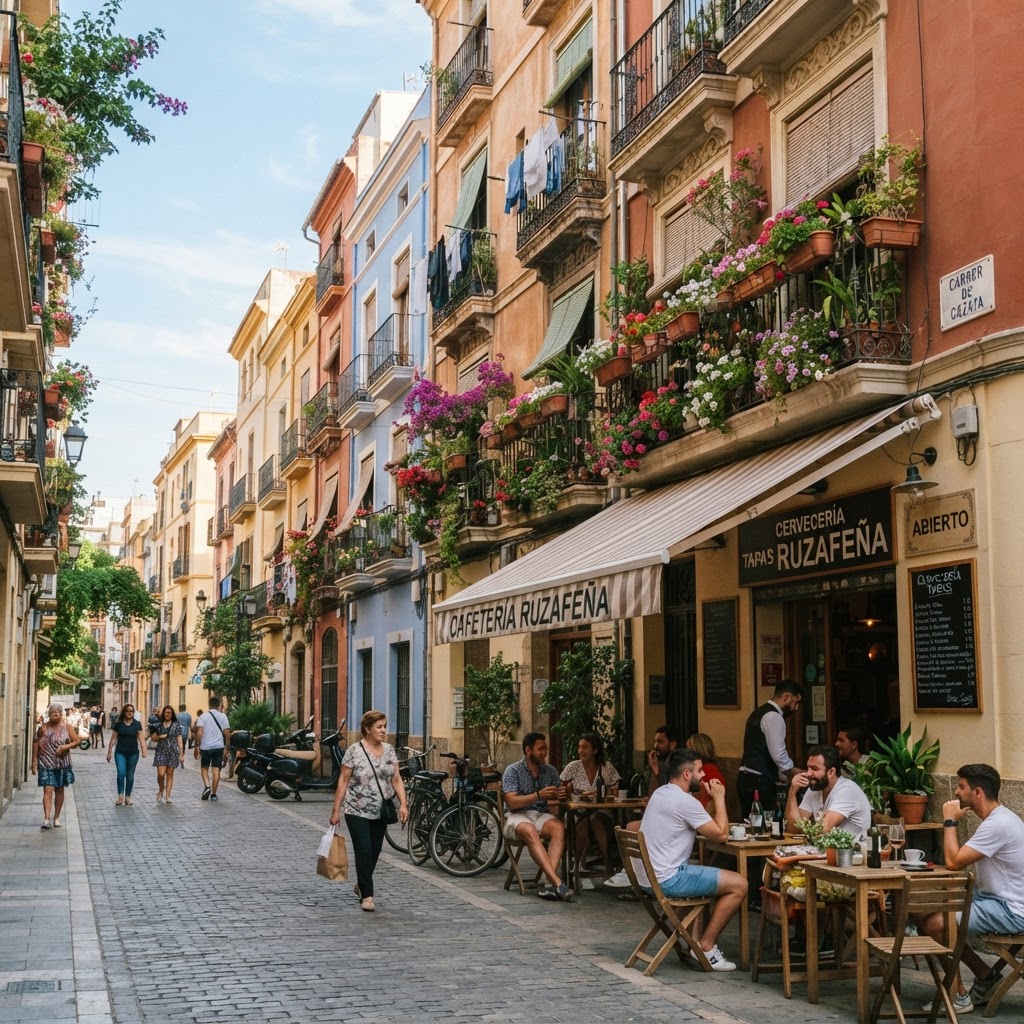
Ruzafa is the undisputed pulse of local Valencian life, serving as the city’s creative and social epicenter. Once a working-class district, it has transformed into a vibrant hub featuring over 50 independent galleries, craft beer establishments, and artisanal bookstores that define the neighborhood’s unique character. Unlike the tourist-heavy Old Town, Ruzafa operates on a slower, more deliberate schedule where the afternoon vermouth hour is a cultural institution.
Walking through the narrow streets of Ruzafa feels like stepping into a living canvas. Unlike the manicured tourist areas, here the walls are adorned with sophisticated street art, and the plazas are filled with families playing while friends gather for an afternoon vermouth. The atmosphere is undeniably international, yet it retains a deeply rooted Valencian sense of community.
Where to Eat and Drink Like a Local
Forget the overpriced paella restaurants near the beach. In Ruzafa, locals head to Mercado de Ruzafa to witness the bustling trade of fresh produce. After browsing the stalls, head to a nearby bodega for a glass of local Valencian wine and some classic tapas. You will find that the best spots here are often small, dimly lit, and packed with regulars who have been coming for years.
The Turia Gardens: A River of Life
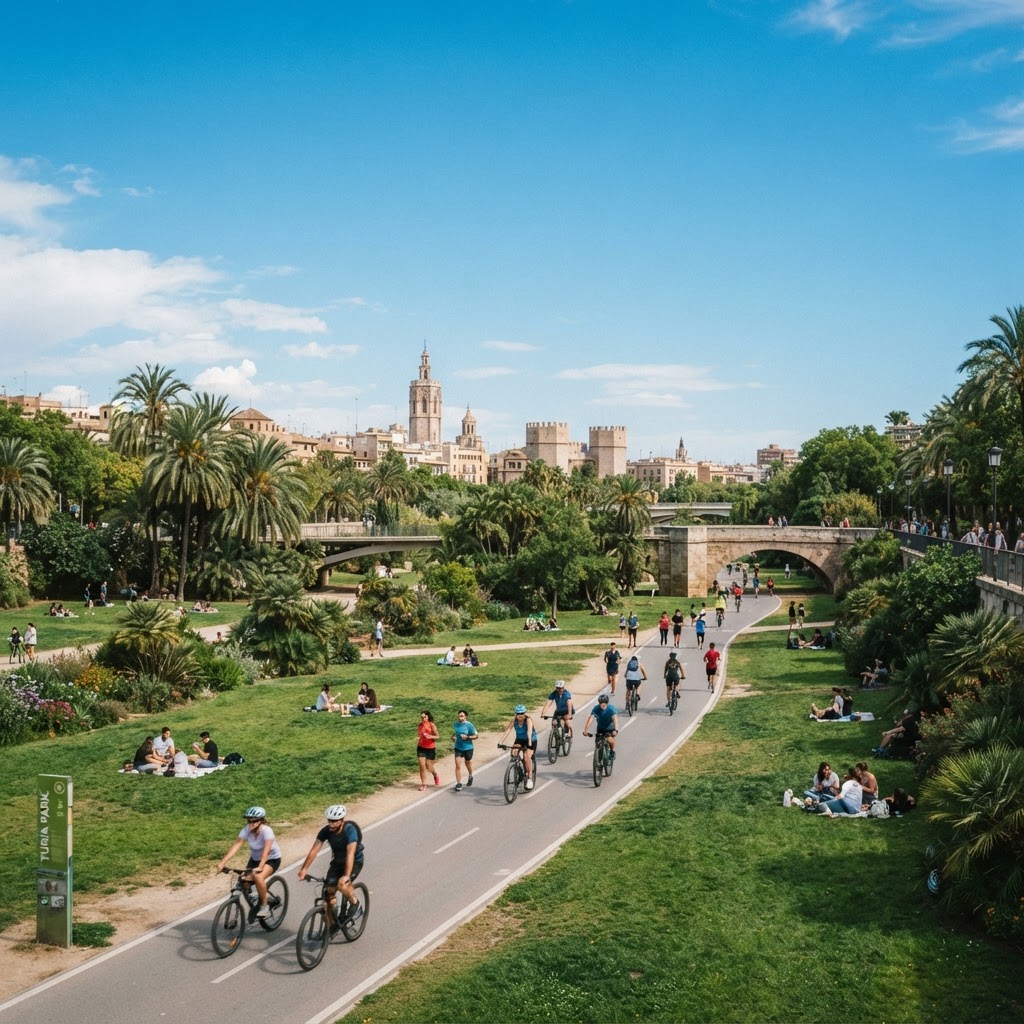
Valencia is famous for its unique urban geography: a dry riverbed that has been converted into a massive, lush green park stretching over 9 kilometers across the city. While tourists certainly visit the Turia Gardens, they often stick to the sections near the science museums. Locals, however, use the park as their primary artery for transit and recreation, cycling to work or jogging on the dedicated 5km track that winds through the city center.
Running from the Cabecera Park in the west to the edge of the port, the Turia is where you see the real Valencia at play. On any given Sunday, you will see local running clubs sprinting past, yoga groups finding their flow under the shade of ancient trees, and elderly neighbors engaging in intense matches of petanque. It is the city’s true backyard, providing a serene escape from the urban density.
Hidden Corners of the Turia
If you want to experience the gardens like a resident, find a quiet spot under the Puente de las Flores. Bring a book, grab a picnic from a local bakery, and watch the world go by. It is the perfect place to witness the slow, deliberate pace of Valencian life that many visitors miss while rushing between sightseeing attractions.
El Cabanyal: The Authentic Seaside
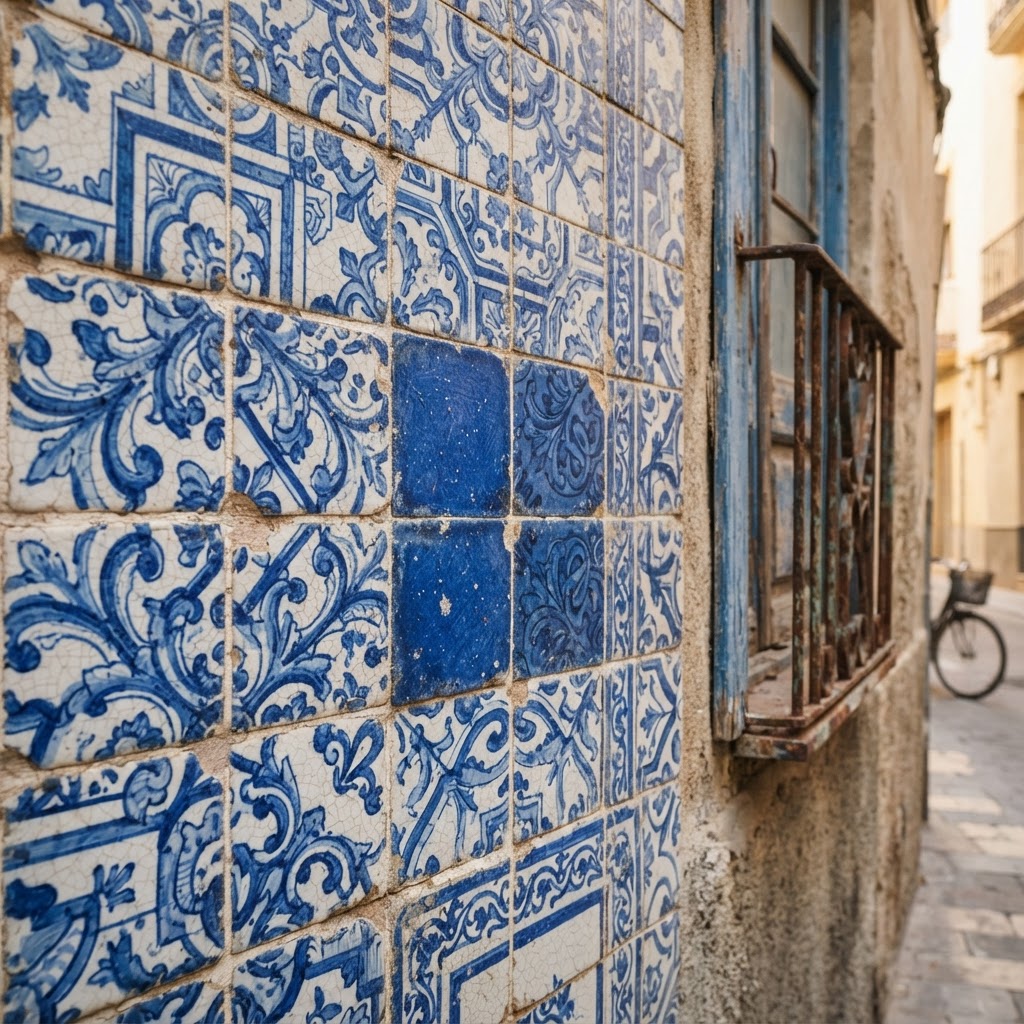
While most tourists flock to the modern beach promenade of Malvarrosa, those who know where locals go in Valencia head just a few blocks over to El Cabanyal. This former fishermen’s quarter is characterized by its colorful, tiled houses—often dating back to the late 19th century—and narrow streets that lead directly to the sea. It is a place that feels frozen in time, protected from the sterile development seen elsewhere.
The Charm of the Fishermen’s Quarter
El Cabanyal has a rugged, honest beauty. It is not polished, but that is exactly why it is so beloved by the locals. Here, you can find legendary seafood taverns serving fresh catches that never made it to the fancy tourist menus. Spend your afternoon wandering the streets to admire the unique ceramic tile facades, a quintessential architectural feature of this district that tells the story of Valencia’s maritime heritage.
The Secretive Charms of Barrio del Carmen
Barrio del Carmen is the historic heart of Valencia, a maze of over 1,000 years of history contained within medieval alleyways that can feel overwhelming at first. The secret is knowing which turns to take to avoid the main thoroughfares filled with souvenir shops. If you dive deeper into the labyrinth, you will stumble upon hidden plazas like Plaza del Tossal, where time seems to stand still and the local crowd outnumbers visitors by a ratio of 5:1.
Look for the tiny, unassuming doors that reveal stunning courtyards or ancient, vaulted cellars transformed into cozy bars. These are the places where students, artists, and long-time residents gather to discuss the day over a local beer. It is in these dark, atmospheric corners that you truly feel the history of the city pressing in from all sides.
Exploring the Local Markets Beyond the Central Market
While the Mercado Central is an architectural masterpiece that everyone must see, it can be crowded with visitors, often reaching capacity by mid-morning on Saturdays. For a more authentic experience, seek out the smaller, neighborhood-specific markets. Mercado de Mossen Sorell, for instance, offers a sophisticated take on the traditional market experience, focusing on high-quality local produce, gourmet delicacies, and artisanal cheeses that are not found in larger tourist traps.
Why Neighborhood Markets Matter
These smaller markets are where the real connection between farmer and consumer happens. By shopping here, you are supporting the local economy and tasting the true ingredients of the Valencian diet—the seasonal artichokes, the fresh citrus, and the local cheeses. It is an immersive sensory experience that connects you directly to the agricultural richness of the surrounding countryside.
Sunset at La Albufera
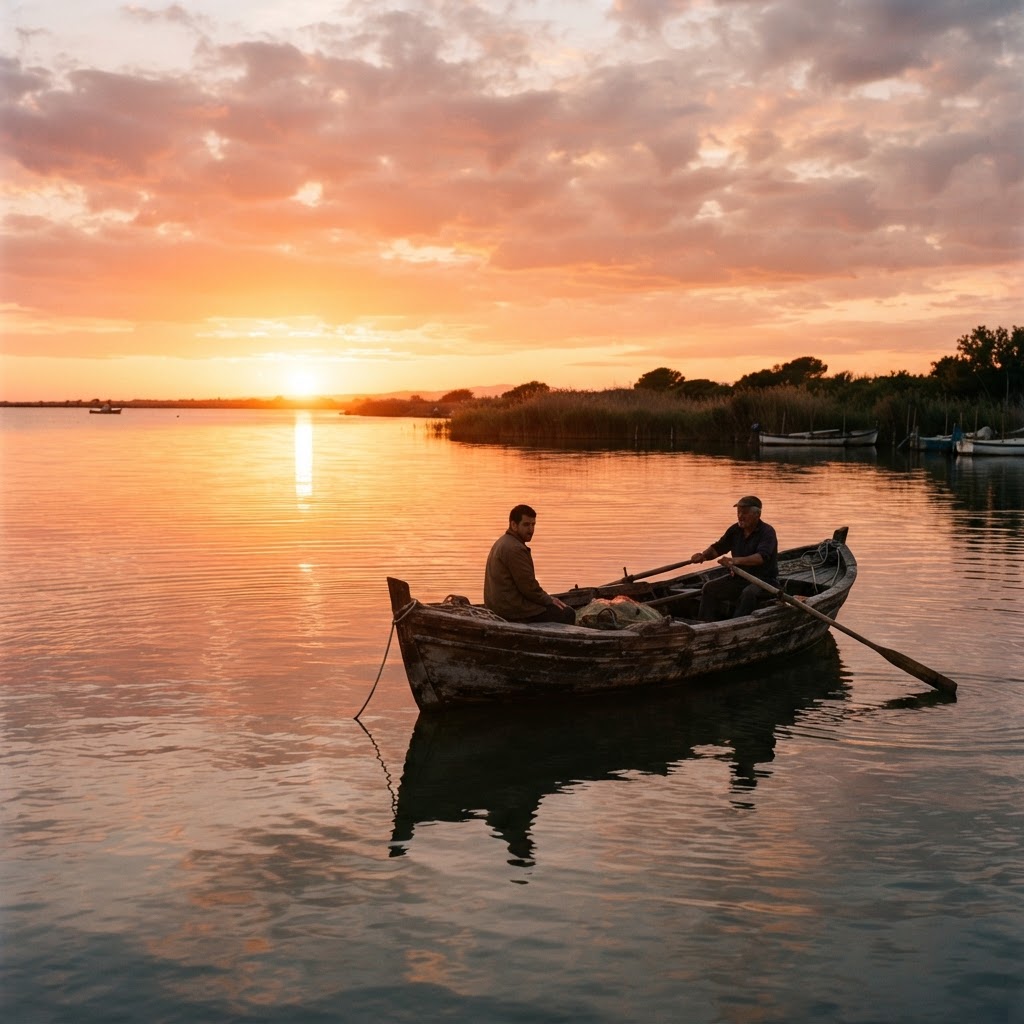
La Albufera is a sacred place for Valencians, situated 10 kilometers south of the city center, covering approximately 21,000 hectares of protected wetlands. This massive freshwater lagoon is the birthplace of paella, and locals head here in the late afternoon to witness the sunset over the water. Instead of taking a large tourist boat tour, do as the residents do: drive or take the local bus (Line 24 or 25) to El Palmar and walk along the quiet irrigation canals.
There is a profound stillness here that is rare to find near a major city. Watching the sun dip below the horizon while a traditional wooden boat glides across the reeds is the most “Valencian” memory you can possibly take home. It is a reminder that in this city, life is meant to be savored slowly, one golden hour at a time.
FAQ
Q: What is the best neighborhood for an authentic Valencian experience?
Ruzafa is the best neighborhood for an authentic experience, offering the highest concentration of local bars, independent art galleries, and small-scale markets. It retains a strong sense of community while providing a lively atmosphere that isn’t focused on traditional tourist attractions.
Q: How do I get to La Albufera from the city center?
Take the EMT bus line 24 or 25 from the city center to reach El Palmar, the primary village at La Albufera. The journey takes approximately 45 minutes and costs about €1.50, making it an affordable way to reach the sunset spots.
Q: Is it necessary to book restaurant reservations in Ruzafa?
Yes, booking a reservation is recommended for popular dinner spots in Ruzafa, especially on Thursday, Friday, and Saturday nights. Local favorite restaurants often fill up by 9 PM, so calling 24 hours in advance is advised.
Q: What should I buy at a local neighborhood market?
Focus on seasonal items like artichokes in winter, fresh oranges from the surrounding Huerta, and local Valencian goat cheeses. These ingredients represent the agricultural heritage of the region and are staples in the typical local diet.
Q: Are the Turia Gardens safe for solo travelers at night?
Yes, the Turia Gardens are generally safe and well-lit in major sections, but it is recommended to stay in populated areas after dark. Stick to the paved paths near the bridges where other joggers and cyclists are typically present until late.
Mastering the Valencian Rhythm
Life in Valencia follows a schedule dictated by the sun and the seasons. Shops frequently close between 2:00 PM and 5:00 PM for siesta, and dinner service rarely begins before 9:00 PM. If you show up for an evening meal at 7:00 PM, you will likely be the only person in the restaurant. Plan your day around these natural lulls to avoid frustrated hunger and empty streets.
The Mistake of the Paella Trap
Avoid any restaurant displaying photos of food on a signboard outside. Authentic Valencian paella is cooked slowly over a wood fire and requires at least 30 minutes of preparation time. If a menu promises paella in under 15 minutes, it is almost certainly a frozen, pre-made meal. Head instead to the neighborhood of El Palmar near the Albufera lagoon for the most genuine experience.
A Local’s Checklist for Daily Living
- Rent a bicycle: Valencia is flat and the bike lane network covers over 150 kilometers. It is the only way to navigate the city without frustration.
- Coffee culture: Ask for a cremaet after your meal. This is a potent mix of espresso, rum, cinnamon, and lemon peel.
- Water etiquette: You can drink tap water, but it has a high mineral content that many locals dislike. Use a refillable bottle and grab a filtered water tap if the taste bothers you.
- Sunday shopping: Plan ahead because almost all supermarkets and shops are closed on Sundays.
When to Visit and How Long to Stay
Avoid August if you dislike intense humidity and crowds. Most locals leave the city for their own beach houses during this month, and many independent businesses close entirely. May and October offer the perfect balance of warm temperatures and manageable foot traffic.
You need at least four full days to grasp the city’s pace. Spending two days hitting the major sites leaves you rushing, while a four-day itinerary allows for long, aimless walks through the Barrio del Carmen. Stay in the Eixample district if you want easy access to both the historic center and the modern train station.
Frequently Asked Questions
Is it necessary to speak Spanish to get by in local areas?
Not strictly, but learning basic phrases goes a long way. While many younger Valencians speak English, the shopkeepers in neighborhood markets like Mossen Sorell prefer Spanish or Valencian. A simple bon dia (good morning in Valencian) earns you a smile and better service every time.
What is the best way to travel from the airport?
Skip the expensive taxis. The Metro lines 3 and 5 connect the airport directly to the city center in about 25 minutes. It costs less than 5 euros, and it is the standard method for residents commuting to the city. Download the ‘Metrovalencia’ app to track real-time arrivals and avoid standing on the platform for long periods.
Should I visit the City of Arts and Sciences?
Yes, but view it as an architectural marvel rather than a full-day activity. Walk the exterior grounds during the golden hour to see the reflection pools at their best. If you want to spend time inside, pick either the Science Museum or the Aquarium; doing both in one day is exhausting and unnecessary.
Leave a Reply