
The Magic of Spanish Tiles: A Timeless Design Guide
Spanish tiles, or ‘azulejos,’ are decorative ceramic tiles defined by vibrant hand-painted patterns, durable tin-glazed surfaces, and geometric motifs that bridge historical Mediterranean craftsmanship with modern interior design. These tiles serve both functional, climate-control purposes and aesthetic roles, instantly adding character to kitchens, bathrooms, and outdoor courtyards.
The Rich History of Spanish Ceramics
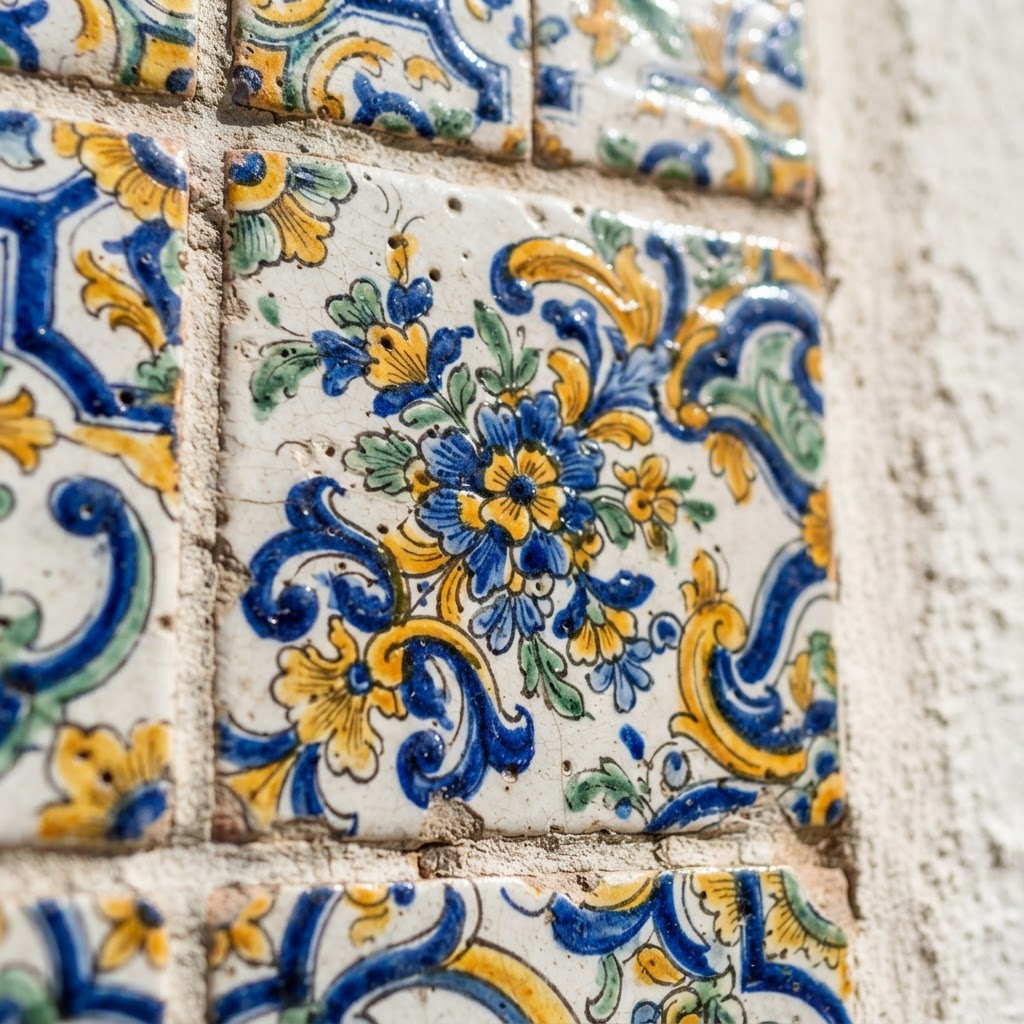
The story of Spanish tilework is a complex tapestry woven from cultural exchanges across the Iberian Peninsula, reaching its zenith between the 13th and 15th centuries. During the medieval period, the fusion of Moorish craftsmanship and Christian aesthetics led to the creation of the famous ‘azulejos.’ These tiles were not merely decorative; they were structural necessities, keeping homes cool during the blistering summer heat while providing an incredibly durable, easy-to-clean surface.
Artisans historically used tin-glazing techniques, which allowed for the application of vibrant, opaque colors over a white base. This method defined the aesthetic of the region, creating patterns that ranged from simple cobalt blue geometric shapes to intricate, multi-colored floral mosaics. Today, these historical influences remain a gold standard for those seeking to infuse character into their modern living spaces, with authentic pieces often utilizing centuries-old techniques like cuerda seca (dry cord) to create raised lines between colored glazes.
The Cultural Significance of Patterns
Every pattern tells a story. In traditional Spanish design, the repetition of geometric shapes often symbolizes infinity and balance, a hallmark of Islamic art influences. Conversely, floral motifs and vine-like patterns often represent the natural beauty of the Spanish landscape, bringing the vibrancy of the outdoors inside. By choosing specific patterns, you are not just selecting a floor covering; you are paying homage to a centuries-old craft that continues to define architectural beauty.
Choosing the Right Spanish Tiles for Your Space
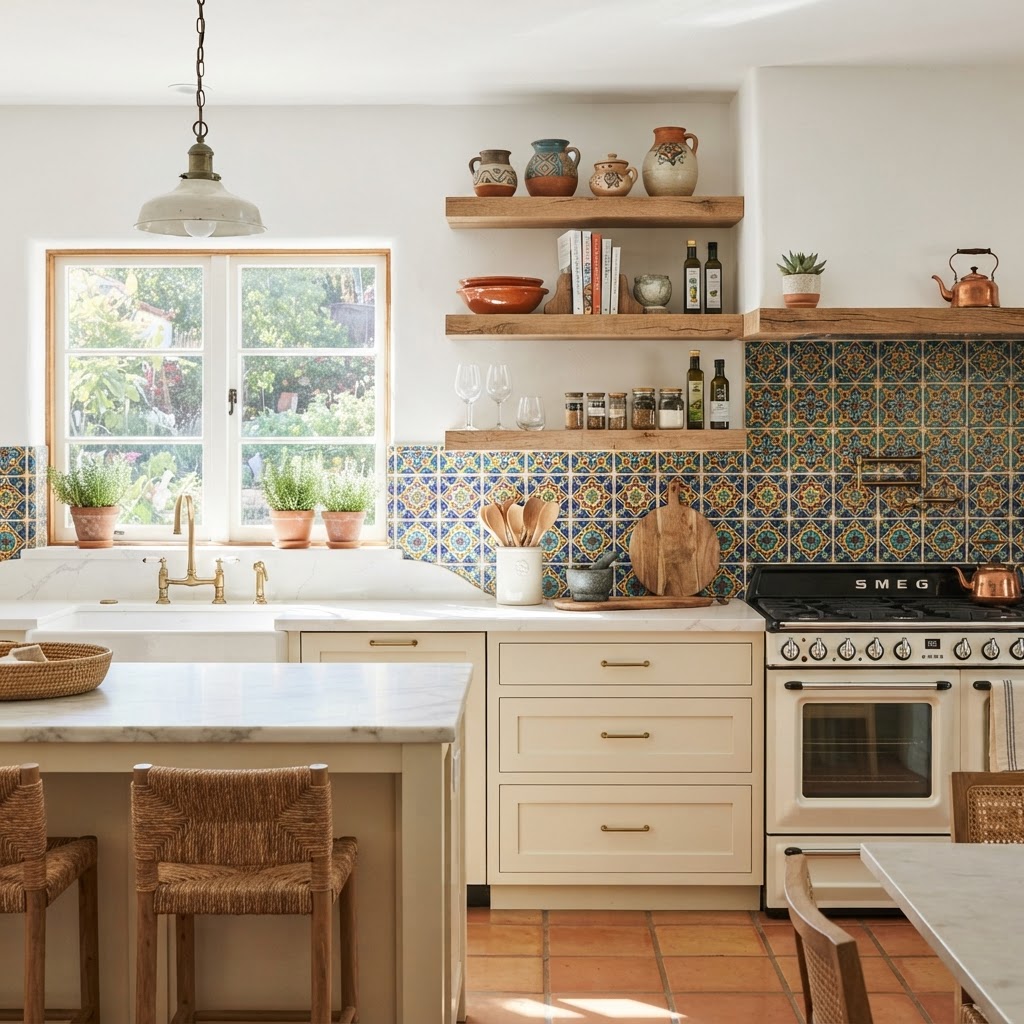
When selecting tiles, the first step is to distinguish between handmade artisanal tiles and mass-produced versions, as each serves a different budget and aesthetic goal. Authentic handmade Spanish tiles are celebrated for their slight irregularities, such as variations in color depth, surface texture, and edge alignment; these imperfections are the marks of human craftsmanship that give a room its soul.
When planning your space, consider the material composition. Terracotta-based tiles provide a warm, earthy foundation, while white-bodied ceramics offer a crisp, clean canvas for bright, bold pigment application. If you are decorating a high-traffic area, ensure the tiles have a high slip resistance and a glaze rating suitable for heavy use to maintain their beauty over time. Industry standards typically suggest a Porcelain Enamel Institute (PEI) rating of 3 or higher for residential floors to prevent premature wear in high-traffic kitchens or entryways.
Key Considerations for Your Project
- Durability: Check the PEI rating to ensure the tile can withstand your intended foot traffic.
- Color Palette: Decide if you want a monochromatic look or a bold, multi-colored statement piece.
- Texture: Matte finishes offer a more traditional, grounded aesthetic, while glossy finishes brighten up smaller, darker rooms.
- Maintenance: Remember that intricate hand-painted designs require specific cleaning solutions to protect the glaze.
Incorporating Patterns into Modern Interiors
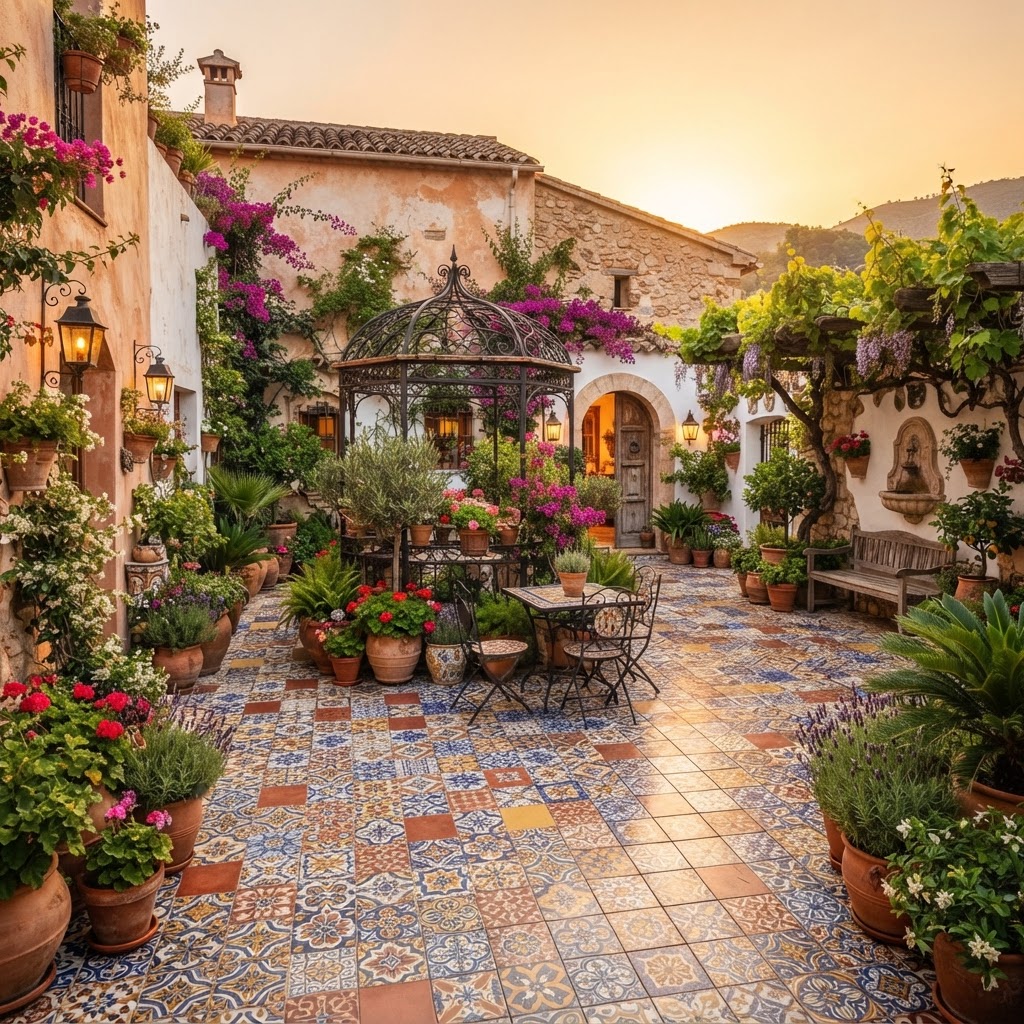
One of the most exciting aspects of working with Spanish tiles is the ability to create focal points through strategic placement and design composition. A ‘carpet’ of patterned tiles in a kitchen or entryway can immediately anchor a room, drawing the eye and establishing a theme. In modern homes, this is often achieved by surrounding a central cluster of decorative tiles with neutral-colored stone or plain ceramic borders, preventing the design from feeling too overwhelming and creating a visual boundary.
If you prefer a more subtle approach, consider using patterned tiles as a backsplash in a kitchen or a feature strip in a bathroom. This approach allows you to enjoy the magic of Spanish design without committing to a full-floor installation. By balancing these vibrant patterns with minimalist furniture and neutral walls, you create a sophisticated space that feels intentional rather than cluttered. Professional designers often recommend keeping wall paint to a neutral hue like off-white or soft gray to ensure the tile colors remain the primary visual focus.
Maintenance and Care for Lasting Beauty
To ensure your Spanish tiles remain as vibrant as the day they were installed, regular maintenance must focus on both the glazed surface and the grout lines. Unlike natural stone, glazed ceramic tiles are generally non-porous and quite easy to clean with basic household tools. However, the grout lines are the most vulnerable parts of your installation and often absorb grime that can discolor the pattern transition.
Using a high-quality penetrating grout sealer immediately after installation will prevent dirt and spills from penetrating the joints, keeping your pattern crisp for years. When cleaning, avoid harsh chemical abrasives or acidic solutions like vinegar or lemon juice, which can etch the glaze and permanently dull the colors of your tiles. Instead, rely on warm water and a mild, pH-neutral soap specifically formulated for ceramic surfaces. Regular sweeping and damp mopping are typically all that is needed to preserve the finish and structural integrity of the ceramic surface for decades.
The Psychology of Color in Spanish Design
Color plays a pivotal role in the emotional impact of Spanish-style rooms, as specific palettes evoke distinct psychological responses. Deep blues and greens often evoke a sense of calm and tranquility, inspired by the Mediterranean Sea. Rich oranges, terracottas, and sunny yellows bring the warmth of the Spanish sun into your home, creating an inviting, energetic atmosphere that is perfect for kitchens and dining areas where social interaction occurs.
When planning your color scheme, use the 60-30-10 rule. Let 60 percent of the room be a neutral base, 30 percent be a secondary complementary color found in your tiles, and 10 percent be an accent color that makes the pattern pop. This systematic approach helps in integrating bold patterns into a cohesive interior design strategy without overwhelming the eye. For example, if your tile features deep blue and orange, use those colors as your 30 percent and 10 percent accents against a 60 percent cream-colored wall.
Expert Tips for Installation Success
Achieving that perfect, professional look requires careful planning, measurement, and a bit of patience during the dry-lay process. Before laying a single tile with mortar, always dry-lay your pattern to see how the layout fits your specific room dimensions. This involves arranging the tiles on the floor without adhesive to ensure that the layout is centered correctly and that you aren’t left with awkward, tiny slivers of tile at the edges of the room.
Another critical tip is to mix tiles from different boxes during installation to achieve an organic aesthetic. Because these tiles are often produced in small batches or hand-painted, slight color variations can occur between boxes. Mixing them ensures that the distribution of these subtle shifts is organic and balanced across the entire installation area, resulting in a professional, seamless finish that looks custom-built rather than mass-manufactured.
FAQ
Q: How do I clean Spanish ceramic tiles without damaging the glaze?
Clean Spanish ceramic tiles using a mixture of warm water and a pH-neutral soap. Avoid acidic cleaners, bleach, or abrasive scouring pads, as these will etch the delicate glaze and permanently dull the vibrant colors of your hand-painted patterns.
Q: Are Spanish tiles suitable for high-traffic areas?
Yes, Spanish tiles are suitable for high-traffic areas if you select a product with a PEI rating of 3 or higher. Ensure the tiles are specifically rated for floor use, as some decorative wall tiles are too soft to withstand constant foot traffic.
Q: How can I tell if a Spanish tile is authentic?
Authentic Spanish tiles often exhibit slight irregularities in size, edge shape, and color saturation, which are marks of artisanal production. Mass-produced tiles will be perfectly uniform, while handmade tiles possess a unique character and soul that varies slightly from piece to piece.
Q: What is the benefit of sealing grout lines?
Sealing grout lines prevents dirt, moisture, and stains from penetrating the porous cement between tiles, which can lead to discoloration or mold. A high-quality penetrating sealer keeps the grout color crisp and makes routine maintenance significantly easier.
Q: Should I use the same Spanish tiles on walls and floors?
It is generally not recommended to use wall-specific Spanish tiles on floors, as they lack the necessary structural density and slip resistance for weight-bearing traffic. Always check the manufacturer’s technical specifications to ensure the tile is rated for your intended installation surface.
Practical Sourcing: Where to Find Authenticity
Buying tiles while traveling through Spain is a rewarding experience, but you must know where to look. Avoid the souvenir shops near major tourist landmarks, as these typically stock cheap, factory-made replicas. Instead, head to the Triana neighborhood in Seville or the workshops of Manises near Valencia.
These areas host family-owned studios that have operated for generations. You can often watch artists painting designs in real time, which helps you verify the authentic cuerda seca or majolica techniques. Expect to pay between 15 and 40 euros per square meter for high-quality, artisanal kiln-fired pieces depending on the complexity of the pattern.
Logistics for International Shipping
If you plan to buy tiles while on vacation, do not try to fit them in your carry-on bag. Tiles are incredibly heavy and prone to breakage during transit. Most reputable studios offer insured international shipping services via specialized freight companies.
Always request a shipping quote before confirming your purchase. Factor in a 10% to 15% buffer for breakage during the long journey to your home. Make sure the studio uses wood-crated packaging rather than standard cardboard boxes to ensure your investment arrives in one piece.
Common Pitfalls and How to Avoid Them
The most common mistake is mixing handmade tiles with machine-made counterparts in the same section. Because handmade tiles have slight variances in thickness and edge profiles, they will not sit flush against mass-produced ceramic. This creates a jagged grout line that looks messy rather than artistic.
Another error involves ignoring the difference between floor and wall tiles. Spanish wall tiles are often thinner and use softer glazes that will scratch under heavy foot traffic. Always confirm the intended use with the vendor before buying. Ask specifically for a PEI rating of 3 or higher if you plan to install them as flooring in a kitchen or entryway.
Planning Your Installation
Installing Spanish tiles requires patience and the right materials. Use a high-quality, flexible adhesive that allows for the slight expansion and contraction of terracotta bases. Here is a simple checklist to guide your planning process:
- Order 15% more tile than you need to account for cuts and accidental breakage.
- Test your layout on the floor before applying any thin-set mortar.
- Choose a neutral grout color to let the tile pattern take center stage.
- Seal the tiles twice if they are porous, especially in moisture-prone bathrooms.
- Hire a professional who has experience working with irregular, handmade materials.
Frequently Asked Questions
How can I tell if a tile is hand-painted?
Look for slight variations in the pigment saturation and brush strokes. A hand-painted tile will show tiny inconsistencies where the brush lifted off the ceramic, whereas a screen-printed tile will look perfectly uniform across every piece. If the price seems too good to be true, it is likely a mass-produced imitation.
Are these tiles suitable for outdoor use in cold climates?
Not all Spanish tiles are frost-proof. If you live in a region that experiences freezing temperatures, you must ask for frost-resistant porcelain or vitrified clay tiles. Standard terracotta will absorb moisture, freeze, and eventually crack your beautiful investment during the first winter.
Can I mix different patterns in one room?
Yes, but keep the color palette consistent. Choose two or three colors that repeat across different patterns to create a cohesive look. A mix of solid-colored tiles and decorative accent tiles often creates the most sophisticated design balance.
Leave a Reply