
Bergen: Gateway to the Fjords – Complete Travel Guide
Bergen serves as Norway’s premier coastal gateway, offering travelers the most accessible starting point for exploring the UNESCO-listed Sognefjord and Hardangerfjord. By combining an international transport hub with rich 14th-century Hanseatic history and rugged mountain access, it functions as the essential base for all Western Norway itineraries.
The Historic Charm of Bryggen
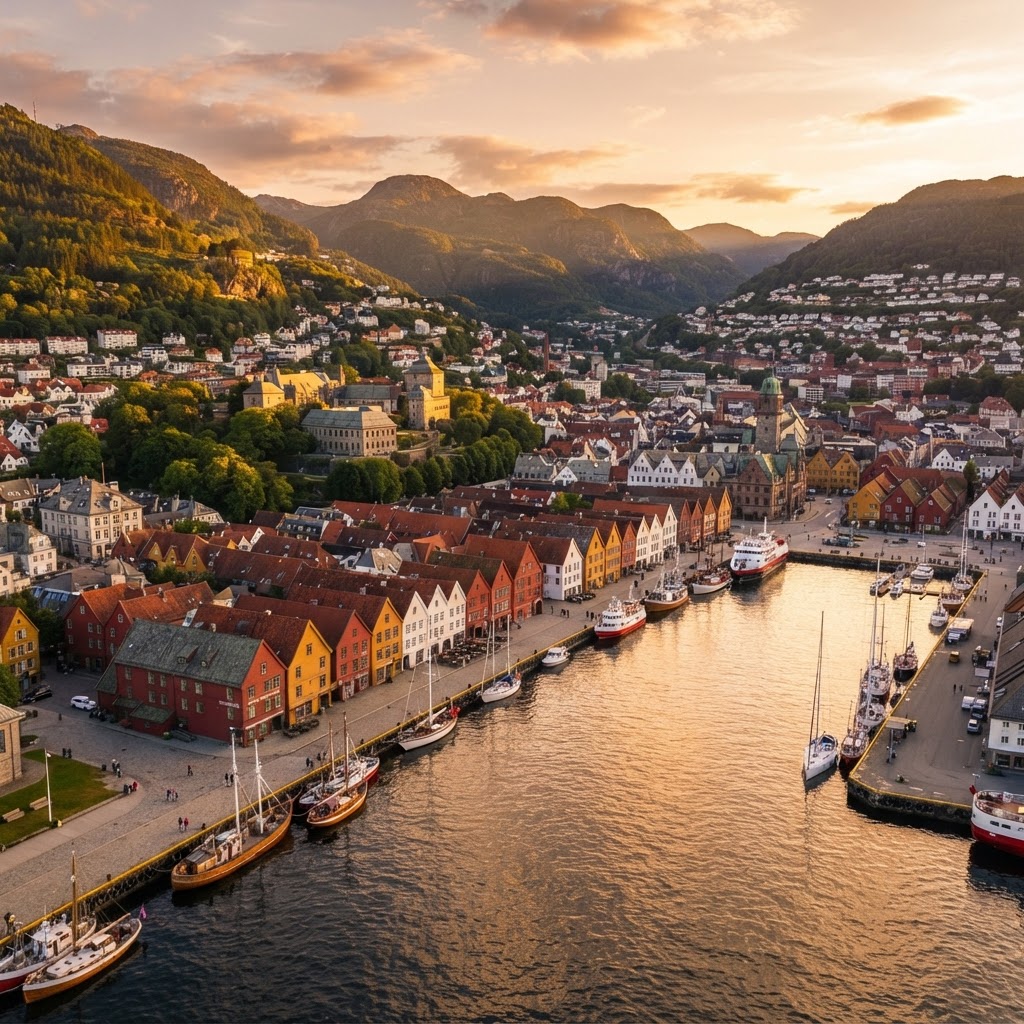
Bryggen represents the historical heart of Bergen, functioning as a vital UNESCO World Heritage site that showcases the city’s medieval mercantile roots. Established in the 14th century as a Hanseatic League trading post, the site features a complex of 62 historic wooden structures characterized by their iconic gabled fronts and narrow, dark alleyways. Visitors can explore these structures to find local artisan studios, silver jewelry shops, and traditional bookbinders that maintain the area’s craft heritage. While the district faced numerous fires throughout history, the ongoing restoration efforts strictly adhere to traditional carpentry techniques, preserving the original architectural aesthetic. Access to the outdoor wharf is free, though many interior galleries charge nominal entrance fees ranging from 50 to 120 NOK. Walking through these crooked, leaning corridors provides an immersive experience into the life of medieval traders, making it the top-ranked destination for cultural tourism in Scandinavia.
Unforgettable Fjord Cruises from Bergen
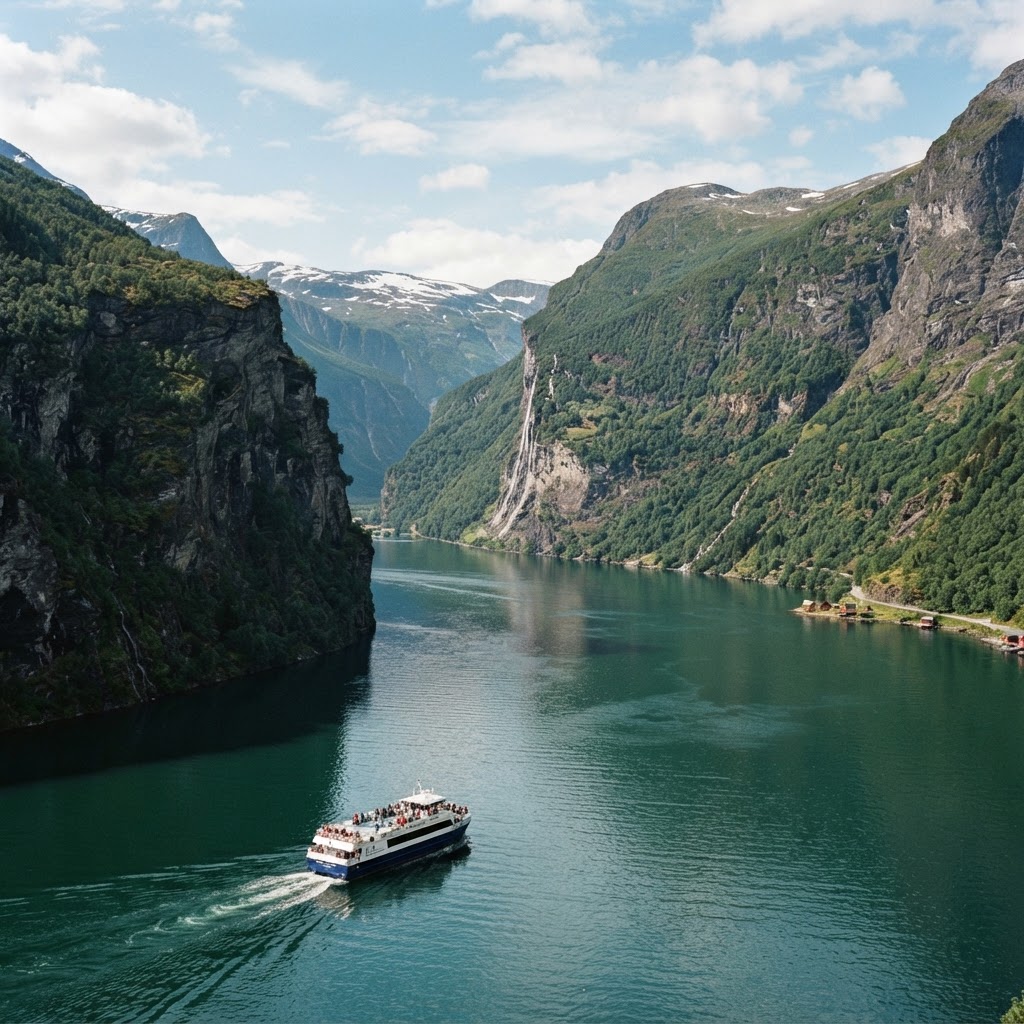
Bergen functions as the primary departure hub for high-quality fjord cruises, connecting visitors to the Nærøyfjord and Sognefjord within a single day of travel. The logistics are streamlined through the ‘Norway in a Nutshell’ package, which integrates regional trains, the famous Flåm Railway, and fjord vessels for a seamless journey. For those seeking efficiency, full-day cruise excursions typically depart from the Strandkaiterminalen quay, lasting between 6 to 9 hours and covering significant distances into the narrow, emerald-green channels of the fjords. Travelers benefit from specialized infrastructure that allows for smooth transfers between transit modes, often saving 3-4 hours of driving time compared to independent car travel. These cruises are not merely sightseeing tours; they are essential transport links to the heart of the fjord landscape, featuring panoramic observation decks and commentary on the geological formations of the sheer cliffs and cascading waterfalls.
| Feature | Full-Day Cruise | Norway in a Nutshell | Private Rib Boat |
|---|---|---|---|
| Typical Duration | 6-9 Hours | 10-14 Hours | 2-4 Hours |
| Pace | Relaxed | Moderate/Active | Fast/Exhilarating |
| Cost Level | Medium | High | Premium |
| Focus | Sightseeing | Comprehensive Travel | Adventure/Speed |
Top Tips for Fjord Sightseeing
- Book your cruise in advance during the peak summer months of July and August.
- Dress in layers, as temperatures on the water can drop significantly compared to the city center.
- Bring a waterproof camera to capture the waterfalls during rainy spells.
- Consider a private rib boat tour if you want a faster, more exhilarating experience.
Mount Floyen and the Panoramic Views
Mount Floyen offers the most accessible panoramic vistas of the Bergen region, reachable via the Fløibanen funicular in exactly six minutes. The funicular system, which has been operating since 1918, climbs 320 meters from the city center to the mountain plateau, where temperatures are consistently cooler and the air quality is exceptionally high. At the summit, visitors gain a strategic viewpoint to observe the layout of the seven mountains surrounding the city, including the Vidden mountain range and the intricate coastline of the North Sea. The area is engineered for multiple user types, featuring paved paths for families with strollers and rugged trails for hikers connecting to the wider plateau. For those visiting during peak hours, arrive before 10:00 AM to avoid the heaviest queues, as this is the single most visited attraction in the city.
Cultural Immersion and Local Gastronomy
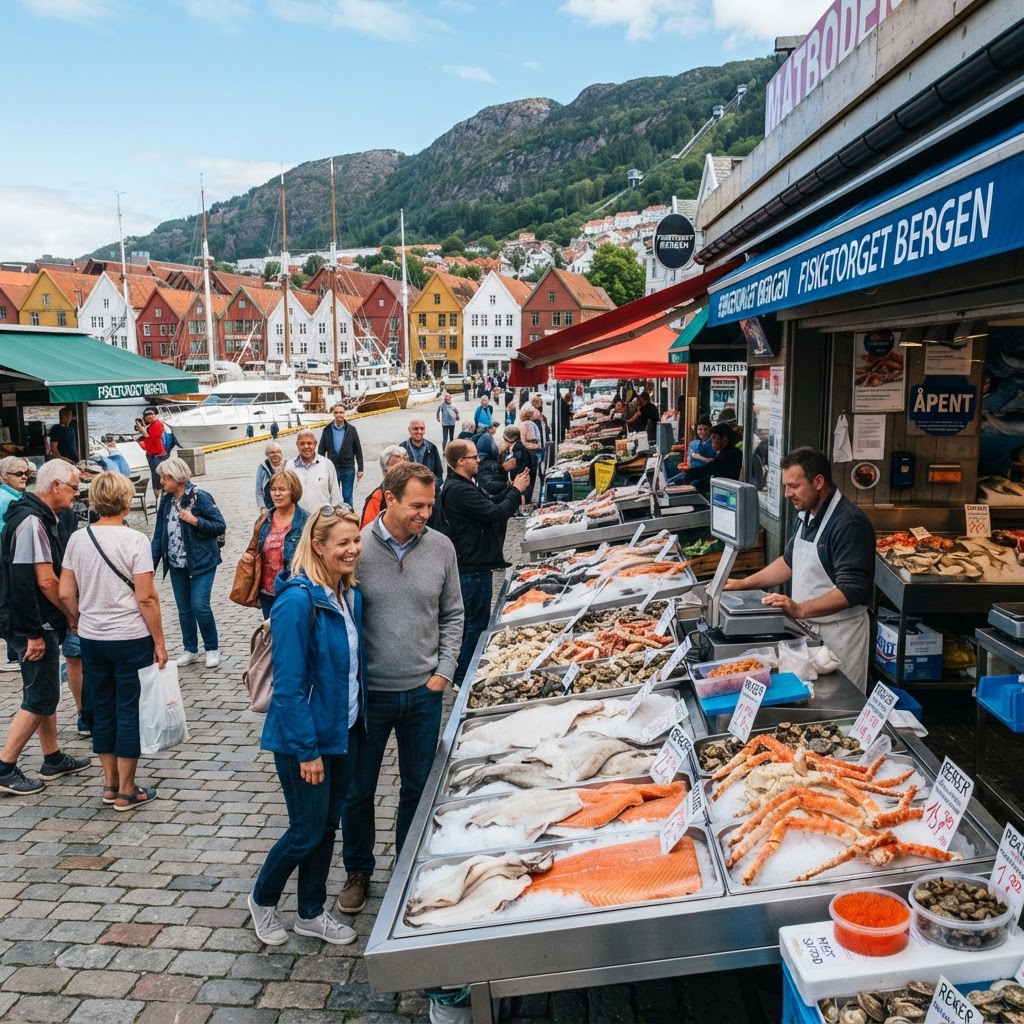
Bergen’s culinary and cultural identity is deeply rooted in its 900-year history as a major port, centered currently around the historic Fisketorget (Fish Market). The market offers a live look at Norwegian seafood culture, with daily offerings ranging from freshly caught Atlantic salmon and Arctic char to king crab and local whale meat. Beyond the market, Bergen’s museum density is significant, with the KODE Art Museums housing the world’s third-largest collection of Edvard Munch paintings. These institutions operate as critical repositories for Nordic coastal culture, often requiring 3-4 hours for a comprehensive visit. Travelers should note that many of these cultural sites are included in the ‘Bergen Card,’ which provides unlimited access to the light rail system (Bybanen) and major city bus routes, offering significant cost savings for multi-day itineraries.
| Seasonal Weather | Average High | Average Low | Rainfall Probability |
|---|---|---|---|
| Winter (Dec-Feb) | 4°C | -1°C | High |
| Summer (Jun-Aug) | 19°C | 11°C | Moderate |
Exploring the Seven Mountains
Bergen’s geography is defined by the seven surrounding mountains, with the Vidden hike serving as the premium trail for serious outdoor enthusiasts. This 13-kilometer route connects the peaks of Mount Ulriken and Mount Floyen, offering consistent elevation and terrain that showcases the raw, lichen-covered landscapes typical of the Norwegian plateau. Hikers should budget between 4 to 6 hours for the full traverse, depending on weather conditions and pace. For less demanding physical activity, the Nordnes peninsula provides a dense cluster of traditional white wooden houses and narrow cobblestone streets, reflecting the city’s domestic architecture from the 18th century. This area acts as a tranquil alternative to the busier commercial zones, offering insight into local residential life near the harbor front, and is ideal for short, self-guided walking tours of less than 2 kilometers.
Practical Travel Logistics
Navigating Bergen is facilitated by the highly efficient Bybanen (Light Rail), which connects the airport directly to the city center in approximately 45 minutes with departures every 5-10 minutes. The city’s geography is compact, making the ‘Bergen Card’ a logical investment for active travelers who intend to utilize public transport frequently and visit at least three paid museums. Regarding climate, Bergen experiences high annual precipitation, averaging over 2,250mm of rain per year; however, the local attitude focuses on preparedness rather than cancellation. Using the phrase ‘there is no bad weather, only bad clothing’ reflects the local reality where high-quality shell layers and waterproof footwear are standard equipment. Planning logistics around these conditions ensures that mist-filled mountain views and moody coastal scenery can be enjoyed comfortably regardless of the forecast.
FAQ
How many days are needed to see Bergen?
Three days is the ideal duration to cover the city’s historic core, local mountain hiking, and a full-day fjord excursion. This timeframe allows for flexibility regarding weather-dependent activities and ensures you can experience both the urban culture and the surrounding nature without rushing your itinerary.
Is the Bergen Card worth the cost?
The Bergen Card is highly cost-effective if you plan on using public transit daily and visiting at least three museums. It provides unlimited travel on the Bybanen and city buses, plus significant entry discounts that typically pay for the card’s purchase price within the first 24 hours of active use.
What is the best month to visit Bergen?
June and July are the best months to visit, as they offer the longest daylight hours and the highest probability of stable weather for mountain hiking. These months coincide with the peak tourist season, meaning you should book fjord cruises and popular attractions at least three weeks in advance.
How do you get from Bergen Airport to the city center?
The most efficient way to travel from Bergen Airport (BGO) to the city center is the Bybanen light rail line. It takes roughly 45 minutes to reach the city center, runs frequently throughout the day, and accepts payment via the Skyss app or ticket machines at the platform.
Is Bergen expensive compared to other European cities?
Yes, Bergen ranks among the more expensive travel destinations in Europe due to Norway’s high standard of living and labor costs. To manage costs, travelers often utilize local grocery stores for lunches, use the Bergen Card for transit, and prioritize free activities like hiking the seven mountains and walking through the historic Bryggen district.
Leave a Reply