
The colorful houses of Andalusia are primarily characterized by whitewashed lime walls, a tradition rooted in centuries of Moorish influence and practical climate adaptation. These structures, often found in mountain “Pueblos Blancos,” use white paint to reflect intense solar radiation, while vibrant accents of tile and shutters provide unique cultural identification.
The History Behind the Hue
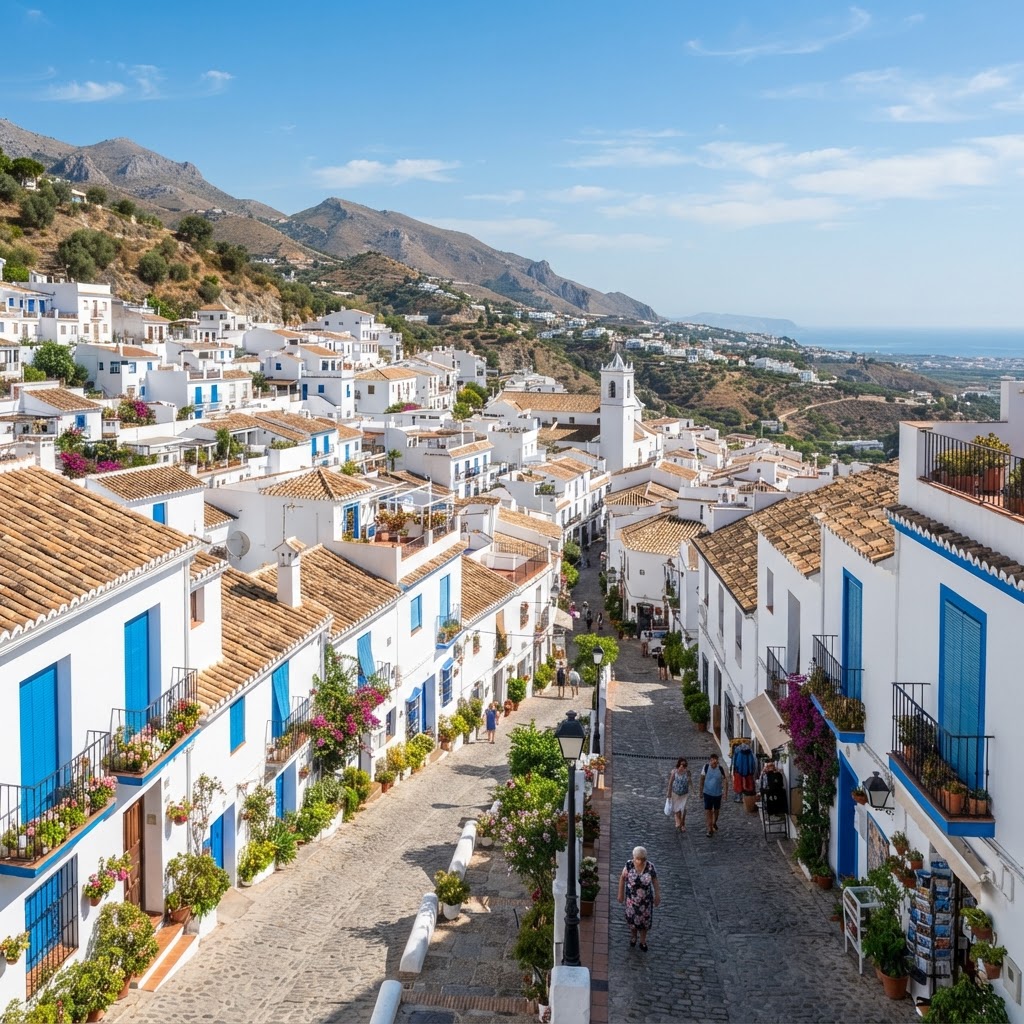
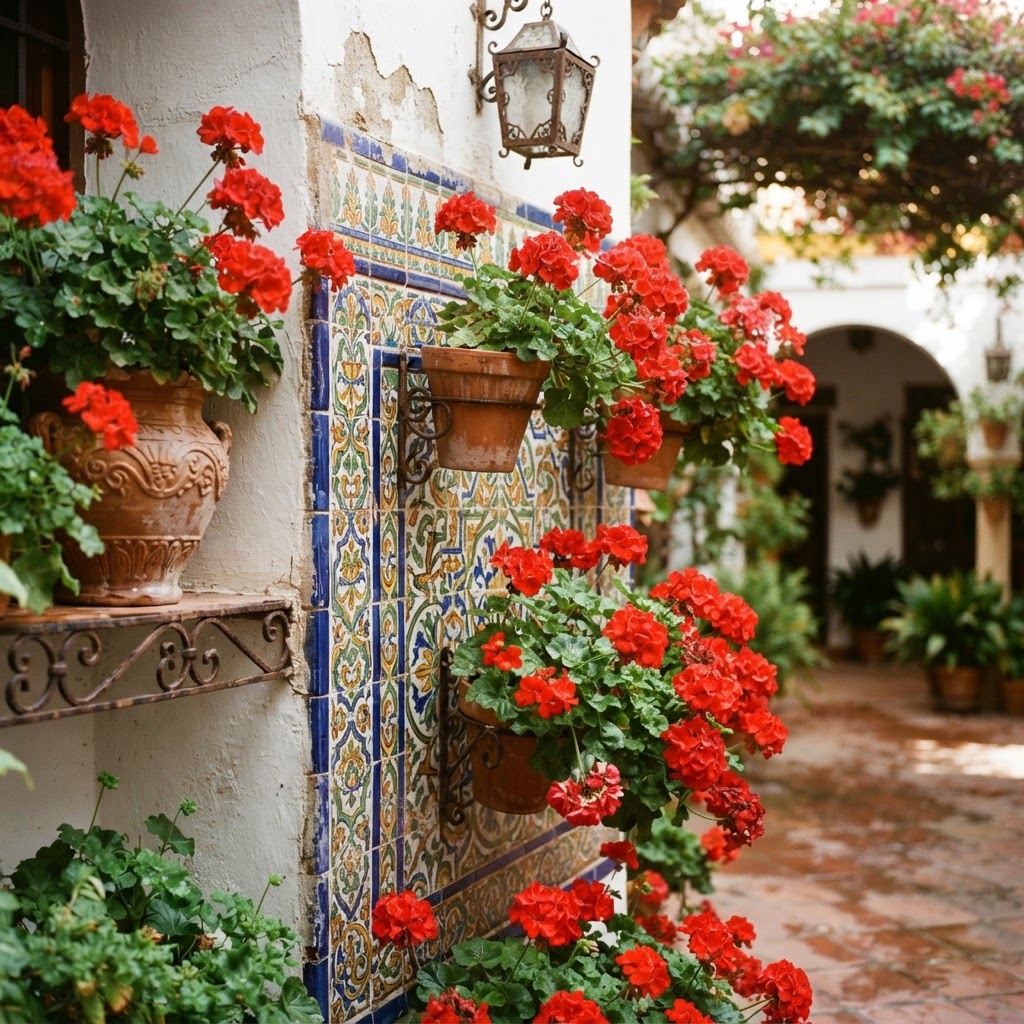
Architectural traditions in Southern Spain are the result of a 700-year Moorish legacy combined with Mediterranean environmental necessities. Historically, residents used white lime (cal) not just for aesthetics, but as a low-cost, antibacterial, and cooling agent. This lime wash, applied annually, creates a high-albedo surface that can reduce indoor temperatures by up to 5-10 degrees Celsius during summer heatwaves. Over centuries, these functional white canvases became integrated with intricate geometric ceramic tiles known as azulejos, which were popularized during the 15th-century Nasrid dynasty. These tiles, often imported from trade centers like Triana, transformed standard housing into cultural artifacts. Today, village councils often enforce strict historical preservation codes that mandate the use of traditional lime-based paints rather than modern synthetic acrylics to maintain the structural breathability of the stone masonry. This commitment to traditional materials keeps the historic identity of the region intact while providing a unique visual experience for visitors.
Exploring the Pueblos Blancos
The most famous examples of regional architecture are the Pueblos Blancos, a collection of roughly 20 villages scattered across the Sierra de Grazalema and Ronda mountains. These villages are defined by their “clinging” urban layout, where houses follow the natural contours of steep limestone ridges to optimize stability and shade. The aesthetic harmony found here is a result of communal building standards where inhabitants coordinate the timing of exterior maintenance, typically occurring just before the spring festival of Semana Santa. Within these settlements, one can observe distinct color palettes that often indicate the age of the structure or the specific craft tradition of the local artisan guild. For example, homes featuring deep blue window frames frequently signal influence from coastal maritime traditions, whereas ochre-toned facades point toward the influence of the region’s clay-rich soil. Visitors should note that while the “white” exterior is mandatory for legal compliance in protected areas, the personal expression of the homeowner is relegated to the window shutters, wrought-iron balconies, and the density of flower pots adorning the entrance.
| Feature | Traditional White Village | Modern Urban Area |
|---|---|---|
| Building Material | Limestone & Lime Wash | Concrete & Synthetic Paint |
| Insulation | Passive Stone Mass | HVAC Electric Cooling |
| Street Layout | Narrow/Winding (Shaded) | Grid/Wide (Sun Exposed) |
| Maintenance | Annual/Springly | Every 5-10 Years |
Why White Remains King
Despite the emergence of colorful shutters and flowers, the base color of these homes remains predominantly white. This is due to strict preservation laws in many of these historic towns, which mandate the maintenance of traditional building techniques. Residents take immense pride in repainting their walls with fresh lime every spring, ensuring the village remains a gleaming beacon of light across the landscape.
The Role of Local Artisans
Supporting this architectural heritage are local artisans who specialize in traditional masonry and tile work. These craftsmen ensure that the historic facades are preserved using original materials, allowing the charm of the architecture to endure for future generations. Their work is a vital link to the past, keeping the aesthetic integrity of the region intact.
Architecture and Climate Adaptation
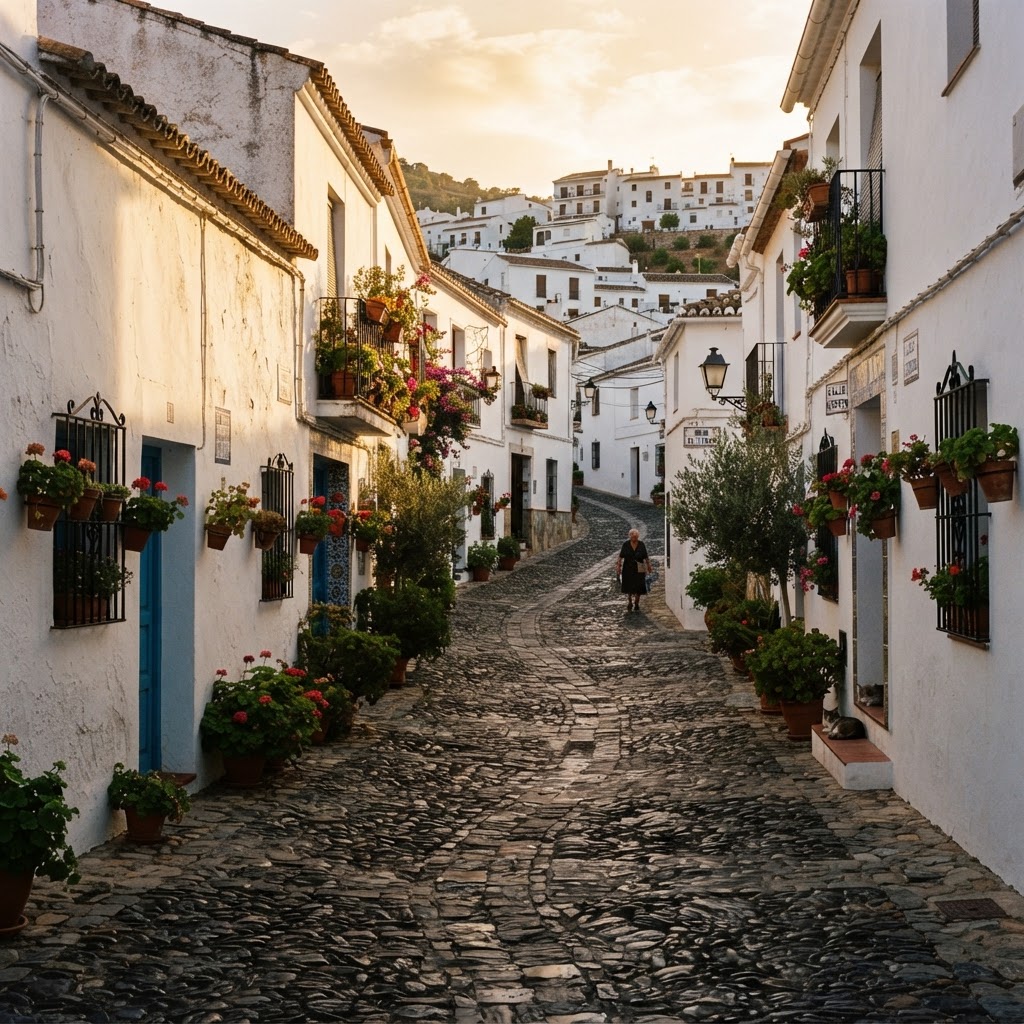
The design of these Andalusian buildings serves as a masterclass in passive environmental control, utilizing architectural features that predate modern air conditioning by centuries. Thick limestone walls, often exceeding 50 centimeters in thickness, act as a thermal battery, absorbing daytime heat and releasing it slowly during the cooler desert nights. The narrow, labyrinthine street designs are strategically oriented to channel the “Levante” and “Poniente” winds, creating a natural ventilation corridor that cools the entire village. Beyond the streets, the patio or central courtyard acts as a vital heat-management tool. By incorporating a water feature—such as a small fountain—and dense vegetation like jasmine or bougainvillea, these courtyards facilitate evaporative cooling, lowering the ambient temperature of the living space significantly compared to the street level. This indigenous “passive house” design remains a critical lesson in sustainable architecture, proving that long-term comfort is best achieved through structural orientation rather than energy-intensive mechanical cooling systems.
The Palette of Southern Spain
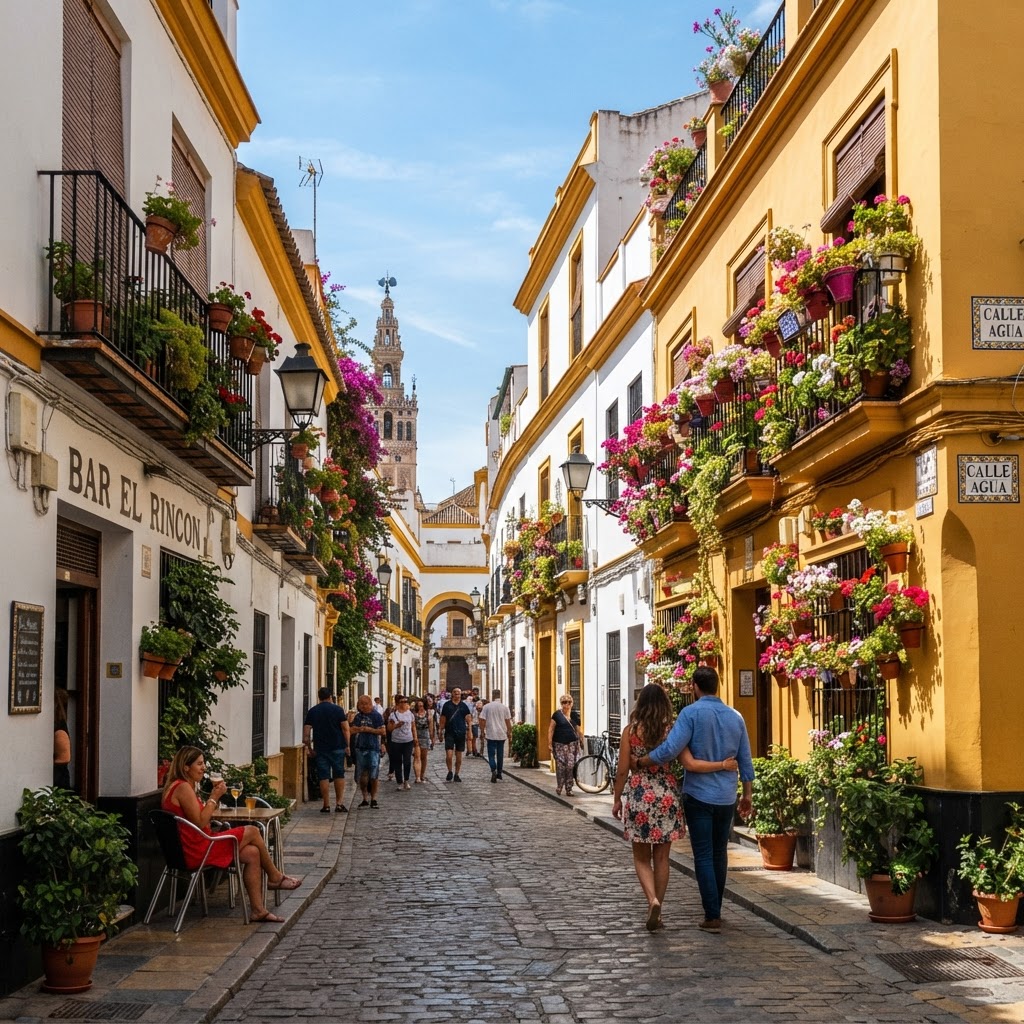
The distinct colors seen in Andalusian architecture serve as a secondary language, indicating everything from the household’s social status to the local religious traditions. While the walls are white, the doors and shutters are frequently painted in colors derived from local mineral pigments. Ochre and terracotta, for instance, are derived from the iron-rich soil of the Sierra Nevada, while the iconic “Almagra” red—historically used on public buildings—was once a sign of prestige. Research indicates that the use of blue frames is not just aesthetic; in many rural areas, it was traditionally believed that the specific pigments in blue lime paint helped deter flies and other insects from entering homes. This practical application of color has been maintained through the centuries, even as chemical pesticides have become available. Modern travelers can identify these regional “color signatures” by looking at the consistency of window frames throughout a specific village, which often indicates the influence of local trade guilds or the availability of natural pigments during the village’s founding.
| Color | Traditional Purpose/Meaning | Origin |
|---|---|---|
| White | Heat Reflection | Lime & Limestone |
| Blue | Insect Repellant | Cobalt Pigments |
| Ochre/Yellow | Earth/Soil Harmony | Natural Clay |
| Terracotta | Structure/Roofing | Fired Red Clay |
Tips for Photography Enthusiasts
Capturing the authentic aesthetic of the colorful houses requires working with the unique Mediterranean light cycles and avoiding the harsh mid-day contrast. The best photography occurs during the “Golden Hour”—roughly 30 minutes after sunrise or 45 minutes before sunset—when the low-angle light highlights the rough texture of the lime-washed walls. To avoid the “washed out” look common in mid-day images, use a circular polarizer filter to cut the glare from the reflective white surfaces and sharpen the contrast of the blue sky. When shooting in the narrow streets, look for “leading lines” created by the winding walls and utilize wide-angle lenses to capture the height of the structures against the sky. Additionally, focus on small details; the contrast between a weathered wooden door and a vibrant ceramic tile serves as a more powerful focal point than a generic wide shot of the village. For the best lighting conditions, avoid the peak summer months (July/August) if possible, as the atmospheric haze can diminish the color saturation of your images.
Sustainable Tourism in the Region
Responsible travel in the Pueblos Blancos is essential to maintaining the architectural integrity of these living communities. As tourism pressure increases, particularly in towns like Grazalema or Zahara de la Sierra, it is critical to prioritize locally-owned “Casas Rurales” over large commercial hotels. Staying in these restored heritage homes helps fund the expensive, specialized maintenance required to keep the limestone walls in good condition. Furthermore, practice respectful behavior by observing the privacy of residential courtyards and keeping noise levels low in the narrow, echoing streets. Travelers are encouraged to visit during the shoulder seasons—April to May or October to November—when visitor numbers are lower, providing a more authentic experience while distributing the economic benefits of tourism throughout the year. By respecting the local lifestyle, you ensure that these historic environments remain vibrant, inhabited centers of culture rather than becoming hollowed-out “museum” villages.
FAQ
Why are the houses in Andalusia white?
The houses are white to reflect the intense Mediterranean sun, keeping interior spaces cool during the hot summer months. The white lime paint also offers natural antifungal properties, helping to maintain the health and cleanliness of the stone walls in the humid climate.
What are the Pueblos Blancos?
The Pueblos Blancos are a collection of historic mountain villages in Southern Spain known for their whitewashed architecture and hillside locations. They are primarily located within the Sierra de Grazalema and Sierra de las Nieves natural parks, offering a unique glimpse into traditional Andalusian life.
What is the best time to visit Andalusia?
The best time to visit is during the spring (April to June) or autumn (September to October). During these periods, the weather is mild enough for walking the steep village streets, and you avoid the extreme, often dangerous, heat of the mid-summer months.
Can I visit the colorful houses inside?
Yes, many traditional homes have been converted into “Casas Rurales” or boutique guesthouses. Booking a stay in these properties allows you to see the authentic interior design, including the central courtyards, traditional tiled flooring, and thick stone insulation.
Do the colors on the houses have specific meanings?
Yes, colors often denote regional craft traditions or practical uses. For instance, blue window frames were traditionally used to repel insects, while ochre and terracotta colors reflect the surrounding geology and natural earth pigments found in the local Andalusian hills.
Leave a Reply