
Rorbuer cabins are traditional, red-painted wooden fishing huts built on stilts over the water in Norway’s Lofoten Islands. These historic shelters, originally constructed for cod fishermen in the 19th century, have been converted into premium tourist accommodations that offer travelers an immersive, authentic Arctic coastal experience.
The History Behind the Rorbuer
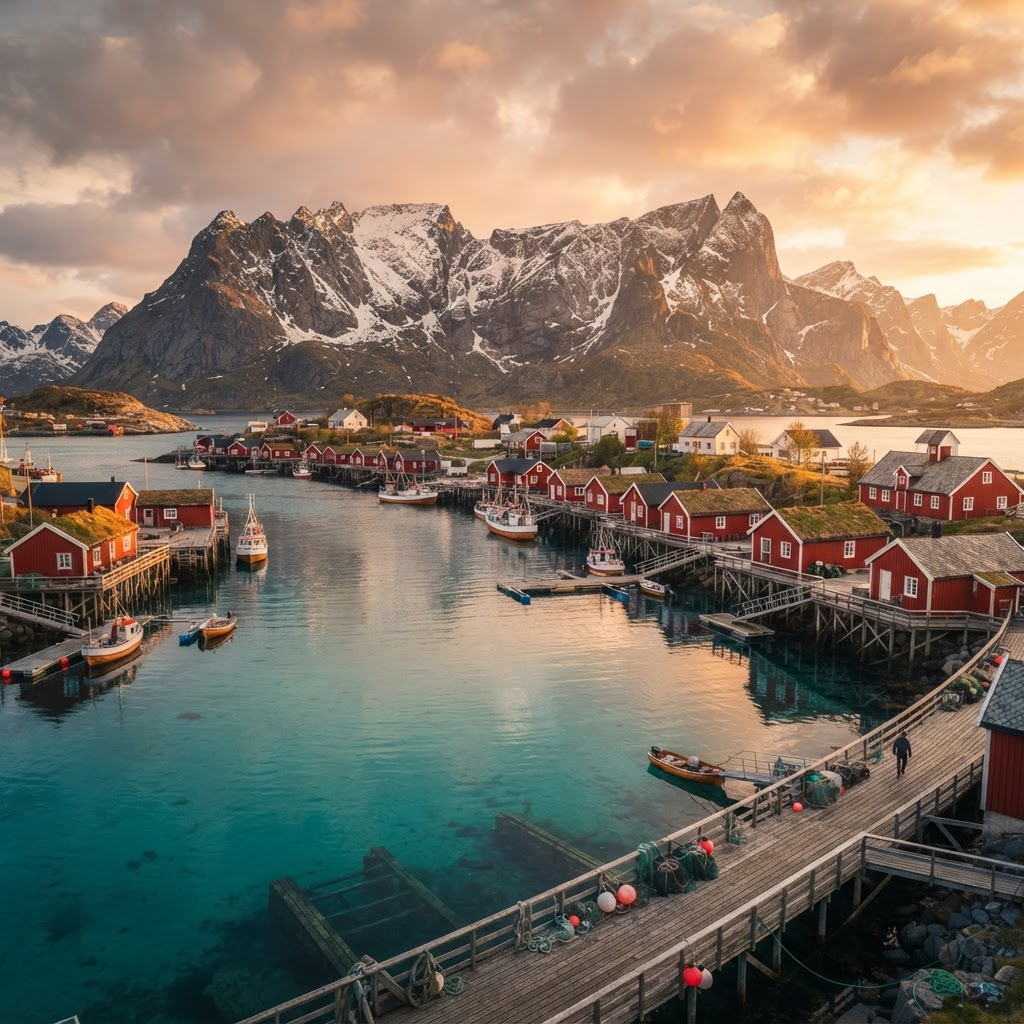
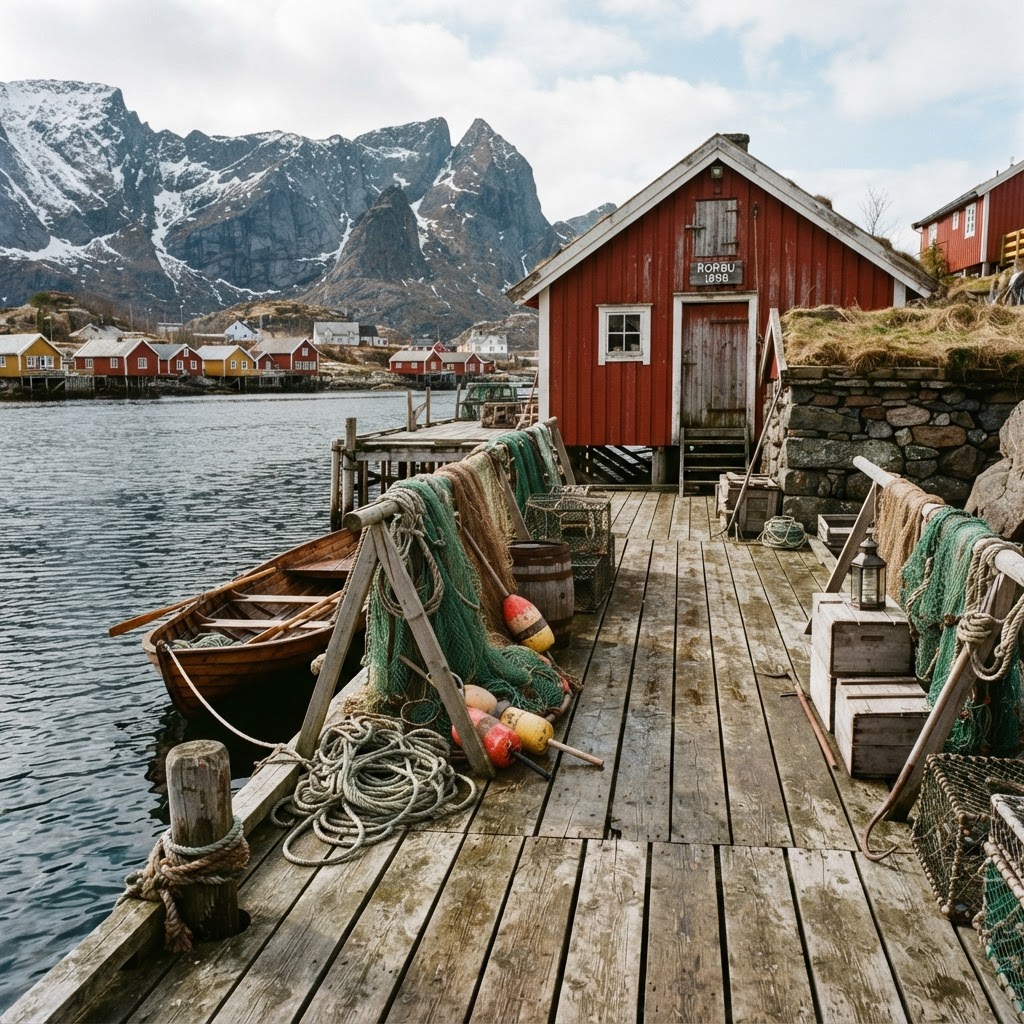
The history of the Rorbuer is deeply tied to the cod fishing industry that has sustained Northern Norway for centuries. In the late 19th and early 20th centuries, fishermen would travel from all over the country to the Lofoten archipelago to participate in the ‘Lofotfisket,’ the seasonal winter cod migration. Because there was no permanent infrastructure for thousands of arriving men, local landowners built simple, sturdy structures on stilts right at the water’s edge. These structures were known as ‘rorbuer’—a name derived from the Old Norse words ‘ro’ (to row) and ‘bu’ (to dwell). The design was functional, providing enough space for sleeping, cooking, and mending nets, while the bright red paint—originally the cheapest color available—helped identify the huts against the stark white snow and gray stone. Today, these historic buildings serve as a bridge between the past and present, offering travelers a rare glimpse into a vanishing way of life. By choosing these over conventional hotels, visitors directly fund the preservation of architectural heritage, as many owners use rental income to maintain the structural integrity of these wooden piers against harsh Arctic storms.
Why Rorbuer Cabins Are the Ultimate Getaway
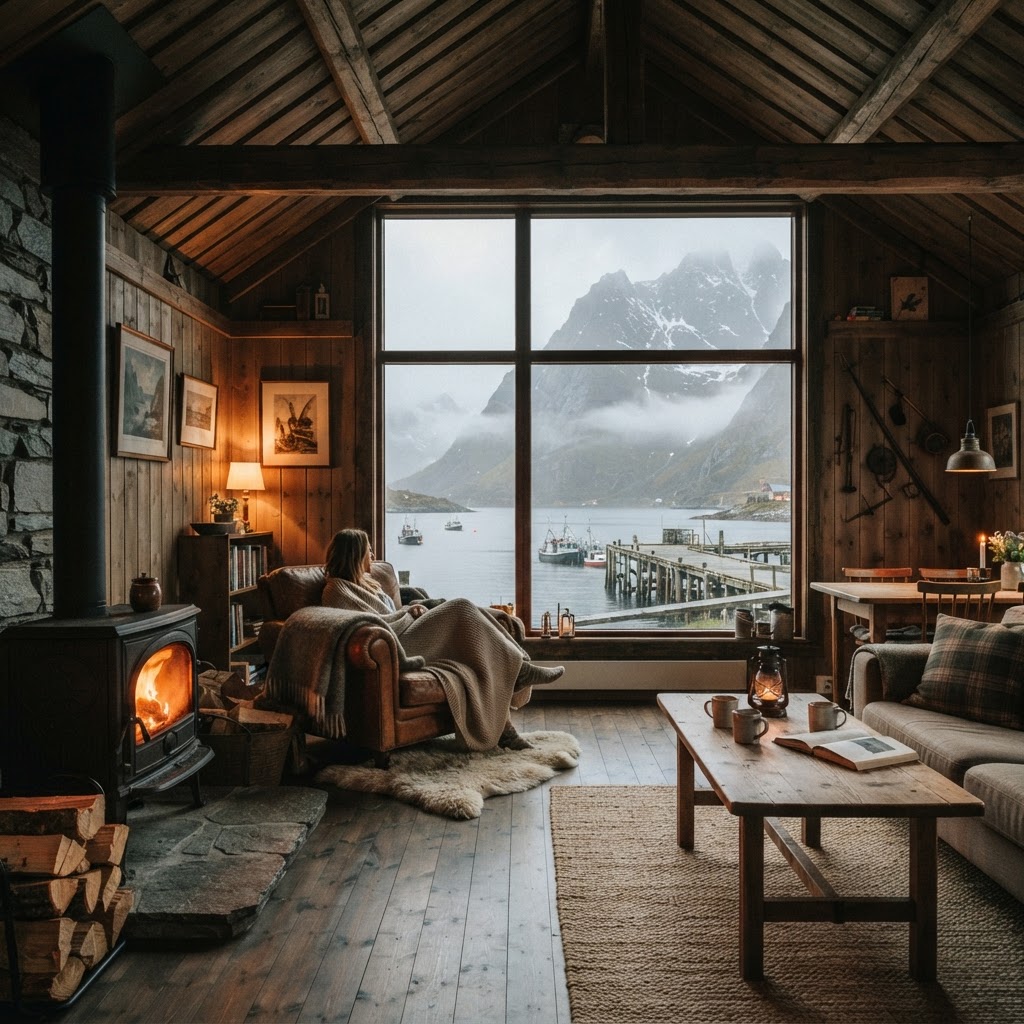
Unlike modern hotels, staying in Rorbuer cabins provides an intimate connection to the Arctic environment by placing guests mere feet above the shifting tides. This unique positioning creates a sensory experience where the rhythm of the ocean becomes the focal point of your stay, rather than the clock. Many of these cabins have been modernized with high-end amenities such as heated floors, premium kitchenettes, and large picture windows that maximize the midnight sun in summer or the Northern Lights in winter. Despite these upgrades, the rustic charm remains through exposed timber beams and traditional Norwegian decor. Travelers often find that the psychological benefit of this isolation—the ‘hygge’ factor—is unmatched elsewhere in Europe, as the architecture forces a deliberate slow-down of pace. Whether you are self-catering to save money or utilizing the proximity to local fishing ports, the lifestyle is inherently more connected to nature than standard tourism.
)” src=”https://img.youtube.com/vi/ZnUCnMjVUhU/hqdefault.jpg” style=”display:block; margin:2.5em auto; max-width:100%; height:auto;” />
Top Locations to Experience Rorbuer Living
While the Lofoten Islands are the spiritual home of the Rorbuer, you can find them in coastal villages across the Nordland region, each offering a distinct atmosphere. Reine is widely considered the crown jewel of the region, featuring dramatic vertical mountains rising directly from the harbor, making it the most photogenic base for travelers. Henningsvær, often called the ‘Venice of the North,’ offers a more social experience with its cluster of islands connected by bridges, housing boutique art galleries and cafes. For those prioritizing history, Nusfjord is a UNESCO World Heritage site and functions as a living museum, where original boathouses and narrow wooden walkways are strictly preserved. When choosing a location, consider your transportation needs: villages like Reine are more isolated, requiring careful planning, while places like Henningsvær provide slightly easier access to local amenities and community culture.
| Location | Vibe | Best For |
|---|---|---|
| Reine | Dramatic/Scenic | Photographers & Hikers |
| Henningsvær | Social/Artistic | Couples & Culture Seekers |
| Nusfjord | Historic/Quiet | History Buffs |
Seasonal Delights: When to Visit
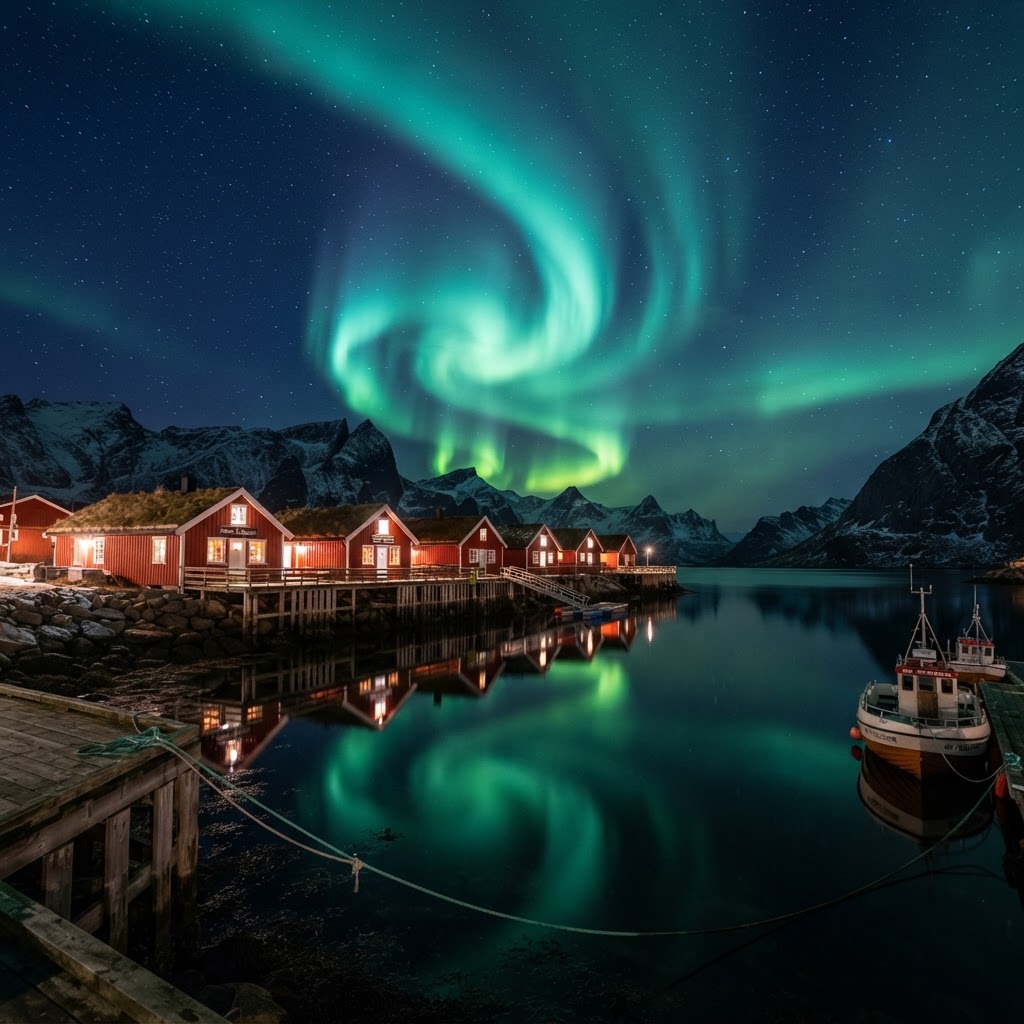
Deciding when to book your Rorbuer accommodation depends on whether you prefer the perpetual daylight of the midnight sun or the celestial dance of the Aurora Borealis. The Midnight Sun, occurring from late May to mid-July, provides 24 hours of light, which is ideal for midnight hiking and kayaking in temperatures averaging 10°C to 15°C. Conversely, the Aurora Borealis season runs from September to March, where the nights are dark enough to witness the lights, though temperatures often drop well below freezing. Travelers should note that winter months require specialized gear and cautious driving on icy roads, while summer months often see peak tourist volume, making booking 4-6 months in advance essential.
| Season | Avg Temp | Highlight |
|---|---|---|
| Summer (May-July) | 12°C | Midnight Sun & Hiking |
| Winter (Sept-March) | -2°C | Northern Lights & Hygge |
)” src=”https://img.youtube.com/vi/kOZuQNQyOZU/hqdefault.jpg” style=”display:block; margin:2.5em auto; max-width:100%; height:auto;” />
Practical Tips for Your Trip
Booking your stay requires logistical foresight because these cabins are finite resources. Always book well in advance, as high-demand locations like Reine often sell out 6 to 9 months ahead of the peak summer season. Renting a car is highly recommended, as public transport frequencies drop significantly outside the main towns. When packing, prioritize versatility; the Arctic climate is notoriously volatile, and even in summer, windproof and waterproof outer layers are non-negotiable. Additionally, since dining out in Norway is expensive, use the kitchenettes in your Rorbuer to cook meals using groceries from local supermarkets like Coop or Rema 1000. Finally, remember that these villages are active residential areas; respecting property boundaries and local quiet hours is crucial to maintaining the sustainability of this unique hospitality model.
What to Pack for Your Arctic Adventure
Packing for the Lofoten Islands requires a layering system designed for rapid weather shifts and varying levels of physical activity. Base layers should consist of 100% merino wool to manage moisture during hikes, topped by a high-quality hardshell jacket capable of withstanding Arctic winds. Because cabin interiors can be drafty on the floor level, bring warm wool socks for lounging. For digital nomads or photographers, a heavy-duty tripod is essential for long-exposure Northern Lights photography, and a portable power bank is vital because lithium batteries lose charge up to 30% faster in sub-zero temperatures. An eye mask is a mandatory item during the summer solstice, as the midnight sun can make sleeping difficult for those unaccustomed to 24-hour daylight.
Environmental Stewardship
Staying in these historic fishing villages requires a commitment to protecting the fragile Arctic ecosystems that surround your accommodation. Many Rorbuer are situated in sensitive habitats where even minor foot traffic can cause erosion, so it is imperative to stick to marked hiking paths at all times. Proper waste management is critical; always carry out what you carry in, as remote villages often lack the infrastructure to process large amounts of tourist trash. Furthermore, respect the cultural heritage by avoiding private areas of active fishing piers, which are still used for commercial purposes. By acting as a conscious guest, you ensure that the delicate balance between tourism and traditional fishing culture remains sustainable for future generations.
FAQ
What is a Rorbuer cabin?
A Rorbuer is a traditional Norwegian fisherman’s hut built on stilts over the water, historically used during the seasonal cod fishing migration. Today, they are restored as unique tourist accommodations that offer an authentic, cozy experience in the Lofoten Islands.
Is it expensive to stay in a Rorbuer?
Prices vary significantly by season, typically ranging from $150 USD per night in the off-season to over $400 USD during peak summer or Northern Lights viewing months. Booking through local operators directly can sometimes offer better rates than major travel aggregators.
Do Rorbuer cabins have modern amenities?
Yes, most modernized Rorbuer cabins feature full private bathrooms, kitchenettes, heating, and Wi-Fi access. While they retain their rustic wooden exterior and historic architecture, the interiors are usually upgraded to provide comfort for modern travelers.
What is the best way to travel around Lofoten?
Rent a car is the most efficient way to navigate the archipelago, as it provides the flexibility to visit remote beaches and hiking trailheads. While buses exist, they are infrequent and may not reach all the popular scenic overlooks.
Can I see the Northern Lights from a Rorbuer?
Yes, Rorbuer cabins are excellent vantage points for the Northern Lights because they are located directly on the water away from heavy light pollution. During the winter, you can often watch the lights from your cabin window or the private deck.
Leave a Reply