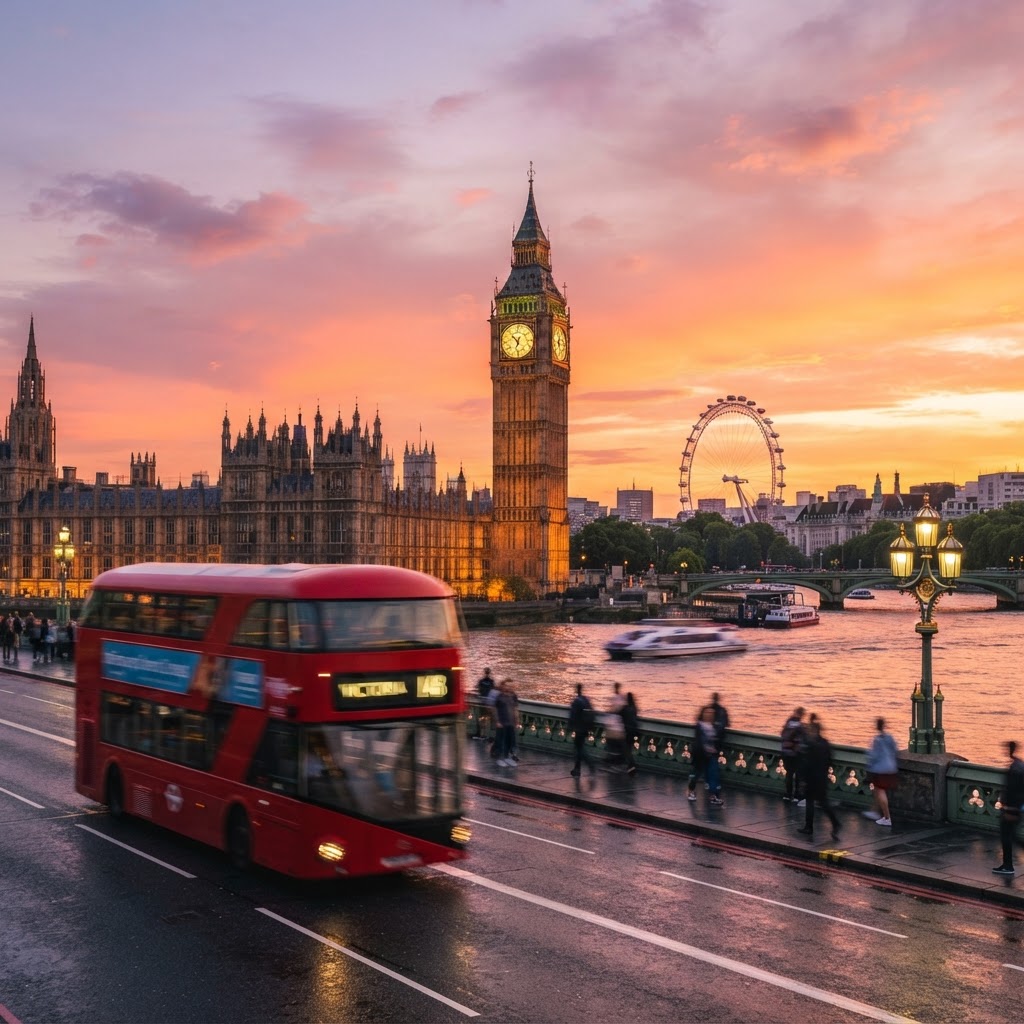
London is a city defined by its iconic landmarks, but none resonate quite like the Elizabeth Tower, universally known as Big Ben. For travelers and photography enthusiasts alike, capturing the perfect image of this neo-Gothic masterpiece is a rite of passage. While the clock tower is visible from many parts of the capital, finding the best viewpoints of Big Ben requires a mix of timing, patience, and local knowledge. This guide will help you move beyond the tourist crowds and secure that classic, post-card-worthy shot.
Westminster Bridge: The Classic Perspective
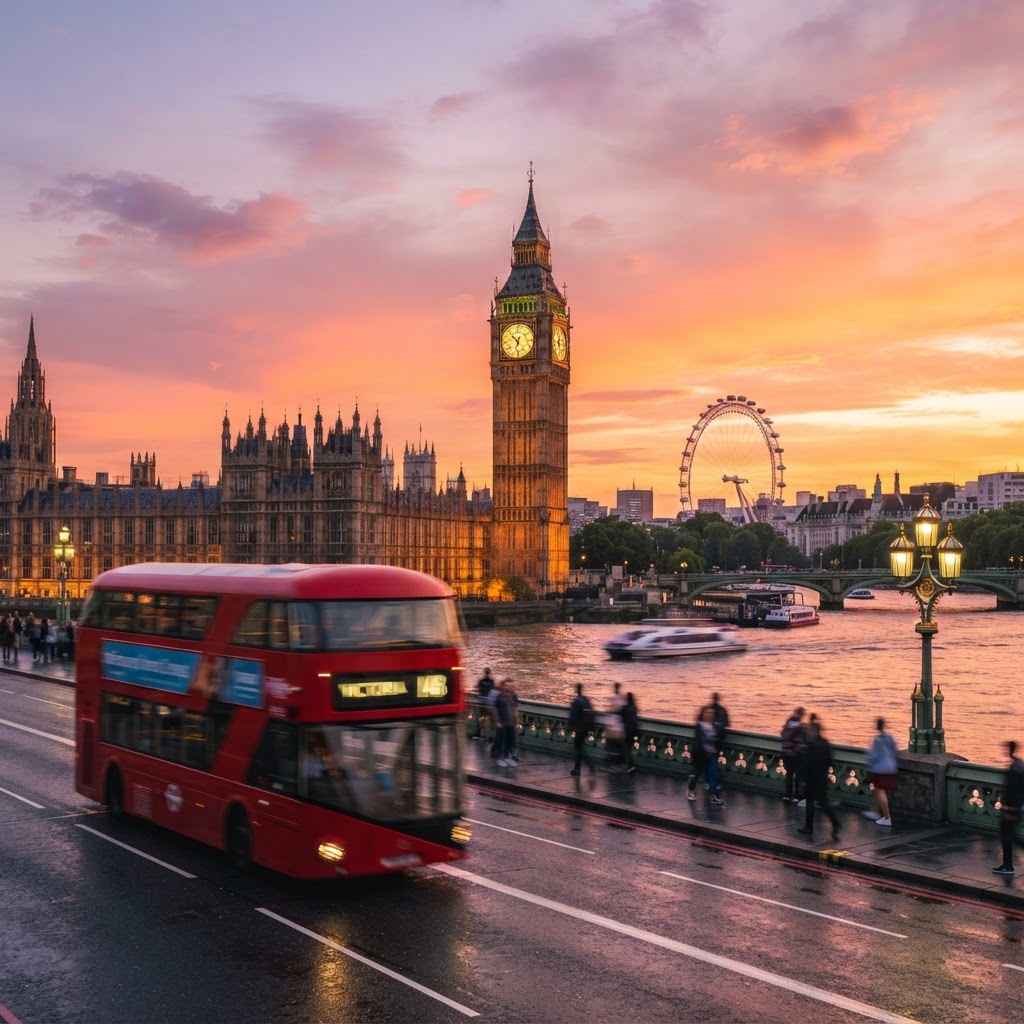
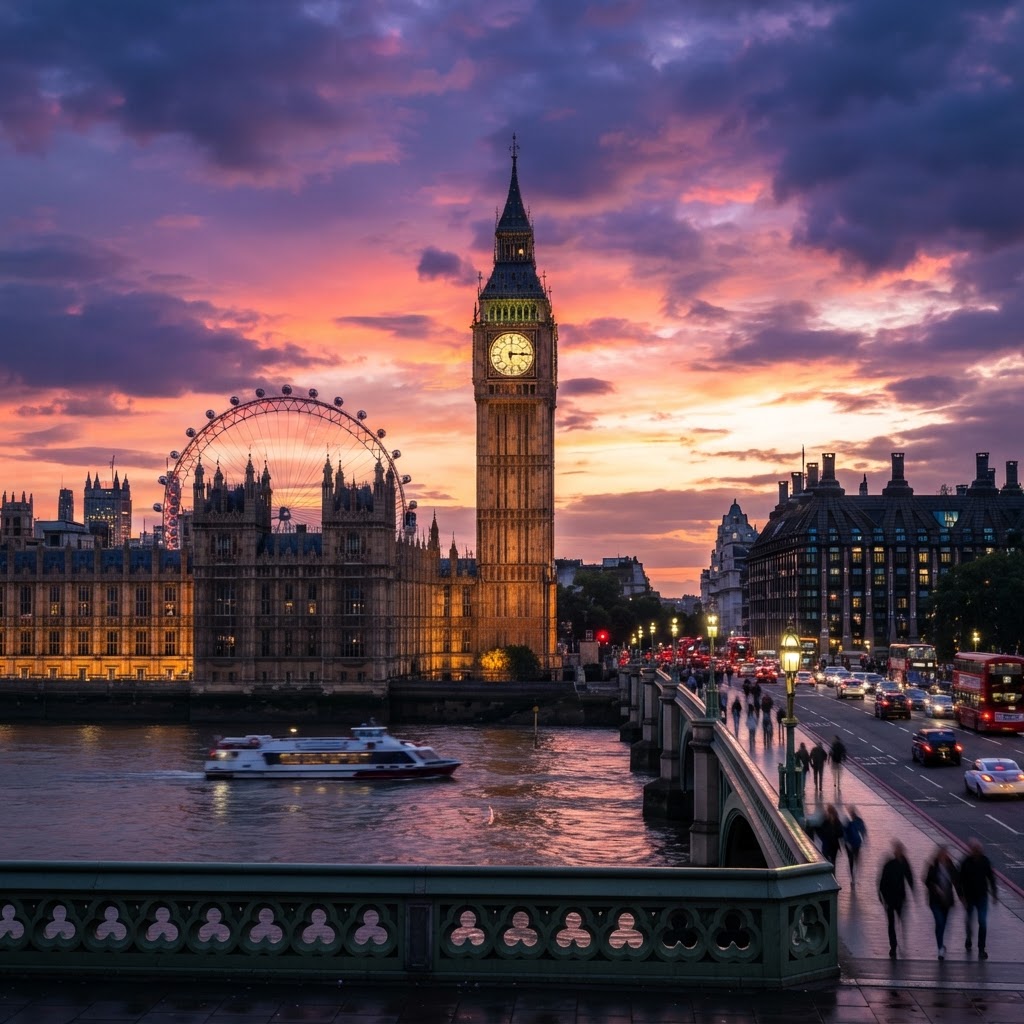
When you think of the quintessential photo of London, you are likely picturing the view from Westminster Bridge. It is arguably the most famous location to photograph Big Ben, offering an unobstructed, head-on view of the clock face alongside the historic Houses of Parliament. The sheer scale of the architecture becomes apparent from this vantage point, especially when the iconic red double-decker buses drive through the frame.
To make the most of this spot, arrive early in the morning before the day-trippers arrive. Shooting during the “blue hour”—that brief window just after sunset or before sunrise—provides a magical soft light that makes the gold detailing of the tower truly pop. Always keep an eye on the traffic, as the red buses provide a perfect pop of color against the grey stonework of the tower.
The South Bank: A Riverfront Masterpiece
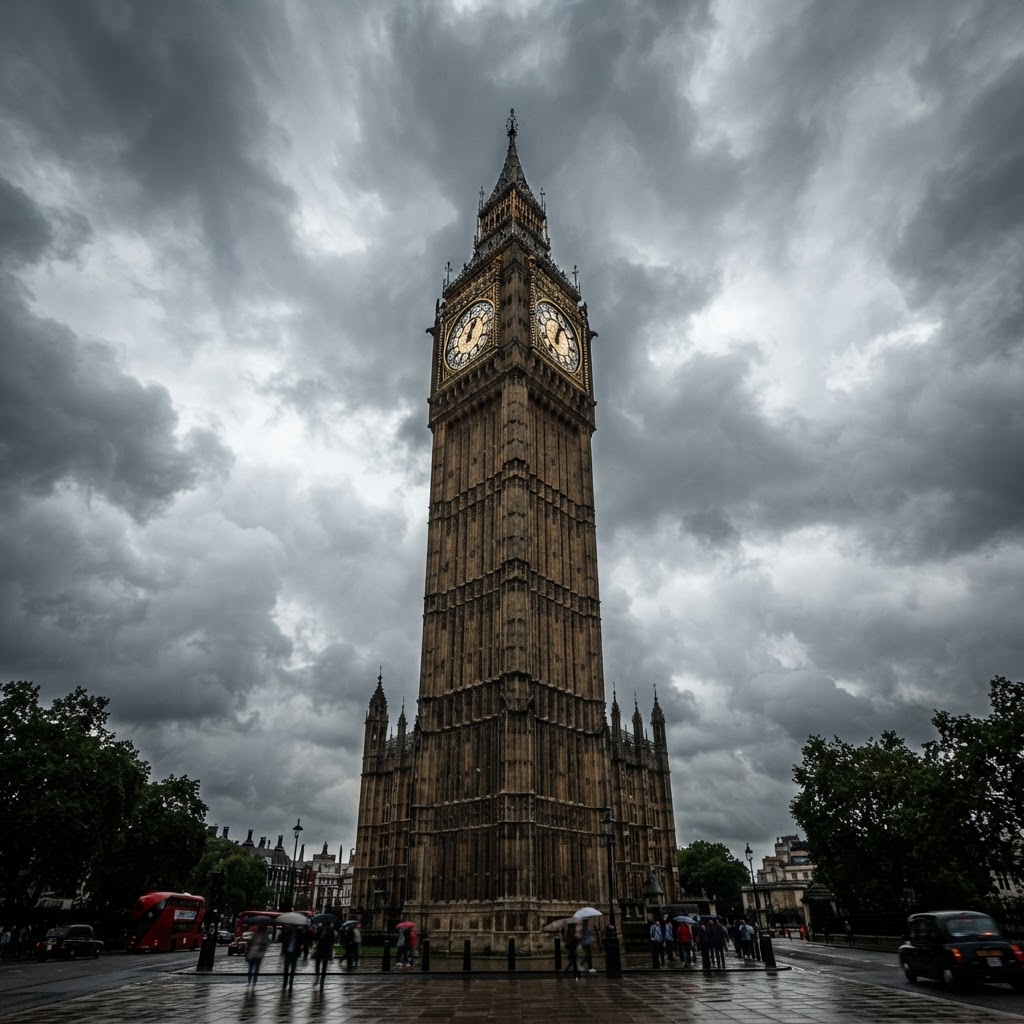
Walking along the South Bank provides a dynamic, changing perspective of Big Ben. As you stroll from the London Eye towards the bridge, the tower shifts in alignment with the river, creating endless compositional opportunities. This area is perfect for those who want to incorporate the Thames into their composition, using reflections on the water to add depth to their imagery.
Capturing the Reflection
If you are lucky enough to encounter a calm day, the Thames can act as a mirror. Use a wide-angle lens to capture both the tower and its reflection in the water. For more dramatic results, try using a polarising filter to manage the glare on the surface of the river. This viewpoint works exceptionally well in the evening when the clock face is illuminated.
Parliament Square: The Low-Angle Challenge
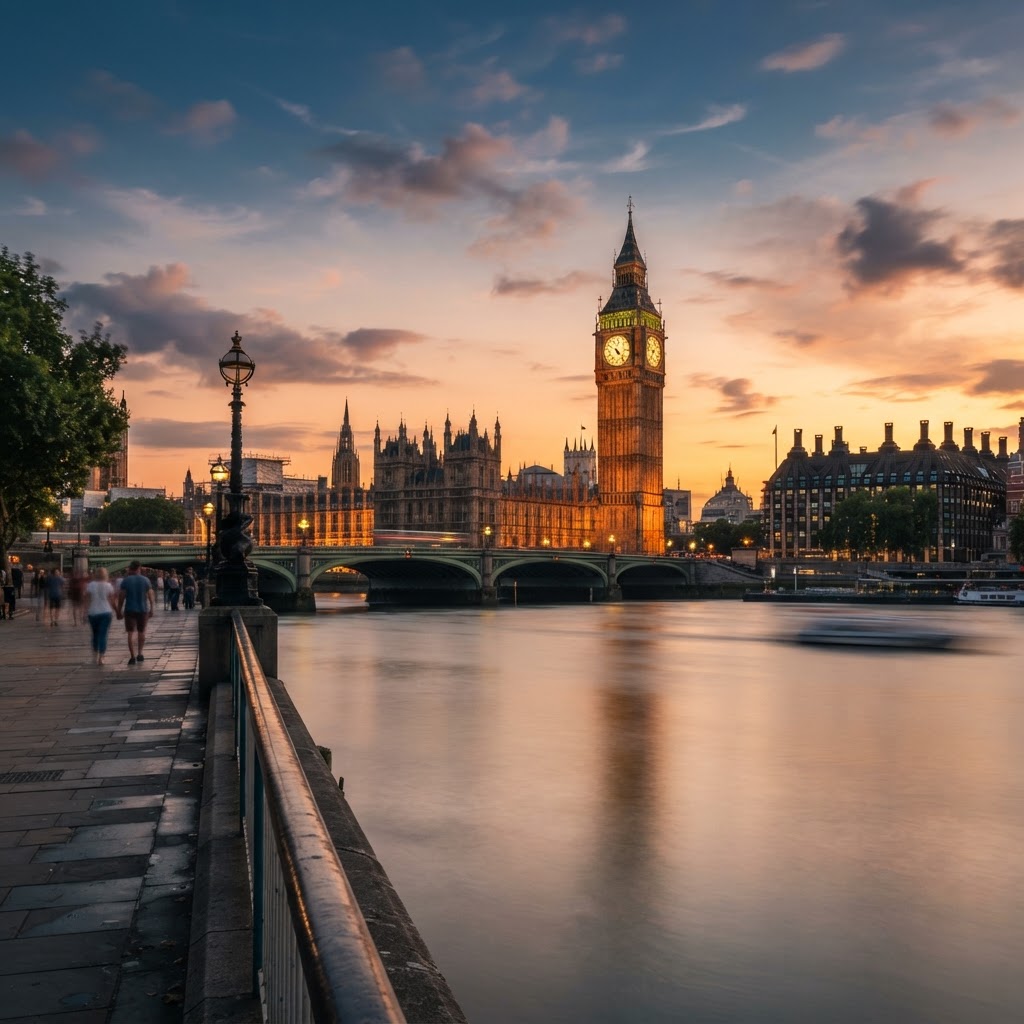
If you want to feel the sheer size of the Elizabeth Tower, head to the center of Parliament Square. By getting down low to the ground and pointing your camera upward, you can create a powerful, soaring effect that makes Big Ben look like it is piercing the clouds. This is a favorite spot for architectural photographers who want to emphasize the intricate stonework and the verticality of the tower.
Tips for Low-Angle Shots
Use a tripod if possible, but if you are traveling light, a small tabletop tripod or even just placing your camera on a stable stone surface can work wonders. Be mindful of the surrounding statues in the square; incorporating the statue of Winston Churchill or Abraham Lincoln into the foreground can add historical context and a sense of narrative to your photography.
St. Thomas’s Hospital Gardens: The Hidden Gem
Many tourists overlook the gardens near St. Thomas’s Hospital, yet they offer one of the best viewpoints of Big Ben from across the river. Because this area is slightly further north along the South Bank, it provides a unique side-on angle that feels less repetitive than the standard bridge shots. It is also significantly quieter, allowing you to set up your gear without being bumped by crowds.
This spot is particularly beautiful during the spring, when the cherry blossoms or other seasonal flowers can serve as a natural frame for your composition. By placing the colorful petals in the foreground, you create a beautiful contrast between the delicate nature of the plants and the imposing, industrial strength of the clock tower.
Westminster Pier: Incorporating Boats
For a more “active” London shot, head to the area around Westminster Pier. By timing your shot to capture one of the river cruise boats passing in front of the tower, you can create an image that screams “London.” This adds a layer of motion and life to your photos, preventing them from feeling like static architectural studies.
Timing Your Shot
Wait for a boat with a bright color scheme or one that is clearly a tourist vessel. Set your camera to a slightly higher shutter speed to ensure the movement of the boat is crisp, or conversely, use a slower shutter speed with an ND filter to create a silky, motion-blurred effect on the water. This experimentation is what separates a great travel photo from a simple snapshot.
Bridges Beyond Westminster
While Westminster Bridge is the obvious choice, other bridges offer incredible perspective if you have a zoom lens. Waterloo Bridge, for instance, provides a fantastic long-distance view of the entire Parliament complex. From this distance, you can compress the image, making the tower look larger in relation to the surrounding city skyline.
Why Distance Matters
Long-distance photography allows you to treat Big Ben as a focal point within the broader urban sprawl of London. Use a focal length of 70mm or higher to pull the tower closer to the viewer. This is especially effective during sunset, as you can capture the silhouette of the tower against a burning, orange sky, creating a moody and dramatic atmosphere.
Practical Tips for London Photography
Regardless of which spot you choose, technical preparation is key. London weather is notoriously fickle, so embrace the clouds. Overcast days actually provide excellent, soft, shadow-free lighting that is perfect for capturing the intricate details of the clock face. Always carry a spare battery, as the cold or extended use of the live-view screen can drain power quickly.
Lastly, respect the location. Parliament Square and the surrounding areas are busy transit zones. Be aware of your surroundings, keep your tripod footprint small, and never block pedestrian traffic. The best photos come from those who are observant, patient, and prepared to wait for the perfect moment of light.
Conclusion
Capturing the iconic beauty of Big Ben is a rewarding experience that stays with you long after your London trip ends. Whether you prefer the classic angles from Westminster Bridge or the quieter, more intimate views from the hospital gardens, the key is to experiment with your perspective. Don’t just settle for the first shot you take; move around, change your focal length, and wait for the light to shift.
Now that you know the best viewpoints of Big Ben, pack your camera, check the weather, and head out to explore. Do you have a favorite spot in London for photography? Share your own tips in the comments below or tag us in your best shots on social media!
Leave a Reply