
Stepping into the rural heart of the Iberian Peninsula feels like entering a living museum where the pace of life slows to match the rhythm of the seasons. While Spain’s vibrant cities draw millions for their nightlife and museums, the true essence of the nation is found in its scattered, sun-drenched hamlets. From the stone-clad houses of the Pyrenees to the whitewashed labyrinthine streets of Andalusia, capturing the soul of Spanish villages is an exercise in patience, observation, and deep appreciation for history.
The Allure of Rural Spain
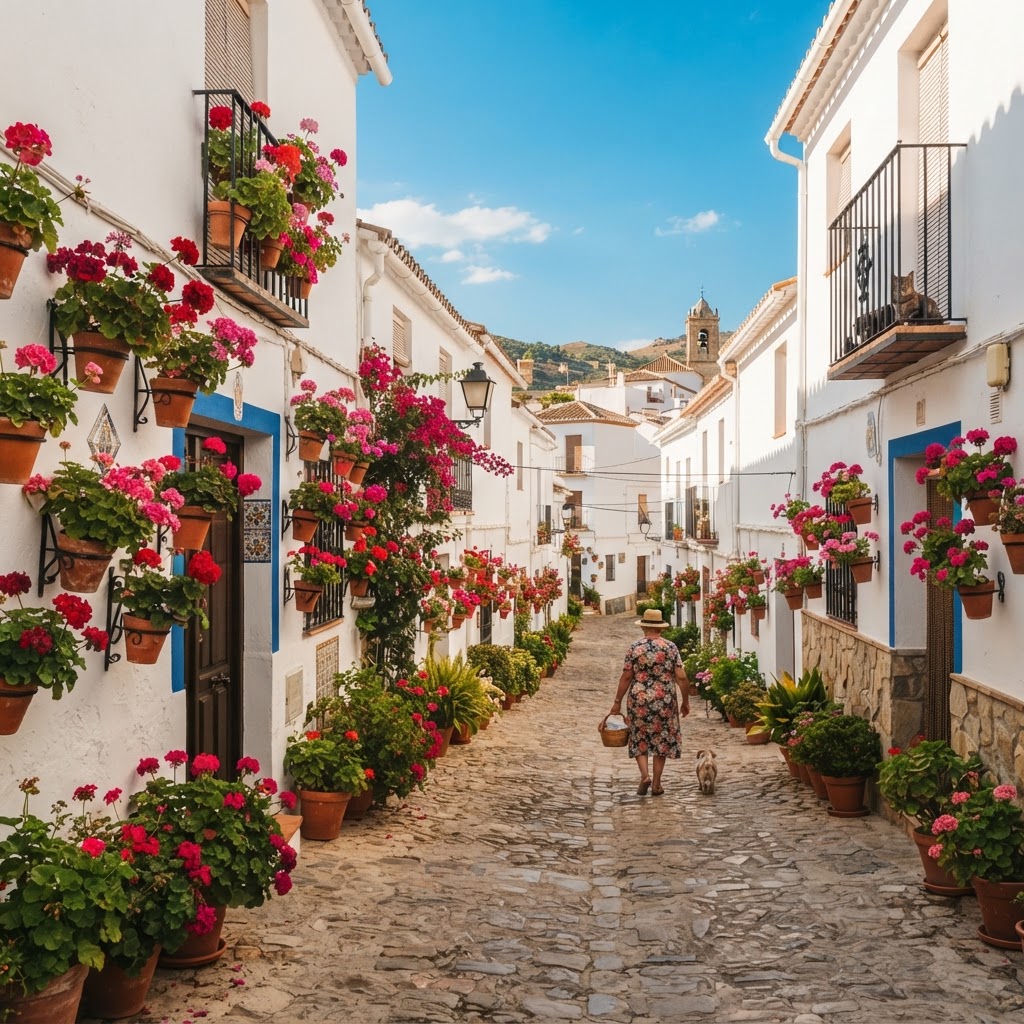
There is a profound peace in visiting these remote outposts. Unlike the polished tourist hubs, these villages thrive on local agriculture, ancient festivals, and intergenerational storytelling. To understand the soul of these places, you must first accept that efficiency is secondary to connection. Whether it is a conversation with a local shopkeeper or observing the way the light hits a centuries-old church at dusk, the magic lies in the details.
Why Slow Travel Matters
Slow travel is the key to unlocking the secrets of rural Spain. Instead of rushing to “see” as many landmarks as possible, travelers are encouraged to stay in one region for several days. This allows you to witness the authentic life that unfolds after the midday siesta. When you linger, you become a familiar face, moving from a stranger to a welcomed guest in the village square.
Architectural Wonders and Regional Diversity
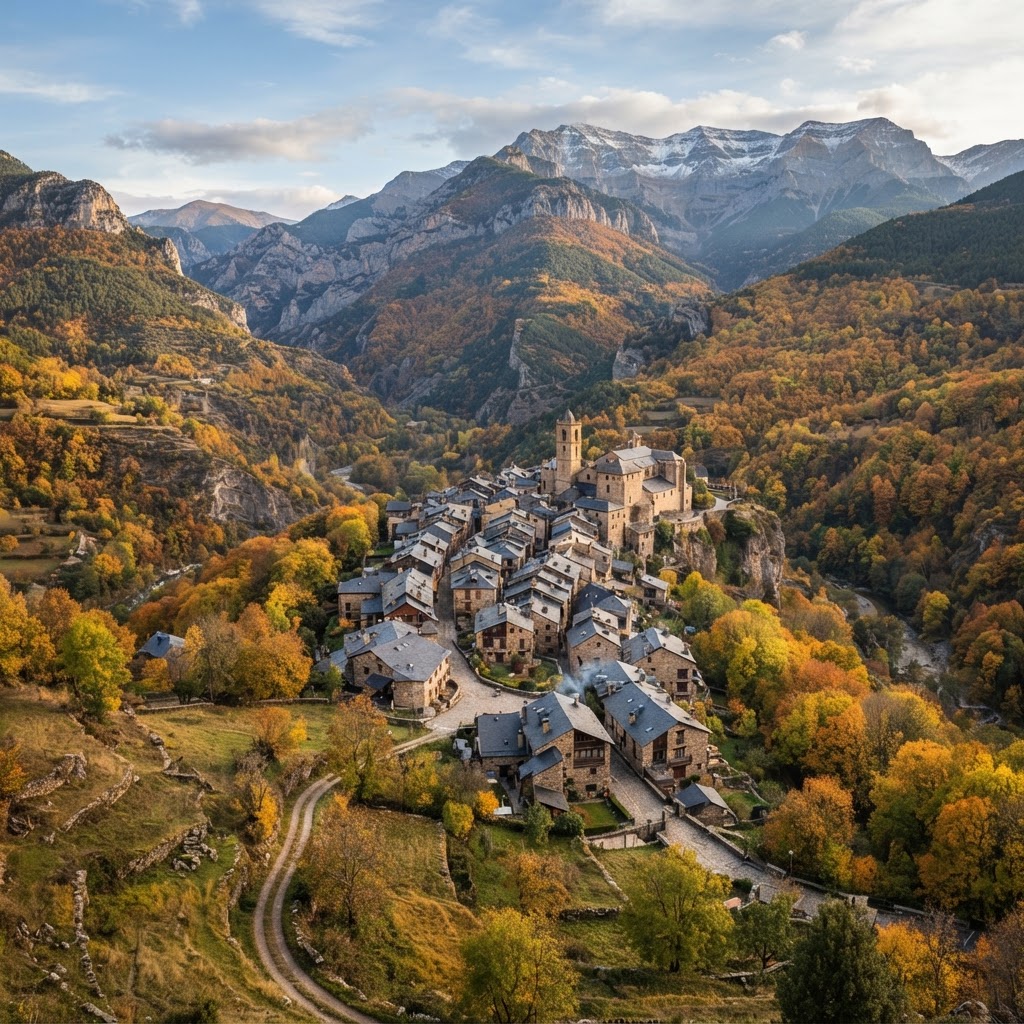
Spanish architecture acts as a visual history book. The variety across the country is staggering, driven by geography, historical occupation, and local resources. In the northern reaches, you will encounter heavy slate roofs and thick granite walls designed to withstand harsh winters. These rugged structures offer a stark contrast to the breezy, Moorish-inspired architecture found in the south.
The White Villages of Andalusia
The Pueblos Blancos of Andalusia are perhaps the most iconic representation of Spanish village life. These whitewashed homes, clinging to the sides of steep limestone cliffs, are a testament to the region’s climate. The white lime paint reflects the intense Mediterranean sun, keeping interiors cool. Wandering these steep, narrow alleys often leads to unexpected hidden gardens and panoramic vistas of the surrounding olive groves.
Features of Traditional Design
| Feature | Purpose | Location Example |
| :— | :— | :— |
| Whitewashed Walls | Heat Reflection | Andalusia |
| Slate Roofs | Snow Shedding | Pyrenees |
| Wooden Balconies | Ventilation | Cantabria |
| Internal Courtyards | Privacy & Cooling | La Mancha |
Traditions That Define Local Identity
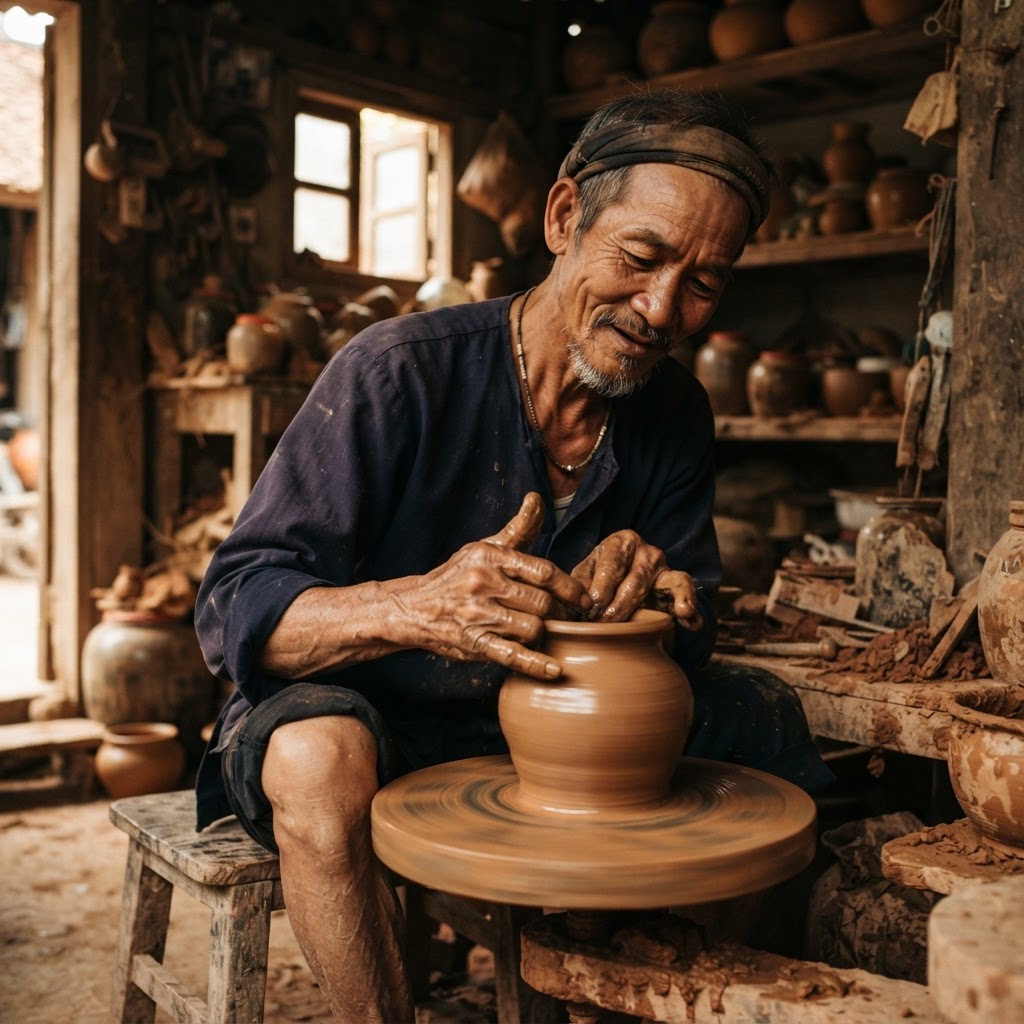
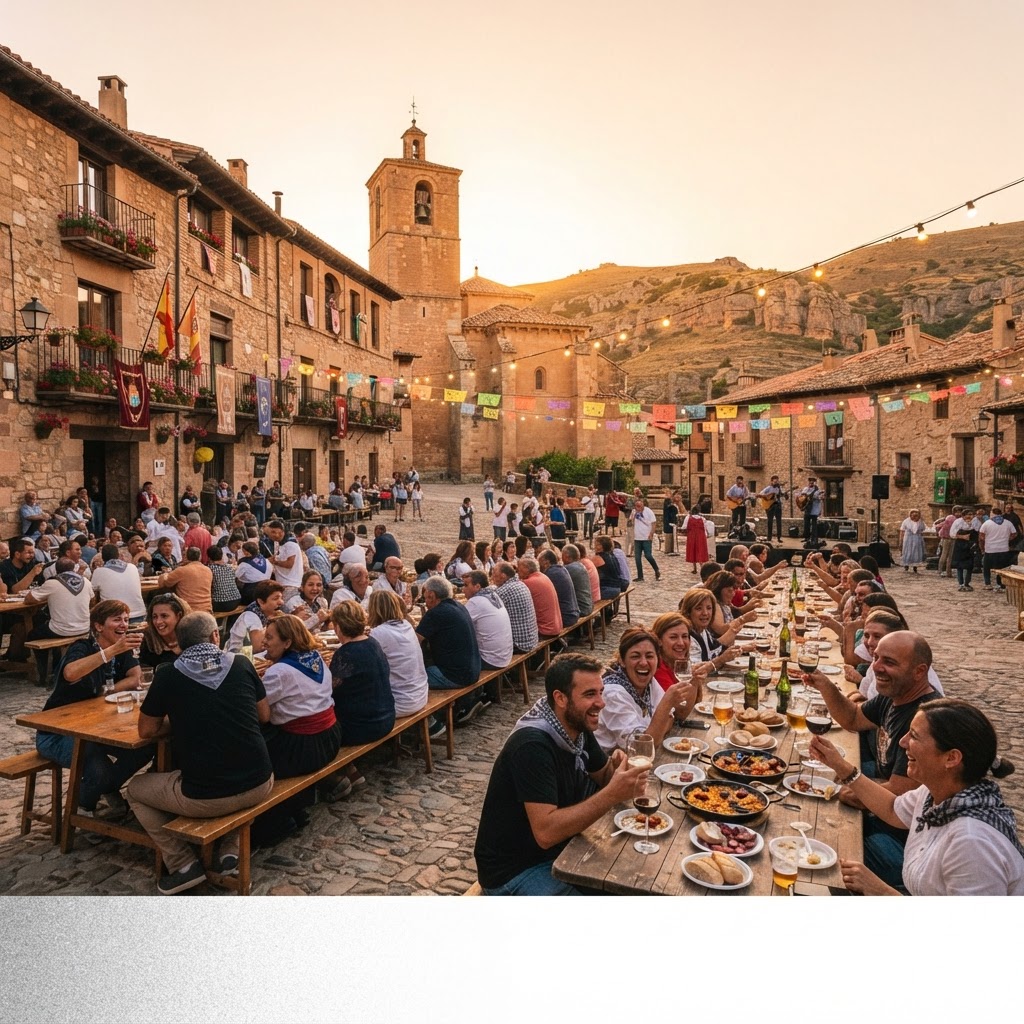
Every village in Spain holds onto its own unique customs. These traditions are often tied to local agricultural cycles or patron saint days. Participating in a fiesta patronal is perhaps the most immersive way to capture the soul of the community. You will find that these celebrations are not performances for outsiders, but deeply personal expressions of faith and heritage.
The Importance of the Plaza
The village square, or plaza, is the beating heart of rural life. It is where elders congregate to talk about politics, children play soccer until the sun sets, and neighbors share wine during local festivities. If you sit at a terrace cafe in the plaza, you are in the perfect position to observe the social fabric of the village. It is in this public space that the collective memory of the community is shared and preserved.
Culinary Roots and Local Gastronomy
Food in rural Spain is defined by what is grown within a five-mile radius. There is no “national diet” here; instead, you find hyperlocal specialties that have been perfected over centuries. In the mountain villages, expect hearty stews made with local beans and game, while coastal villages prioritize the freshest catch of the day.
Farm-to-Table Authenticity
You cannot claim to have captured the soul of Spanish villages without tasting the local fare. Look for small tabernas that do not have a written menu. These establishments often serve whatever was bought fresh at the morning market. Sharing a plate of local queso or cured meats while sipping regional wine is a sensory experience that connects you directly to the surrounding land.
Engaging with the Local Community
Language is the final barrier between a superficial visit and a soulful one. While you do not need to be fluent in Spanish, knowing basic phrases shows respect for the locals. Don’t be afraid to ask for recommendations. The pride local people feel toward their home is immense; showing interest in their history will often open doors to experiences you could never find in a guidebook.
Etiquette for Responsible Exploration
While tourism provides economic support, it is vital to be a respectful visitor. Keep noise levels low, especially during the siesta hours of 2:00 PM to 5:00 PM. Always ask permission before photographing residents, particularly the elderly who may value their privacy. Remember that these villages are working communities, not theme parks.
Preserving the Legacy of the Countryside
Many rural Spanish villages face the challenge of depopulation. As younger generations move to cities for work, these historic centers are at risk of fading away. By visiting these areas, you are contributing to the “España Vaciada” (Empty Spain) movement, which seeks to revitalize rural economies. Your tourism dollars support local artisans, small-scale farmers, and family-owned guesthouses.
How You Can Help
- Shop at local markets rather than generic supermarkets.
- Stay in locally owned casas rurales (rural houses).
- Purchase handmade crafts from village artisans.
- Share your positive experiences to encourage sustainable tourism.
Conclusion
Capturing the soul of Spanish villages requires more than a camera and a map; it requires an open heart and a willingness to be present. As you walk the cobblestone streets and listen to the bells of a Romanesque church, you become part of the ongoing story of these timeless places. By practicing slow travel and engaging deeply with the traditions you encounter, you ensure that these beautiful villages continue to thrive for generations to come. Start planning your journey into the rural heart of Spain today, and prepare to be transformed by its quiet, enduring beauty.
Leave a Reply