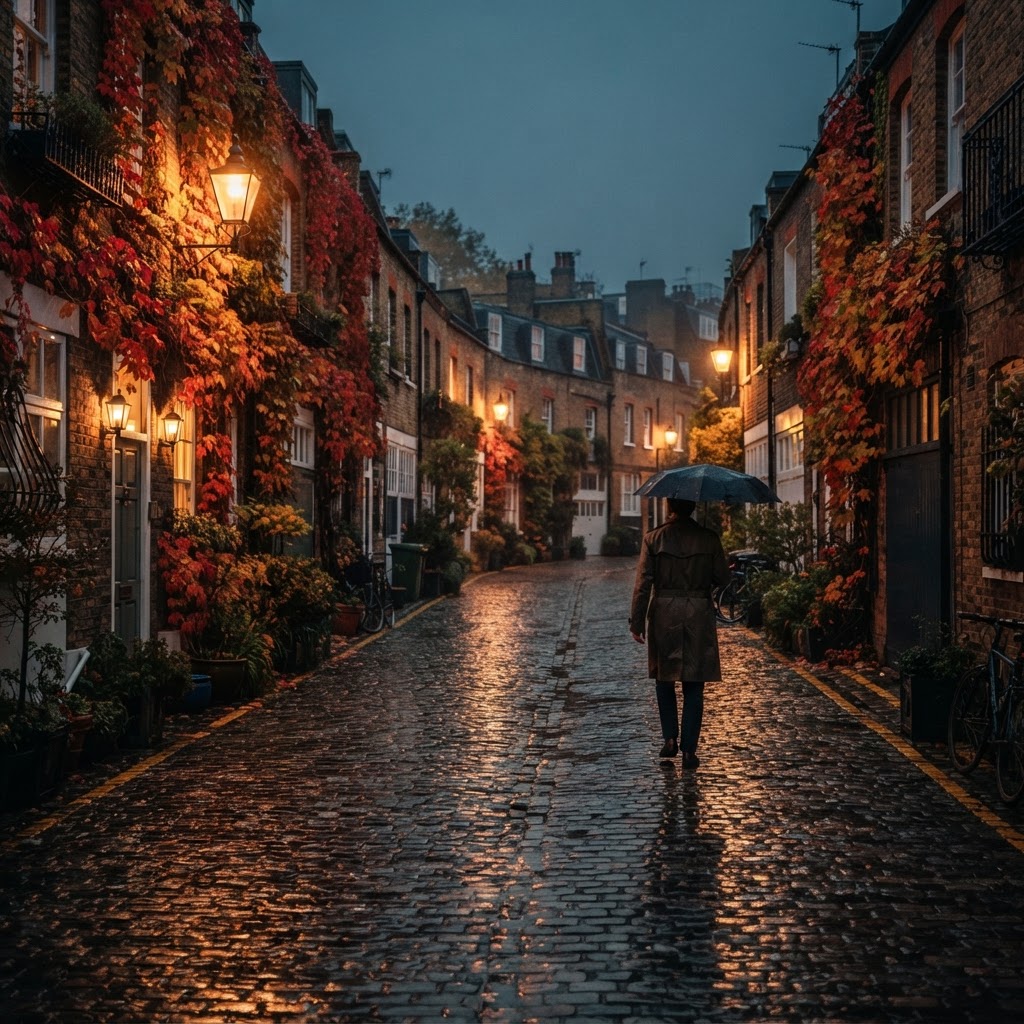
London in autumn is best experienced from late September through November, when the city shifts into a cinematic landscape defined by vibrant fall foliage, atmospheric misty mornings, and cozy, fire-lit historic pubs. The season offers lower crowd density, golden-hour light that lasts for hours, and distinct, moody weather patterns perfect for urban exploration.
The Aesthetic of Autumnal London
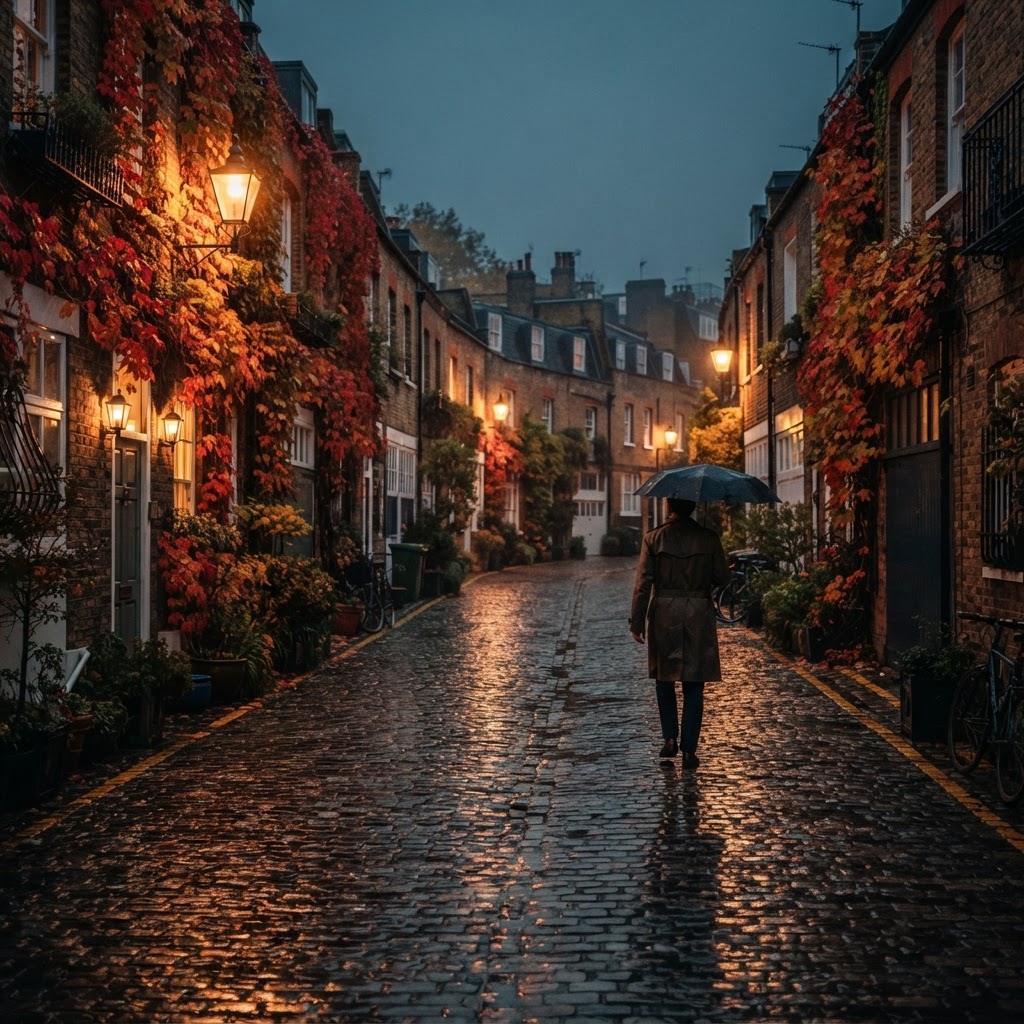
The charm of London in autumn lies in its willingness to lean into the moody weather rather than hide from it. The grey skies act as a dramatic backdrop that makes the warm, glowing interiors of historic pubs and independent bookstores feel like intimate, welcoming sanctuaries for travelers. When you walk through the streets, the city feels significantly less frantic compared to the peak summer season. Locals return to their regular autumn rhythms, creating a unique space for a more quiet, intentional observation of urban life. The temperature typically ranges from 8°C (46°F) to 16°C (61°F), providing a crisp, cooling relief that makes the city’s architectural textures pop. By choosing to visit during the ‘shoulder season’ of mid-October, you avoid the heavy October half-term school holiday crowds while still catching the peak of the turning plane trees. The reduction in tourism volume means shorter queues at major museums and a more authentic, local atmosphere in neighborhoods like Marylebone and Hampstead. Embracing the rain-washed cobblestones and the dim, atmospheric street lighting transforms the city into a living noir set, ideal for those seeking a reflective and aesthetically rich travel experience.
The Light and Color Palette
The “golden hour” in London seems to stretch for hours during the late autumn months, providing unparalleled lighting for street photography. Because the sun sits lower in the sky—often at a shallow 15 to 20-degree angle—it catches the turning leaves of the city’s plane trees with a dramatic, theatrical intensity. Photographers frequently flock to the capital during this time to capture the sharp contrast between dark, rain-slicked pavement and the vibrant, fire-like canopy found in parks like St. James’s Park. This specific lighting condition, which lasts from roughly 3:00 PM to 4:30 PM, creates deep shadows and high-contrast highlights that are difficult to replicate at any other time of the year.
Why Atmospheric Weather Matters
Rain in London is a cliché for a reason, but in autumn, it serves an artistic purpose by acting as a natural reflector. The slick, reflective surfaces of the cobblestone streets in Covent Garden or near the South Bank turn the city into a mirror, especially at night when neon and street lamps cast shimmering trails. When the rain falls, Londoners embrace it with an understated elegance, and the city takes on a noir-inspired aesthetic that looks like a frame pulled directly from a classic film. Statistically, November is one of the wetter months, but it is also when the city’s moodiest, most cinematic potential is fully realized.
Iconic Parks in Their Seasonal Glory
No trip to London is complete without wandering through its vast green spaces, which serve as the vital lungs of the city and undergo a profound transformation during the fall. The Royal Parks, maintained with historical precision, become the primary focal points for visitors seeking the quintessential autumn experience. These parks offer a diverse range of landscapes, from manicured formal gardens to untamed woodlands that turn brilliant shades of crimson and burnt orange as temperatures dip. Visitors should aim to visit these locations between 8:00 AM and 10:00 AM to beat the mid-day chill and catch the morning mist as it clings to the water features and ancient tree lines. Hyde Park, Green Park, and the smaller garden squares provide distinct experiences, often hosting seasonal events like autumnal harvest markets or guided nature walks. Whether you are looking for the sprawling, wild terrain of the Heath or the regal, structured beauty of St. James’s Park, these green zones provide an essential respite from the urban density of central London, allowing for a slower, more contemplative pace of exploration that defines the autumnal experience.
Hampstead Heath: The Wild Side of London
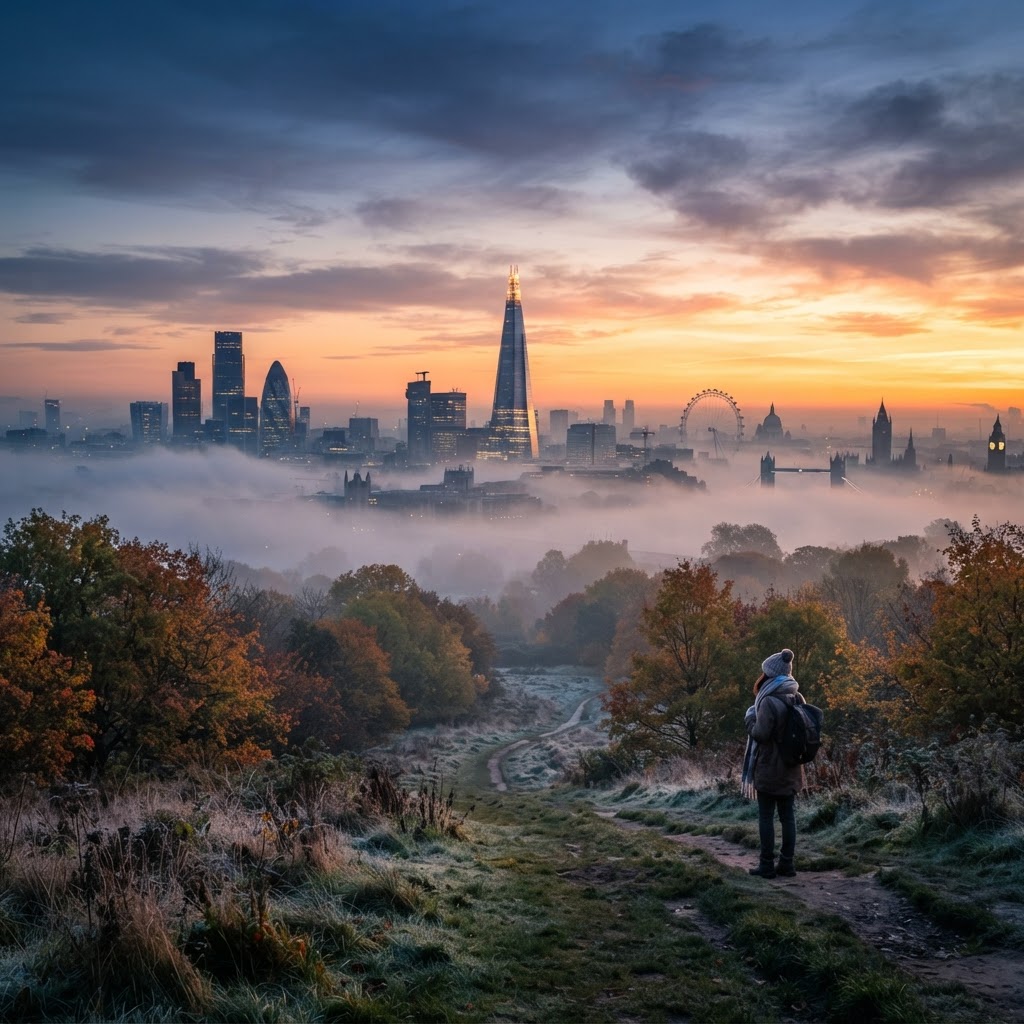
For a truly cinematic view of the city, hike up Parliament Hill in Hampstead Heath, which rises to 98 meters above sea level. On a misty October morning, the view of the London skyline emerging from the low-hanging fog is nothing short of breathtaking. The Heath feels more like the wild English countryside than a metropolitan park, with winding dirt paths lined by ancient oak trees that drop a massive blanket of copper leaves. It is a favorite spot for local photographers due to its panoramic vantage points.
St. James’s Park and the View to Whitehall
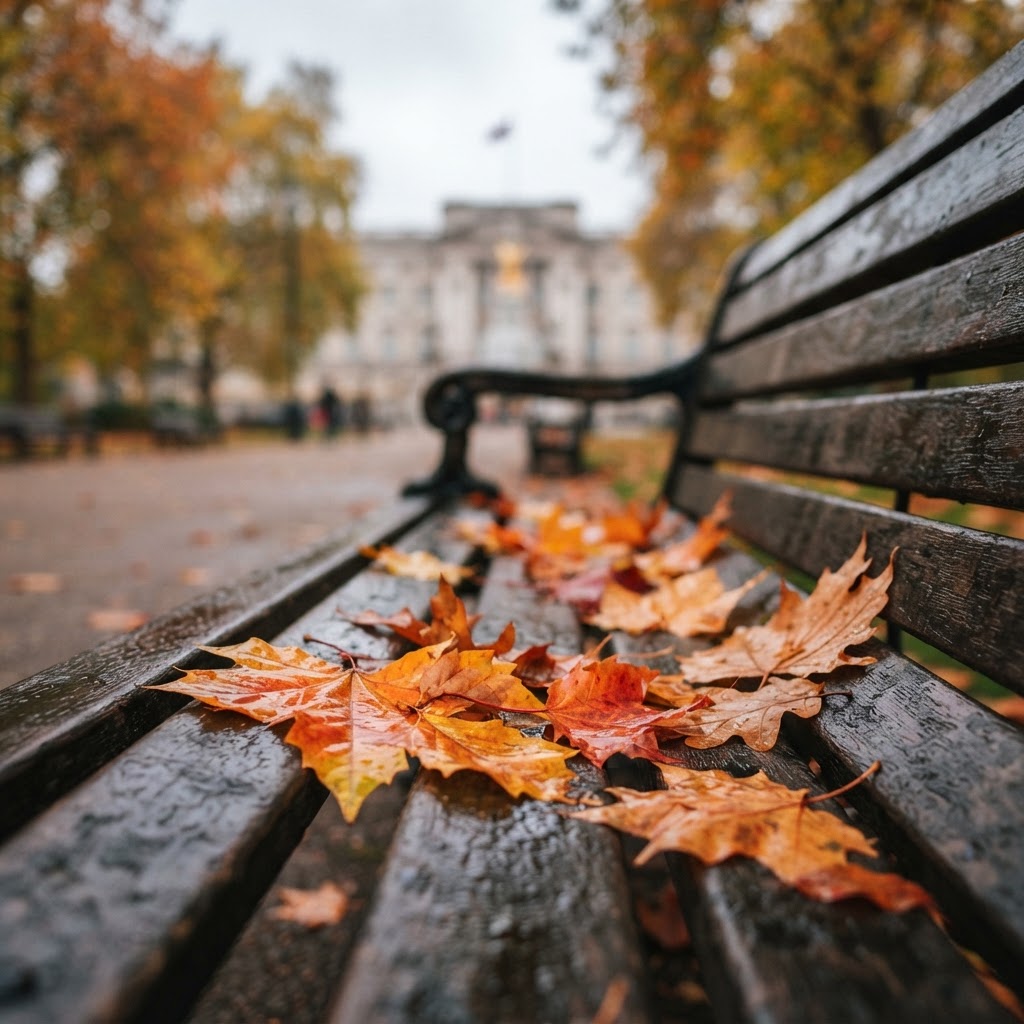
The proximity of St. James’s Park to Buckingham Palace offers a stark, beautiful contrast between regal tradition and the soft decay of the changing seasons. The trees here arch over the central lake, creating natural tunnels of yellow and orange that frame the distant sights of the Horse Guards Parade. Watching the pelicans on the lake while the leaves drift onto the water is one of the most peaceful ways to spend an afternoon in the city.
Exploring the City’s Cinematic Architecture
London’s architecture is a complex blend of centuries, and autumn light highlights the textures of brick, Portland stone, and cast ironwork like no other season. The moody, low-angle light exposes both the grit and the grandeur of the city’s historic buildings, making it the ideal season for architectural photography and aimless, exploratory wandering through forgotten districts. As the sun dips, the interplay between the deep shadows of Victorian stonework and the warm, golden light of street lamps creates a cinematic depth that appeals to film buffs and design enthusiasts alike. Focusing on areas like the City of London or the quieter residential mews allows you to appreciate the sheer scale and history of the capital. The seasonal change also brings out the best in London’s varied building materials; red brick buildings glow against the grey sky, while limestone facades take on a soft, melancholic hue. Whether you are walking through the ultra-modern financial district or the historic alleys of the East End, the architecture serves as the perfect structural companion to the ephemeral beauty of falling leaves and early winter twilight.
The South Bank and Its Moody Allure
Walking along the Thames as the sun sets is an essential autumn activity. The brutalist architecture of the National Theatre takes on a dramatic quality against a backdrop of bruised, purple-grey clouds. The lights of the London Eye reflect on the river, casting shimmering trails of blue and gold into the dark, churning water, providing a quintessential modern London aesthetic.
Hidden Mews and Backstreets
Escape the main thoroughfares and head toward the mews of South Kensington or Marylebone. These narrow, secluded streets, originally built to house horses and carriages in the 18th and 19th centuries, are lined with hanging ivy that turns a deep, blood-red in late autumn. They offer a quiet, cinematic stillness that feels miles away from the chaos of Oxford Street.
Cozy Retreats and Historic Pub Culture
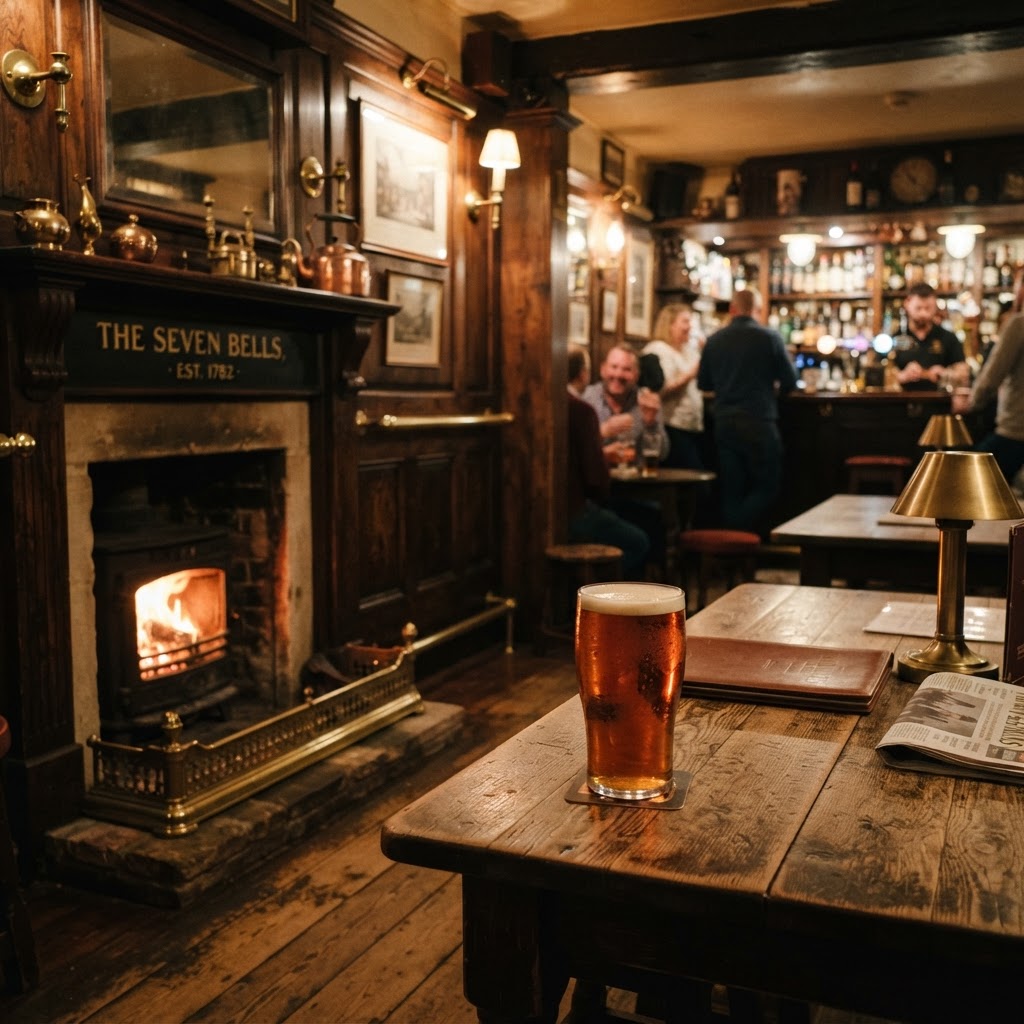
When the chill sets in, the quintessential London pub becomes the heartbeat of social life and the ultimate refuge for the autumn traveler. There is nothing quite as satisfying as stepping out of the damp, cool air and into a pub with a working fireplace, where the smell of woodsmoke and old wood defines the British capital’s atmosphere. These historic spaces, often dating back to the 17th or 18th century, are defined by dark wood paneling, stained glass windows, and a sense of permanence that balances the fleeting nature of the season outside. Many of these pubs offer seasonal cask ales and hearty, warming dishes like shepherd’s pie, which are perfect for refueling after a long day of walking. Seeking out these fire-lit sanctuaries is not just about comfort; it is about experiencing a tradition that has remained largely unchanged for centuries. Whether you are nursing a pint of stout in a quiet corner of a Chelsea tavern or reading a book in an upstairs library bar in Richmond, these locations provide the silence and warmth necessary to process the day’s sights. Prioritize pubs that advertise “real log fires,” as these are the most sought-after spots during the dark, rainy afternoons of November.
Finding the Perfect Fireplace
Many of London’s historic pubs keep their fires roaring throughout the autumn months. Looking for a place with a real log fire—not just gas-powered simulations—is a must for any autumn itinerary. It provides the warmth needed to sit with a book or a journal while the city moves on outside the window.
Literary London and Bookish Havens
London has a deep connection to literature, and autumn is the best time to explore the city’s independent bookstores. Places like Daunt Books in Marylebone, with its famous long oak galleries and skylights, offer a perfect refuge from a drizzly afternoon. There is a specific “book smell” mixed with the damp scent of the city that defines the reading experience during this season.
Curating Your Cinematic Itinerary
To make the most of your visit, consider creating a loose itinerary that prioritizes atmosphere over checklists. Here are some of the best activities to include for a truly cinematic trip:
- Morning coffee walk along the Regent’s Canal in Little Venice.
- Afternoon tea in a historic hotel library to escape the wind.
- Sunset photography session at Tower Bridge as the lights flicker on.
- Late-night visit to a jazz club in Soho for a moody, dim-lit ambiance.
- Browsing the stalls at Columbia Road Flower Market for seasonal blooms.
The Practicalities of Autumn Travel
While the aesthetic of London in autumn is dreamy, it does require a bit of practical preparation, as the weather is notoriously fickle. The temperature can shift from bright, crisp sun to heavy rain within a single hour, making dressing in layers a necessity for staying comfortable throughout the day. Start with a moisture-wicking base layer, add a warm sweater or cardigan, and top it with a high-quality, water-resistant outer layer to handle the unpredictable coastal climate. Footwear is perhaps the most important consideration; you will likely walk several miles per day, so ensure your boots are both waterproof and broken-in. Because daylight hours diminish rapidly, reaching just 8 hours of daylight by late November, planning is key to maximizing your time outdoors. Utilize the early morning hours, typically between 7:30 AM and 10:00 AM, for your primary outdoor sightseeing and photography. Once the light begins to fade around 4:00 PM, transition your activities toward indoor museums, galleries, or theaters to avoid missing out on the city’s rich cultural offerings. A portable power bank is essential for any photographer, as the cold air can drain smartphone and camera batteries significantly faster than in summer conditions. By preparing for the volatility of the weather, you ensure that the elements enhance your experience rather than hinder it.
Essential Packing List
- A sturdy, windproof umbrella (the kind that won’t turn inside out).
- Waterproof leather boots that are comfortable for miles of walking.
- A high-quality trench coat or wool overcoat.
- A lightweight scarf for those chilly river breezes.
- A portable power bank for your camera or phone, as cold weather drains batteries.
Managing the Shorter Daylight Hours
By late October, the sun sets shortly after 4:30 PM. While this might feel limiting, use it to your advantage. Focus on indoor activities like visiting museums or cozy pubs during the afternoon, and save your outdoor sightseeing for the morning hours when the light is most dramatic.
FAQ
Q: What is the best month to visit London for autumn colors?
The best time to see peak autumn colors in London is late October. During this period, the leaves in the Royal Parks are fully turned, and the weather is typically crisp enough to feel atmospheric without being bitingly cold.
Q: Is London expensive in the autumn?
London is generally more affordable in autumn compared to summer. Hotel rates often drop after the peak school holiday periods, and flight prices to the UK tend to be lower throughout November.
Q: What should I pack for London in the fall?
Pack for layers: a waterproof trench coat, comfortable leather walking boots, and a warm scarf are essential. The weather is highly unpredictable, so having items that can be easily removed or added is key for a comfortable day of sightseeing.
Q: Are the parks open in late autumn?
Yes, London’s major parks remain open throughout the autumn and winter. While some seasonal events might close as November ends, the parks themselves are beautiful year-round and offer excellent walking paths even during the cooler, darker months.
Q: What are the best indoor activities for rainy days?
Prioritize visiting world-class museums like the British Museum or the V&A, which are free to enter. Alternatively, spend your afternoon in historic pubs or independent bookstores like Daunt Books to embrace the cozy, cinematic atmosphere of the city.
Leave a Reply