Charming Coastal Towns in the South of France
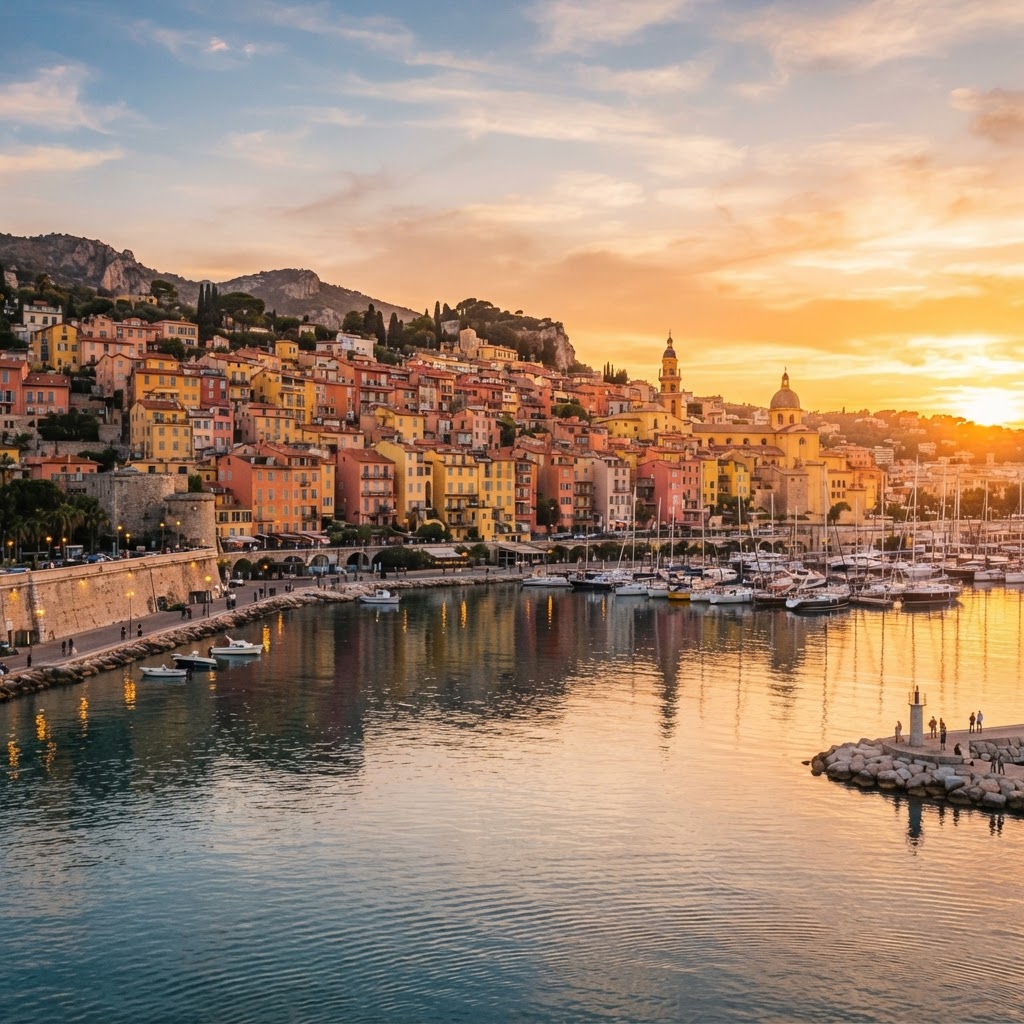
The best coastal towns in the South of France for a balanced Mediterranean experience are Menton, Villefranche-sur-Mer, Saint-Paul-de-Vence, and Cassis. Each offers a distinct blend of historic architecture, vibrant local markets, and scenic seaside beauty, making them premier destinations for travelers seeking authentic culture combined with stunning natural landscapes.
The Allure of the French Riviera
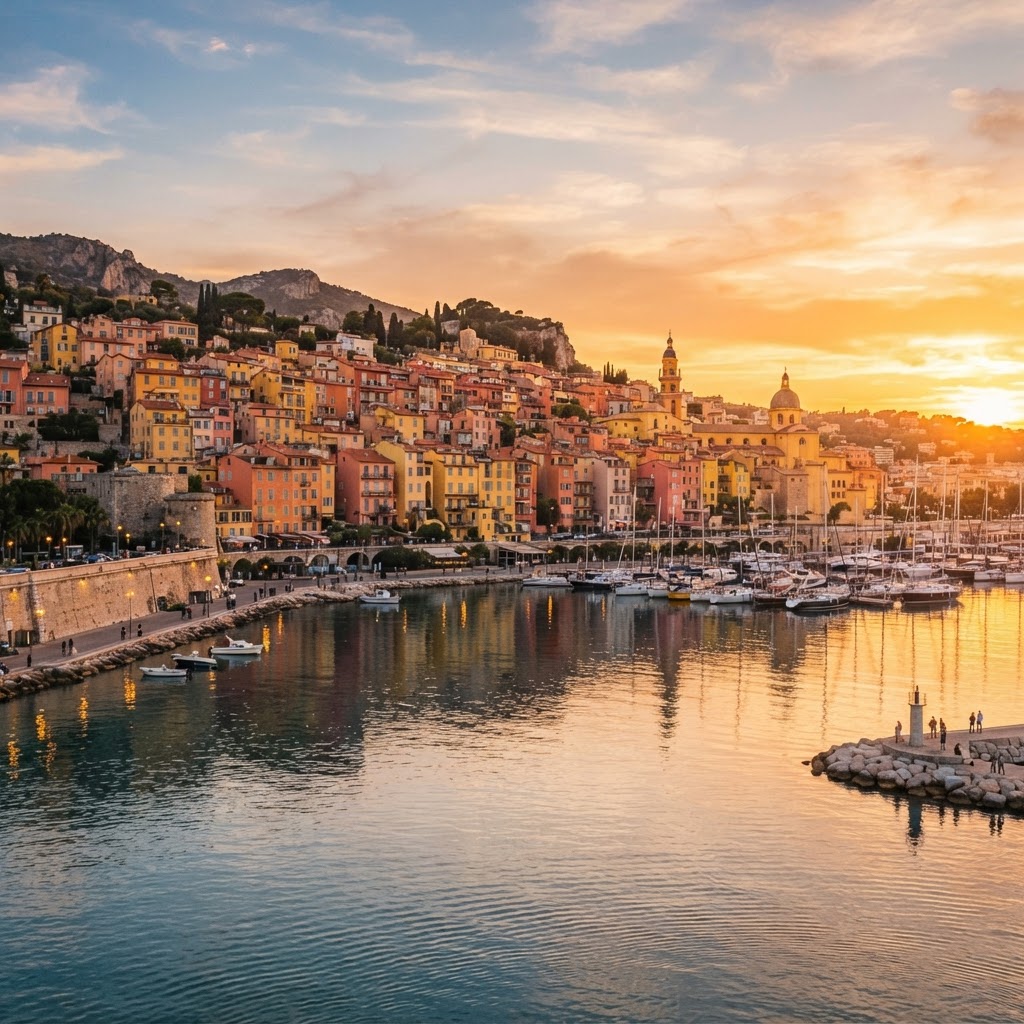
The French Riviera, or Côte d’Azur, remains a sanctuary for travelers because it perfectly bridges the gap between high-end luxury and preserved natural splendor. This region covers approximately 115 kilometers of coastline, boasting an average of 300 days of sunshine per year, which creates the legendary light quality famously captured by masters like Matisse and Picasso. The allure is found in the “art of living,” or l’art de vivre, where the daily rhythm is dictated by local markets, fresh seafood, and the preservation of historic customs.
Why Choose the Coast?
Choosing the coast provides access to a unique Mediterranean lifestyle defined by slow, intentional movement. Unlike major urban centers, these towns function as living history, where 13th-century architecture hosts modern artisan boutiques. Visitors find that every community is shaped by specific historical influences, from Italian border nuances in the east to the limestone geography of the west. To optimize your visit, compare the regional atmospheres below:
Menton: The Pearl of France
Menton is the most colorful town on the French Riviera, distinguished by a unique microclimate that allows it to remain approximately 3 to 5 degrees Celsius warmer than neighboring towns in winter. Located just 1.5 kilometers from the Italian border, the architecture showcases sun-baked facades in ochre, burnt orange, and soft yellow. The town is globally recognized for its citrus production, specifically the Menton Lemon, which is protected by a PGI (Protected Geographical Indication) label due to its unique essential oil profile.
Highlights in Menton
Do not miss the Jardin Serre de la Madone, a 7-hectare botanical garden featuring rare plants collected from across the globe. For those visiting in mid-February, the annual Lemon Festival (Fête du Citron) is a mandatory experience, utilizing over 140 tons of citrus fruits to create elaborate floats and sculptures. The local beaches, particularly Plage des Sablettes, provide a calmer environment than the bustling shores of Nice, perfect for those avoiding excessive tourist crowds.
Villefranche-sur-Mer: A Hidden Gem
Villefranche-sur-Mer is a treasure trove of authentic charm characterized by the deepest natural harbor in the Mediterranean, reaching depths of up to 95 meters. This geographic feature protected the bay from winds and attracted maritime commerce as early as the 13th century. The waterfront, lined with traditional, brightly colored houses, remains a working port where local fishermen still supply daily catches to the cafes. It provides a more intimate, village-like experience compared to the nearby urban sprawl of Nice.
Walking the Port
The port area is defined by its “rues obscures,” a 130-meter-long covered passageway that dates back to 1260 and originally served as a defensive structure for soldiers. Today, these passages house art galleries, workshops, and boutique shops that contribute to the town’s creative reputation. Visitors should hike up to the 16th-century Citadelle Saint-Elme, which today houses the Volti Museum, featuring impressive bronze sculptures and a dedicated Jean Cocteau chapel section that captures the artistic soul of the region.
The Artistic Haven of Saint-Paul-de-Vence
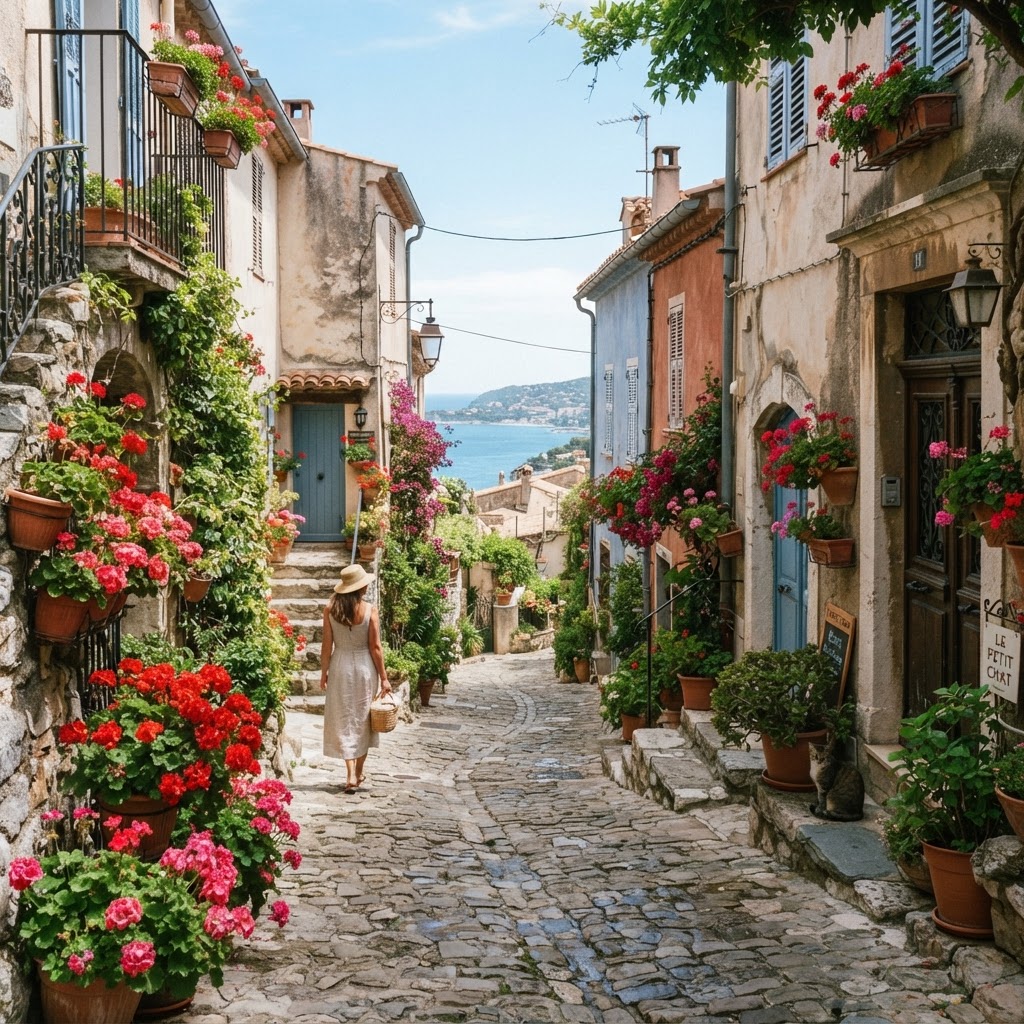
Saint-Paul-de-Vence is a premier fortified medieval village located just 12 kilometers from the coast, offering panoramic views of the Mediterranean from its high-altitude vantage point. While inland, its cultural significance makes it a necessary stop, as the village is known for hosting more than 50 professional art galleries within its narrow, cobblestone walls. Its history as an artistic haven was cemented in the 1920s when painters like Marc Chagall—who eventually lived and was buried here—began frequenting the local cafes.
Why Artists Love It
The village remains a magnet for creative souls due to its preserved 16th-century ramparts and the unique light that hits the limestone walls at sunset. Unlike purely coastal towns, Saint-Paul-de-Vence offers a rugged, hill-country aesthetic that provides a necessary contrast to the blue waters below. Visitors should allocate at least 3 to 4 hours to walk the entirety of the village walls and visit the Fondation Maeght, a world-class contemporary art museum located just outside the main gate, which houses significant works by Giacometti and Miró.
Cassis and the Calanques
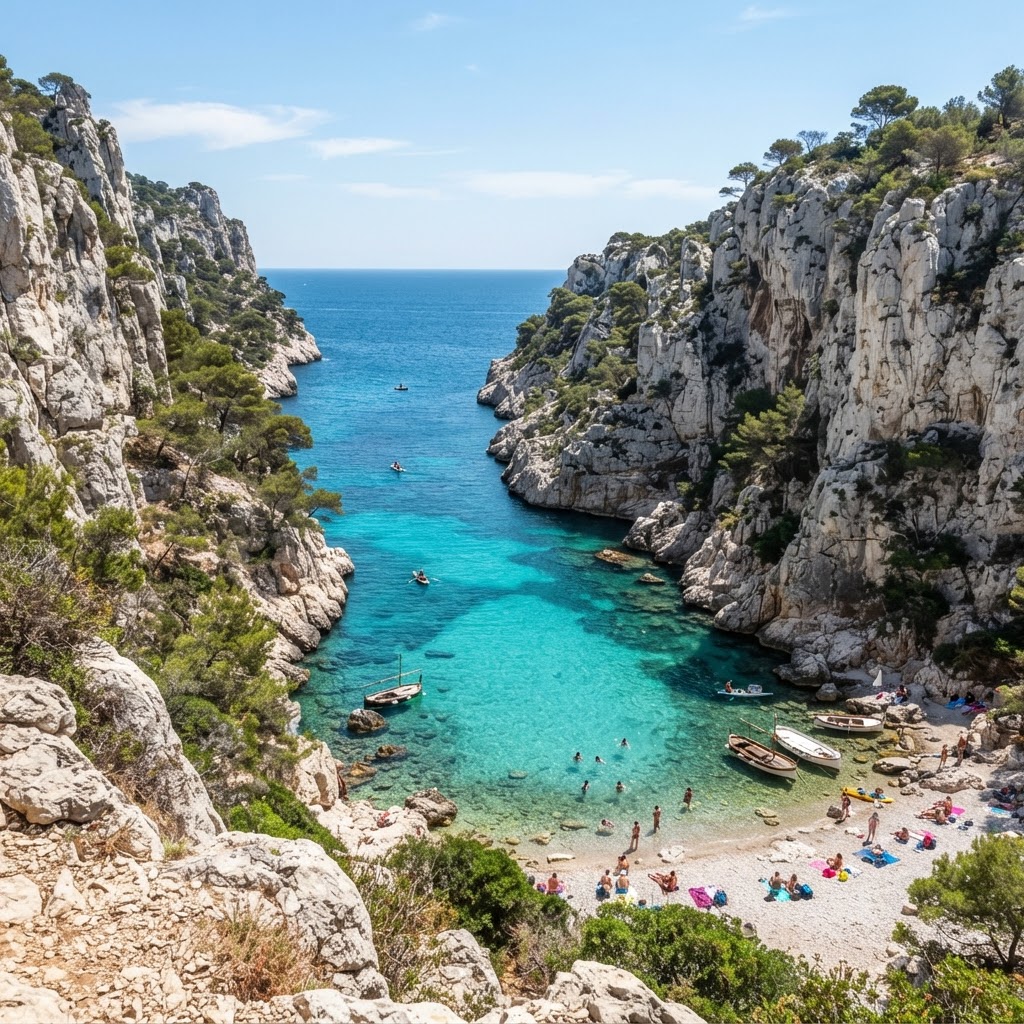
Cassis is a historic fishing port located 20 kilometers east of Marseille, best known for its high-quality white wine production and the proximity to the Calanques National Park. The harbor is filled with traditional wooden fishing boats known as pointus, which contrast with the dramatic limestone cliffs that surround the town. These calanques—deep, narrow inlets formed by glacial erosion—provide some of the most turquoise swimming waters in all of Europe, accessible primarily by boat or intensive hiking.
Tips for Exploring
To see the best of the Calanques, take a boat tour from the Port of Cassis, which typically lasts 45 to 90 minutes depending on how many coves are included. If you prefer to hike, note that the trail to Calanque d’En-Vau requires sturdy footwear and at least 60 minutes of descent. Upon returning to the town, ensure you pair your meal with a glass of Cassis AOP white wine; the appellation is strictly regulated and features floral, mineral-heavy notes that pair perfectly with fresh sea urchin or local bouillabaisse.
Practical Tips for Your Visit
Navigating the coastal towns requires balancing public transport with the freedom of a vehicle. The TER Sud train line connects most major coastal towns from Menton to Cannes with frequent, low-cost service, often costing under 10 Euros per ticket. However, renting a car is advisable if you plan to visit inland hill towns like Saint-Paul-de-Vence, as mountainous bus routes are often infrequent. To avoid peak heat and massive congestion, prioritize travel during the shoulder months of May, June, or September.
A Simple Packing List
Embracing the Mediterranean Lifestyle
The secret to enjoying the South of France is adopting the “slow travel” approach, which involves spending more time in fewer locations. Rather than attempting to see three towns in one day, choose one destination to immerse yourself in by visiting the morning fish markets and ending the day with a glass of local wine as the sun sets. This lifestyle prioritizes the quality of human connection and the enjoyment of the environment over the quantity of tourist attractions visited.
FAQ
Q: What is the best time of year to visit the South of France?
The best time to visit is during the shoulder seasons of May, June, and September when the weather is warm but the massive summer crowds of July and August have dissipated. You will find shorter wait times at restaurants and significantly lower accommodation rates during these months.
Q: Are the beaches in the South of France sandy or pebbly?
The beaches vary significantly, with many towns like Menton and Nice featuring pebbly shores, while areas near Cassis and specific private coves offer sandy or rocky limestone bottoms. If you specifically require soft, sandy beaches, head to the regions of Cannes, Juan-les-Pins, or Fréjus.
Q: Do I need to rent a car to explore the French Riviera?
You do not need a car if you stay strictly on the coast, as the TER train line connects most major towns efficiently and affordably. However, a rental car is highly recommended if you intend to explore inland villages or secluded hiking trailheads that are not serviced by public transit.
Q: What is the must-try local dish in this region?
You should try the traditional bouillabaisse, a complex saffron-infused fish stew that originated in Marseille and is perfected in the coastal towns of Cassis. It is traditionally served in two stages: the broth with toasted bread and rouille first, followed by the presentation of the cooked fish.
Practical Tips for a Smooth Mediterranean Escape
Renting a car in this region is often a strategic error for first-time visitors. Coastal roads are incredibly narrow, and parking spots in towns like Villefranche-sur-Mer or Cassis are nearly impossible to find during peak summer months. Instead, rely on the TER regional train network that hugs the coastline. It offers spectacular sea views and stops directly in the heart of most historic town centers.
If you prefer walking, bring sturdy footwear rather than flip-flops. Many of these towns feature steep, cobblestoned staircases leading from the harbor to the upper village districts. You will easily log over 15,000 steps a day, and the uneven terrain is unforgiving on standard summer sandals. Always carry a refillable water bottle, as public fountains with drinkable water are common and free throughout the region.
When to Go and How Long to Stay
Avoid July and August unless you enjoy extreme heat and wall-to-wall crowds. The best time to visit is late May or late September, when the water remains warm enough for swimming, but the cafes are not overflowing. Plan for a minimum of five days if you want to see three distinct towns. Rushing through one town per day leaves you exhausted and prevents you from experiencing the slower rhythm of life that makes this region special.
Common Mistakes to Avoid
Do not attempt to dine at restaurants facing the main tourist harbors during peak dinner hours without a reservation. Many of these spots prioritize high-turnover tourist trade rather than culinary quality. Walk three or four blocks inland toward the residential side streets to find authentic, family-run bistros. You will pay thirty percent less for a meal that tastes infinitely better.
Another frequent mistake is ignoring the siesta culture in smaller villages. Many artisan boutiques and independent galleries close between 1:00 PM and 4:00 PM. Plan your shopping and museum visits for the morning or the early evening when the locals emerge again. Use the middle of the afternoon to relax at a beach club or lounge under the shade of a pine tree.
Your Pre-Trip Planning Checklist
- Book train tickets in advance via the SNCF Connect app to save time.
- Pack a light linen jacket for cool breezes that roll in after sunset.
- Download an offline map, as cell service can be spotty in narrow alleyways.
- Carry small denominations of cash for local market purchases and public toilets.
- Check the wind conditions if you plan to rent a boat, as the Mistral can make the water rough.
Frequently Asked Questions
Is it expensive to travel the French Riviera?
Costs vary significantly depending on your choice of accommodation and dining style. Expect to spend at least 150 euros per day for a mid-range experience, covering a modest boutique hotel, train travel, and casual dining. If you choose to drink imported wines or dine at waterfront terraces, your daily budget should double to 300 euros or more.
Can I visit the coast using only English?
While most restaurant staff and hotel concierges speak excellent English, locals deeply appreciate a basic attempt at French. Always offer a polite ‘Bonjour’ when entering a shop and ‘Merci’ when leaving. Learning these two simple phrases changes the entire dynamic of your interactions and makes the locals far more helpful with directions or recommendations.
Leave a Reply