
Understanding the German Winter Climate
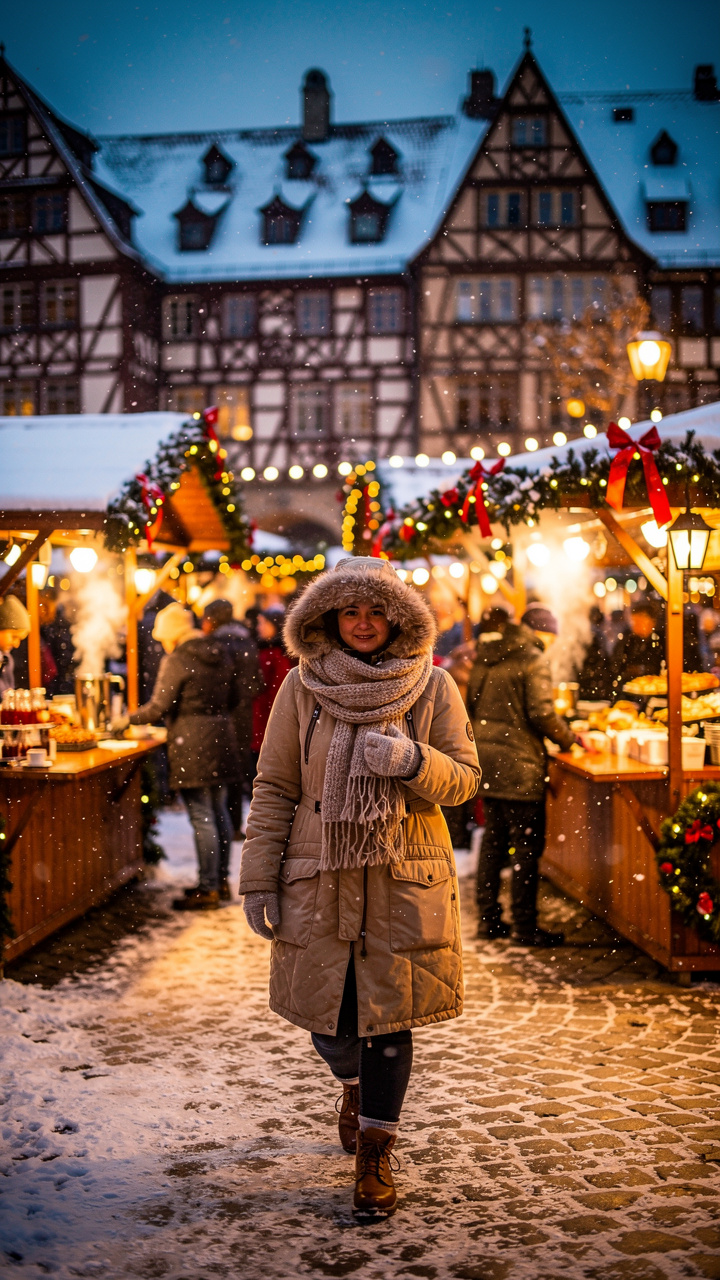
To stay warm at German Christmas markets, prioritize a three-layer system consisting of moisture-wicking merino wool base layers, an insulating fleece or down mid-layer, and a windproof, water-resistant outer shell. Temperatures in December typically range from -2°C to 5°C with high humidity, making technical fabrics essential for comfort during long, outdoor market visits.
German winters are defined by damp, bone-chilling cold rather than dry, snowy conditions, which accelerates heat loss through the skin. Humidity levels frequently exceed 80% in cities like Munich, Berlin, and Nuremberg, creating a “piercing” cold that penetrates standard cotton clothing. You must avoid cotton entirely, as it absorbs moisture and stays wet, significantly increasing your risk of hypothermia or extreme discomfort.
Instead, prioritize performance fabrics designed to regulate body temperature. Merino wool is the gold standard because it naturally wicks sweat away from the body while maintaining insulation even when slightly damp. Synthetic thermal base layers are a cost-effective alternative that provide similar benefits. By managing the micro-climate against your skin, you can transition seamlessly between the biting wind of an outdoor market square and the overheated interior of a German department store without needing to constantly strip off layers.
Recommended Materials Comparison
The Layering Strategy
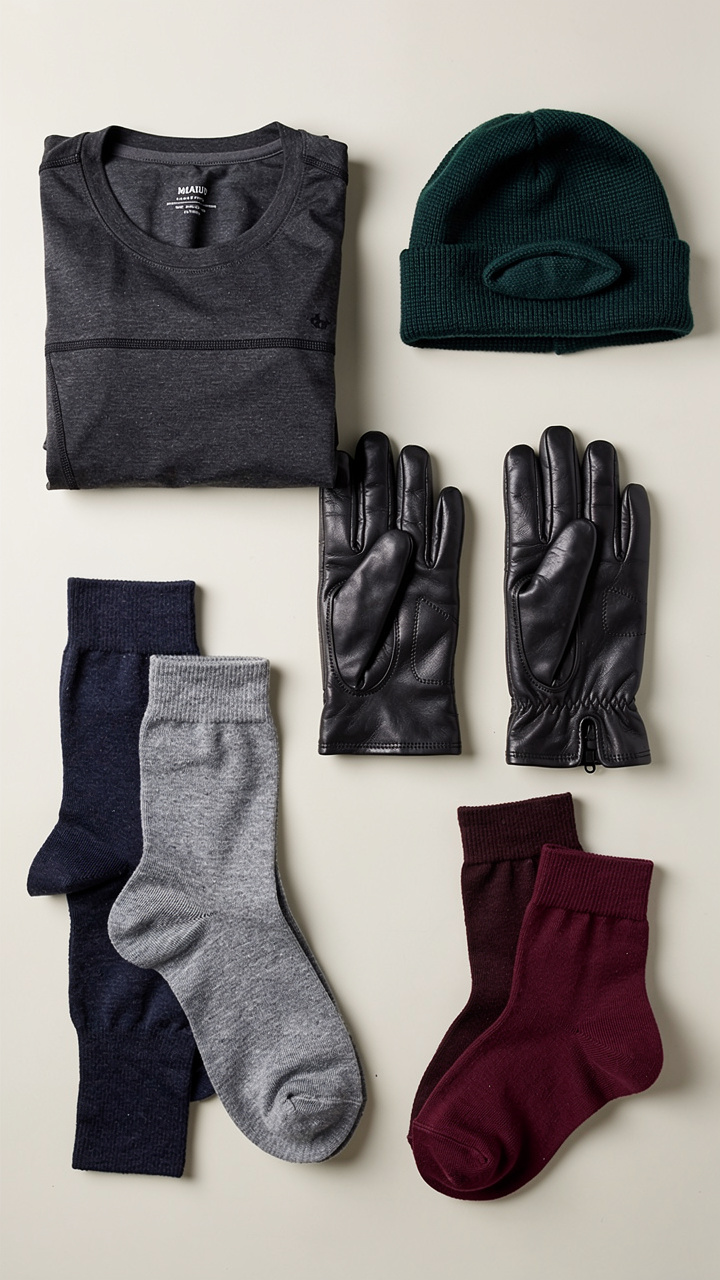
Layering allows you to adapt to the constant temperature shifts between heated indoor spaces and the frigid outdoors by physically removing or adding heat-trapping barriers. Start with a fitted thermal base layer that acts as a second skin to trap body heat close to your core. Your middle layer should be a fleece vest, sweater, or a “down sweater”—a lightweight, compressible jacket filled with insulation that adds significant warmth without adding excessive bulk under your coat.
Your outer layer is your primary defense against the German climate and must be windproof and water-resistant. A long parka that hits at or below the mid-thigh is superior to a short jacket because it protects your legs from biting wind and keeps your seat warm when sitting on outdoor market benches. Ensure the parka has deep, zippered pockets; this is a critical security feature for storing your smartphone and wallet securely in crowded areas. When your hands are free, you can easily hold a steaming mug of Glühwein, which is the cornerstone of the German market experience. Always verify that your outer shell has an adjustable hood that can be cinched tight against sideways rain or heavy, wet snowfall, common in late December in cities like Nuremberg or Dresden.
Essential Footwear for Wet Pavements
[](https://www.youtube.com/watch?v=HcHZFqVgZjM)
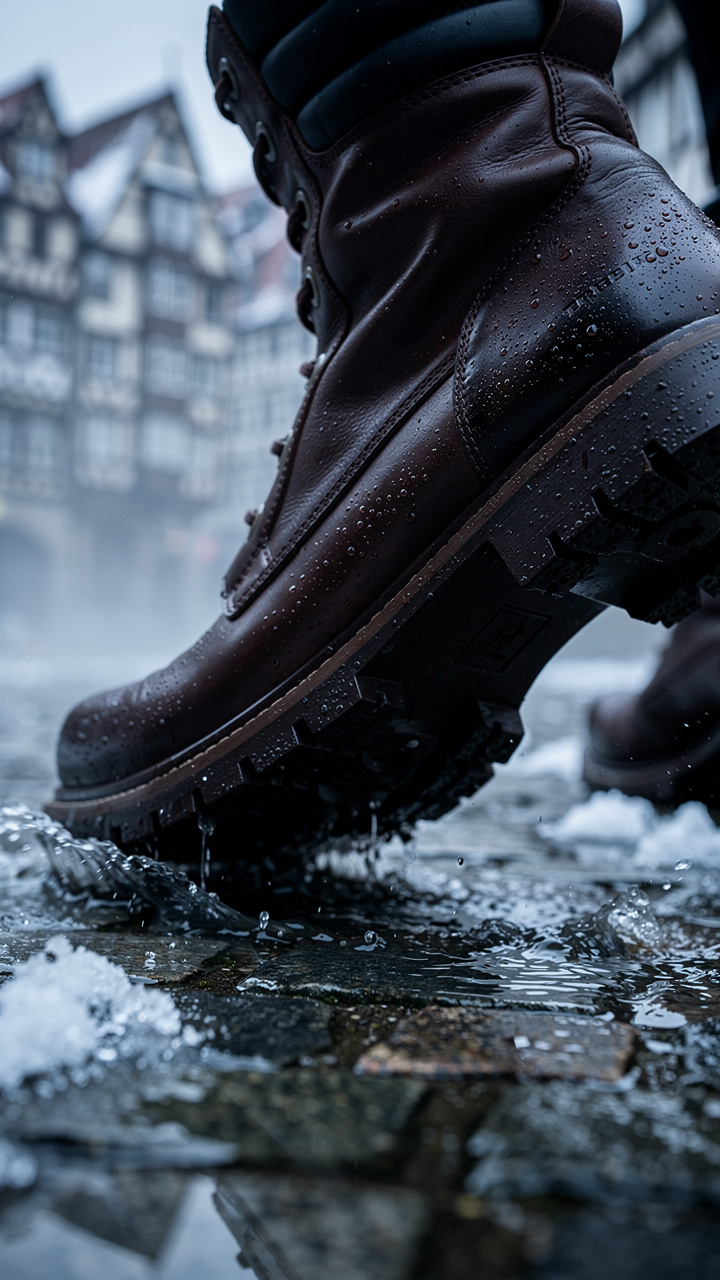
Your feet are the first point of failure during a market crawl, as you will likely spend 4 to 6 hours standing or walking on cold, conductive cobblestones. Avoid standard fashion sneakers or unlined leather boots, as they lack the thermal insulation and structural support required for winter conditions. Instead, select waterproof leather or treated synthetic boots with a high-traction, rubberized outsole to prevent slipping on icy or wet stone surfaces.
Investing in a pair of wool-lined insoles is a budget-friendly way to upgrade standard boots, providing an extra barrier between your feet and the freezing ground. When pairing these with thick, knee-high merino wool socks, you eliminate “cold gaps” around the ankles. It is advisable to choose boots that are slightly roomy to accommodate thick socks; if your feet are squeezed by tight footwear, blood circulation will be restricted, and your feet will get cold significantly faster. If your footwear choice ensures your feet remain dry, you can spend hours exploring the market stalls, while those in standard fashion shoes will likely be forced to return to their hotel early due to the ‘frozen toe’ effect. Look for “Gore-Tex” or similar waterproof membranes in boot specifications for the best protection against slush.
Accessory Must-Haves
Accessories are essential tools for temperature management, often making the difference between an enjoyable evening and a premature exit due to cold. A high-quality wool scarf is vital, but ensure it is long enough to wrap multiple times around your neck and lower face to act as a heat-retaining buffer. A wool or cashmere-blend beanie is mandatory, as research suggests a significant amount of body heat is lost through the head, especially in humid, sub-zero conditions.
For your hands, use a “double-glove” system. Wear a thin, tight-fitting touchscreen-compatible liner glove as your base. Over this, wear a pair of thick, waterproof mittens. Mittens are significantly warmer than gloves because they keep your fingers together, sharing heat, rather than separating them. This configuration allows you to peel off the outer mitten to check your phone maps or take photos without ever exposing your bare skin to the freezing ambient air. Additionally, a crossbody bag worn inside your jacket is a non-negotiable security item. In the dense crowds of a market like the Christkindlesmarkt in Nuremberg, pickpockets target external bags. Wearing your valuables against your torso, under your outermost layer, keeps them safe and warm, preventing your phone battery from dying prematurely due to the cold.
Common Mistakes to Avoid
Many travelers fail by dressing for the aesthetic of a photoshoot rather than the harsh reality of German winter utility. Avoiding denim is your most important rule; jeans soak up moisture from rain or snow, lose all insulating properties, and become frozen, heavy, and extremely uncomfortable within minutes. Replace denim with fleece-lined leggings, thermal trousers, or water-resistant hiking pants that maintain their shape and warmth when damp.
Another frequent error is the “too-tight” mistake. People often layer as many pieces as possible, but if your clothing is too restrictive, you compress the air pockets that actually provide insulation. Your clothing should feel loose enough to allow for natural blood circulation. If your socks are too tight or your boots pinch, your toes will be cold regardless of the material. Always test your full range of motion—including bending, sitting on a bench, and walking up stairs—before leaving your hotel. If you feel restricted in your hotel room, you will be miserable after three hours at a market. Finally, avoid the “one-heavy-coat” myth; wearing a heavy, non-breathable coat will cause you to sweat while inside a store or cafe. Once you step back outside, that trapped perspiration will turn cold, making you feel much colder than you would have in lighter, breathable, layered technical gear.
Myths vs. Facts
- Myth: Any heavy winter coat will keep you warm. Fact: Breathability is more important than weight; heavy, non-breathable coats trap sweat and lead to rapid cooling once you step back outside into the cold.
- Myth: You need expensive brand-name mountain gear. Fact: Local German retailers like Karstadt or Galeria often carry high-quality, affordable wool and thermal layers that are specifically engineered for the local climate.
- Myth: Fashion sneakers are acceptable if you wear thick socks. Fact: Standard sneakers lack the rubberized insulation and traction needed for wet, freezing cobblestones, turning your feet into blocks of ice.
Quick Packing Checklist
- Thermal base layers (top and bottom)
- Merino wool socks (bring 3 extra pairs)
- Waterproof boots with good grip
- Windproof parka with a hood
- Scarf, hat, and touchscreen gloves
- Crossbody security bag or money belt
- Portable power bank for your phone
- Lip balm and hand cream (dry air causes cracks)
FAQ
Can I wear sneakers at the Christmas markets?
It is generally a bad idea unless they are specifically designed for winter, like Gore-Tex hiking sneakers. Standard fashion sneakers offer no insulation, and their soles will quickly turn into ice blocks on cold cobblestones.
How much cash should I carry daily?
Carry at least 50 to 100 Euros in small denominations at all times. Many smaller market stalls do not accept credit cards, and you do not want to miss out on a specific food item because of payment issues.
Should I buy my winter gear before or during my trip?
Buying your base layers at home is recommended so you can test them for fit and comfort. However, if you need a heavy outer layer, German department stores like Karstadt offer high-quality winter coats tailored specifically to the local climate at competitive prices.
How do I keep my phone from dying in the cold?
Keep your phone in an inside pocket against your body heat to preserve the battery. The freezing humidity drains lithium-ion batteries significantly faster than normal, so a portable power bank is an essential accessory to carry.
What is the best way to handle pickpockets?
Wear a slim crossbody bag underneath your outer jacket at all times. Never carry your phone or wallet in an external jacket pocket, as dense crowds at popular markets like the Dresden Striezelmarkt are prime environments for pickpockets.
Leave a Reply