
Cinque Terre Colorful Harbor Towns: The Ultimate Guide
The Cinque Terre consists of five historic fishing villages—Monterosso al Mare, Vernazza, Corniglia, Manarola, and Riomaggiore—perched along the rugged Italian Riviera. These UNESCO World Heritage sites are best accessed via the Cinque Terre Express train, offering travelers a unique blend of steep, colorful cliffside architecture, pristine Mediterranean swimming spots, and world-class coastal hiking trails.
Getting to Know the Five Villages
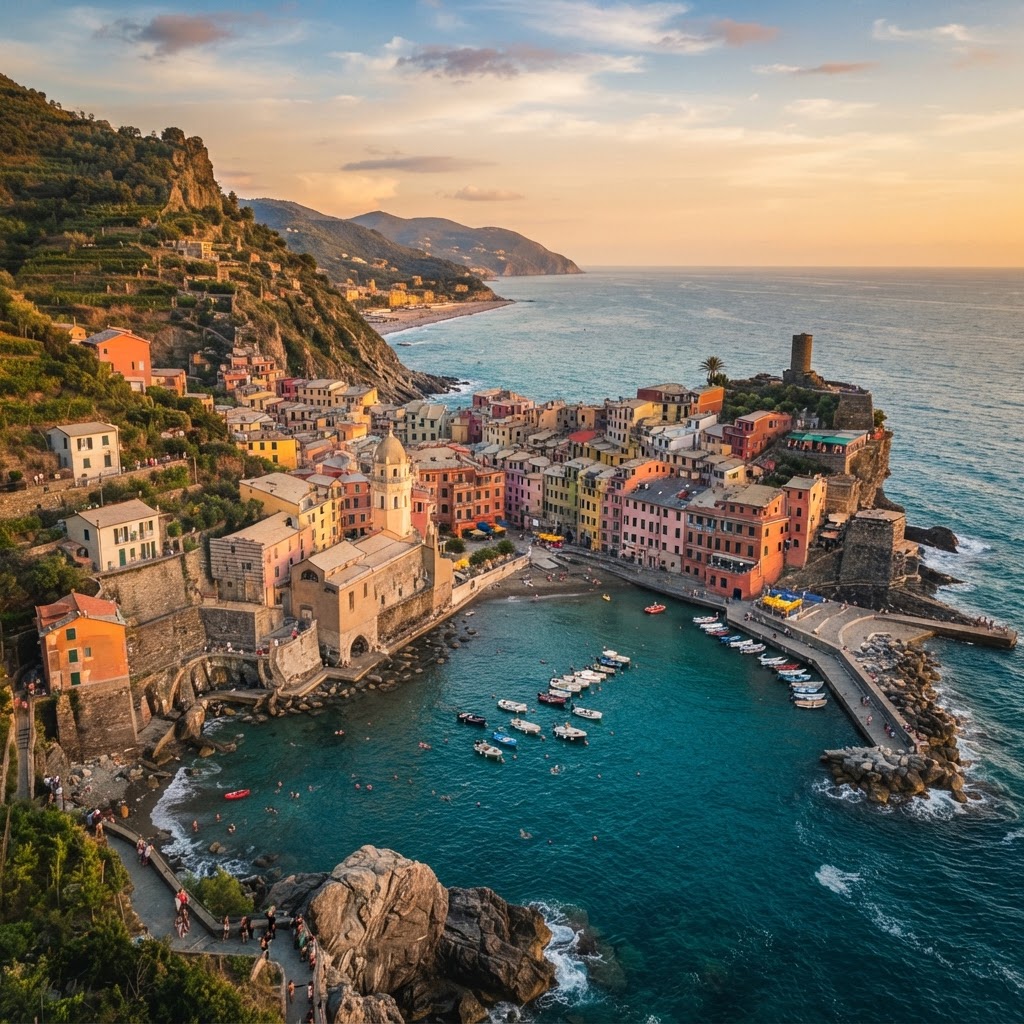
Each of the Cinque Terre colorful harbor towns offers a distinct atmosphere defined by its unique geography and local amenities. Monterosso al Mare stands out as the largest village, featuring the only extensive sandy beach and a wide promenade, making it the most resort-friendly option. Vernazza is widely regarded as the crown jewel due to its medieval fortress and picturesque natural harbor that offers ideal photography spots. Corniglia provides a different experience entirely; situated 100 meters above sea level on a ridge, it is the only village without direct water access, reachable by the 382-step Lardarina staircase or a frequent shuttle bus. Manarola is world-famous for its deep-water swimming holes and the iconic “Punta Bonfiglio” viewpoint, perfect for watching sunsets. Riomaggiore, the southernmost village, features steep, layered, colorful homes that define the region’s classic architectural aesthetic.
Practical Logistics and Transport
Navigating the Cinque Terre requires a strategic approach, as the region is heavily protected and not car-friendly. The most efficient way to travel between the five villages is the regional Cinque Terre Express train, which costs approximately €5 per single journey or is included in the unlimited Cinque Terre Card. Avoid renting a car at all costs, as parking in towns like Vernazza or Riomaggiore is restricted to residents only and is virtually non-existent for tourists. If visiting between April and October, the ferry system provides an alternative perspective of the rugged coastline. The ferries connect all villages except Corniglia, offering a sea-level vantage point of the colorful cliffside houses that is inaccessible by land. Visitors should always validate their train tickets before boarding at the green machines located on the platforms to avoid heavy fines from railway inspectors.
Essential Travel Tips for Your Trip
To make the most of your stay, keep these logistical tips in mind during your journey:
- Purchase a Cinque Terre Card for unlimited access to trains and hiking trails (approx. €18-€30 depending on duration).
- Always carry cash, as smaller cafes and shops may not accept credit cards for small purchases.
- Pack light, as you will likely have to navigate stairs and narrow cobblestone streets with your luggage.
- Book your accommodations months in advance if visiting during the peak summer months.
- Respect the local residents by keeping noise levels down during the evenings.
The Best Cinque Terre Hiking Trails
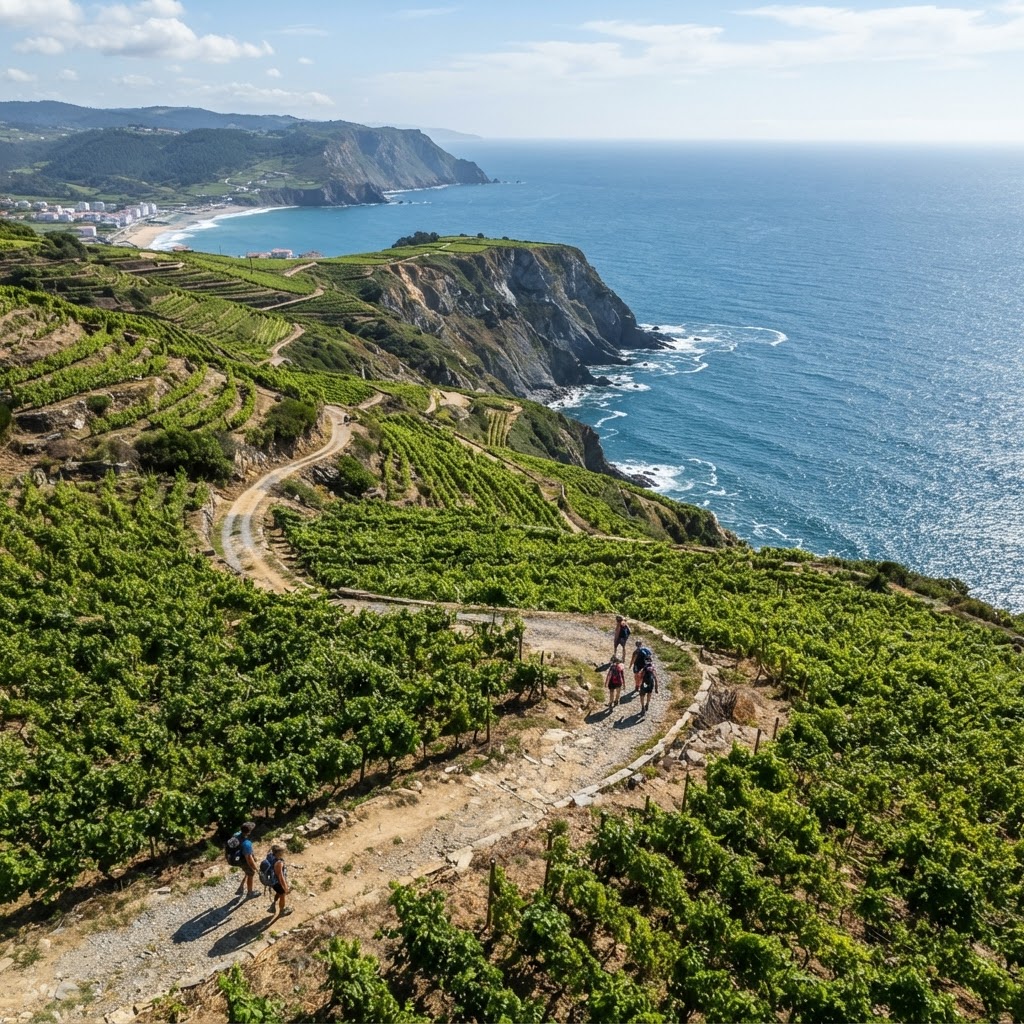
Hiking is the primary reason many travelers flock to this region, with the Sentiero Azzurro (Blue Trail) serving as the most iconic route. This path connects the five villages, stretching roughly 11 kilometers in total. While some segments, such as the Via dell’Amore between Riomaggiore and Manarola, undergo frequent maintenance closures, the sections from Monterosso to Vernazza and Vernazza to Corniglia remain open for trekking. These trails involve steep inclines and stone steps, so sturdy footwear is mandatory. It is important to note that access to the high-quality path sections requires a paid Trekking Card. Always check the official Parco Nazionale delle Cinque Terre website for real-time trail status updates before setting out in the morning to avoid disappointment. Bring at least 1.5 liters of water per person, as shade is limited on the exposed cliffside portions of the path.
Culinary Delights and Local Dining
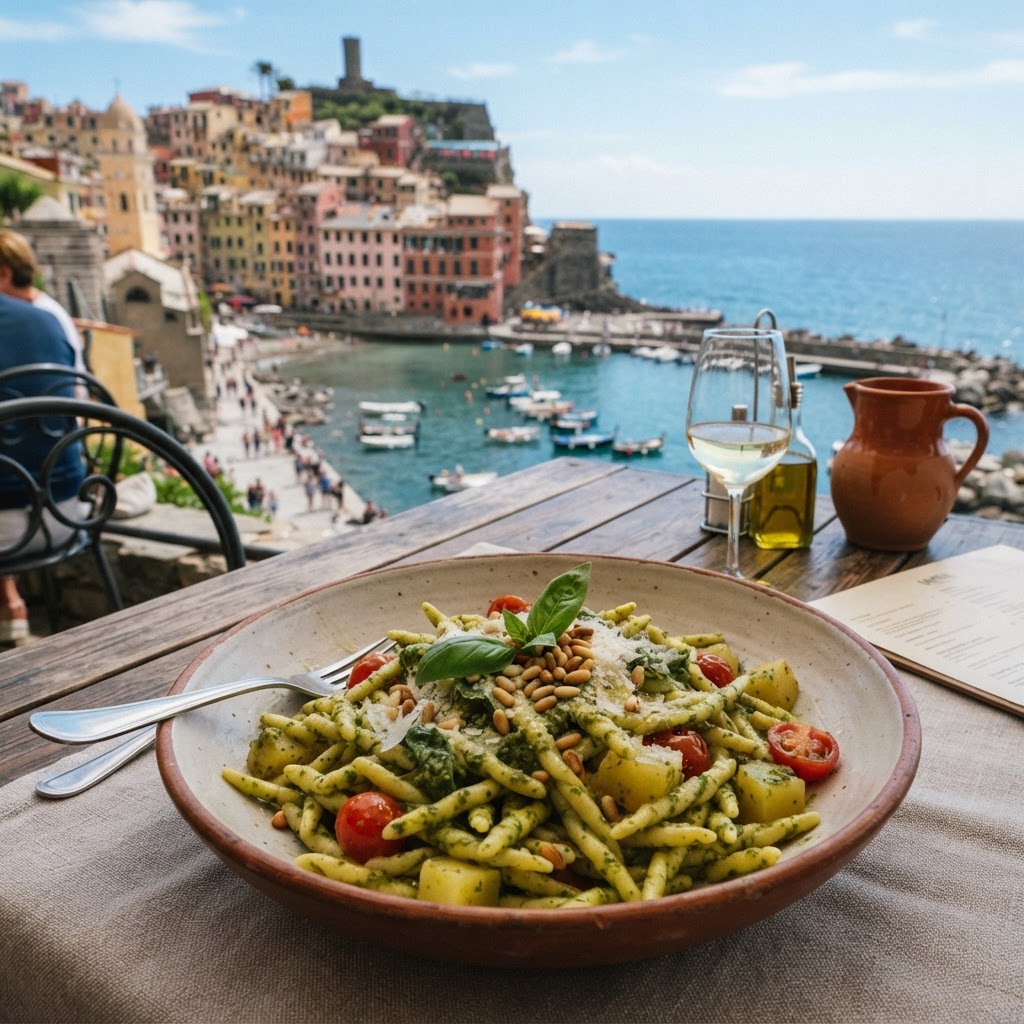
No trip to the Italian Riviera is complete without indulging in the local cuisine, which is deeply rooted in the “cucina povera” tradition. The region is the historic birthplace of pesto genovese, and you should specifically look for menus that offer trofie al pesto, a twisted pasta shape designed to hold the sauce. Seafood is a staple, with salt-cured anchovies (acciughe) caught daily in the Ligurian Sea. For a truly authentic experience, head to the smaller back alleys rather than the main harbor-side restaurants. These hidden gems often serve family recipes passed down through generations. Expect to pay between €15 and €25 for a high-quality main dish in a local trattoria. Wine lovers should seek out Sciacchetrà, a sweet, rare dessert wine produced from the grapes grown on the local vertical terraces, which is a protected regional product.
The Best Time to Visit Italy
Determining the best time to visit Italy for the coast involves balancing the pleasant Mediterranean climate against the reality of tourist crowds. Late spring, specifically May and early June, offers temperatures ranging from 18°C to 24°C, perfect for hiking without the oppressive humidity of mid-summer. Early autumn, particularly September, remains warm enough for swimming while the heavy crowds of July and August have begun to disperse. Visiting in the winter is possible, but be aware that many businesses in towns like Vernazza hibernate from November to March, and ferry services are suspended. The following table provides a breakdown to help you decide when to book your trip.
Exploring the Culture of Riomaggiore and Beyond
Visiting Riomaggiore allows you to see the gateway of the region, providing an excellent base for exploration. This town serves as a bustling hub and provides excellent access to the more tranquil hiking paths to the south. Spend your mornings exploring the rocky shoreline and your afternoons visiting the Church of San Giovanni Battista. As you move between the Cinque Terre colorful harbor towns, take time to appreciate the centuries of human labor that went into carving these villages out of the vertical landscape. The stone terraces that hold the vineyards in place are a testament to the resilience of the local community. These “dry-stone” walls are not just aesthetic; they are essential for preventing landslides and maintaining the delicate soil balance required to grow the grapes used for local white wines.
FAQ
Which village is best to stay in for first-timers?
Monterosso al Mare is generally the best village for first-timers because it offers the most hotel options, the easiest train access, and the only sand beach. It provides a comfortable base while remaining well-connected to the other four villages via the regional train line.
Do I need a car to visit Cinque Terre?
No, you should strictly avoid renting a car. The villages have extremely limited parking, and the historic centers are closed to non-resident traffic. The regional train is faster, cheaper, and more convenient for moving between the five towns than any road-based transportation.
What is the Cinque Terre Card and is it worth it?
The Cinque Terre Card is a daily pass that provides unlimited access to the regional trains between Levanto and La Spezia, as well as access to the hiking trails. It is worth it if you plan to visit at least two or three villages in a single day.
How many days should I spend in Cinque Terre?
Most travelers find that 3 days is the ideal amount of time to spend in the region. This allows you to explore each of the five villages at a relaxed pace, complete one or two major hikes, and enjoy local dining without feeling rushed.
Are the hiking trails open year-round?
While the national park trails are theoretically accessible year-round, segments often close due to seasonal weather damage or maintenance. Always check the official “Parco Nazionale delle Cinque Terre” trail status map on the day of your hike to confirm which paths are open.
When to Go and How Long to Stay
Most travelers make the mistake of visiting during July and August. These months bring suffocating heat and massive cruise ship crowds that clog the narrow village streets. Visit in May or late September instead. You will find manageable weather, open trails, and a more authentic local vibe.
Spend at least three full days here. You need one day for the hiking trails, one for soaking in the water, and one to slow down. Trying to visit all five towns in a single afternoon leads to burnout. You will see nothing but train platforms and sweat.
Common Pitfalls and How to Avoid Them
Do not attempt to hike the trails in flip-flops. The paths are steep, rocky, and slippery, even in dry conditions. Many tourists are rescued every year by mountain emergency teams for wearing improper footwear. Bring sturdy sneakers or light hiking shoes.
Another frequent error is relying entirely on the ferry during bad weather. If the sea is rough, the ferry service suspends operations instantly. Always have a backup plan involving the train schedule. Never buy a seat reservation for the local regional trains, as they are unreserved commuter services.
The Best Culinary Experiences
You must try the pesto in its birthplace, Liguria. Avoid restaurants with large, laminated picture menus displayed outside. These are almost always overpriced tourist traps. Look for tiny, family-run spots where the menu is written on a chalkboard and changes daily.
Order the catch of the day, specifically the anchovies, known as acciughe. They are caught locally and served fresh with lemon and olive oil. Pair your meal with the local Sciacchetrà wine, a sweet dessert nectar that perfectly captures the taste of the terraced vineyards.
Your Essential Packing Checklist
- A reusable water bottle to fill at public fountains.
- A small dry bag for keeping electronics safe on beach days.
- Sunscreen and a wide-brimmed hat, as shade is rare on the trails.
- A light windbreaker for cooler evenings by the harbor.
- A portable power bank for your phone, as navigation eats battery fast.
Frequently Asked Questions
Can I drive to the villages?
No. Do not even try to bring a car into the park boundaries. Parking spots are reserved for locals and are extremely limited. If you arrive by car, park it in a secure lot in La Spezia and take the train into the villages.
Are the hiking trails always open?
Not always. Trails often close due to landslides or heavy rain damage. Check the official Cinque Terre National Park website every morning before you head out. Never bypass trail closure signs, as the risk of loose rock is real.
Is it better to stay inside the park or in La Spezia?
Staying inside the villages offers a magical experience after the day-trippers leave. You will enjoy quiet sunsets and authentic harbor dinners. La Spezia is cheaper and has better train connections, but you will miss the true charm of the cliffside lifestyle.
Leave a Reply