
Stepping into the heart of Southern Spain feels like walking directly into a vibrant, sun-drenched painting. Beyond the famous flamenco rhythms and the scent of orange blossoms, the most striking feature of this region is the architectural tapestry that defines the landscape. The colorful houses of Andalusia have captured the hearts of travelers for generations, offering a visual symphony of white walls, terracotta rooftops, and bright, floral-laden balconies that seem to glow against the deep blue Mediterranean sky. Understanding these homes requires looking beyond their aesthetic appeal to the centuries of history, climate adaptation, and cultural pride that shaped them.
The Architecture of the Pueblos Blancos
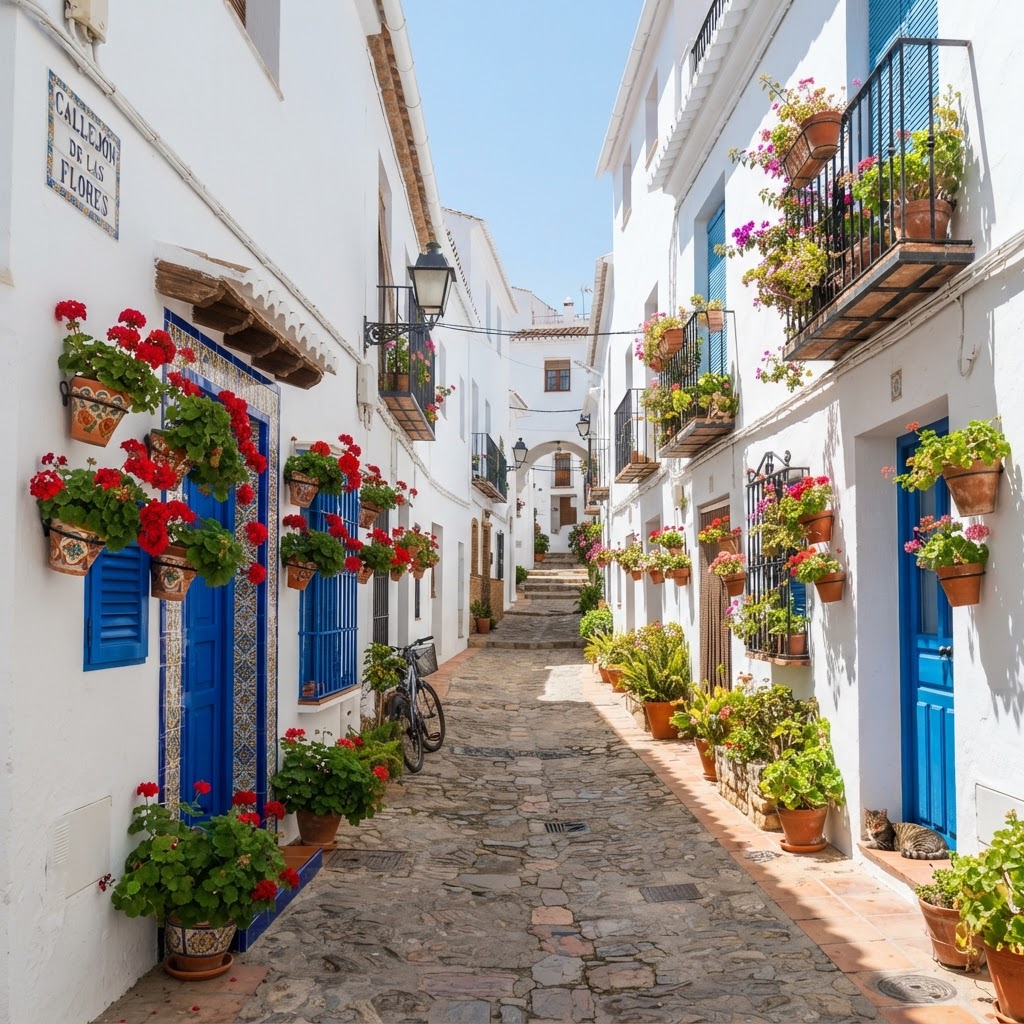
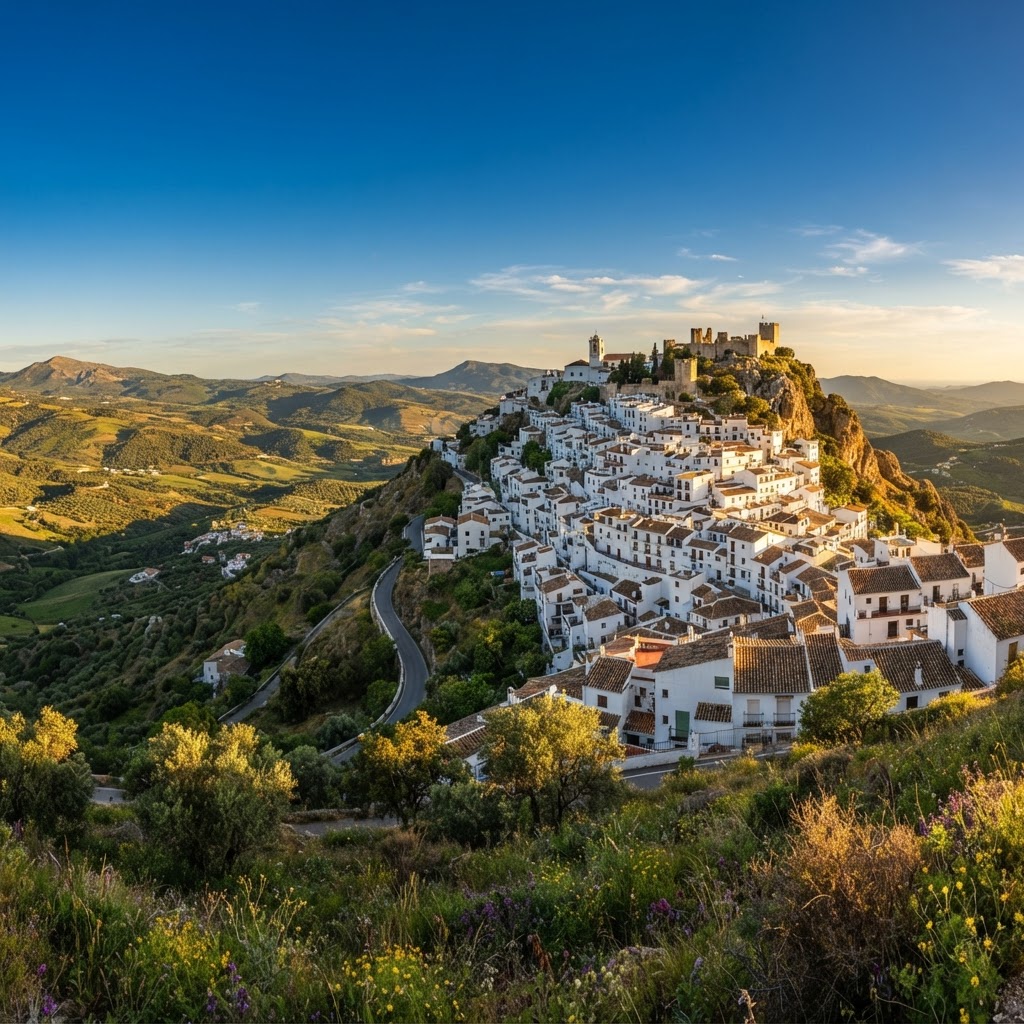
The iconic white villages, or pueblos blancos, are perhaps the most famous representation of Andalusian residential design. These settlements are characterized by dense clusters of whitewashed dwellings that snake up the sides of craggy mountains or sprawl across rolling hills. The primary reason for this aesthetic is as practical as it is beautiful: white lime paint is used to reflect the punishing summer sun, keeping the interiors of these thick-walled houses surprisingly cool during the hottest months of the year.
Why White Walls Dominate
Historically, whitewashing was a necessity for sanitation and thermal regulation. The lime wash, or ‘cal’, acts as a natural disinfectant and an insulating barrier. This tradition has been maintained not just for historical preservation but as a point of civic pride. Residents frequently refresh their walls to keep their homes looking pristine, resulting in the brilliant, blindingly bright appearance that makes these villages famous worldwide.
Contrast and Color Accents
While the walls are universally white, the ‘colorful’ aspect of these homes comes from the deliberate use of accent colors. Window shutters, heavy wooden doors, and decorative iron grilles are often painted in vivid blues, deep greens, or earthy ochres. These colors often reflect the influence of Moorish design, which prioritized a balance between cool, neutral surfaces and vibrant, intricate details.
Influences of Moorish and Mediterranean Design
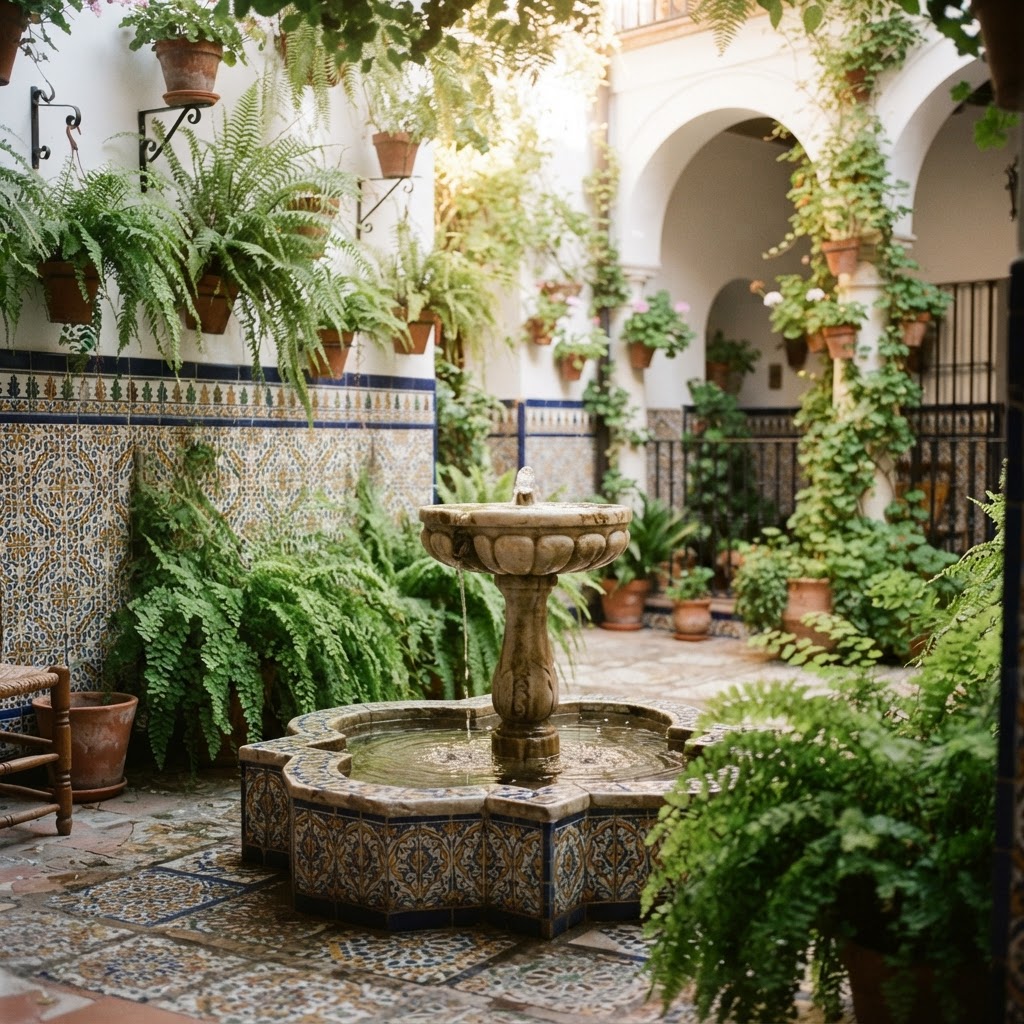
The visual identity of the colorful houses of Andalusia is heavily rooted in the eight centuries of Moorish rule in the Iberian Peninsula. This period introduced the concept of the central patio, or ‘corral’, which acts as the cooling heart of the home. These internal courtyards are often the most colorful parts of the property, filled with lush greenery, patterned ceramic tiles known as ‘azulejos’, and pots of bright red geraniums.
The Role of the Patio
The central patio serves as a social sanctuary, providing privacy from the narrow, bustling streets while allowing air circulation to reach all levels of the home. Visitors to Andalusia will often find that even if a house looks modest from the exterior, the interior courtyard is a riot of color. These spaces are masterpieces of design, utilizing water features and strategic planting to create a micro-climate that is both tranquil and visually stunning.
Exploring the Vibrant Neighborhoods of Seville and Cordoba
While the mountain villages offer a stark, uniform white beauty, the urban centers of Seville and Cordoba present a different type of color. Here, the narrow, winding streets of the old Jewish quarters reveal homes painted in shades of ochre, burnt orange, and terracotta. These colors are meant to harmonize with the local stone and the intense golden light that characterizes the Guadalquivir valley.
The Art of the Flower Pot
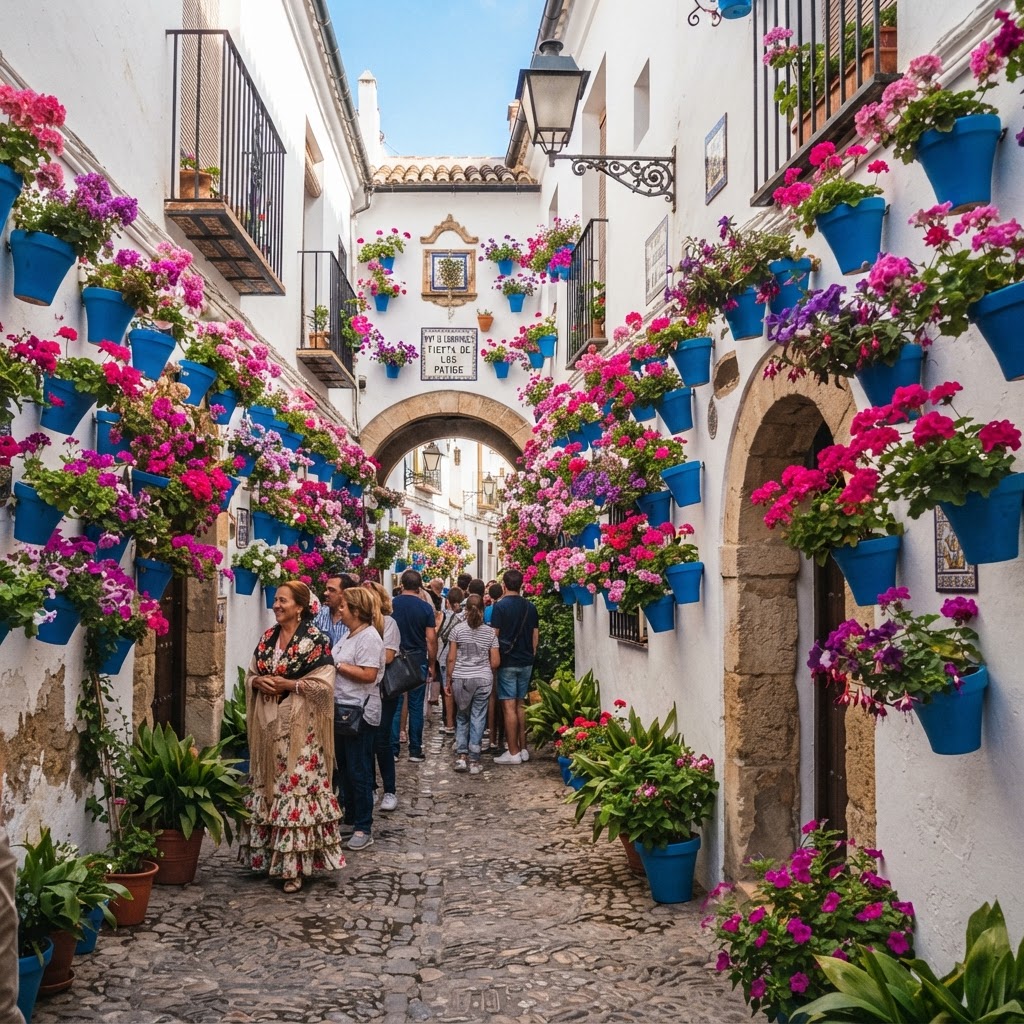
In Cordoba, the residents take the ‘colorful’ aspect to another level by adorning their whitewashed walls with thousands of blue flower pots filled with bright blooms. This tradition, famously celebrated during the annual Patios Festival, transforms entire city blocks into living, breathing art installations. The contrast between the brilliant blue pots and the stark white walls creates a photographic experience that is unmatched anywhere else in Europe.
Climate and Materials: The Science Behind the Style
It is a common misconception that the aesthetic of Andalusian houses is purely decorative. Every design choice, from the thickness of the stone walls to the height of the roofs, is dictated by the challenging climate of Southern Spain. The region experiences extreme temperature shifts, and the architectural solutions developed centuries ago remain the most effective way to live comfortably in this environment today.
Thermal Mass and Insulation
Local stone and clay-based materials provide the necessary thermal mass to absorb heat during the day and release it slowly at night. By keeping the exterior reflective (the white paint) and the structural mass dense, these homes create a natural air conditioning system. This is an ancient example of sustainable design that modern architects still look to for inspiration in hot climates.
Must-Visit Towns for Architectural Photography
If you are traveling through Andalusia, certain towns are essential for anyone wishing to experience the full spectrum of the region’s colorful architecture. Each village has developed its own distinct personality, while still adhering to the regional standards that make them globally recognizable.
| Location | Defining Feature | Best Time to Visit |
| :— | :— | :— |
| Ronda | Dramatic gorge views | Spring or Autumn |
| Zahara de la Sierra | Hilltop castle backdrop | Summer evenings |
| Setenil de las Bodegas | Cave-style rock houses | Mid-week |
| Grazalema | Lush mountain surroundings | Late spring |
Planning Your Trip
When visiting these locations, consider renting a car to navigate the winding mountain passes that connect the pueblos blancos. These roads offer the most spectacular views, allowing you to see the colorful houses of Andalusia as they were intended: as sparkling white jewels embedded in a sea of green and gold hills.
Preserving the Tradition for Future Generations
Maintaining these historic structures is a constant challenge for local authorities and homeowners. As modern materials like concrete and plastic become cheaper, there is a temptation to abandon the traditional lime wash and wood shutters. However, there is a growing movement across the region to protect the architectural heritage through strict zoning laws and grants for traditional restoration.
The Importance of Heritage Tourism
Tourism plays a massive role in the preservation of these villages. When visitors flock to see the colorful houses of Andalusia, they provide the local economy with the funds needed to maintain these structures. Travelers who respect the privacy of the residents and appreciate the history of these homes contribute directly to the survival of this unique cultural identity.
Conclusion
The colorful houses of Andalusia are more than just a picturesque backdrop for a vacation; they are a testament to human ingenuity and a deep-seated connection to the environment. From the blinding white walls of the mountain villages to the terracotta-soaked alleys of Seville, these homes offer a unique window into a culture that values beauty, sustainability, and history equally. Whether you are a photography enthusiast, an architecture lover, or simply a traveler seeking the soul of Spain, exploring these vibrant neighborhoods will leave you with memories that are as colorful as the walls themselves. If you have been inspired to start your own Spanish adventure, start mapping out your route through the mountains of Malaga and Cadiz today to witness this magic for yourself.
Leave a Reply