
A Costa Brava fruit market is an authentic Mediterranean experience where local farmers sell seasonal Catalan produce like sun-drenched tomatoes, Girona peaches, and sweet citrus directly to consumers. These markets typically operate on a weekly rotation in town squares, offering a sustainable alternative to supermarkets that prioritize flavor, soil quality, and community heritage.
The Essence of Catalan Produce
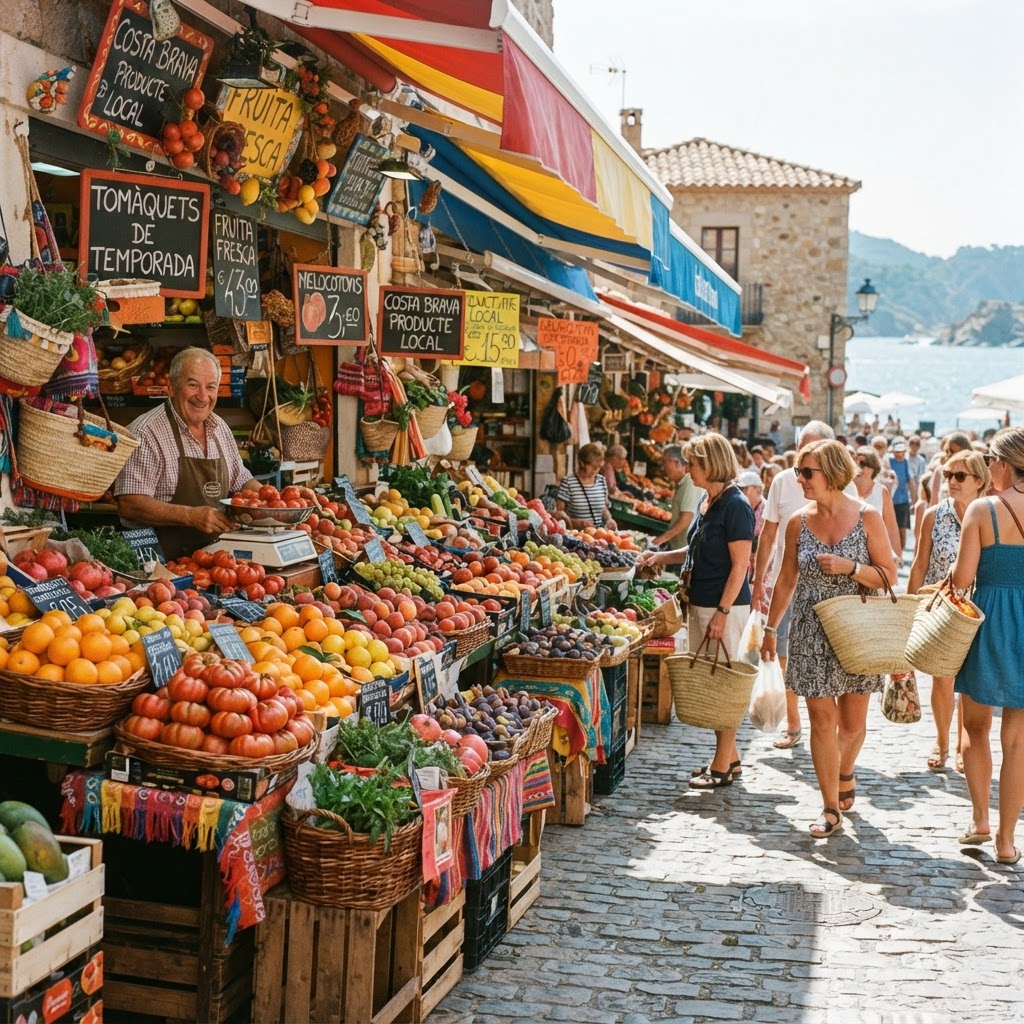
The agriculture of the Costa Brava is dictated by a unique microclimate that blends the salty Mediterranean air with the fertile soil of the Pyrenees foothills. This combination results in produce with unparalleled depth of flavor. When you visit a Costa Brava fruit market, you are not just looking at fruits and vegetables; you are witnessing the seasonal cycle of the region. Look for deep red tomatoes, sweet peaches, and the legendary local cherries that define the early summer months. The quality here is so high that most residents do not even consider supermarket chains for their daily needs. To help you plan your shopping, refer to this seasonal availability chart.
| Season | Key Produce | Flavor Profile |
|---|---|---|
| Spring | Asparagus, Strawberries | Tender, Sweet-Tart |
| Summer | Nectarines, Melons, Cherries | Juicy, Sugar-Rich |
| Autumn | Grapes, Figs | Earthy, Dense |
| Winter | Citrus (Oranges, Mandarins) | High Acidity, Sweet |
Seasonal Highlights to Seek Out
To truly eat like a local, you must follow the calendar of the seasons. In the springtime, focus on the tender green asparagus and early strawberries. As summer peaks, the market explodes with stone fruits like nectarines and apricots, alongside melons that are heavy with juice. Autumn brings the richness of local grapes and figs, while winter is the time for citrus fruits, particularly the oranges from nearby groves that are surprisingly sweet and thin-skinned. Purchasing items that are currently in season ensures you get the peak of nutrient density and flavor profile. By choosing seasonal goods, you typically save 20-30% compared to out-of-season imports found in traditional grocery stores.
Navigating Traditional Farmers Markets
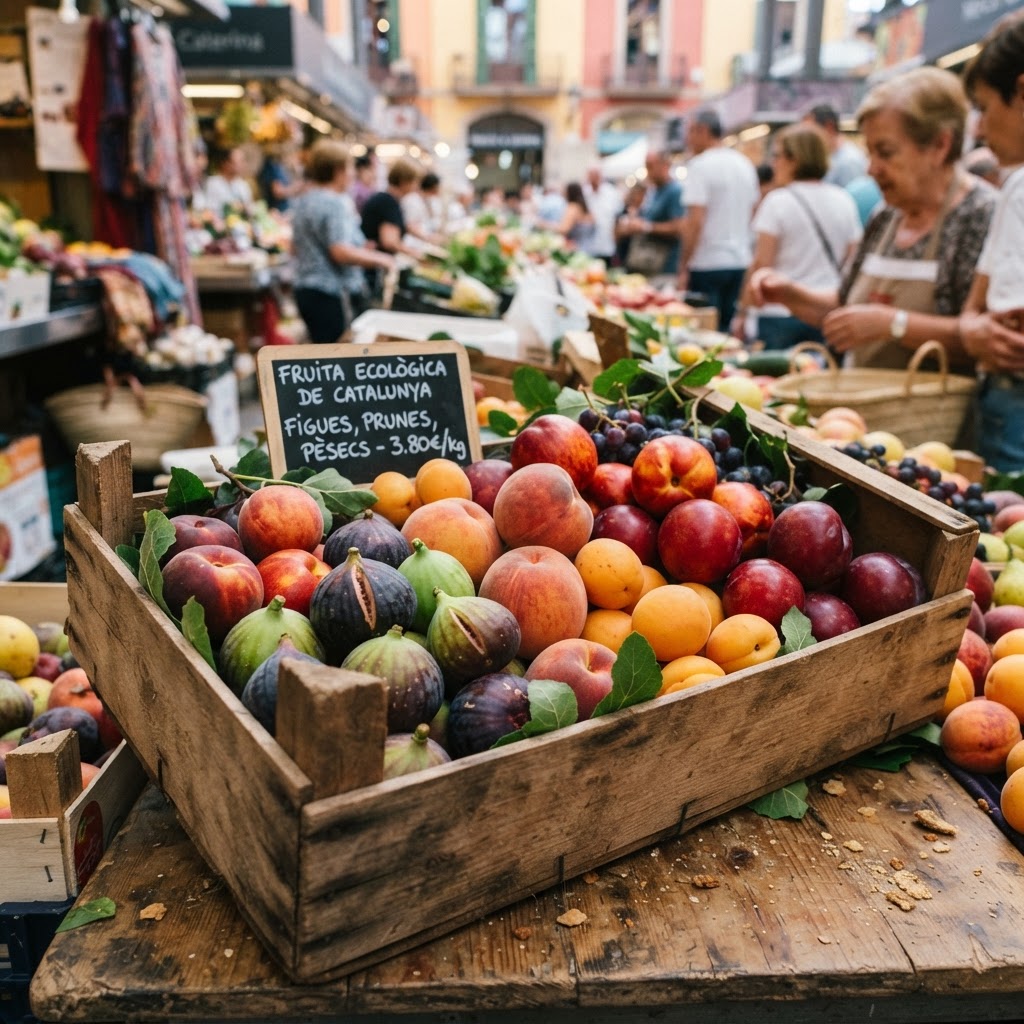
One of the greatest joys of exploring the Costa Brava is discovering the weekly town markets. Unlike the static stalls in large cities, these mobile markets travel from village to village. A typical Costa Brava fruit market session involves arriving early, often before 9:00 AM, to find the freshest supply before local restaurants purchase the best stock. You will notice that farmers often display their goods in wooden crates, prioritizing freshness over aesthetic uniformity. Engaging with the vendors is part of the experience; do not be afraid to ask about the origin of a specific product, as most sellers take great pride in their local farm roots. Farmers markets in this region often host between 20 to 50 local vendors, ensuring a high diversity of goods.
The Girona Food Scene Integration
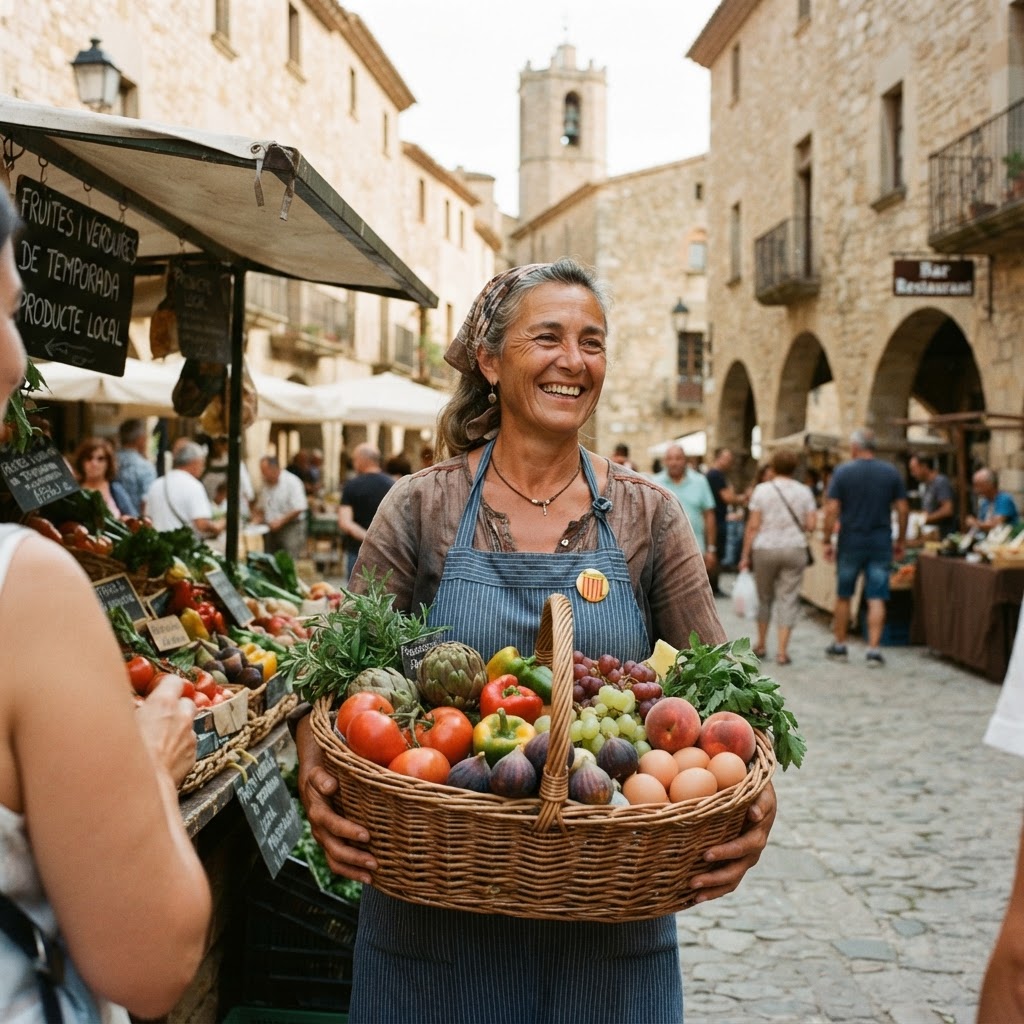
While the coastal towns offer seaside charm, the provincial capital of Girona serves as a culinary anchor for the entire region. The markets in Girona are distinct because they bridge the gap between traditional farm-to-table practices and high-end gastronomy. You can find professional chefs from the city’s Michelin-starred restaurants browsing the same aisles as local grandmothers. The interaction between these groups fosters a vibrant atmosphere that keeps the Costa Brava fruit market culture alive and evolving, ensuring that traditional Catalan methods are respected while modern tastes are accommodated. Girona’s central market hall, the Mercat del Lleó, serves as the primary hub where over 60 stalls operate daily, providing a stable, covered environment for local producers.
Must-Visit Market Locations
If you are planning a trip, you need to know exactly where to go to see the region’s agricultural diversity. Some of the most authentic markets include:
- The Saturday Market in Figueres: A sprawling event where you can find everything from seasonal fruit to artisanal cheeses.
- The daily market in Palafrugell: Famous for its high-quality produce and vibrant energy throughout the year.
- The Olot Farmers Market: Known for high-altitude crops that offer unique flavors not found on the coast.
- The weekly market in Begur: Smaller, more intimate, and surrounded by beautiful historical architecture.
Each of these locations offers a slightly different take on the Mediterranean experience, but all share the common thread of prioritizing local farmers and sustainable agricultural practices that have been refined over generations.
Tips for Authentic Market Shopping
To get the most out of your visit, keep a few local habits in mind. First, always bring a reusable basket or cloth bag; the use of plastic is heavily discouraged in these markets. Second, learn a few phrases of Catalan. A simple ‘Bon dia’ (Good day) goes a long way in building rapport with the farmers. Finally, try to purchase items that look slightly ‘imperfect’. In a traditional market, that is often a sign that the fruit was grown without excessive chemical intervention. Trusting your eyes and your nose is often better than trusting the labels you might find in a commercial supermarket.
The Future of Catalan Food Culture
There is a growing movement in the Costa Brava to protect these traditional markets against the encroachment of industrial retail. Younger generations are increasingly interested in the provenance of their food, leading to a resurgence in interest for local, small-scale farming. By choosing to shop at a Costa Brava fruit market, you are directly contributing to the local economy and helping to preserve a way of life that values community, quality, and environmental stewardship over mass production. This shift is vital for maintaining the authenticity that makes the Mediterranean lifestyle so sought after by visitors and residents alike.
FAQ
Q: When is the best time to visit a Costa Brava market?
The best time to visit is weekday mornings between 8:00 AM and 10:00 AM to catch the freshest arrivals. Arriving early ensures you have the widest selection of produce before local restaurant chefs clear the stalls of premium goods.
Q: Do I need to speak Spanish or Catalan to shop at the market?
You do not need to be fluent, but learning basic phrases like ‘Bon dia’ (Good morning) or ‘Quant costa?’ (How much?) is greatly appreciated by local vendors. Most vendors in tourist-frequented areas can communicate basic prices and product details in English.
Q: Are markets in the Costa Brava cash-only?
Most traditional market stalls are cash-only, so it is essential to carry small denominations of Euros with you. While larger artisan shops or permanent indoor market stalls in Girona may accept cards, mobile village stalls rarely have credit card processing infrastructure.
Q: How do I know if the produce is truly local?
Authentic local produce in these markets often appears ‘imperfect’ in size and shape compared to commercial grocery store standards. If the produce is currently in season for the Catalan climate, it is likely sourced from a nearby farm rather than imported.
Q: Is there a cost difference between markets and supermarkets?
While prices fluctuate, you will often find that high-quality, seasonal produce is priced competitively with supermarkets but offers superior freshness. You pay for the quality of the harvest, and you often get larger portions for the same price when buying directly from growers.
Leave a Reply