
The colorful houses of Bryggen are a historic collection of wooden commercial buildings located on the eastern wharf of Bergen, Norway. Designated as a UNESCO World Heritage site since 1979, these iconic structures date back to the Middle Ages and served as a crucial hub for the German Hanseatic League’s dried cod trade.
The History of Bryggen and the Hanseatic League
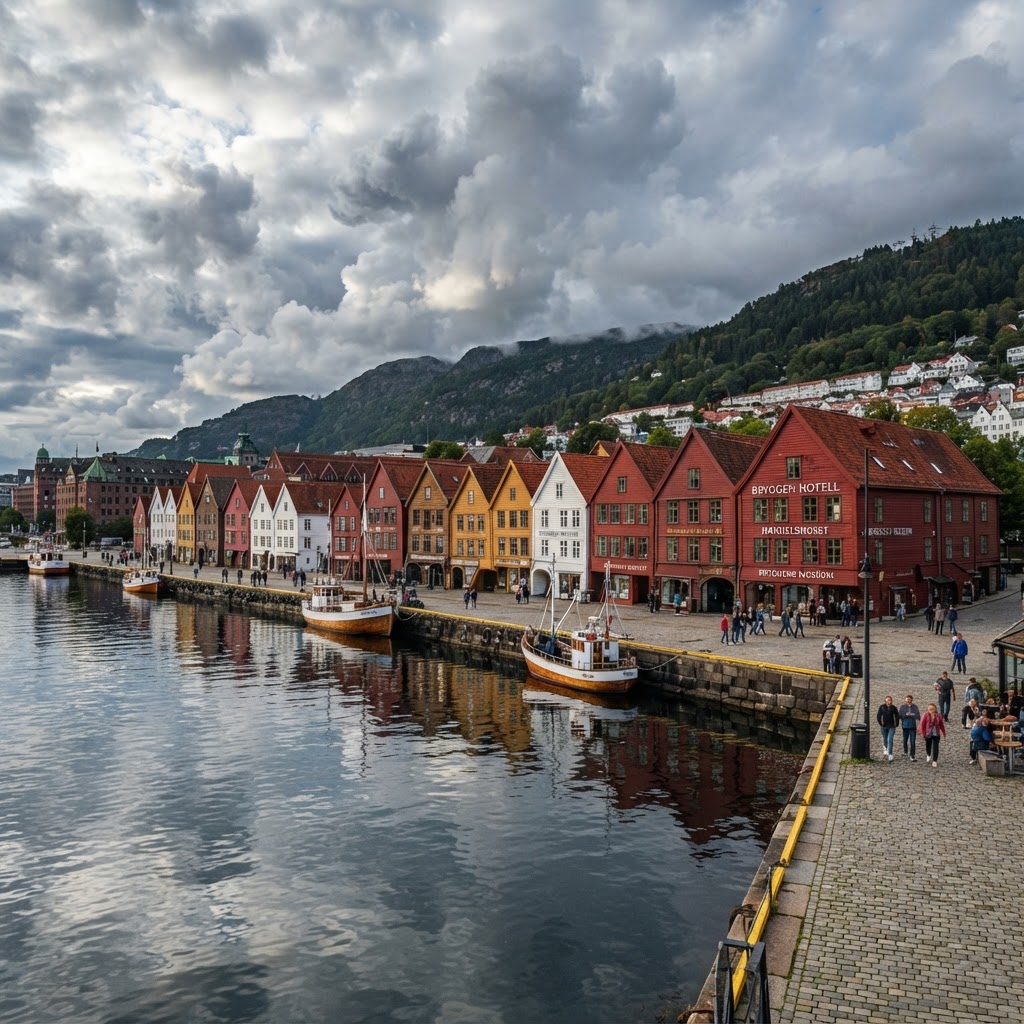
Bryggen’s historical significance stems from its role as a pivotal medieval trade center founded in the 12th century following King Olav Kyrre’s establishment of Bergen. By the 14th century, the Hanseatic League, a powerful confederation of merchant guilds, established an office at Bryggen, effectively monopolizing the lucrative export of dried cod from Northern Norway to the rest of Europe. This period transformed the waterfront into a bustling, rigid international trading hub where German was the primary language and commerce dictated the city’s growth. The architecture from this era remains visible today, characterized by deep, narrow plots of land optimized for wharf access and interconnected wooden structures that functioned as combined offices, residences, and warehouse storage. Life in these merchant dwellings was notoriously harsh, with residents relying on brick firehouses for heat, as open flames were strictly prohibited in the timber structures to prevent fire. The structural layout we see today, defined by these tightly packed alleys, is a direct result of this medieval necessity for efficiency and proximity to the harbor’s trade vessels.
The Hanseatic Influence
| Feature | Hanseatic Influence | Modern Era |
|---|---|---|
| Primary Language | German | Norwegian / English |
| Economic Base | Dried Cod Trade | Tourism & Artisan Retail |
| Fire Safety | Minimal/Firehouses | Modern Sprinkler Systems |
| Architecture | Timber Warehouses | UNESCO Heritage Sites |
Architectural Marvels of the Timber Wharf
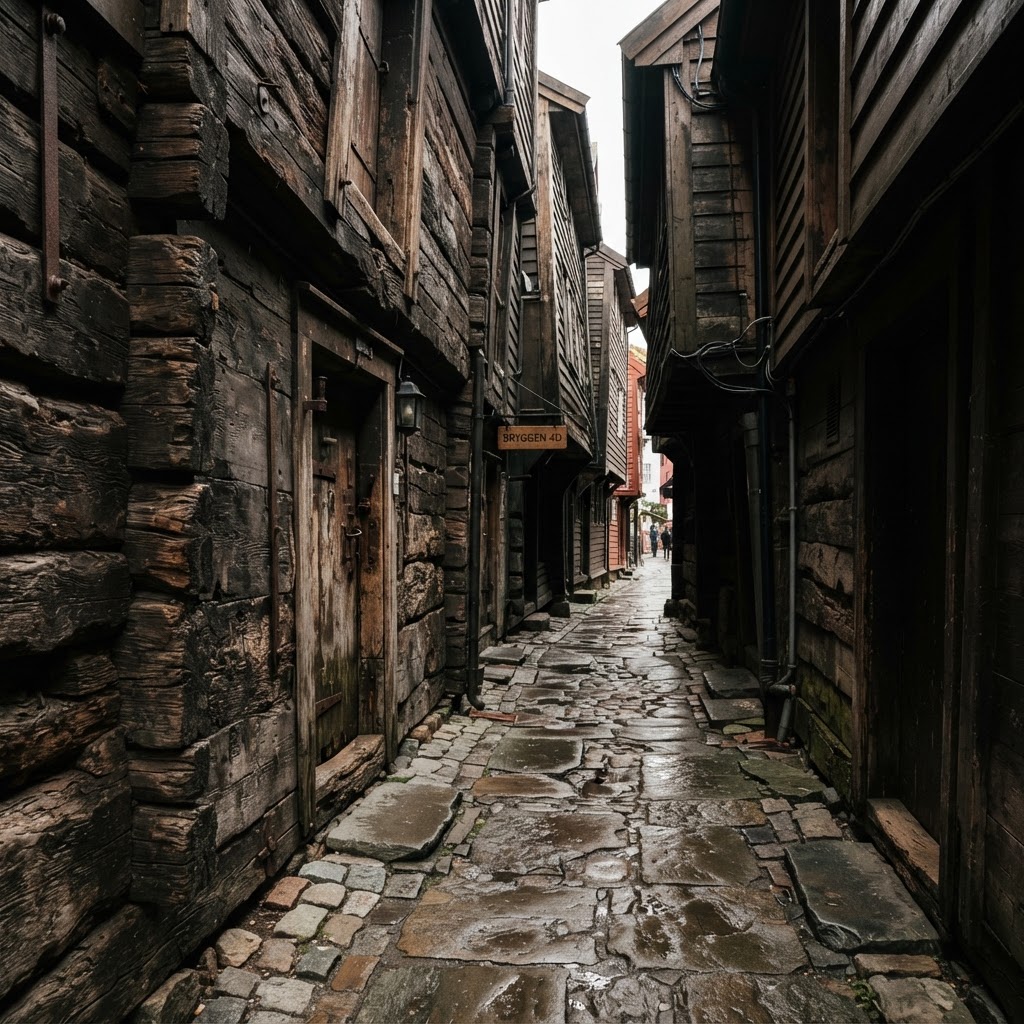
Bryggen’s architectural longevity is a marvel of traditional building methods, surviving centuries of fires by adhering to a consistent medieval footprint. While a devastating fire in 1702 destroyed large swaths of the site, the buildings were reconstructed using traditional log construction and vertical timber cladding techniques that have defined the wharf’s appearance for nearly 900 years. This strict adherence to historic building patterns is the primary reason the area earned its UNESCO World Heritage status in 1979. The famous vibrant red, yellow, and white color palette originated from inexpensive, locally sourced pigments like ochre and iron oxide, which served both as a decorative choice and a protective layer against the harsh, salty maritime environment. Today, these colors serve a dual purpose, acting as an iconic landmark that contrasts sharply against the frequent gray mist of the Norwegian coastline. The narrow alleyways, or ‘smau,’ between these structures were engineered to facilitate the rapid transport of heavy goods from incoming ships directly into storage lofts. These passages remain structurally vital today, providing sheltered paths for visitors while maintaining the dense, maze-like atmosphere of a medieval trading port. By preserving these specific construction techniques—such as traditional joinery instead of modern nails—the city ensures that Bryggen remains an authentic representative of medieval European urban planning rather than a reconstructed imitation.
The Characteristic Palette
Construction Techniques
Exploring the Vibrant Alleyways Today
Modern visitors to Bryggen can step off the bustling waterfront and into a living piece of history where the ambient noise of 21st-century Bergen fades into the sounds of creaking floorboards and authentic craftsmanship. These hidden wooden corridors are no longer just warehouses; they house a thriving community of local artists, jewelers, and craftspeople who occupy the historic spaces. By operating small galleries and workshops within the ancient timber walls, these local artisans ensure that the site retains its authentic spirit as a center of trade and creation rather than becoming a hollow, static museum. Visitors can observe jewelers working with traditional silver designs or purchase genuine Norwegian wool knitwear, directly supporting the local economy. This vibrant, ongoing use of the buildings is critical to the site’s preservation, as it provides the funding and activity necessary to maintain the fragile wooden structures against the damp, rot-prone climate of Western Norway. The atmosphere within the ‘smau’ provides an immersive experience that transports travelers to a bygone era, allowing for a tactile connection to the past that cannot be captured in a textbook.
Essential Tips for Visiting Bryggen
To ensure a seamless visit, strategic planning is recommended, especially for those wishing to avoid the peak crowds of the cruise ship season between May and September. Arriving before 10:00 AM allows for a tranquil experience in the alleyways, as the area remains largely undisturbed by large tour groups during the early morning hours. Beyond the timing, visitors should note that the uneven wooden boardwalks and cobblestone foundations require sturdy, comfortable footwear to safely navigate the ‘smau.’ Additionally, weather in Bergen is notoriously unpredictable, with over 200 days of rainfall annually; packing a high-quality, waterproof jacket is essential regardless of the forecast. For a deeper educational experience, the Bryggens Museum is a must-visit, housing significant archaeological finds that date back to the early medieval period of the city. Taking a small boat tour around the Vågen harbor offers a unique, vertical perspective of the warehouse heights that cannot be fully appreciated from the ground, providing an excellent opportunity for photography when the light hits the timber facades during golden hour.
Understanding the Preservation Efforts
Preservation at Bryggen is a complex, high-stakes endeavor overseen by the Stiftelsen Bryggen foundation, which manages the ongoing maintenance of the aging timber structures. Because the buildings are highly susceptible to rot, fungal decay, and fire, the foundation employs traditional restoration techniques—such as replacing individual logs rather than entire walls—to maintain the structural integrity and historical authenticity of the site. Balancing these preservation needs with the requirements of modern tourism is a constant challenge for the city of Bergen. The site must simultaneously function as a popular visitor attraction and a practical space for local businesses, leading to the sophisticated, invisible integration of modern fire suppression systems and electrical grids into the ancient architecture. This delicate management allows the colorful houses to survive the pressures of modern use while ensuring the original medieval character is protected for future generations. The ongoing battle against the natural elements is bolstered by rigorous monitoring programs that measure the moisture levels and structural stability of the timber, allowing conservators to address issues before they cause permanent damage.
The Battle Against Modernity
Cultural Impact and Local Life
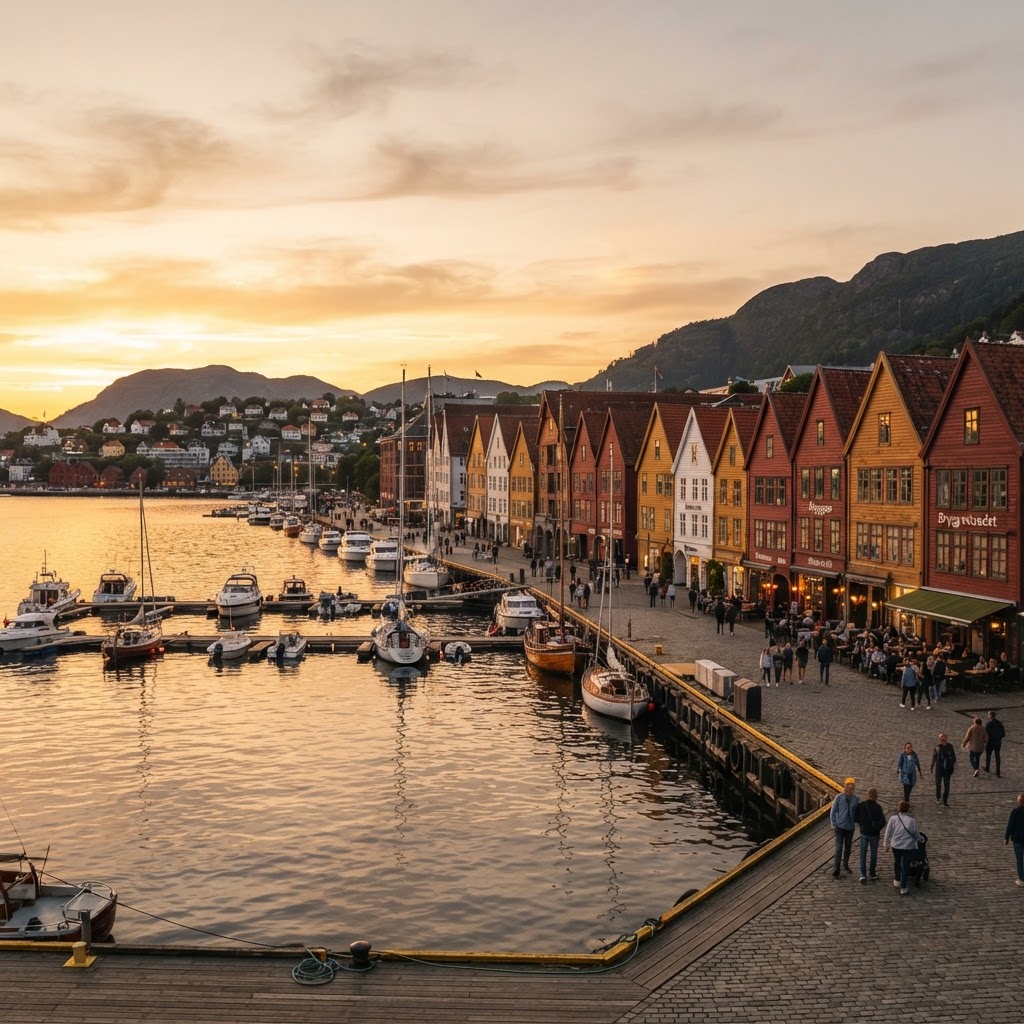
Bryggen persists as a fundamental pillar of Norwegian identity, serving as a symbolic link between the city’s past as a merchant powerhouse and its present as a coastal cultural destination. Locals integrate these historical structures into their daily routines, often visiting the area for business meetings or casual dining, which prevents the wharf from feeling disconnected from the city’s modern life. This enduring connection represents the resilience of the Bergen people, who have chosen to maintain and inhabit these fire-prone wooden buildings for centuries rather than replacing them with modern, climate-resilient alternatives. The visual identity of the harbor, defined by the verticality of the warehouses and the vibrant color scheme, remains the primary symbol of Bergen in global tourism, attracting thousands who seek to understand the maritime heritage of the North Sea. By choosing to visit and respect these spaces, travelers contribute to the economic sustainability of the site, providing the resources necessary for the intense labor required for constant structural upkeep. Seeing the buildings from the harbor, especially during the twilight hours when the lights begin to glow from within the shops, illustrates why Bryggen is considered one of the most culturally significant sites in Northern Europe.
A Photographer’s Dream
FAQ
Q: What is the best time of day to visit Bryggen?
Early morning before 10:00 AM is the best time to visit to avoid the massive crowds brought by cruise ships. During this time, you can experience the historic alleyways in peace and capture photos without other tourists in your shots.
Q: Is there an entrance fee to walk through Bryggen?
No, walking through the public wharf and the narrow alleyways is completely free of charge. You can explore the outdoor areas of the UNESCO site at your leisure without needing to purchase a ticket or join a tour.
Q: Why are the houses in Bryggen painted such bright colors?
Historically, the vibrant colors were created using inexpensive natural pigments like ochre and iron oxide. These pigments were readily available to merchants and provided a cost-effective way to preserve the wood while creating a distinct identity for each building along the wharf.
Q: Are the buildings in Bryggen authentic or reconstructions?
While the buildings have been damaged by fire and rebuilt multiple times, they are considered authentic because they were reconstructed on their original medieval foundations using traditional materials and techniques. The site represents the continuous historical usage of the area since the 12th century.
Q: What should I bring when visiting Bergen?
Pack a reliable, high-quality waterproof jacket and comfortable walking shoes with good grip. Bergen is one of Europe’s rainiest cities, and the uneven wooden ground at the Bryggen wharf makes proper footwear essential for a safe and enjoyable visit.
Leave a Reply