Plaza de España Seville: The Ultimate Guide
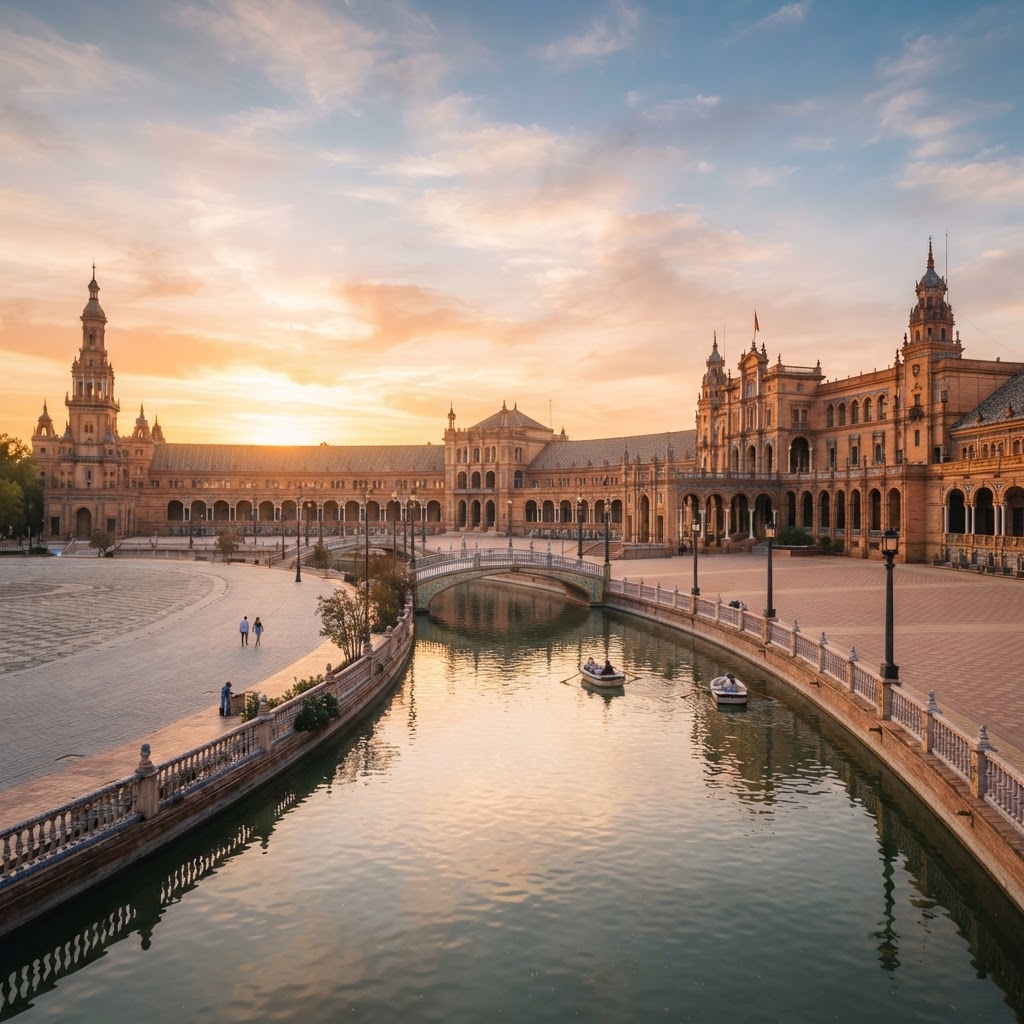
Plaza de España in Seville is a monumental architectural landmark built for the 1929 Ibero-American Exposition, renowned for its massive semicircular design, vibrant ceramic ‘azulejos’ representing Spanish provinces, and its iconic canal. It is located within Maria Luisa Park and remains one of Spain’s most visited and photographed historical sites.
The History of an Architectural Icon
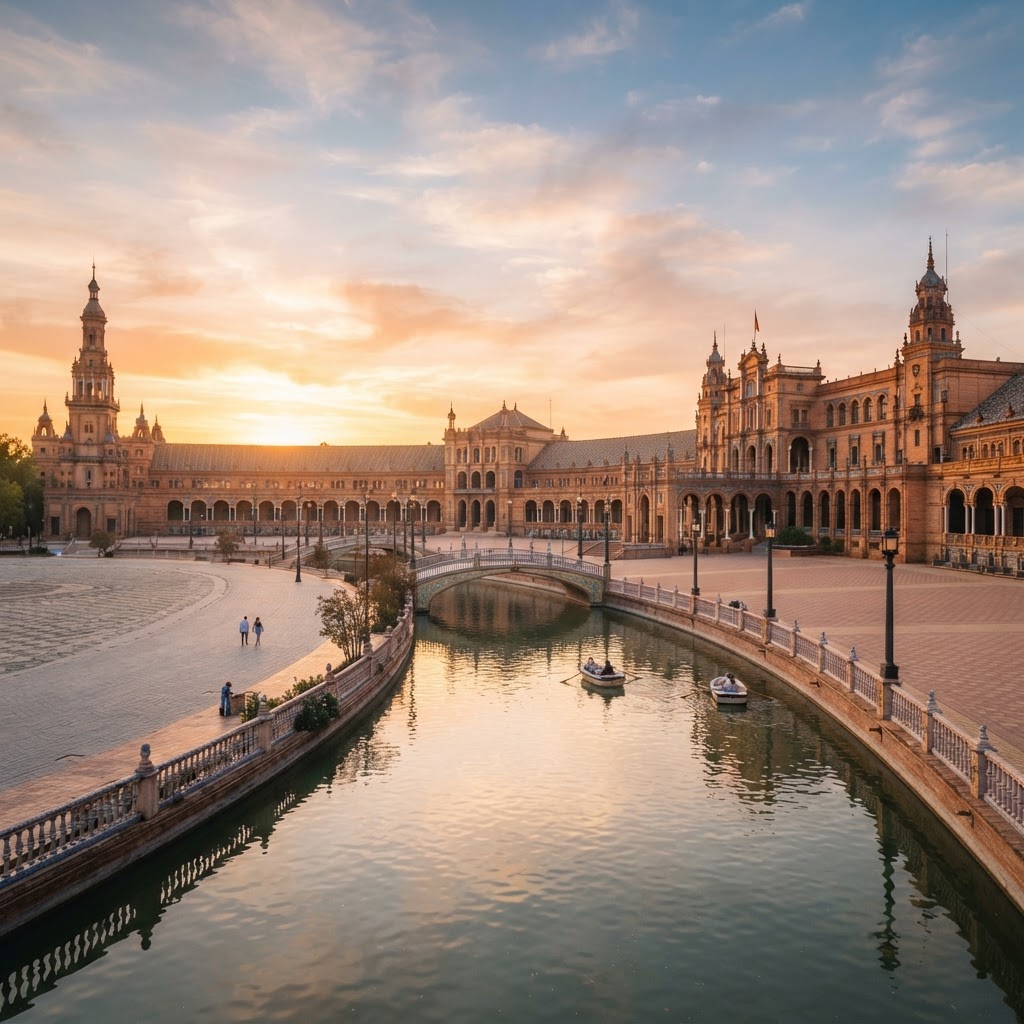
The story of this magnificent square began with the Ibero-American Exposition of 1929. The Spanish architect Aníbal González designed the project to showcase Spain’s industrial and technological prowess while celebrating its rich colonial history. Construction lasted for over a decade, from 1914 to 1929, resulting in a unique fusion of Renaissance Revival and Neo-Mudéjar architectural styles that required the labor of over 1,000 workers.
González envisioned a building that would embrace the city like a giant hug. The massive semicircular shape represents the embrace of Spain toward its former American colonies. The building faces the Guadalquivir River, which historically served as the gateway to the Americas, symbolizing the link between the two worlds. The architecture is defined by a 50,000-square-meter footprint, making it one of the largest architectural feats in the region. This structure was designed to serve as the centerpiece of the exposition, effectively blending the prestige of the Spanish monarchy with regional pride.
Architectural Details to Admire
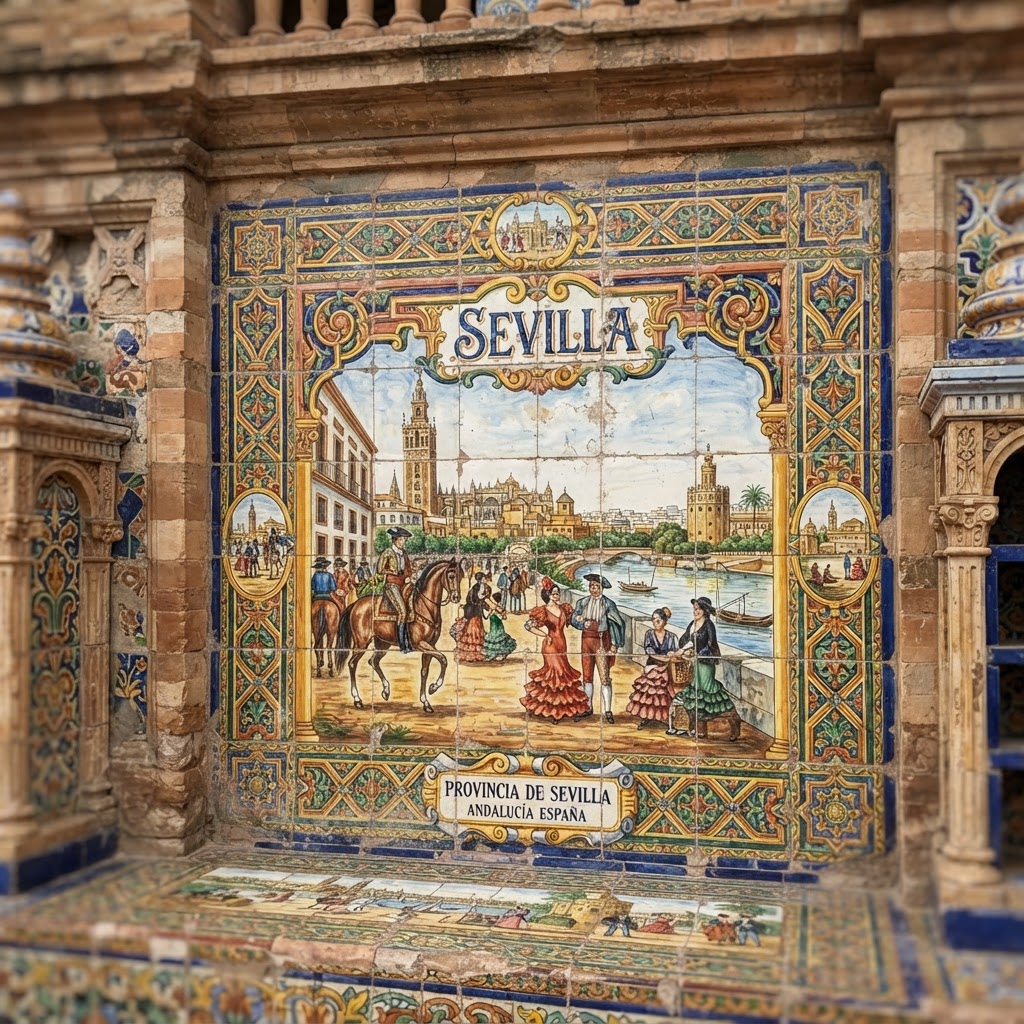
The artistry displayed in every corner of the structure is truly remarkable. The building is adorned with intricately painted ceramic tiles known as ‘azulejos,’ which are a staple of Andalusian craftsmanship. These tiles depict historical scenes, coats of arms, and maps of every Spanish province in alphabetical order.
The Symbolism of the Bridges
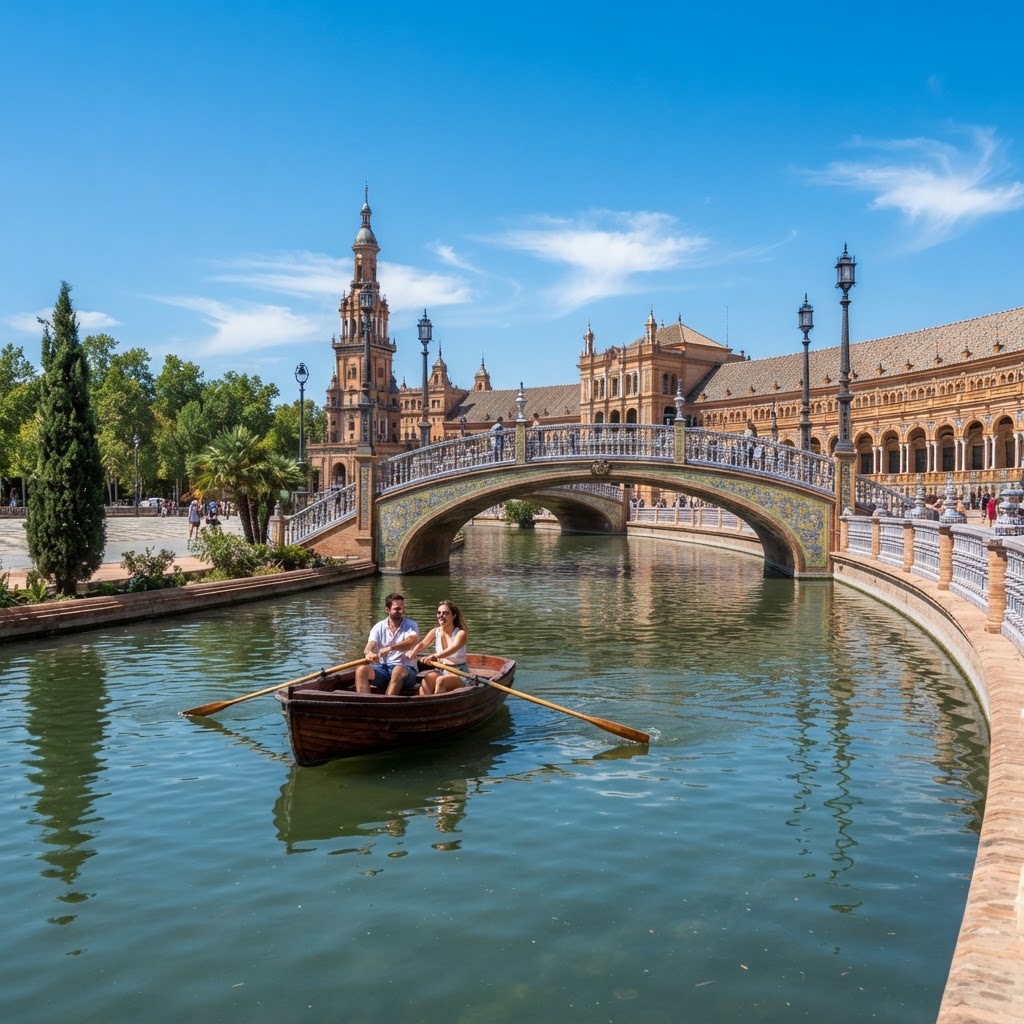
Crossing the canal are four distinct bridges, each representing the ancient kingdoms of Spain: Castile, Leon, Aragon, and Navarre. These bridges are not just functional walkways; they are symbolic markers of the nation’s unified history. Many visitors enjoy walking across them to take in the panoramic view of the square from different perspectives.
| Feature | Historical Significance |
|---|---|
| 48 Alcoves | Representing individual Spanish provinces |
| 4 Bridges | Symbolic of the ancient Kingdoms of Spain |
| 1929 Exposition | The event that commissioned the construction |
| Neo-Mudéjar | Architectural style blending Moorish and European elements |
Exploring the Semicircular Palace
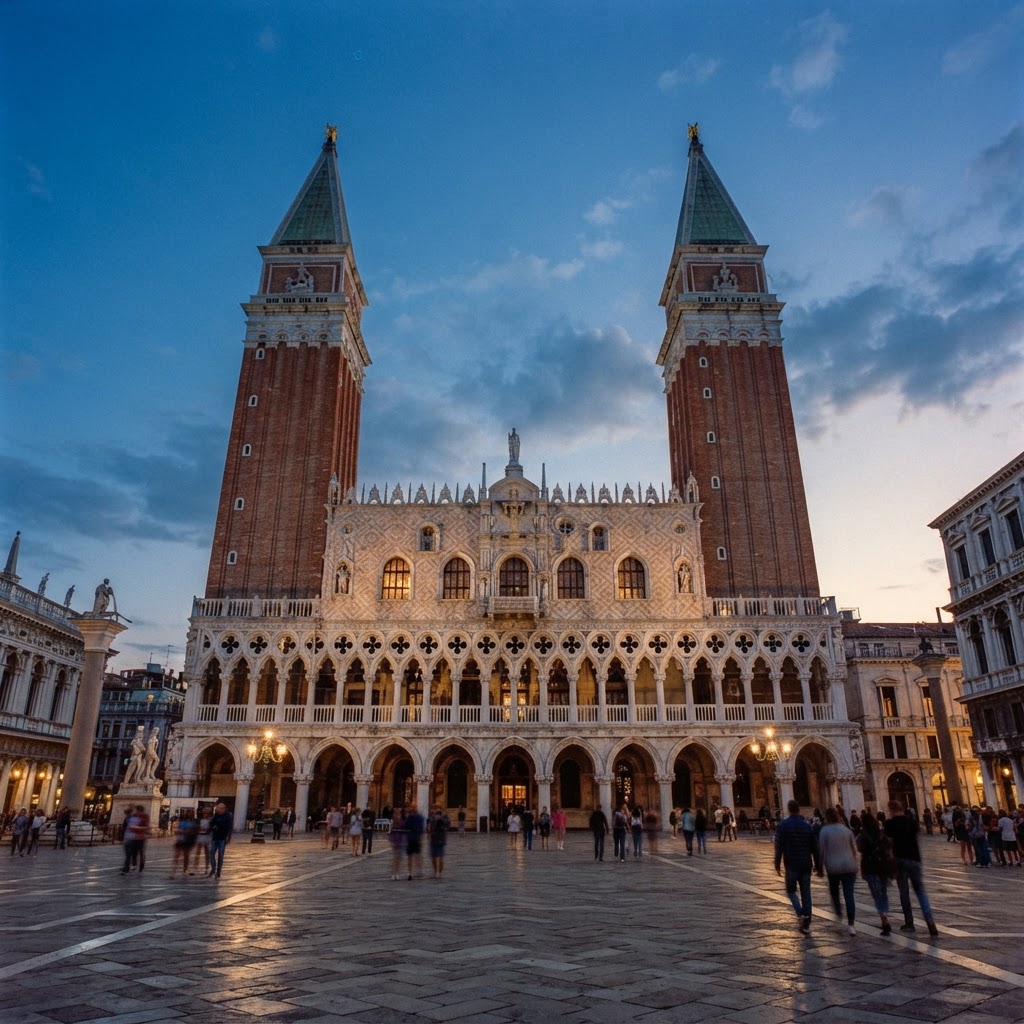
The central building is a massive complex that arcs gracefully around a large plaza. The architecture is characterized by its two tall towers that frame the structure, reaching 74 meters in height and serving as a visual focal point for miles around. These towers were actually inspired by the Giralda bell tower, reflecting the local obsession with blending historical influences with modern 1920s planning. The facade consists of long galleries with marble balustrades and brick ornamentation that catches the sunlight uniquely throughout the day.
The Canals and Boats
A signature feature of the Plaza de España Seville is the 515-meter-long canal that traces the inner edge of the square. For a romantic or leisurely experience, you can rent a small rowboat and paddle through the calm waters. This provides a unique vantage point of the ornate brickwork and the arches that support the grand upper galleries. The canal depth is relatively shallow, ensuring safety, and boats are available for rent at approximately €6-€10 per 30 minutes, providing an intimate perspective of the 1929 craftsmanship that most pedestrians overlook from the main walkway.
Cultural Significance in Popular Media
You might find the square looking familiar even if you have never visited before. This is because it has served as a stunning filming location for various global blockbusters. Most famously, it was transformed into the city of Theed on the planet Naboo in Star Wars: Episode II – Attack of the Clones. The symmetry of the columns and the grand scale allowed filmmakers to use minimal CGI, as the physical architecture provided an alien, opulent grandeur that matched the vision of George Lucas.
Why Hollywood Loves the Plaza
Directors are drawn to the square because of its symmetry, grandeur, and cinematic lighting. Beyond Star Wars, it has appeared in Lawrence of Arabia and The Dictator. Its ability to serve as a versatile backdrop is a testament to the timeless appeal of its architecture. The massive open space allows for complex camera movements, while the consistent color palette of terracotta and golden brick provides a neutral yet striking aesthetic that works for historical dramas and futuristic sci-fi alike. The logistics are also favorable, as the site is managed by the Seville city council, which facilitates film permits for high-profile productions looking for iconic European backdrops.
Practical Tips for Your Visit
To make the most of your visit to the most beautiful square in Spain, timing is everything. The plaza is free to enter, which makes it a popular spot for locals and tourists alike. To avoid the massive crowds and the intense heat of the Andalusian sun, aim to arrive as soon as the gates open in the morning.
Essential Visitor Information
| Feature | Detail |
|---|---|
| Entry Cost | Free |
| Opening Hours | 08:00 – 22:00 |
| Best Time to Visit | Early morning or sunset |
| Location | Maria Luisa Park |
Suggested Itinerary
- Arrive at 8:30 AM to catch the sunrise light hitting the tiles.
- Walk through the center of the plaza toward the fountain.
- Rent a boat for a 20-minute row on the canal.
- Explore the alcoves dedicated to the different Spanish provinces.
- Relax in the adjacent Maria Luisa Park.
Connecting with Maria Luisa Park
One of the greatest benefits of visiting the plaza is its direct connection to Maria Luisa Park, the city’s main public garden. Originally the palace gardens, this lush oasis covers over 34 hectares of land, offering shade, fountains, and beautiful flora. It is the perfect place to decompress after exploring the bustling square. The park features a variety of botanical species, including Mediterranean pines, palms, and orange trees. It provides a natural, cooling transition from the heat of the stone-paved plaza to a serene environment filled with hidden nooks, duck ponds, and statues dedicated to famous Spanish writers like Gustavo Adolfo Bécquer. It is effectively the green lung of the city center.
Photography at the Plaza
For photography enthusiasts, this location is a dream come true. The reflection of the buildings in the canal, the vibrant colors of the ceramic tiles, and the shifting light throughout the day offer endless creative opportunities. Make sure to carry a wide-angle lens to capture the full scale of the structure. Professionals often recommend shooting during the “blue hour” just before sunset, when the artificial lights of the building start to contrast against the fading natural light. Because the square is symmetrical, using a tripod to achieve perfectly balanced long-exposure shots of the canal reflections is highly recommended for high-quality architectural photography.
Best Angles for Your Shots
- The bridge over the canal looking back at the main building.
- Close-ups of the ceramic tiles in the province alcoves.
- The perspective from the balcony of the central pavilion.
- The fountain in the middle of the plaza during the ‘golden hour.’
Sustainability and Preservation
The local government is committed to the long-term preservation of this national heritage site. Ongoing restoration projects ensure that the delicate tile work remains as vibrant as it was in 1929. Visitors are encouraged to respect the grounds by avoiding climbing on walls and staying on designated paths. Because the site is open to the public without an entry fee, maintenance costs are primarily covered through city taxes and special event permit fees. Preservationists continuously monitor the structural integrity of the bridges and the moisture levels affecting the ceramic tiles, as the humid climate and heavy foot traffic pose a constant challenge to the historical aesthetics.
FAQ
Q: Is there an entrance fee for the Plaza de España?
No, there is no entrance fee to visit the Plaza de España. It is a public square and is completely free to enter for all visitors throughout the year.
Q: How long should I spend at the Plaza de España?
Most visitors spend between 1 to 2 hours exploring the plaza. This provides enough time to walk the perimeter, view the province alcoves, cross the bridges, and take a 20-minute rowboat ride on the canal.
Q: Can you visit the Plaza de España at night?
Yes, the Plaza de España is open until 10:00 PM. Visiting at night is highly recommended as the building is beautifully illuminated, providing a much quieter and more atmospheric experience compared to the busy daytime hours.
Q: Are dogs allowed in the Plaza de España?
Yes, dogs are generally allowed in the public plaza, but they must be kept on a leash at all times. Please note that individual policies for nearby buildings or specific events may vary.
Q: Where is the Plaza de España located in Seville?
The Plaza de España is located inside Maria Luisa Park, which is situated near the city center of Seville. It is easily accessible by foot, bike, or public transportation from the main historic quarters of the city.
Leave a Reply