
A Costa Brava fruit market is a traditional, open-air Catalan institution where local farmers sell seasonal, ‘zero-kilometer’ produce, artisanal goods, and regional staples like hanging tomatoes. These markets serve as the region’s primary hub for high-quality Mediterranean nutrition, social connection, and an authentic taste of Catalan agricultural heritage.
The Cultural Significance of Catalan Markets
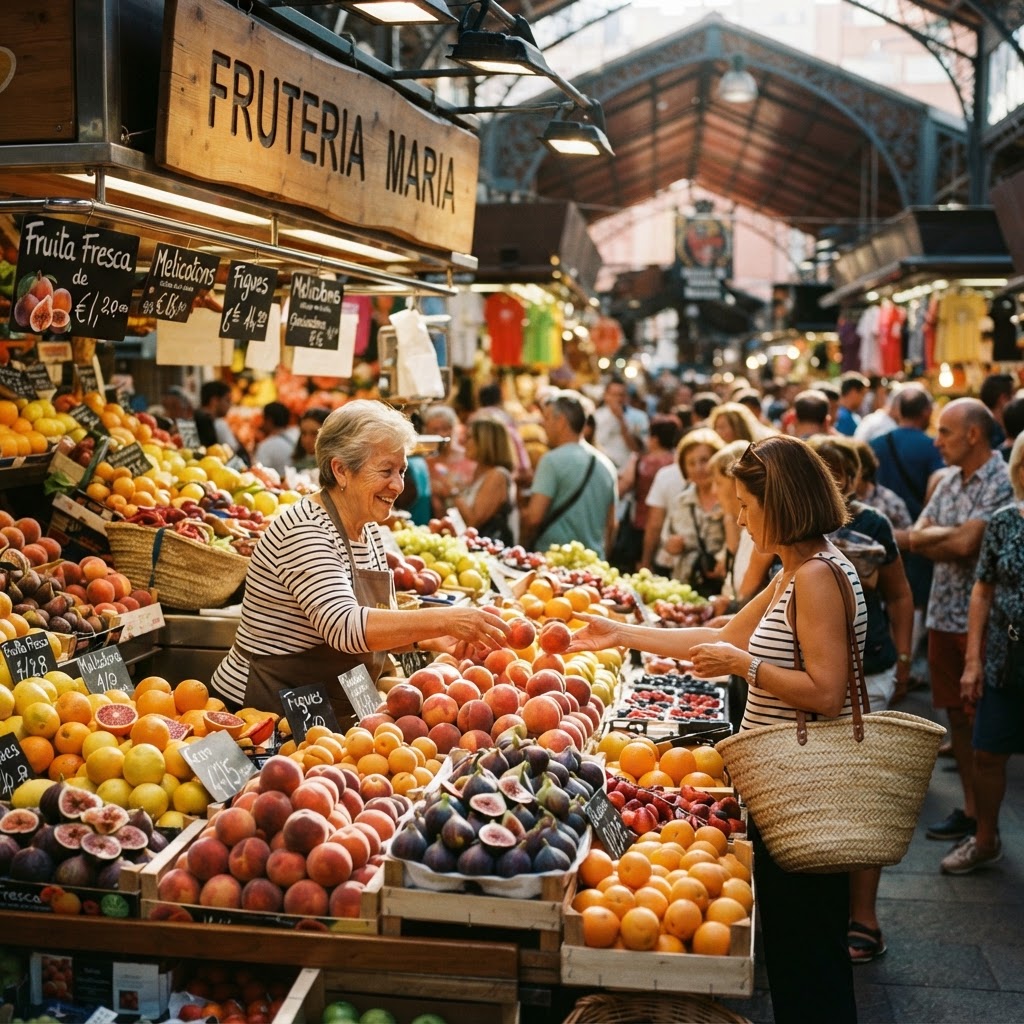
For the people of Catalonia, the market functions as a vital social institution that acts as a living archive of the region’s agricultural history. Unlike commercial supermarkets, these markets operate on the ‘zero kilometer’ philosophy, which mandates that produce is sourced from farms located within a short driving distance. This model significantly reduces the time from harvest to consumption, ensuring that fruits and vegetables retain their peak nutritional density and superior flavor profiles. Family-owned stalls are frequently passed down through generations, maintaining a deep commitment to seasonal eating and organic farming practices. By purchasing directly from these producers, travelers actively participate in the preservation of Catalan agrarian culture while supporting the local economy. Research indicates that produce consumed within 24 hours of harvest can contain up to 30% more vitamins than long-transported goods. Whether you are navigating the historic stalls of Girona or the coastal tables of Blanes, the market experience offers an intimate, sensory-driven look at the authentic Mediterranean lifestyle.
Why Freshness Matters Here
Seasonal Delights of the Costa Brava
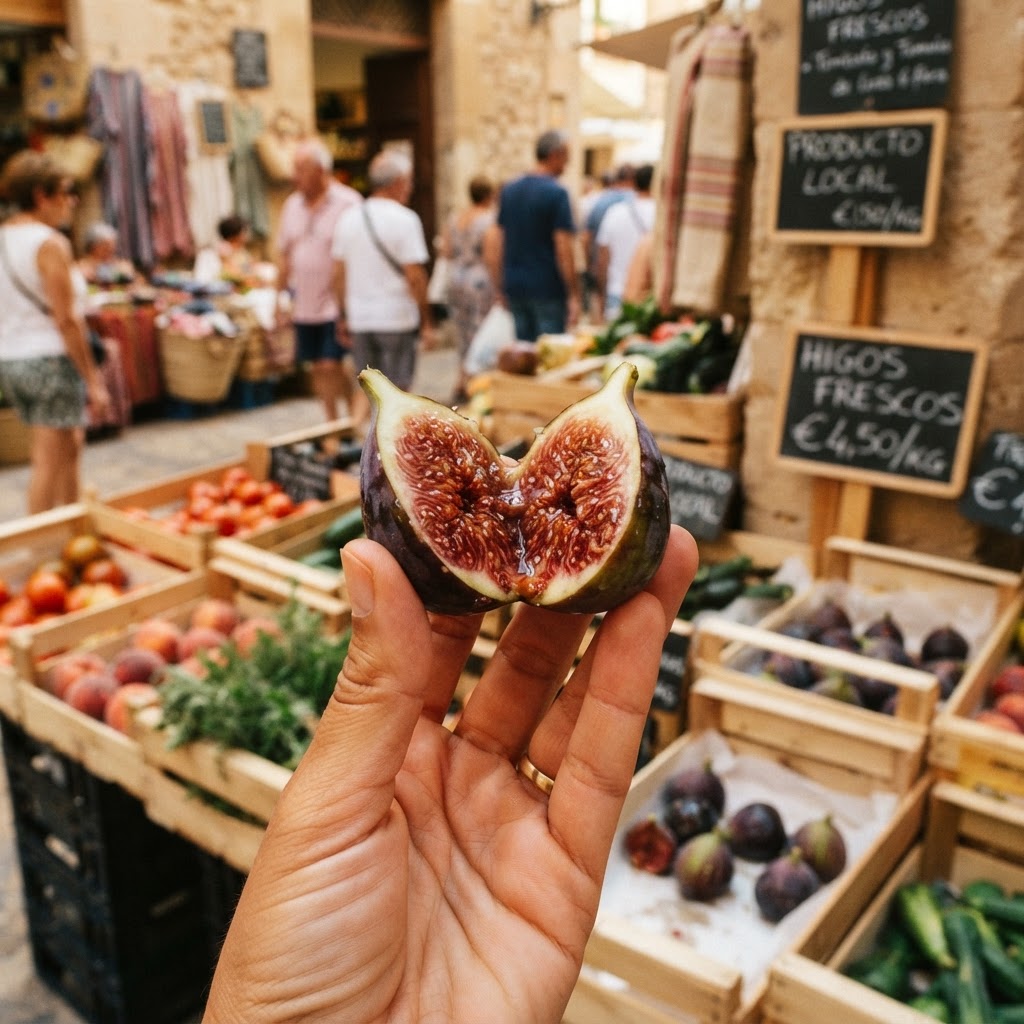
Eating in harmony with the seasonal cycle is the most effective way to experience the true rhythm of Catalan agriculture. The Costa Brava produces a diverse array of crops throughout the year, dictated by the region’s unique coastal microclimates and fertile inland plains. To maximize your market experience, refer to the seasonal guide below to ensure you are sourcing the highest quality ingredients during your stay.
Spring and Summer Bounty
As spring transitions into summer, the markets overflow with stone fruits, particularly the famed peaches from the Lleida region, which are celebrated for their balanced sugar content. By July and August, the arrival of ‘coll de dama’ figs and refreshing local melons becomes the primary draw for both residents and tourists. These fruits are often sold at their absolute peak of sugar development because they do not require refrigeration or long-distance shipping.
Autumn and Winter Harvests
When temperatures drop, the market shifts to hardy staples and citrus-heavy harvests. Mountains of mandarins from the southern coastal plains dominate the stalls, while high-altitude apples from the Girona hills provide crisp textures. This seasonal shift highlights the extreme diversity of the region’s geography, ensuring that even in the off-season, the market offers fresh, nutrient-dense options.
Navigating the Market Like a Local
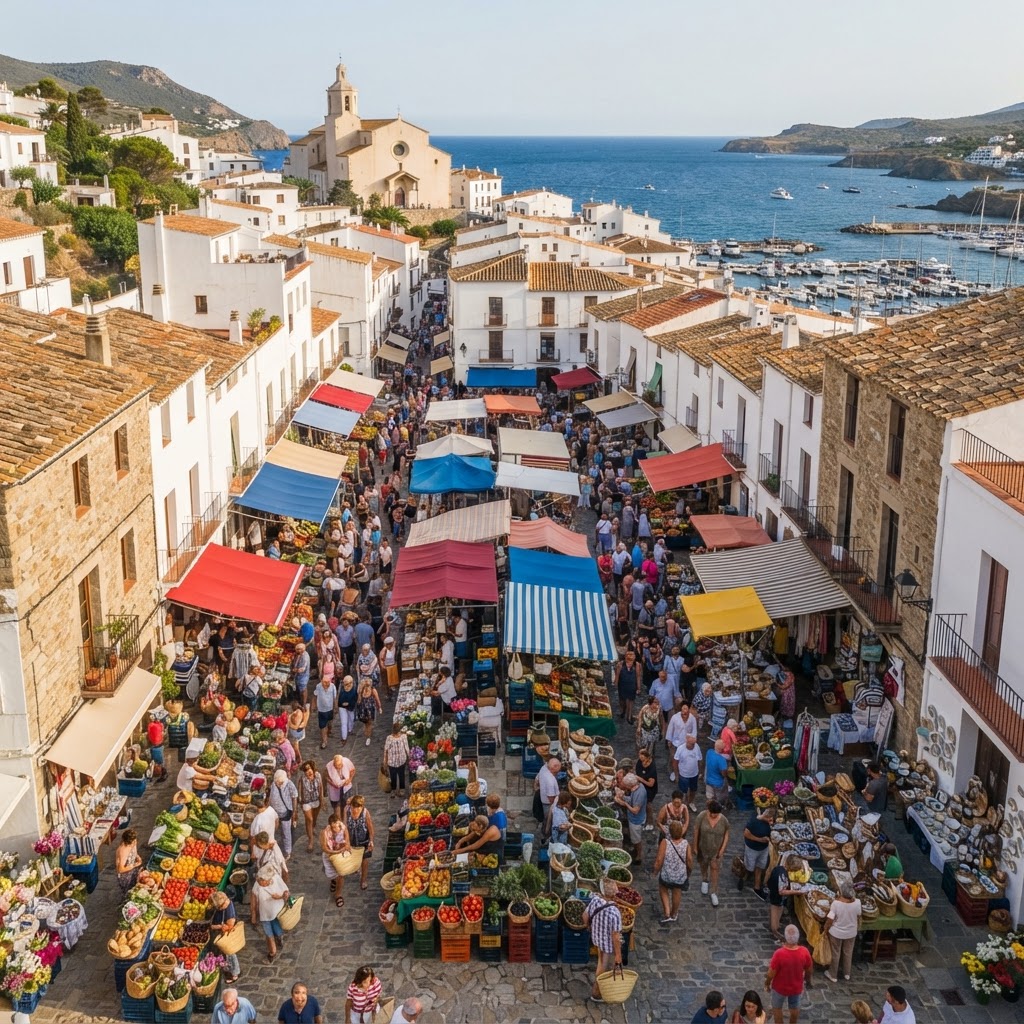
Successfully navigating a Costa Brava market requires adhering to established etiquette that prioritizes hygiene and respect for the vendor’s inventory. Many stalls operate on a ‘service-only’ basis, meaning you should refrain from touching the fruit until you have requested assistance. Use polite phrasing, such as “Hola, bon dia” followed by “¿Me puede poner un kilo de esto?” to establish rapport. Bringing your own cloth bags is highly encouraged, as many vendors have significantly reduced plastic usage to meet EU sustainability standards. Carry small denominations of cash, preferably in coins or €5 and €10 notes, to avoid hindering the checkout process during busy morning hours. If you are uncertain about the variety of a specific tomato or the origin of a cheese, ask; vendors are generally proud experts who are eager to educate consumers on their product’s provenance and ideal culinary applications.
Essential Market Etiquette
Must-Try Local Varieties
While you will recognize many fruits, the Costa Brava is home to specific local varieties that you simply won’t find at home. Keep an eye out for “tomates de colgar” (hanging tomatoes), which are essential for making authentic pan con tomate. These tomatoes are bred specifically for their long shelf life and intense, concentrated flavor. Also, look for unique regional plums and apricots that boast a depth of flavor developed through the specific coastal soil composition and high levels of sun exposure.
Beyond Fruit: Complementary Products
No visit to a Costa Brava fruit market is complete without acquiring the artisanal companions to your produce. Look for stalls featuring local honey infused with rosemary or lavender, collected from the nearby Empordà hills. Artisanal cheeses from the Catalan Pyrenees and high-grade cold-pressed olive oils are also frequently sold in close proximity to fruit stands. For a classic experience, pair fresh seasonal figs with a wedge of soft, goat-milk cheese; the combination of the fruit’s natural sweetness and the cheese’s tangy, creamy profile illustrates the balance that defines the Mediterranean diet. These complementary products allow you to curate an entire picnic using only local, high-quality ingredients.
Pairing Fruit with Local Cheese
The Health Benefits of Mediterranean Eating
Integrating the contents of a Costa Brava fruit market into your daily routine provides a high intake of antioxidants and essential phytonutrients that combat oxidative stress. Because the produce is harvested at peak maturity and consumed without long-distance storage, you avoid the heavy preservatives often found in mass-marketed grocery chains. Adopting a habit of purchasing a daily portion of fruit—ideally a mix of three different colors—ensures a diverse spectrum of vitamins, particularly Vitamin C, potassium, and dietary fiber, which are critical for digestive health and cardiovascular wellness. Travelers who use the market for their morning meals often find it to be a more affordable and healthier alternative to cafe-based breakfasts, providing natural energy for long days of coastal exploration.
Best Markets to Visit
While almost every village along the coast hosts a market, some locations provide a superior experience regarding volume and quality. The Palafrugell market is particularly famous for its high density of local farmers, while the Girona city center markets offer a premium selection of high-end, chef-grade produce. Always verify specific market days via local tourism boards, as schedules rotate throughout the week. Arriving by 9:00 AM or 10:00 AM is essential to secure the best selection of goods before the heat of the day settles in. By midday, these spaces naturally transition from commercial zones into social hubs where residents meet for coffee and conversation, providing the perfect opportunity to observe local Catalan culture in its most authentic form.
FAQ
Q: What is the best time of day to visit a Costa Brava market?
The optimal time to visit is between 8:30 AM and 10:00 AM. Arriving early ensures you have access to the freshest stock and the largest variety of seasonal produce before the most popular items sell out for the day.
Q: Are credit cards accepted at most market stalls?
Most stalls in smaller Costa Brava markets are cash-only, especially for smaller purchases. It is recommended to carry coins and small-denomination notes (5 or 10 euro bills) to ensure smooth transactions and respect the vendor’s time.
Q: Is it okay to touch the fruit before buying?
In many traditional markets, it is considered impolite to touch the produce yourself. Always point to what you want or ask the vendor to select items for you; they are professionals who know exactly which fruits are at the perfect stage of ripeness.
Q: What are ‘hanging tomatoes’ and why are they special?
‘Tomates de colgar’ are a specific variety of hanging tomatoes bred with a thick skin and intense, low-acidity flavor profile. They are kept on the vine and hung in dry, ventilated areas, allowing them to last for months while maintaining their culinary utility for recipes like pan con tomate.
Q: Do market vendors speak English?
While many vendors in popular tourist areas speak basic English, knowing a few phrases in Catalan or Spanish is highly appreciated. A simple ‘Bon dia’ (Good morning) or ‘Gràcies’ (Thank you) will often lead to a much friendlier and more helpful interaction.
Practical Tips for Navigating Market Days
Most Costa Brava markets operate only one or two mornings per week. Do not assume a daily schedule for every town, as this is a common mistake for first-time visitors. Check the municipal website for each specific town before planning your morning route. Arrive by 9:00 AM to beat the local crowd and ensure the best selection of berries or fragile stone fruits. By 11:30 AM, many vendors begin packing up their crates, especially in smaller coastal villages.
The Art of the Exchange
Bring a sturdy, reusable tote bag or a woven basket to carry your haul. Plastic bags are rarely provided, and lugging heavy melons in thin sacks is an unnecessary struggle. Carry small denominations of cash, specifically coins and five-euro notes. While many vendors now accept digital payments, small-scale farmers still prefer cash and might struggle with connectivity issues in busy squares.
How to Plan Your Market Excursion
Start your morning with a coffee at a nearby cafe to observe the local flow before diving into the stalls. Walk the entire length of the market once before purchasing anything to compare the quality and prices of similar items. Look for vendors with dirt still on their carrots or leaves attached to their radishes. This is a reliable sign of recent harvesting that distinguishes a true grower from a reseller.
What to Skip
Avoid buying pre-cut fruit cups or plastic-wrapped items. You lose the advantage of the zero-kilometer philosophy once the produce has been sitting in non-breathable plastic under the sun. Similarly, ignore stalls selling tourist-oriented trinkets mixed in with produce; focus your budget on the vendors exclusively offering crates of single-origin goods.
Common Mistakes to Avoid
Do not touch the produce directly. In Catalan markets, it is considered polite to point at what you want or ask the vendor to pick it for you. If you reach out to squeeze a peach yourself, you will likely receive a firm verbal correction. Always greet the vendor with a polite “Bon dia” before you begin your order to establish a friendly rapport.
Costa Brava Market Checklist
- Check specific market days for your destination town.
- Bring your own durable shopping bag or basket.
- Carry at least twenty euros in coins and small bills.
- Wear comfortable, flat shoes for uneven cobblestone streets.
- Arrive early to avoid the midday heat and thinning stock.
- Ask for a “tast” (a taste) if you are unsure about a specific variety.
Frequently Asked Questions
Should I visit the large city markets or small village pop-ups?
Visit both if your schedule allows. Larger markets in cities like Girona offer a wider variety of artisanal cheeses and cured meats alongside produce. Small village markets provide a quieter, more personal interaction where you are more likely to meet the actual farmer who grew your fruit.
Are markets cheaper than supermarkets?
Prices are often comparable or slightly higher than supermarkets, but the quality difference is massive. You are paying for flavor, nutritional density, and the direct support of small-scale agriculture. If you want the absolute lowest price, look for the “second quality” bins, which contain perfectly delicious fruit that may have minor cosmetic bruises.
What if I do not speak Catalan or Spanish?
You do not need fluency to shop effectively. Pointing, smiling, and using universal hand signals for quantity works perfectly. Vendors are used to tourists and appreciate a simple “gracias” or “gràcies” once the transaction is complete.
Leave a Reply