
The most romantic gondola ride in Venice is found in the quiet, historic districts of Dorsoduro and Cannaregio during the ‘golden hour’ just before sunset. By avoiding the congested San Marco basin and booking directly at a local ‘stazio’ rather than through third-party services, couples can experience the city’s intimate, silent canals at an official, regulated price.
Understanding the Allure of Venetian Gondolas
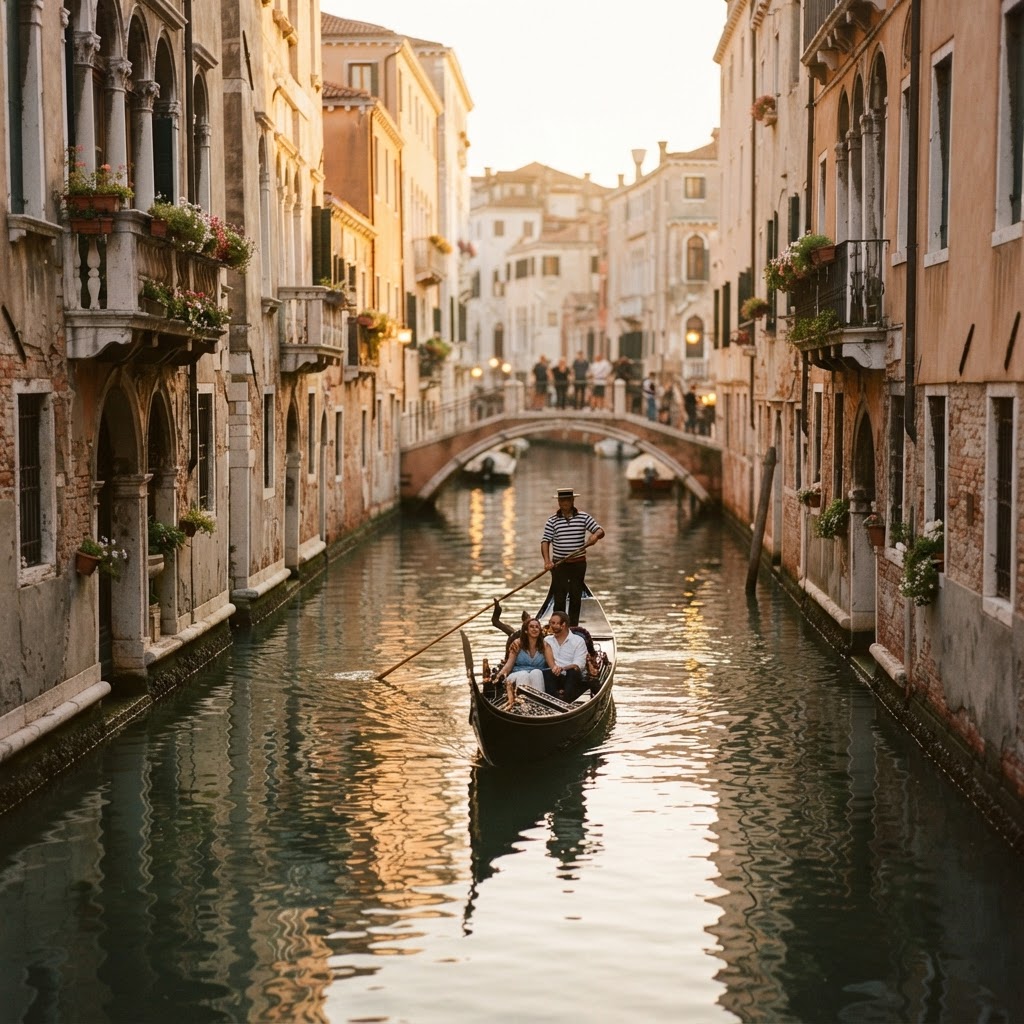
The gondola is a specialized naval craft, measuring approximately 11 meters in length, designed to navigate the shallow, narrow channels of the Venetian lagoon since the 11th century. These vessels, traditionally painted black, rely on a single oar operated by a skilled gondolier, providing a smooth, silent glide that distinguishes them from motorized water taxis. For couples, the allure lies in this acoustic privacy; without the rumble of an engine, you can fully engage with the rhythmic splashing of the water against century-old palazzo foundations. This sensory isolation fosters an environment where the city’s distant church bells and echoes become the primary soundtrack, establishing the gondola as a quintessential rite of passage for honeymooners. While the gondola was once a primary form of transport for the Venetian nobility, today it serves as a preserved piece of heritage that offers an unparalleled perspective on the city’s unique architecture.
Choosing the Perfect Route for Romance
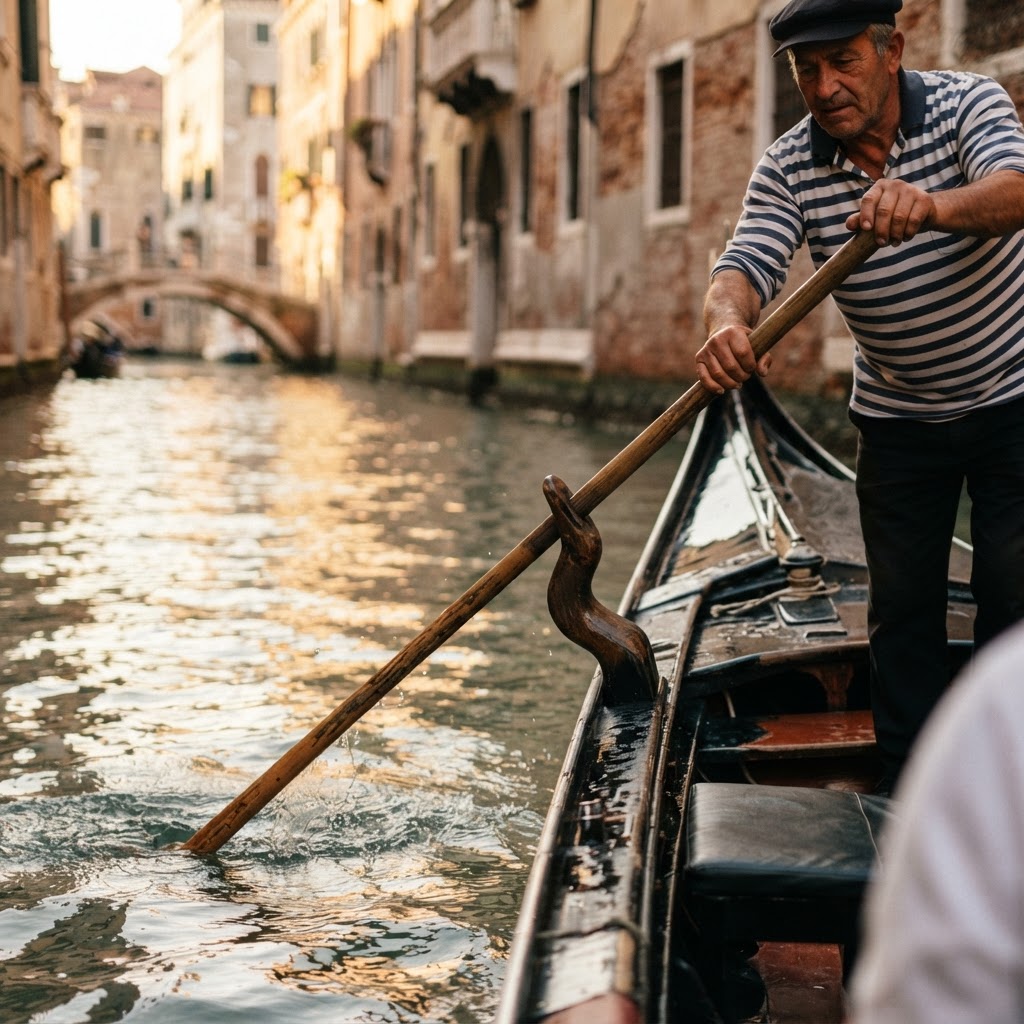
Selecting a departure point away from the high-traffic San Marco basin is the most effective way to ensure a peaceful, romantic experience on the canals. While many tourists gravitate toward the main waterways, the most authentic and quiet canals are tucked away in the city’s residential ‘sestieri.’
The Hidden Gems of Dorsoduro
Starting your journey near the Accademia Bridge in Dorsoduro allows for immediate access to narrow, ivy-lined waterways that remain largely untouched by the heavy tourist flow. This district offers a quieter, more contemplative atmosphere, ideal for couples who prefer the serenity of silent squares and historic stone walls over the busy Grand Canal.
The Serenity of Cannaregio
Cannaregio provides an authentic glimpse into the daily life of Venetians, featuring wide, still canals that reflect the vibrant colors of local residential houses. Navigating through the northern reaches of this district offers a unique, uninterrupted backdrop perfect for deep conversation and capturing photographs that feel intimate and exclusive to your trip.
Timing Your Ride for Maximum Impact
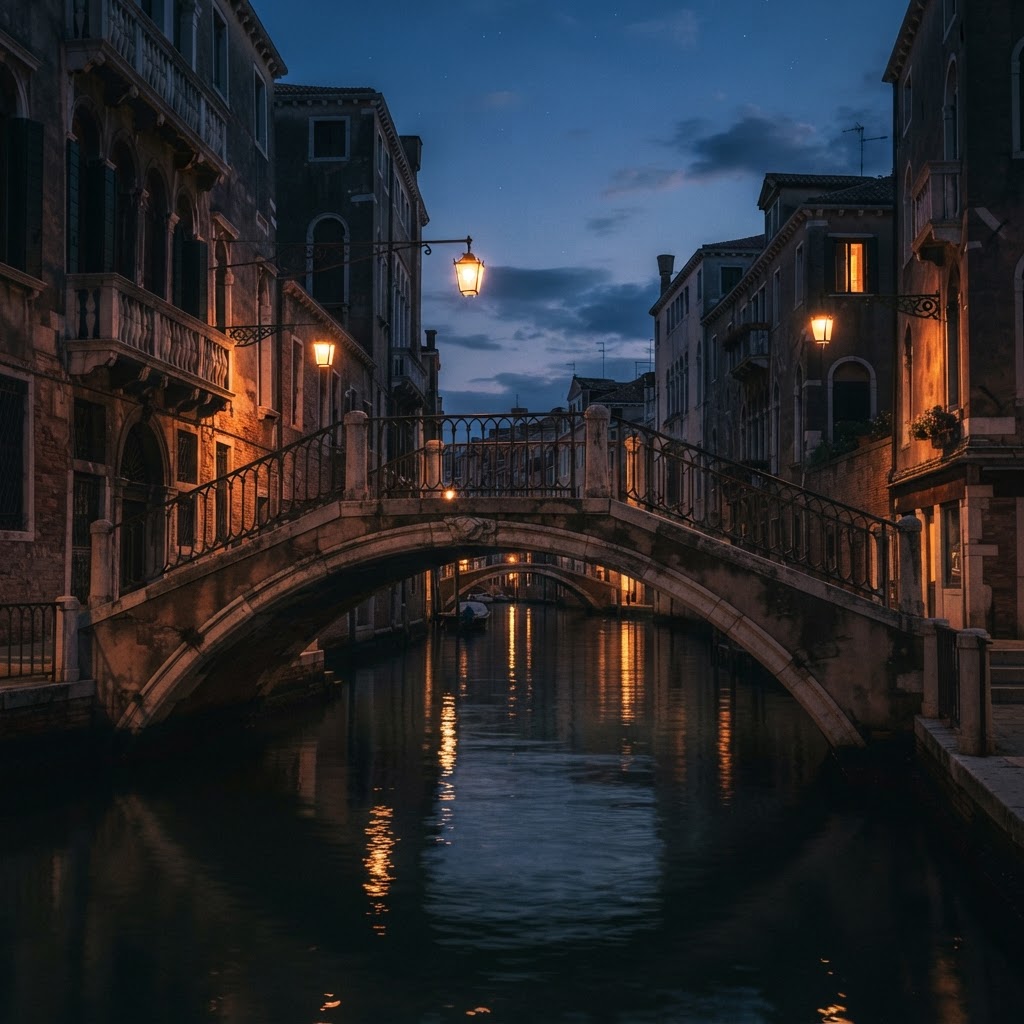
Timing is the primary variable that transforms a standard sightseeing trip into a deeply memorable romantic experience, as lighting conditions dictate the mood and visibility of the city. The ‘golden hour’—defined as the hour preceding sunset—is widely considered the optimal time for a ride, as the low-angle sun creates a warm, golden glow across the terracotta rooftops and water.
For those seeking mystery, an evening ride allows for the illumination of ancient bridges and reflections of lantern-lit windows on the water. Regardless of the time selected, avoid peak midday hours when canal congestion is at its highest, as the presence of numerous other boats can disrupt the desired tranquility and limit the gondolier’s ability to navigate quieter routes. Always check weather forecasts beforehand, as rainy or exceptionally windy days may temporarily suspend operations.
Navigating Pricing and Practical Tips
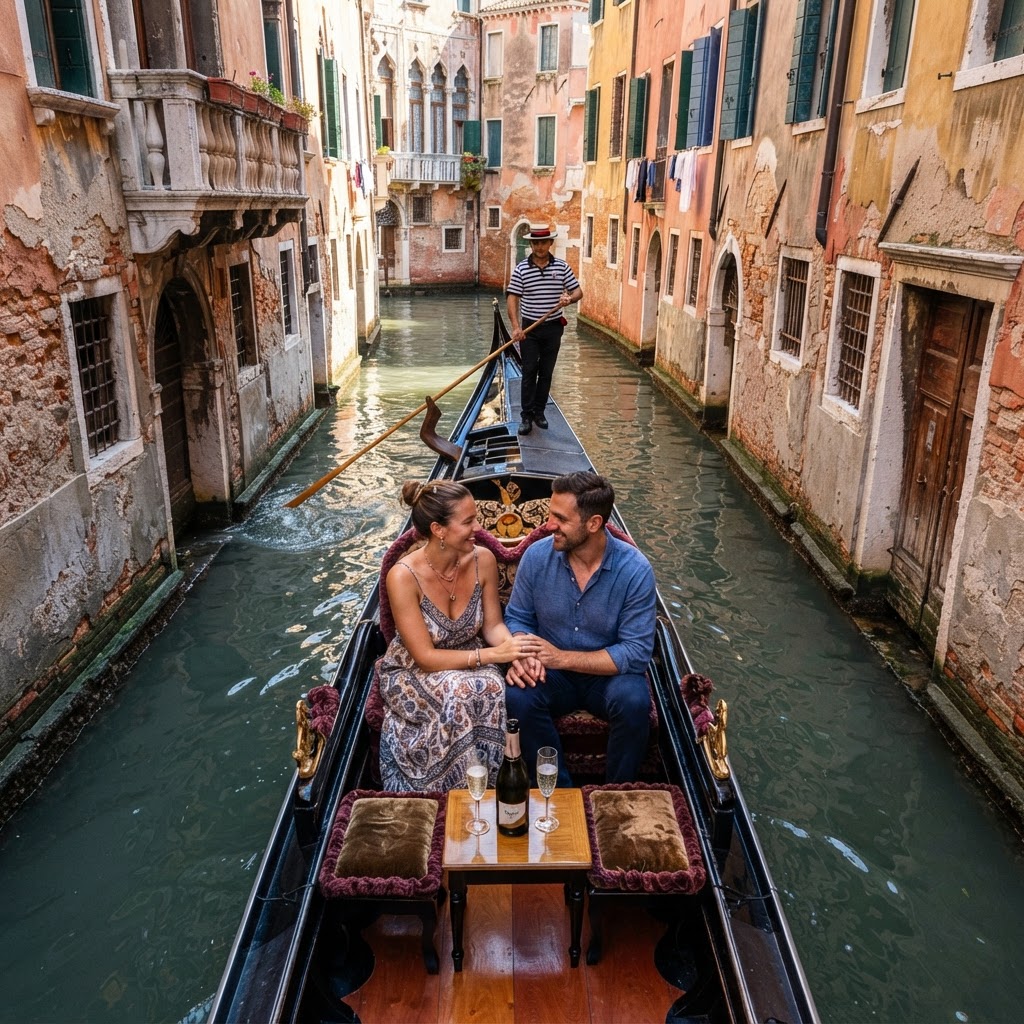
Venetian gondola rates are strictly regulated by the city government, meaning prices are fixed and should not be subject to individual negotiation at the stazio. As of recent updates, a standard 30-minute daytime ride is set at 90 Euros, while the rate increases to 110 Euros for departures after 7:00 PM.
Booking Strategies
To avoid extra fees, bypass hotel concierges and third-party booking sites, which often tack on significant commissions to the base price. Simply walk up to any official ‘stazio’—the designated mooring stations clearly marked with signage—and approach the lead gondolier. By directly requesting a specific, quieter route, you ensure that you are paying only the official government rate for your time on the water.
Communication with Your Gondolier
Effective communication with your gondolier before stepping onto the boat is essential to personalizing the trip. A polite request to prioritize side canals over the busy Grand Canal is generally met with professional courtesy. Remember that gondoliers act as knowledgeable guides; if you express an interest in local history or architecture, they will often provide insights into the specific palazzos and landmarks you pass along your chosen route.
Enhancing the Atmosphere
Personalizing your gondola experience with thoughtful, small-scale additions can significantly elevate the overall mood of the ride. Many couples opt to bring a small bottle of Prosecco; if you choose to do so, prioritize lightweight, non-glass cups to prevent accidents during the natural rocking motion of the boat.
During the cooler winter months, the experience can become even more intimate. The light mist often covering the canals adds a layer of mystery and exclusivity to the scenery. Bringing a heavy, shared wool blanket allows you to comfortably enjoy the ride in lower temperatures, making it feel as though the entire city belongs to you.
Capturing the Moment
Professional and amateur photography requires a balanced approach to ensure you aren’t sacrificing the experience for the sake of a photo. Limit your device use to the very beginning and final minutes of the ride, allowing for a fully immersive, screen-free journey through the canals.
For major milestones like proposals or anniversary celebrations, consider hiring a professional photographer. A common technique is to have a photographer wait at a designated historic bridge or follow in a separate boat, ensuring your most cherished moments are captured professionally without interfering with the silence of your gondola trip. This professional approach provides high-quality images of the landmarks and the candid connection between you and your partner, serving as a permanent memory of your Venetian experience.
Common Mistakes to Avoid
Avoid the common error of over-scheduling your day, as the transition from a busy tour to a relaxed boat ride requires proper mental decompression. It is highly recommended that you do not book a museum visit or guided walking tour immediately before your gondola time. Instead, allow yourself a buffer to wander the alleyways, enjoy a gelato, and sit at a quiet café to fully settle into the slower Venetian pace.
Additionally, avoid asking your gondolier to sing. While popular media depicts operatic performances, this is not a standard service provided by local gondoliers and is often viewed as a stereotype. Should you happen to encounter music, it is usually because an independent musician has been hired separately. Pressuring your guide to sing can detract from the authentic, respectful atmosphere that defines a professional Venetian gondola experience.
FAQ
Q: How much does a standard gondola ride cost in Venice?
A: The official price for a 30-minute gondola ride is 90 Euros during the day and 110 Euros after 7:00 PM. These rates are set by the city and are per boat, not per person, meaning a single boat can accommodate up to five passengers for the same price.
Q: Is it necessary to tip my gondolier?
A: Tipping is not mandatory or expected in Venice for gondoliers, as the rates are regulated by the local government. If you feel the service was exceptional, a small tip of 5-10 Euros is appreciated but entirely optional and at your discretion.
Q: Can I book a gondola ride online in advance?
A: While you can book through third-party platforms, it is highly recommended to walk up to an official ‘stazio’ to book directly. Booking through a local station ensures you pay the standard, transparent city-regulated rate without incurring extra agency commission fees.
Q: What is the best season for a romantic gondola ride?
A: Late spring and early autumn provide the most pleasant temperatures, while winter offers a uniquely atmospheric and misty experience that is often less crowded. Each season provides a distinct aesthetic, though all require advance attention to local weather patterns and canal accessibility.
Q: What should I do if it rains on the day of my reservation?
A: If it is lightly raining, gondoliers often provide covers or blankets, but in the case of heavy rain or high winds, services are frequently suspended for safety. If you have not prepaid via a third party, you can simply reschedule for the next available clear day.
Practical Tips for a Flawless Experience
Booking a gondola does not require an app or a travel agent. Walk directly to a ‘stazio’—the wooden platforms where gondoliers wait for passengers. You will see a sign listing the current official rates set by the local municipality. As of 2024, the standard rate is 90 euros for 30 minutes during the day and 110 euros after 7:00 PM. Always carry cash, as most gondoliers do not accept credit cards on the boat.
Avoiding Common Pitfalls
Never agree to pay for a private musical performance or an extended route unless you discuss the price before boarding. A common mistake is assuming the gondolier will be a singing tour guide. Most are professional boatmen, not performers. If you want a serenade, bring a small portable speaker or hire a dedicated singer for an extra fee. Avoid boarding near the Rialto Bridge during midday; the heavy traffic makes the ride jerky and stressful.
Your Step-by-Step Planning Checklist
- Check the sunset time for your specific date at least a week before arriving.
- Pack a light jacket, even in summer, as the temperature drops significantly once the sun sets.
- Wear flat shoes to maintain your balance when stepping into the rocking boat.
- Locate your preferred stazio on a map the morning of your ride to avoid getting lost in the winding alleys.
- Arrive at the station 15 minutes early to observe the flow of traffic.
Comparing the Seasons
Winter offers the most romantic atmosphere due to the thick morning fog that muffles all sound. However, the boats are cold, and the dampness can be piercing. Spring is the busiest season, making quiet canals hard to find. Autumn is the sweet spot; the light is soft, the humidity is low, and the crowds begin to thin out significantly. Avoid the peak of summer if you struggle with the smell of stagnant water in the smaller, less-circulated canals.
Frequently Asked Questions
Should I tip the gondolier?
Tipping is not mandatory in Venice, as the rates are strictly regulated. However, if your gondolier navigated a particularly tricky canal or provided an extra five minutes of travel, a five-euro tip is appreciated. It is a polite gesture rather than an expected obligation.
Can I bring food or wine on board?
Technically, gondolas are not dining vessels. Bringing a full meal is considered disrespectful to the boat and the gondolier. A small bottle of prosecco and two plastic flutes are usually acceptable if you are discreet and clean up after yourself. Always ask the gondolier for permission before opening any drinks.
What happens if it rains?
Gondoliers generally do not operate during heavy rain because the visibility is poor and the water becomes choppy. If it is just a light drizzle, they may offer to use the ‘felze’ or a canopy if the boat is equipped with one. Always have a backup plan for dinner or an indoor activity if the weather turns sour on your planned evening.
Leave a Reply