
Exploring the Dramatic Cliffs of the Norwegian Fjords
Norway’s most dramatic fjord cliffs are vertical geological masterpieces formed by ancient glacial erosion, with Preikestolen, Trolltunga, and Kjerag standing as the premier destinations. These iconic natural formations rise up to 1,084 meters above sea level, offering world-class hiking, unparalleled vistas, and extreme adventure opportunities for millions of travelers annually.
The Geological Wonder of Norwegian Fjords
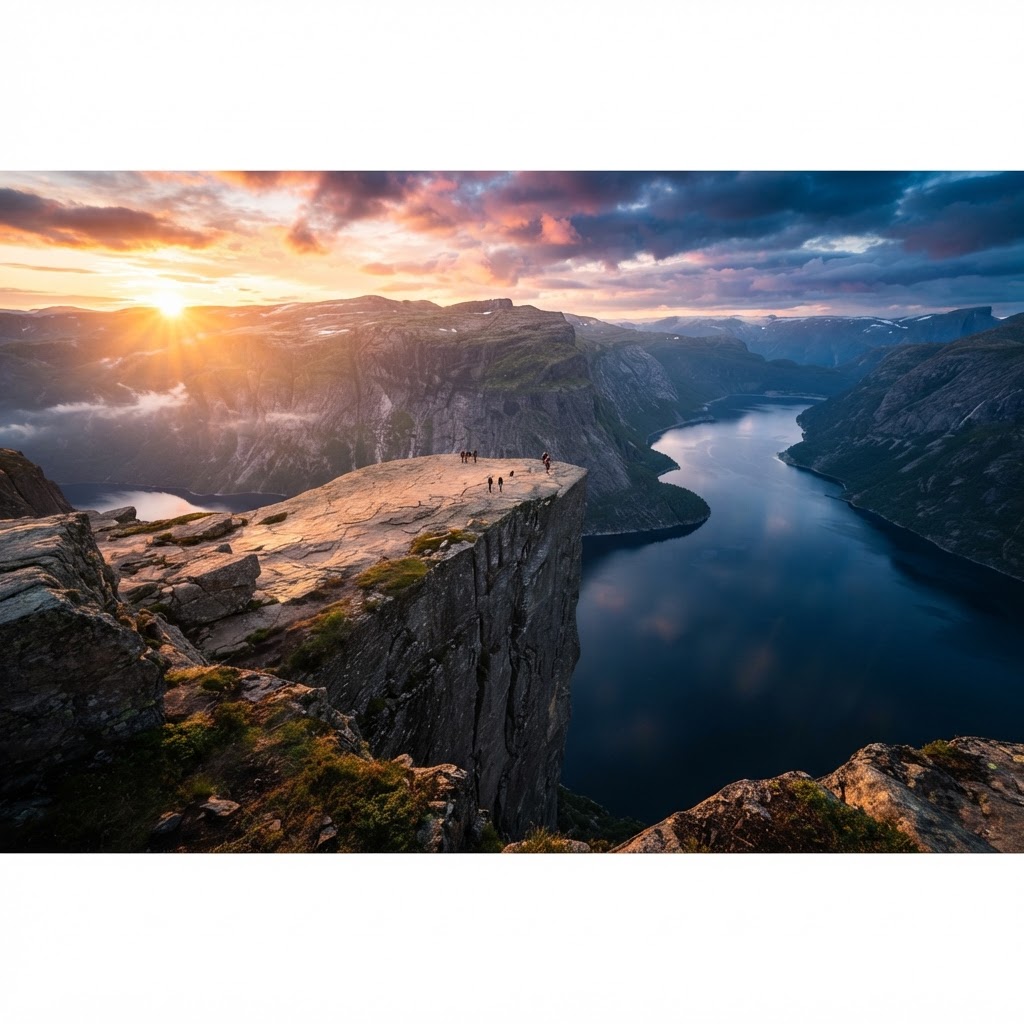
Fjords are deep, narrow, U-shaped valleys carved by massive glaciers that were later submerged by rising sea levels. These geological features are characterized by near-vertical granite and gneiss walls that extend both thousands of feet into the air and often hundreds of meters below the water’s surface. The dramatic verticality of the Norwegian coastline is a direct result of the immense pressure and grinding force exerted by ice sheets during the last glacial period, which widened and deepened existing river valleys into the sheer cliffs seen today.
Why Do These Cliffs Look So Dramatic?
The dramatic appearance of these cliffs is primarily attributed to glacial retreat, which left behind steep, exposed rock faces known as cirque walls. As the glaciers moved, they effectively planed off the sides of mountain valleys, creating the characteristic vertical planes that now dominate the horizon. When the ice finally melted and sea levels rose, these deep U-shaped troughs were flooded, resulting in the iconic “fjord” topography. The ancient metamorphic rock, primarily gneiss, provides the structural integrity that allows these 1,000-meter cliffs to maintain their near-vertical profile without collapsing into the freezing Atlantic waters below.
Preikestolen: The Pulpit Rock Experience
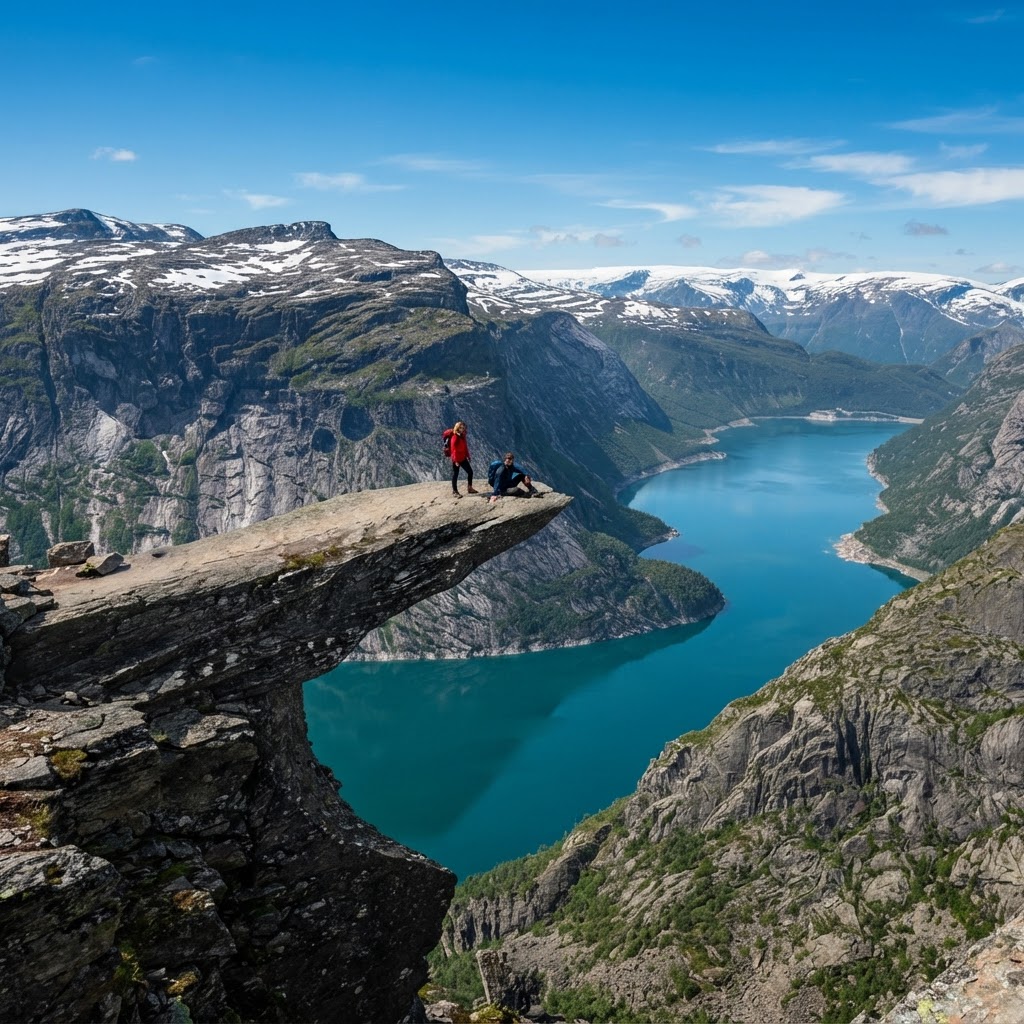
Preikestolen, famously known as “Pulpit Rock,” is a massive, flat-topped cliff that provides one of the most stable and accessible viewing platforms overlooking the Lysefjord. Reaching the summit requires a moderate 8-kilometer round-trip hike that typically takes between three and four hours to complete. The trail begins at the Preikestolen base camp and transitions through diverse ecosystems, moving from lush forests to the stark, windswept rock plateaus that define the Norwegian high country. The summit is a unique geological feature: a near-perfect square plateau that remains detached from the mountain by a deep crevice, offering an unobstructed 604-meter vertical drop directly into the shimmering blue waters of the fjord below.
Conquering Trolltunga: The Troll’s Tongue
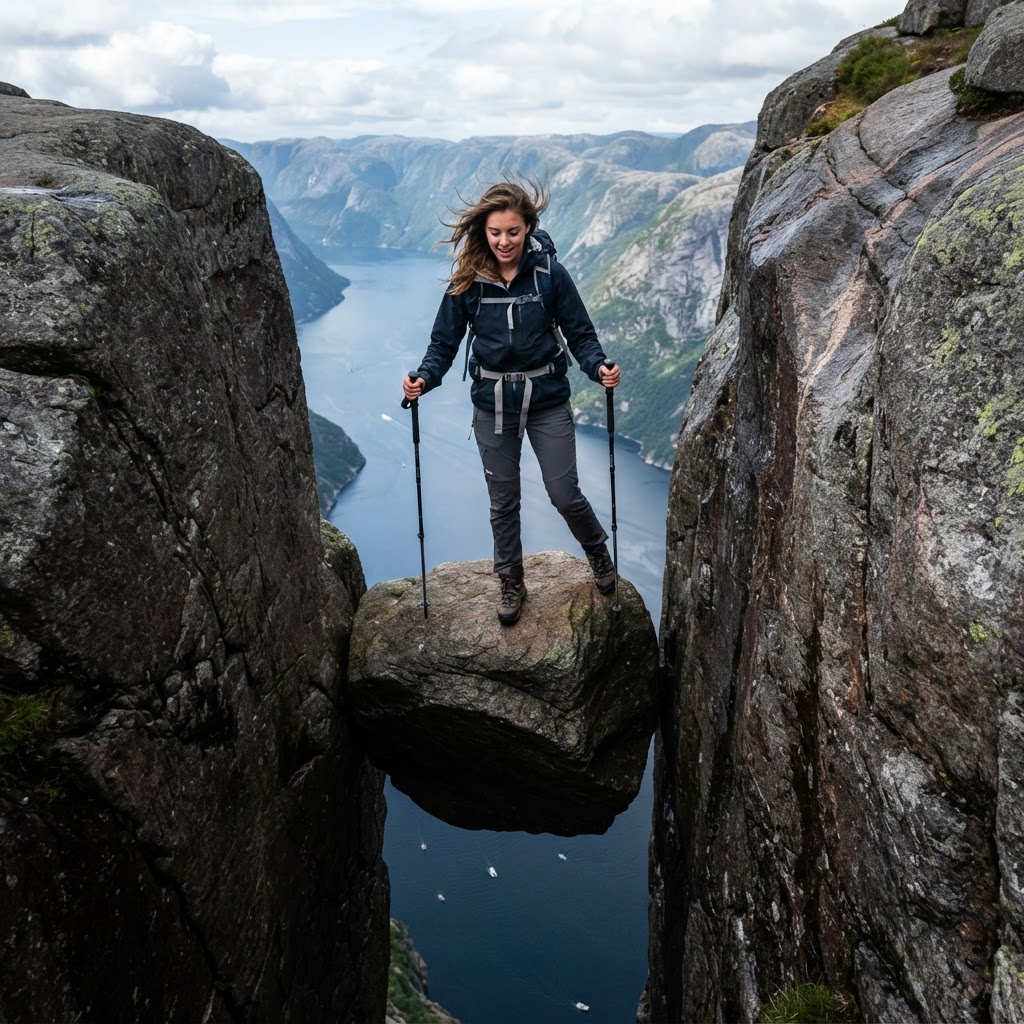
Trolltunga is widely regarded as Norway’s most challenging and rewarding hike, featuring a thin, horizontal sliver of rock projecting 700 meters above Lake Ringedalsvatnet. This formation is a high-altitude expedition that requires a 28-kilometer round-trip trek, demanding significant physical preparation and stamina. Hikers should expect an intense 10 to 12-hour journey that traverses varying terrain, including steep mountain ascents and exposed ridgelines. Because the weather conditions can shift from clear skies to dangerous freezing rain in minutes, carrying mandatory gear—such as waterproof layers, a GPS device, and high-calorie nutrition—is essential for every trekker attempting the summit.
Safety Tips for High-Altitude Hiking
Safety in the Norwegian mountains requires strict adherence to local regulations and careful preparation for unpredictable arctic weather. Hikers should always check the Norwegian Meteorological Institute (yr.no) forecasts before departing and ensure they have adequate footwear, such as waterproof hiking boots with high ankle support. If conditions deteriorate, turn back; the risk of hypothermia and falling on wet, slippery granite is extreme. Always inform someone of your route, stay on marked “T” trails maintained by the Norwegian Trekking Association (DNT), and ensure you begin your hike early enough to return before sunset to avoid navigation hazards.
Kjerag and the Famous Boulder
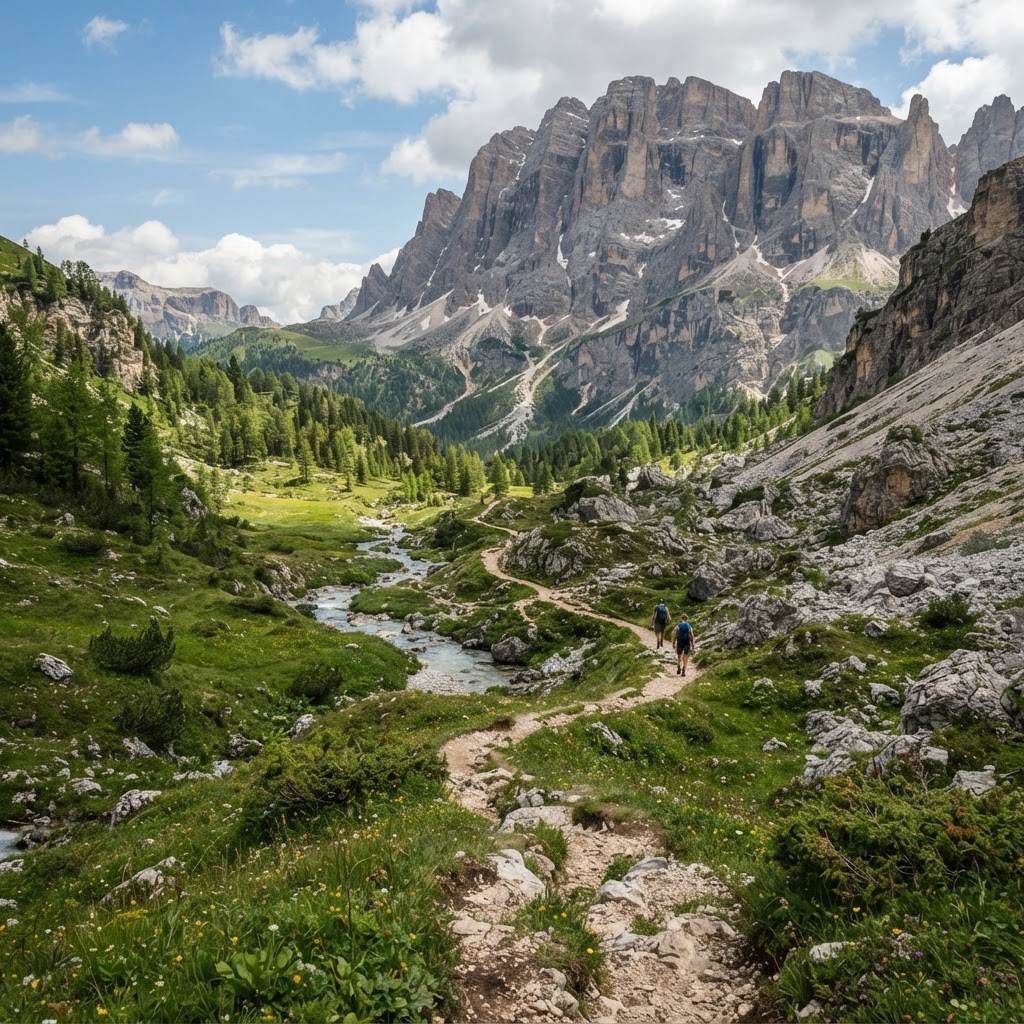
Kjerag is the highest point of the Lysefjord, rising 1,084 meters above sea level, and is best known for the gravity-defying Kjeragbolten boulder wedged between two vertical cliff faces. While the boulder attracts thrill-seekers for iconic photography, the mountain itself serves as a world-class destination for BASE jumpers and experienced mountaineers. The sheer exposure of the Kjerag plateau offers an unparalleled adrenaline rush, but visitors should note that reaching the plateau is a strenuous 12-kilometer round-trip hike. The terrain is demanding, featuring long stretches of steep mountainside climbing that require the use of fixed chains for stability, making it unsuitable for inexperienced hikers or those with severe vertigo.
Planning Your Fjord Adventure
Timing your visit between mid-June and early September is crucial to avoid dangerous late-season snow and ensure that mountain access roads are fully open. During these months, Norway experiences the “midnight sun,” providing over 18 hours of daylight, which significantly aids in safety during long treks like Trolltunga. For logistics, utilizing the DNT cabin network offers a unique, authentic experience for overnight stays, while nearby towns like Stavanger provide modern hotel options and transit hubs for ferries. These ferries are vital for connectivity and offer the best vantage point to appreciate the scale of the cliffs from the water level.
Sustainable Tourism and Preservation
As the popularity of Norwegian fjords grows, the implementation of sustainable tourism practices is vital to preserve these fragile ecosystems from erosion and waste. Millions of annual visitors create significant impact on trail vegetation and local habitats, making the “Leave No Trace” principles mandatory for all hikers. This includes packing out all trash, avoiding the collection of stones or flora, and keeping strictly to designated paths to prevent soil degradation. By respecting these natural monuments, you ensure the preservation of the raw, untouched beauty that defines the Norwegian landscape for future generations of adventurers.
The Importance of ‘Leave No Trace’
The “Leave No Trace” philosophy is the cornerstone of Norwegian outdoor culture, known locally as Allemannsretten (the right to roam). This law provides the public the right to access and camp in nature, provided that the environment remains undisturbed. When exploring the high-altitude cliff regions, visitors must realize that the high-alpine environment grows very slowly; a single step off a path can damage lichen and grasses that take decades to recover. By being a conscious steward of the land, travelers protect the integrity of the mountains while enjoying the freedom that Norway offers.
FAQ
Q: What is the best time of year to hike in Norway?
The optimal window for hiking Norway’s famous cliffs is from mid-June to early September. During this period, snow has typically melted from the trails, and the long daylight hours provide the safest conditions for tackling strenuous treks like Trolltunga or Kjerag.
Q: Is it safe to hike to the Norwegian fjords without a guide?
Yes, it is safe to hike without a guide, provided you are an experienced hiker with proper navigation tools, sufficient physical fitness, and a thorough understanding of mountain weather. If you are inexperienced, hiring a local guide is highly recommended to ensure safety and navigation.
Q: Do I need special equipment to hike the fjords?
You need sturdy, broken-in waterproof hiking boots, high-energy snacks, a minimum of 2 liters of water, and a layered clothing system including a waterproof shell. You should also carry a physical map, a compass, and a first-aid kit, as mobile service is often unreliable in the mountains.
Q: Can you visit the Norwegian fjords on a budget?
Yes, you can visit on a budget by camping using the “right to roam” law or staying in DNT mountain cabins rather than commercial hotels. You can also save significantly by grocery shopping at local supermarkets like REMA 1000 rather than eating out at restaurants.
Q: Are the cliff hikes suitable for children?
Preikestolen is suitable for older children and active teenagers, but Trolltunga and Kjerag are considered too dangerous and physically demanding for young children. Parents should assess individual fitness levels and strictly supervise all minors near cliff edges, where there are no guardrails.
Practical Planning: When to Go and What to Pack
Norway’s weather is notoriously unpredictable, even in the middle of summer. If you want the best chance of clear skies, aim for late June through early August. During these months, the trails are usually snow-free and the daylight hours stretch long into the evening.
You must pack in layers regardless of the forecast. A lightweight merino wool base layer, a fleece mid-layer, and a reliable waterproof shell are mandatory. Even if the sun is shining at the trailhead, the temperature drops rapidly as you climb higher toward the exposed plateaus. Bring sturdy hiking boots with excellent ankle support because the terrain is jagged, uneven, and often slippery.
Common Mistakes to Avoid on the Trail
- Ignoring the Start Time: Start your hike at sunrise or even earlier. You will beat the tour buses and enjoy the summit in relative peace.
- Underestimating Water Needs: Although Norway has plenty of streams, always carry at least two liters. You do not want to risk dehydration during a strenuous eight-hour trek.
- Overlooking Footwear: Do not wear new boots. Break them in for at least a month before your trip to prevent painful blisters that will ruin your experience.
- Skipping Gear Checks: Check the Norwegian Meteorological Institute website before you leave your accommodation. If they issue a wind or storm warning, skip the high-altitude trails entirely.
The Reality of Costs and Logistics
Norway is expensive, so budgeting is essential. Expect to pay between $20 and $40 for parking at trailheads like Preikestolen. If you rent a car, remember that fuel costs are among the highest in the world. Save money by stocking up on groceries at local supermarkets like REMA 1000 or KIWI instead of eating at tourist-trap restaurants.
For the best experience, plan to spend at least one week in the fjord region. This allows you to have a ‘buffer day’ in case bad weather makes hiking unsafe. Do not try to rush these hikes back-to-back; your knees and feet will need a recovery day in between major climbs.
Essential Trail Checklist
- Offline GPS maps downloaded to your phone.
- A physical map and compass as a backup.
- High-calorie snacks like nuts, chocolate, and energy bars.
- A fully charged power bank for your devices.
- A small first-aid kit containing moleskin for blisters.
- A waterproof bag cover for your daypack.
Frequently Asked Questions
Is it safe to hike to Trolltunga without a guide?
Yes, the trail is well-marked with red ‘T’ signs painted on rocks. However, you should only attempt it solo if you are an experienced hiker with high physical stamina. If the forecast looks uncertain or you lack navigation skills, booking a professional guide is the smarter choice.
Can I bring my dog on these hikes?
Dogs are permitted on most trails in Norway, including Preikestolen. You must keep them on a leash at all times to protect local wildlife and respect other hikers. Ensure your dog is physically conditioned for steep, rocky climbs before attempting a full-day hike.
What should I do if I get stuck in sudden fog?
Stay exactly where you are and do not attempt to move forward. Fog can cause total whiteout conditions, making it impossible to see trail markers. Wait for the weather to clear or use your GPS to backtrack safely to the last known point.
Leave a Reply