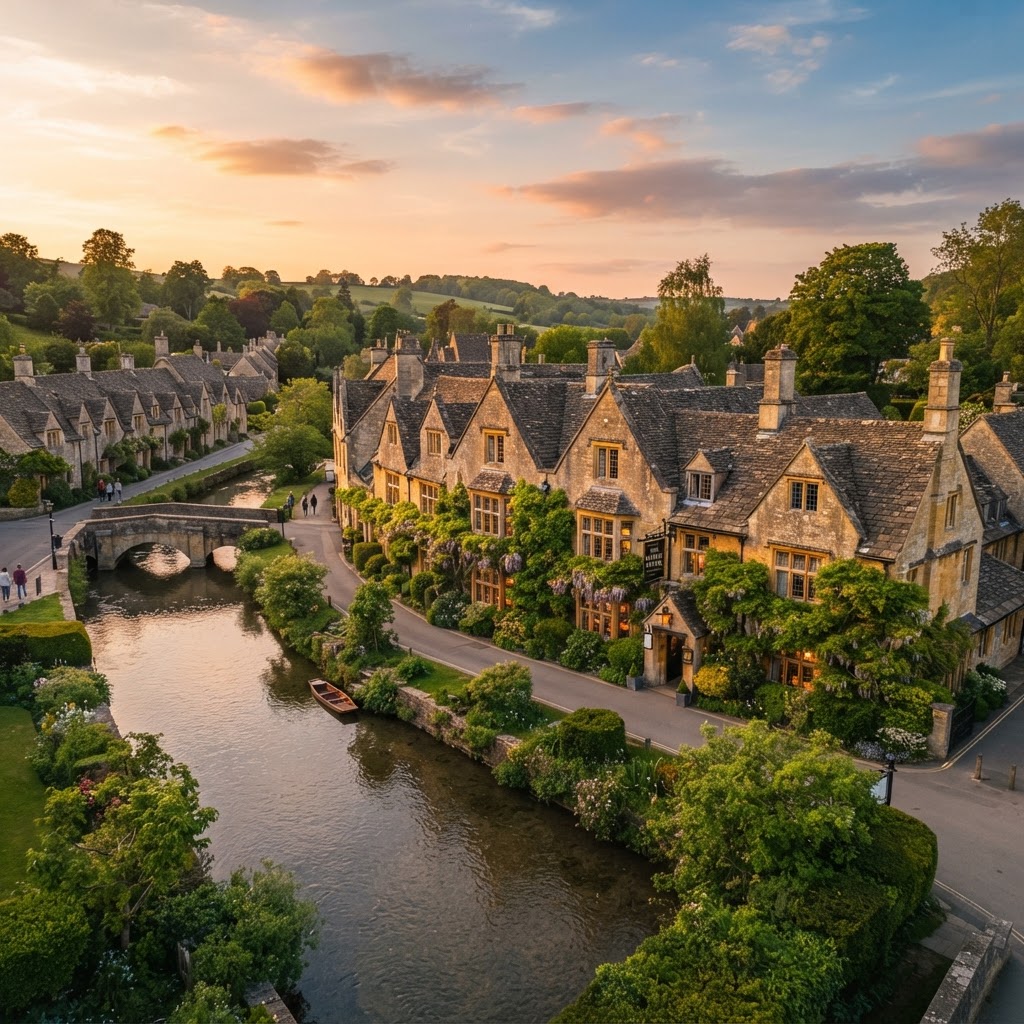
The Swan Hotel & Other Dreamy Cotswolds Stays
The best places to stay in the Cotswolds range from the historic 17th-century Swan Hotel in Bibury to luxurious estates like Lucknam Park. These properties offer a quintessential English experience, combining high-end comfort with historic architecture, locally sourced “farm-to-fork” dining, and easy access to iconic sites like Arlington Row.
The Allure of The Swan Hotel in Bibury
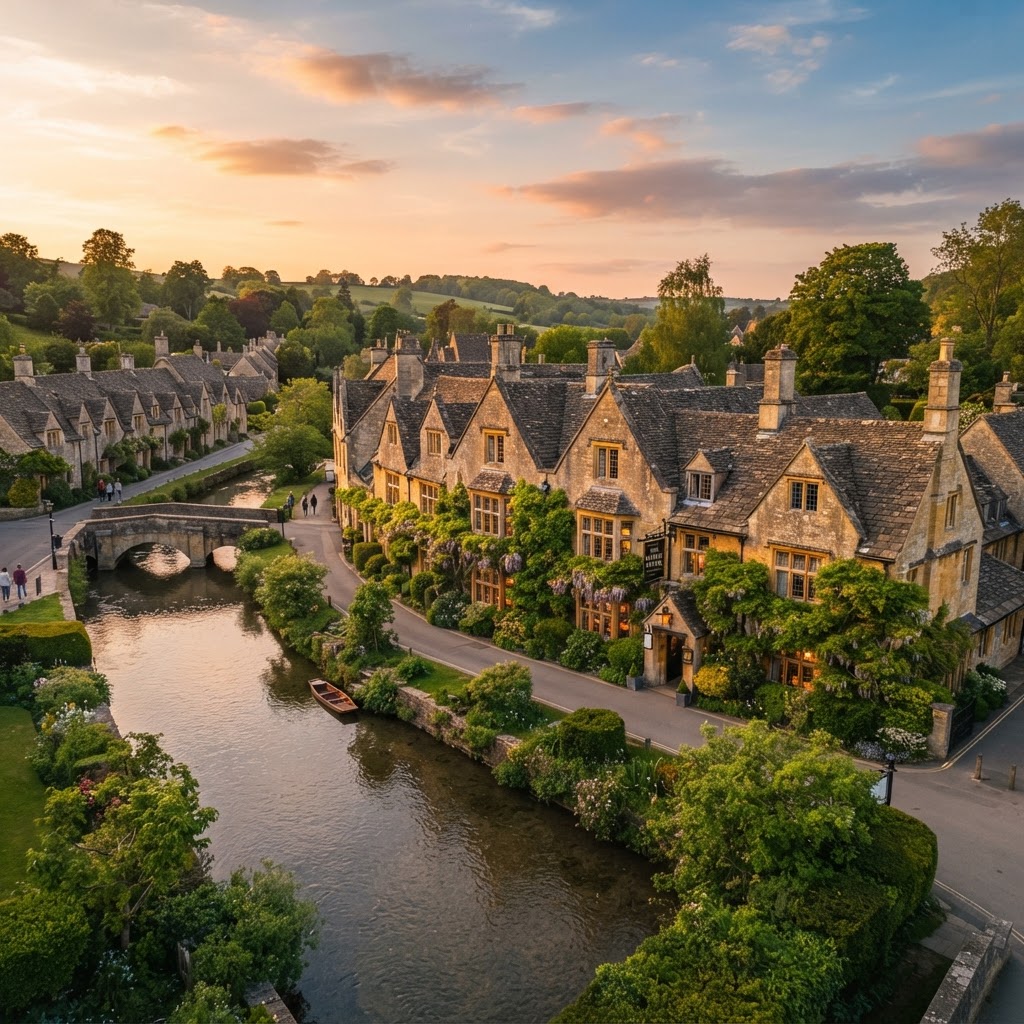
Located in the heart of Bibury, often cited as one of the most beautiful villages in England, The Swan Hotel stands as a beacon of historical charm. This former 17th-century coaching inn perfectly blends traditional stone architecture with modern, upscale amenities. Walking into the property, you are immediately struck by the warmth of the roaring fireplaces and the authentic character that defines the best luxury hotels Cotswolds visitors crave. Rates typically fluctuate between £200 and £450 per night depending on the season, reflecting its status as a premier regional destination.
Why Bibury is the Perfect Base
Staying at The Swan means you are mere steps away from Arlington Row, the iconic collection of 14th-century weaver cottages that have become a symbol of the Cotswolds. The hotel offers a serene atmosphere that makes it easy to unwind after a day of exploring the winding lanes. Guests often find that the morning air in Bibury, paired with a full English breakfast in the hotel’s conservatory, is an experience that stays with them long after they depart. Being centrally located in the South Cotswolds allows for easy day trips to Cirencester or Burford, both within a 20-minute drive.
Luxury Hotels Cotswolds: High-End Comfort
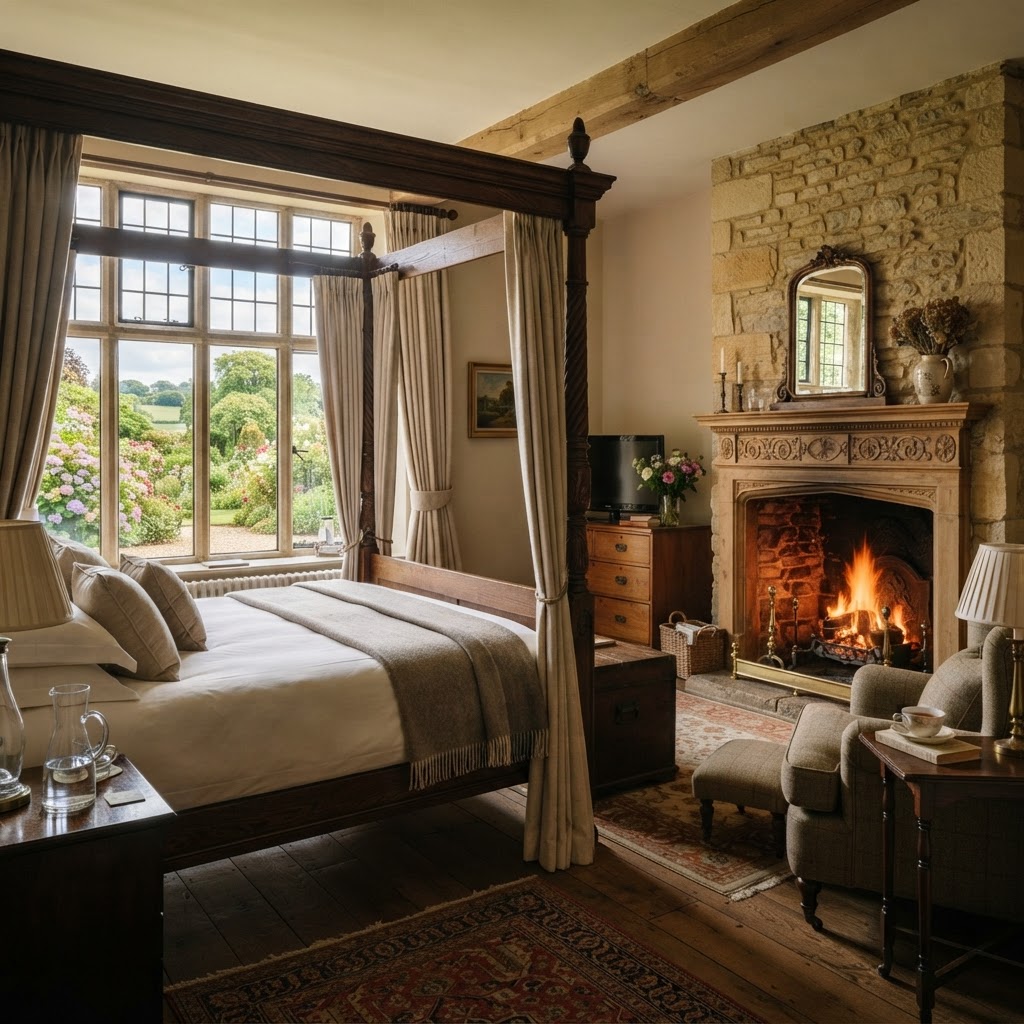
Luxury in the Cotswolds is defined by deep, historic comfort and personalized service found in restored manors and estates. Unlike urban luxury, these destinations focus on preserving original stone masonry, antique furnishings, and expansive landscaped grounds that offer guests a retreat from modern life. The service levels here are consistently top-tier, often featuring 24-hour concierge, private spa access, and award-winning dining rooms.
Where to Find Pampering
- The Lygon Arms in Broadway: A historic inn with a modern spa and a rich past that includes royal visitors.
- Dormy House Hotel: Known for its expansive spa and cozy, farmhouse-chic design, it is ideal for those wanting a wellness-focused break.
- Lucknam Park: A grand estate providing an unparalleled level of service and equestrian activities for the active traveler.
These destinations prove that Cotswolds stays can be as sophisticated as they are rustic. Choosing the right spot depends on whether you prefer the intimacy of a village inn or the grandeur of a sprawling parkland retreat.
Boutique Retreats and Hidden Gems
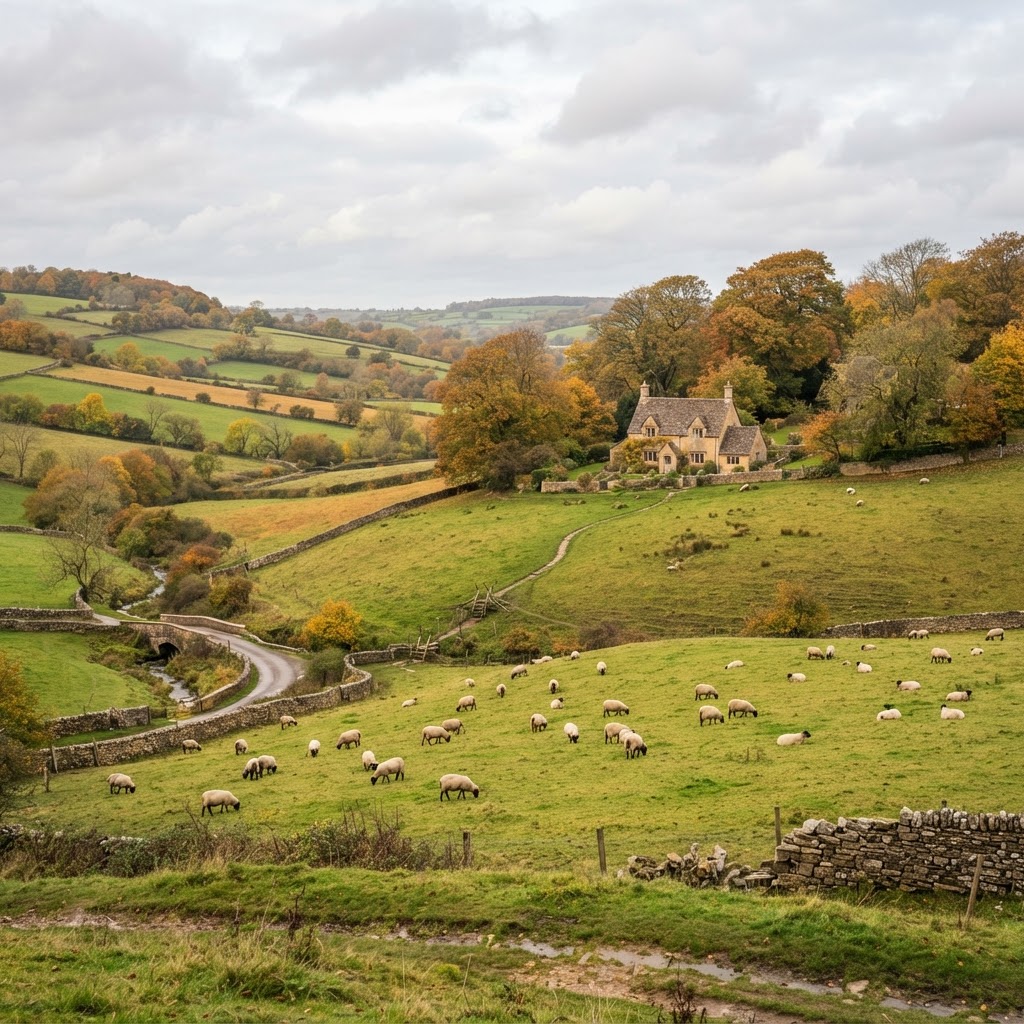
Boutique hotels in the Cotswolds provide a more intimate, personalized window into local culture, often functioning as family-run enterprises. These properties typically have fewer than 20 rooms, ensuring a quiet environment that allows guests to connect with the landscape without the crowds of larger resorts. By choosing a smaller property, you gain access to local insights, such as hidden walking paths through Gloucestershire fields or tips on which village shop stocks the best local cheddar.
Embracing the Slow Life
Staying in a boutique property encourages you to slow down by removing the distractions of large-scale resort operations. You can spend your mornings sipping locally sourced tea in a walled garden or wandering through ancient churchyards that date back to the 12th century. These dreamy Cotswolds stays are defined by their attention to detail—from the locally sourced organic soaps in the bathroom to the curated selection of regional wines at dinner that often feature vintages from nearby English vineyards.
Dining and Culinary Delights
Food is an integral part of the Cotswolds experience, with many premium stays focusing on a strict “farm-to-fork” philosophy. Gloucestershire and Oxfordshire are home to some of the finest livestock and produce in the UK, which allows local chefs to source ingredients within a 15-mile radius of their kitchens. When booking, look for establishments displaying an AA Rosette award, which indicates a higher standard of culinary execution and consistent quality.
The Gastropub Scene
Traditional gastropub culture in the Cotswolds provides an authentic dining experience that bridges the gap between casual comfort and fine dining. Many of the top hotels operate their own attached pubs where visitors can enjoy seasonal game pies, artisanal local cheeses, and craft ales. Dining in a fire-lit pub setting provides a warm, social atmosphere that is difficult to replicate in larger, more formal establishments, making it a mandatory stop for any traveler.
Planning Your Itinerary
Strategic planning is required to see the best of the region, as many visitors find success by splitting their trip between two distinct accommodation styles. Combining a stay in a bustling village like Bourton-on-the-Water with a retreat in a quieter, remote estate allows you to appreciate both the social charm and the natural tranquility of the area. Most travelers find that a 4-night itinerary is the “sweet spot” for covering both the north and south Cotswolds effectively.
Essential Travel Tips
- Visit mid-week: This is the best way to avoid the weekend crowds and often results in lower rates at the best hotels.
- Book in advance: Because the most dreamy Cotswolds stays are limited in size, they often book up 4-6 months ahead for peak periods like July and August.
- Consider a rental car: While some villages are accessible by train and bus, the real joy of the Cotswolds is the ability to drive through the smaller lanes at your own pace.
Seasonal Charm in the Cotswolds
The appeal of the Cotswolds changes with the seasons, making it a viable year-round destination depending on your weather preferences. Spring offers a 10-degree Celsius average increase from winter and vibrant floral displays, while winter provides the best value for money and a quiet, romantic atmosphere. Each season demands different packing, from rain gear in November to lightweight linens in July.
Why Winter is Underrated
Many travelers shy away from winter, but this is when the Cotswolds truly feels like a storybook. Hotel prices often drop by 20% to 30%, and you will find that the village streets are blissfully quiet. If you want to experience the true essence of English hospitality without the throngs of tourists, book a winter stay and focus on the warmth inside your hotel walls, typically featuring roaring log fires and hearty winter stews.
FAQ
What is the best time of year to visit the Cotswolds?
Late spring (May) and early autumn (September) are the best times to visit for ideal weather and fewer crowds. These shoulder seasons offer pleasant temperatures for walking and are generally easier to book than the peak summer months.
Do I need a car to visit the Cotswolds?
Yes, a rental car is highly recommended as public transportation is limited between smaller villages and rural estates. Having a vehicle allows you to explore the winding country lanes and reach hidden spots that buses or trains cannot access.
Are the Cotswolds expensive to visit?
The Cotswolds is considered a premium destination with a range of pricing to match different budgets. Luxury estates can cost upwards of £500 per night, while smaller B&Bs or village inns often provide high-quality comfort for between £150 and £250 per night.
How many days do you need in the Cotswolds?
A minimum of three to four days is recommended to see the highlights of the region without rushing. This timeframe allows you to balance visits to popular villages like Bibury and Bourton-on-the-Water with time for leisurely countryside walks and relaxed dining.
Practical Tips for Planning Your Cotswolds Escape
The Best Time to Visit
Avoid the summer crowds by visiting during the shoulder seasons of May or September. The weather remains mild, and the popular honey-colored villages feel far less congested. If you visit in late October, you get the dramatic autumnal colors, though the evenings turn chilly quite early. Always pack a sturdy pair of waterproof boots regardless of the forecast.
Getting Around Without a Car
Renting a car offers the most freedom, but narrow, winding country roads can feel daunting for international drivers. If you prefer to skip driving, focus your stay on hubs like Moreton-in-Marsh or Kemble. Both have direct train connections to London Paddington, making arrival stress-free. From these stations, you can use local taxis or the community bus services to reach your hotel.
Common Mistakes to Avoid
Many travelers try to visit five or six villages in a single day. This leaves you spending more time in traffic than actually enjoying the quiet lanes. Pick one base village and limit your sightseeing to two nearby spots per day. You will find the experience much more relaxing if you slow your pace.
Another frequent error is underestimating the lack of dining options in smaller hamlets. Most pub kitchens close by 9:00 PM on weeknights. Always book your dinner reservations at least three weeks before you arrive. If you rely on walking into a pub on a Friday night, you will likely find yourself disappointed.
How Long Should You Stay?
A weekend is enough to see the highlights, but four days is the magic number for a true break. This timeframe allows you to balance sightseeing with long, leisurely afternoons by a fireplace. You can spend two days exploring the iconic weaver cottages and gardens, then dedicate the remaining time to local hiking trails. Do not skip the Cotswold Way, even if you only walk a small three-mile segment of it.
Your Cotswolds Pre-Departure Checklist
- Book dinner reservations for every night of your stay at least three weeks in advance.
- Download offline maps since mobile phone signals often drop in the rolling valleys.
- Carry a physical umbrella; sudden showers are part of the authentic local experience.
- Confirm with your hotel if they offer luggage transfers if you plan on hiking between villages.
- Bring a power adapter if you are traveling from outside the UK to ensure your electronics remain charged.
Frequently Asked Questions
Should I stay in a large manor house or a village inn?
Choose a manor house if you want full spa facilities, afternoon tea service, and expansive private gardens. Choose a village inn if you want to walk directly from your front door into the heart of the community. Village inns provide a more intimate connection to local life, while manors offer total isolation from the outside world.
Is it worth visiting on a public holiday?
Expect significant crowds and higher prices during bank holiday weekends. If you must go during these times, avoid the most famous spots like Bibury and Bourton-on-the-Water. Opt for smaller, less-known villages like Minster Lovell or Great Tew for a quieter experience.
What is the most underrated aspect of a Cotswolds trip?
The quiet morning light is often better than the sights themselves. Wake up at sunrise to walk through the villages before the day-trippers arrive on coaches. You will have the iconic stone streets entirely to yourself, which creates the best photography opportunities of your entire trip.
Leave a Reply