
Dreamy Nordic Landscapes: An Arctic Travel Guide
Dreamy Nordic landscapes offer a transformative Arctic experience defined by glacial fjords, the Aurora Borealis, and volcanic wilderness. To visit effectively, travelers should prioritize the shoulder seasons of late autumn or early spring, pack technical cold-weather gear, and focus on sustainable, slow-travel practices that respect fragile Arctic ecosystems and local communities.
The Magic of the Aurora Borealis
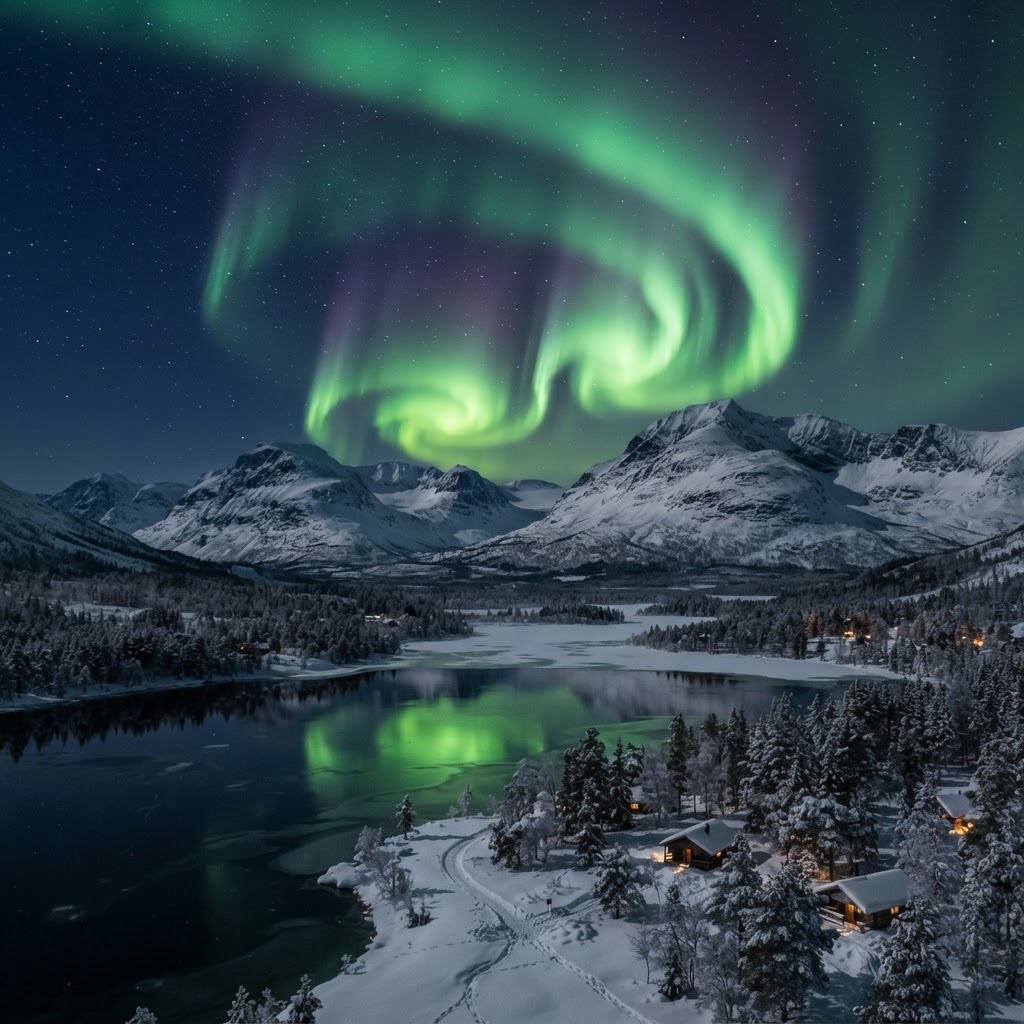
Witnessing the Aurora Borealis requires strategic timing and location selection to maximize visibility of the celestial light show. The phenomenon is best viewed between late September and late March, when extended darkness creates the necessary contrast. For optimal results, photographers should seek areas with minimal light pollution and high geomagnetic activity. Professional guided tours are highly recommended for safety and to gain access to remote, high-clearance locations that offer the most dramatic unobstructed views of the shifting greens and violets.
| Location | Best Months | Top Advantage |
|---|---|---|
| Tromsø, Norway | Oct – March | High chance of coastal Aurora |
| Abisko, Sweden | Nov – Feb | Micro-climate with clear skies |
| Icelandic Highlands | Sept – Oct | Reflection over volcanic lakes |
Best Viewing Locations
While the lights can appear across the Arctic circle, certain areas offer better infrastructure and clearer skies. Tromsø in Norway, Abisko in Sweden, and the remote reaches of Icelandic wilderness are top contenders for serious chasers. It is important to book guided excursions if you are unfamiliar with the terrain or the specific weather patterns of the Arctic.
Majestic Norwegian Fjords
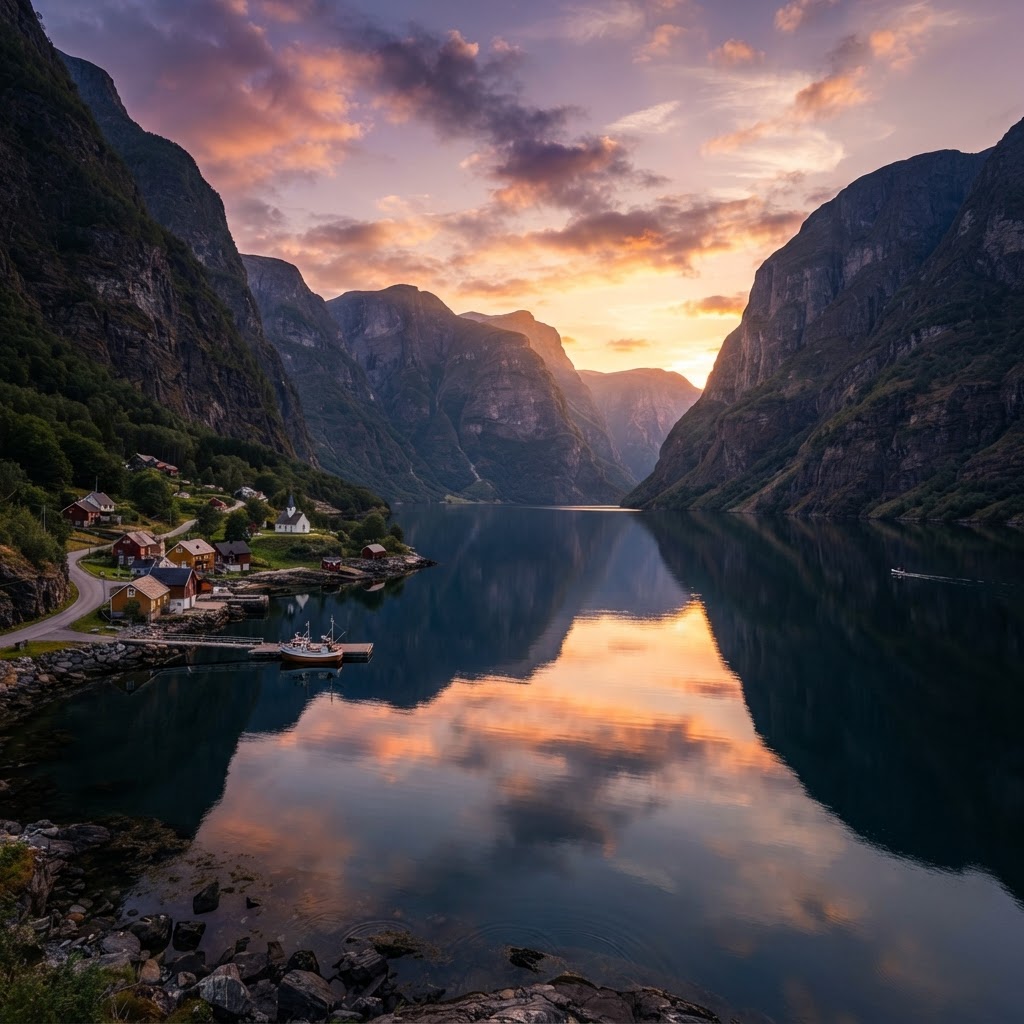
Norway’s fjords represent some of the most geologically significant U-shaped valleys on Earth, carved over millions of years by retreating glaciers. These deep-water inlets, such as Geirangerfjord and Nærøyfjord—both UNESCO World Heritage sites—are best experienced via electric ferry or high-elevation mountain hiking trails to minimize environmental impact. The cliff faces here often reach altitudes exceeding 1,000 meters, creating dramatic sheer drops into emerald water. Visitors should note that ferry traffic is heaviest in July; for a quieter experience, consider visiting in late May when waterfalls are at their peak flow from snowmelt.
The Raw Beauty of Icelandic Wilderness
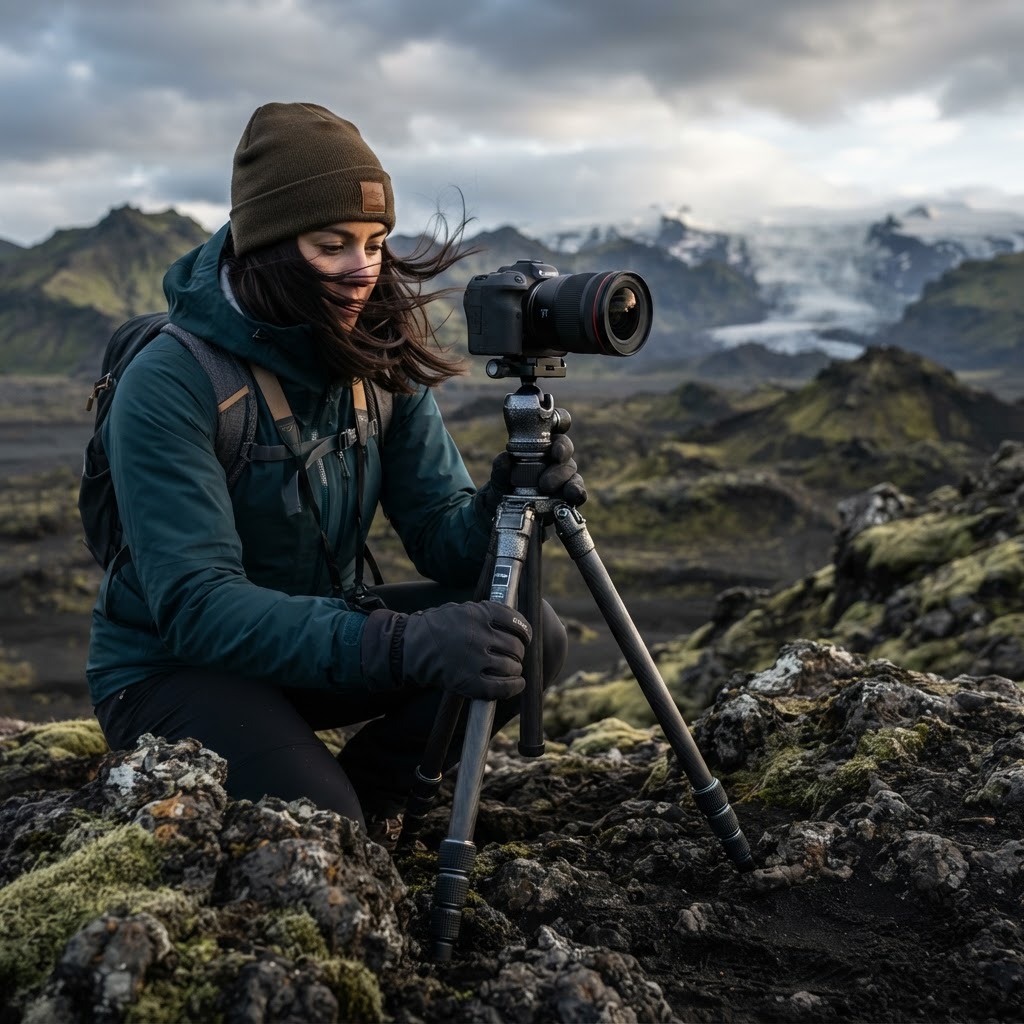
Icelandic wilderness serves as a primal laboratory of fire and ice, characterized by active volcanic systems and expansive glacier fields. Traveling the 1,332-kilometer Ring Road (Route 1) provides access to iconic sites like the Jökulsárlón glacier lagoon and Skógafoss waterfall. Because the Arctic tundra is extremely fragile, visitors must strictly adhere to marked trails. The moss in these regions can take 50 to 100 years to regenerate if damaged by off-road trampling, making strict compliance with ‘Leave No Trace’ principles essential for preserving the prehistoric aesthetic that defines the Icelandic landscape.
Essential Scandinavian Travel Tips
Preparation for the Nordic environment requires a disciplined approach to layering and power management to combat rapidly shifting weather. Temperatures can fluctuate from above freezing to -20°C in a single day, necessitating high-performance gear choices.
- Thermal base layers: Merino wool is preferred over synthetics for its natural moisture-wicking and odor-resistant properties.
- Outer shells: Gore-Tex or similar windproof, waterproof membranes are required for Arctic winds.
- Footwear: Crampons or high-traction hiking boots are essential for icy patches found even on marked trails.
- Power: Cold-weather lithium-ion batteries lose 20-40% of their capacity in sub-zero temperatures; store spare batteries in inner jacket pockets.
Sustainable travel in Scandinavia also means supporting local economies. Choose locally-owned guesthouses and tour operators to ensure your tourism spend directly benefits the communities you visit. Furthermore, always pack out what you pack in, leaving no trace behind in these pristine wilderness areas.
Capturing the North: Photography Advice
Nordic nature photography is defined by the unique ‘golden hour’ that can last for several hours during the low-sun winter months, providing soft, diffused light perfect for mountain textures. To succeed, photographers must utilize heavy-duty tripods capable of withstanding 50km/h Arctic winds. For long-exposure Aurora photography, set your lens to its widest aperture (f/2.8 or lower) and keep your ISO between 800 and 3200 depending on the intensity of the solar activity. Always carry extra memory cards, as condensation can occur when moving gear between extreme temperature differentials.
Embracing the Arctic Lifestyle
To truly understand the region, one must embrace the local way of life. In Sweden, this involves ‘fika,’ or the practice of taking a break with coffee and a treat. In Norway, it is ‘friluftsliv,’ which translates to ‘open-air living.’ Adopting these local philosophies will enrich your travel experience, helping you slow down and appreciate the quiet majesty of your surroundings rather than simply ticking locations off a checklist.
FAQ
What is the best time of year to see the Northern Lights?
The best time to see the Aurora Borealis is between late September and late March. During this period, the nights are sufficiently dark and solar activity is generally high enough to provide frequent displays across the Arctic Circle.
Is it expensive to travel in Scandinavia?
Yes, travel in Scandinavia is generally considered high-budget, with daily costs often ranging from $150 to $300 USD per person. You can mitigate costs by utilizing local grocery stores for meals, booking guesthouses with kitchens, and using public transportation systems like the extensive rail networks.
Do I need special gear for an Arctic winter?
You need technical, non-cotton base layers and a high-quality, windproof outer shell to handle the extreme Arctic weather. Always carry insulated footwear and reliable power banks, as cold temperatures cause standard lithium batteries to drain up to 40% faster than usual.
What does “friluftsliv” mean for travelers?
Friluftsliv refers to the Nordic philosophy of “open-air living” and spending time in nature regardless of the weather. As a traveler, this means prioritizing outdoor excursions and slow-paced exploration rather than rushing between indoor attractions.
How can I practice sustainable travel in the Arctic?
Practice sustainability by staying on marked trails, choosing locally-owned accommodations, and removing all physical waste from wilderness areas. Supporting local tour operators ensures that your tourism revenue directly contributes to the preservation of the delicate Arctic environment you are visiting.
Leave a Reply