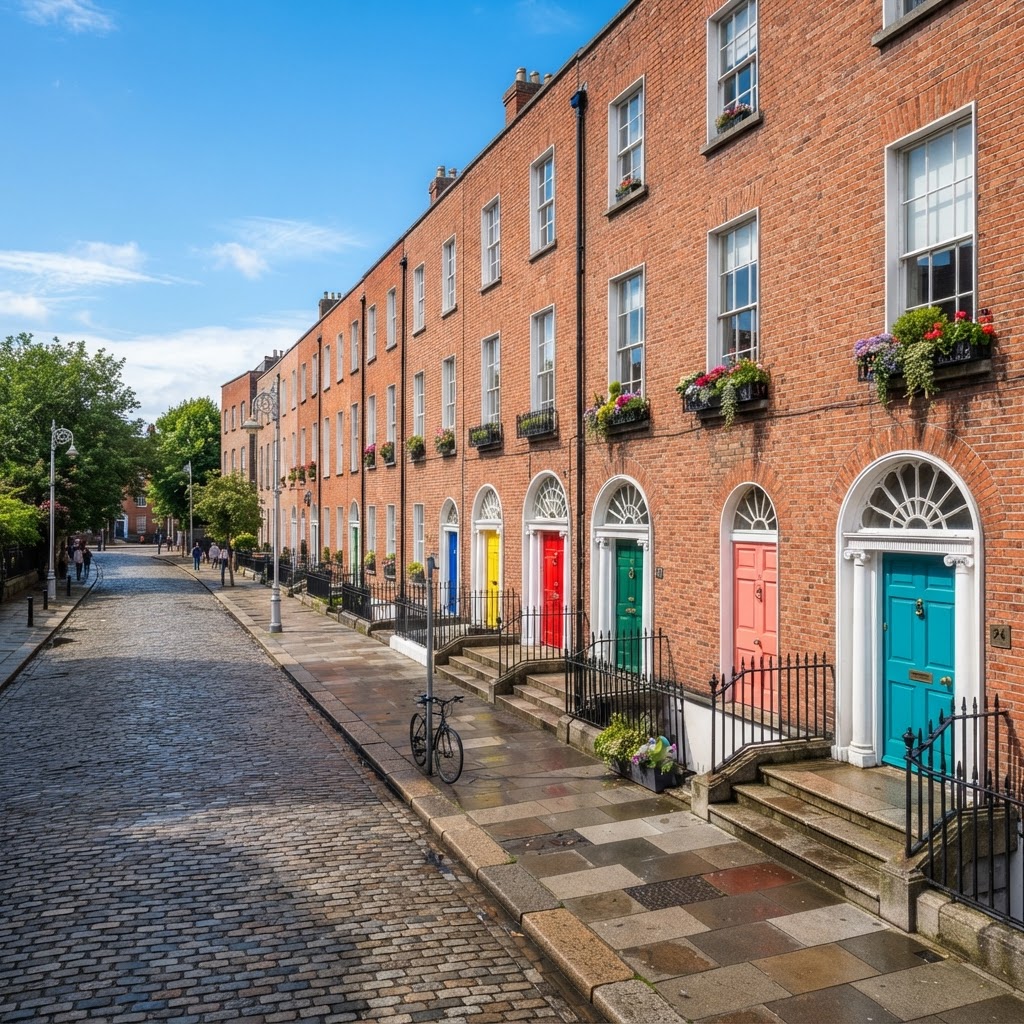
A Dublin city break offers the perfect fusion of historical exploration and modern-day treasure hunting. Travelers can immerse themselves in the city’s famous Georgian architecture while browsing an eclectic array of vintage shops that define Dublin’s unique character. By blending these two experiences, you gain an authentic look at the capital’s evolving cultural narrative.
The Charm of Georgian Dublin’s Architecture
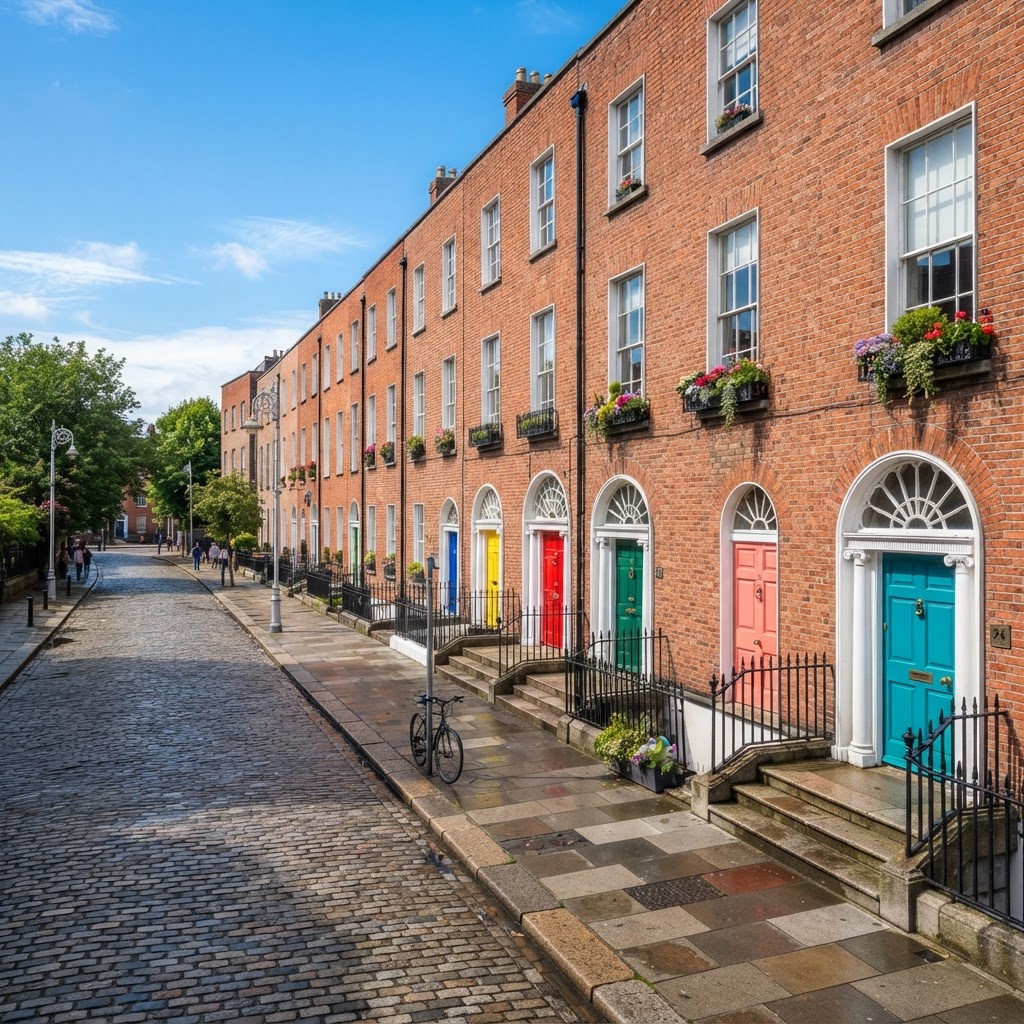
Dublin is globally renowned for its impeccably preserved Georgian architecture, which provides a stunning backdrop for any walking tour. The city’s golden age in the 18th century left behind iconic red-brick townhouses characterized by their symmetrical facades and vibrant, multicolored doors. These structures are not merely aesthetic; they represent the wealth and ambition of a city that once stood as the second-largest in the British Empire.
The Iconic Squares
To truly appreciate the scale of this architectural heritage, start by visiting the major garden squares. Merrion Square, Fitzwilliam Square, and St. Stephen’s Green are surrounded by high-stoop houses that capture the essence of the period. Walking these streets feels like stepping back in time, away from the frantic pace of modern life.
The Significance of the Dublin Door
One cannot discuss local design without mentioning the famous Dublin doors. These vibrant portals were reportedly painted in bright colors during the 19th century to help inhabitants recognize their homes during thick fog. Today, they remain a symbol of the city’s personality and a favorite subject for photographers and architecture enthusiasts alike.
Uncovering Dublin’s Best Vintage Shops
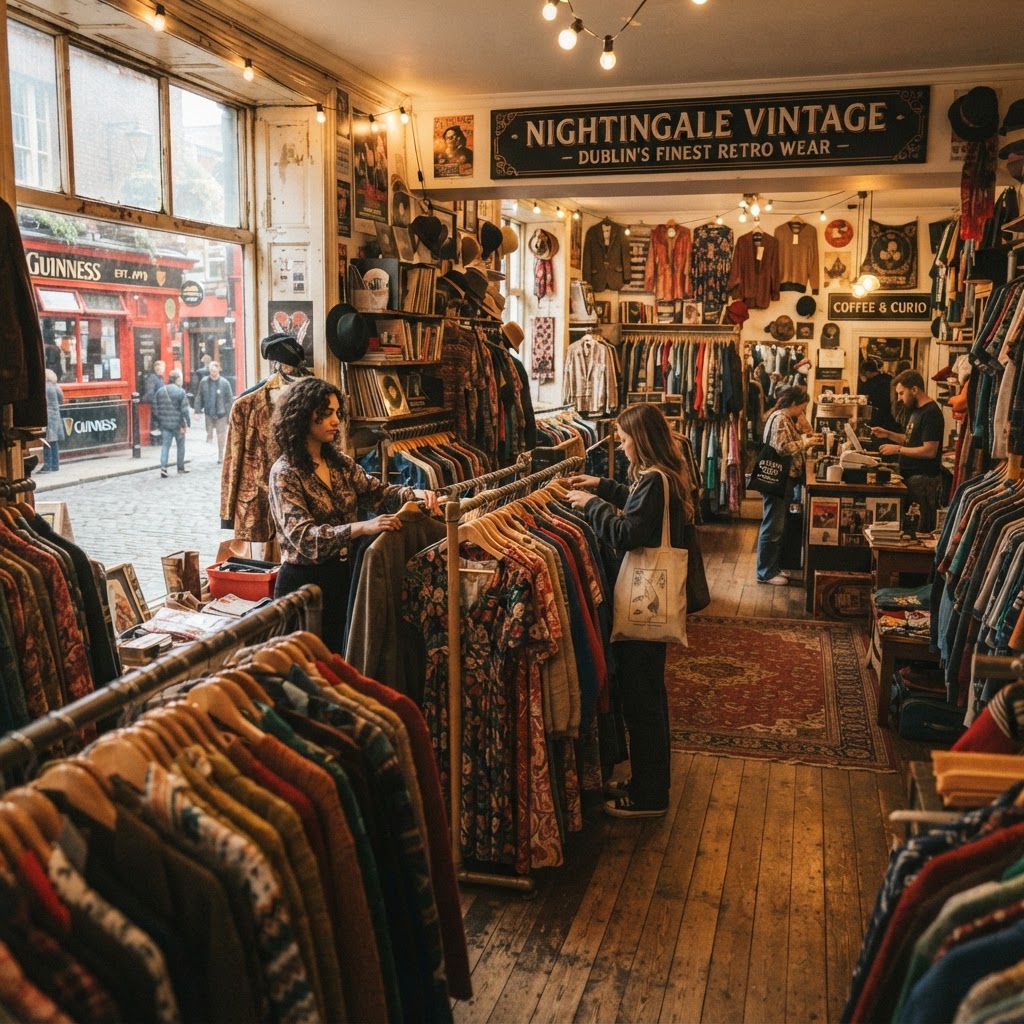
Dublin’s vintage scene is a thriving ecosystem of sustainable fashion and hidden retro treasures scattered across the city center. Exploring these boutiques is a core component of a memorable Dublin city break for those who love high-quality, pre-loved garments. Unlike mass-market retail, these shops offer a tactile history of Irish style, spanning from 1950s workwear to 1990s streetwear.
Top Picks for Vintage Lovers
- Nine Crows: Renowned for their curated selection of retro streetwear and reworked pieces.
- Tola Vintage: A haven for those seeking high-quality denim and unique leather jackets.
- Siopaella: An upscale designer resale boutique that makes luxury accessible to the vintage enthusiast.
Whether you are hunting for an original 1970s wool coat or a piece of quirky costume jewelry, these shops provide a unique retail experience that connects you directly to the local creative community.
Architectural Evolution: From Medieval to Modern
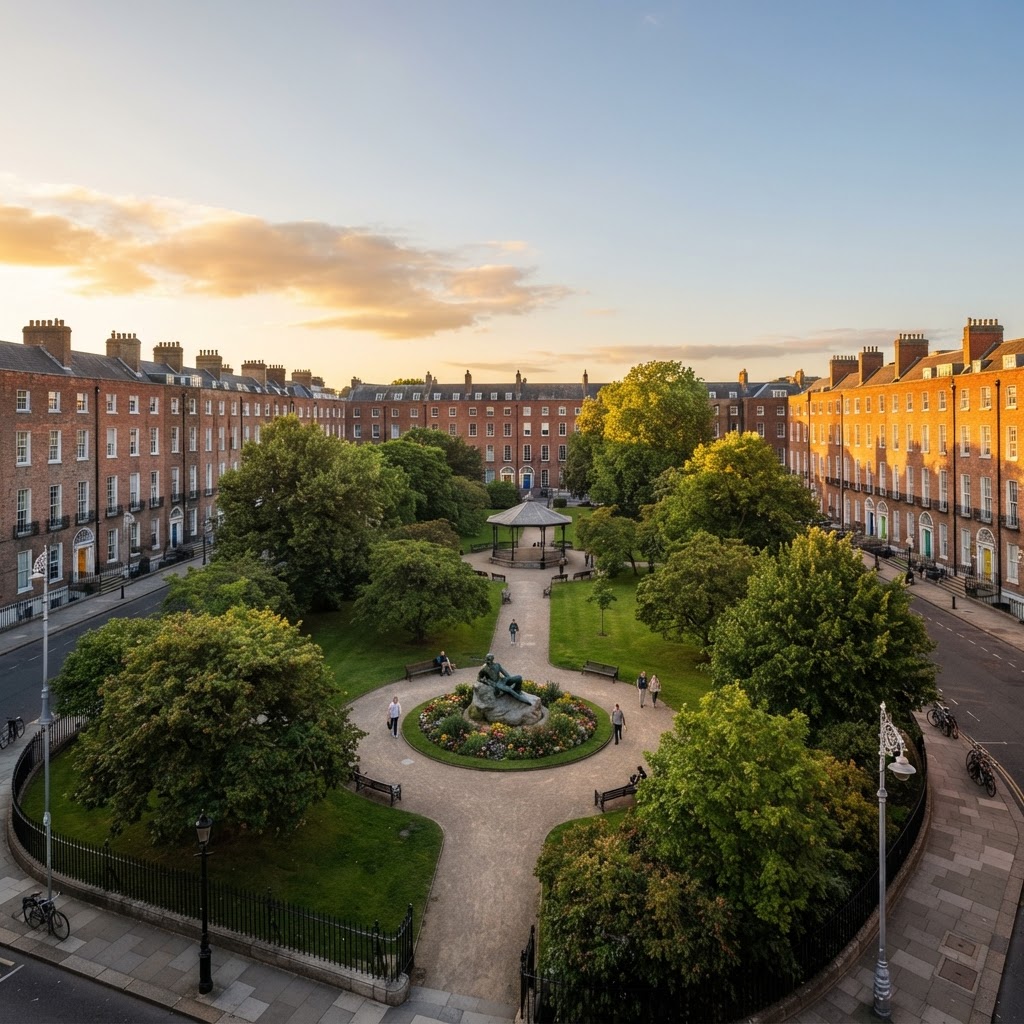
While Georgian design dominates the landscape, Dublin’s architecture tells a complex story that stretches back over a thousand years. The city’s timeline is marked by layers of development, from the cramped, winding streets of the medieval quarter to the imposing neoclassical structures of the Victorian era.
Comparing Historical Eras
Understanding the architectural shifts helps visitors better appreciate why certain parts of the city look so distinct from others. The following table provides a quick reference to the prominent architectural styles you will encounter on your journey.
Walking the Historic Streets of Temple Bar
Temple Bar is famous for its vibrant nightlife, but its architectural bones are equally worthy of exploration during quieter morning hours. This district is one of the few remaining areas with a medieval street pattern, featuring narrow cobblestone lanes that were saved from planned demolition in the late 20th century. While it has become a major tourist hub, looking past the crowded pubs reveals fascinating remnants of the city’s mercantile past, including warehouses that have been repurposed into art galleries and cultural centers.
Hidden Gems: The Lesser-Known Architectural Spots
Beyond the well-trodden paths of Trinity College and the GPO lie architectural marvels often ignored by the average visitor. Exploring these locations allows you to see the true diversity of local design, ranging from hidden gothic chapels to modern industrial conversions.
The Marsh’s Library Experience
Marsh’s Library, located behind St. Patrick’s Cathedral, is a time capsule that has remained largely unchanged since its opening in 1701. The dark oak bookcases and wire cages that protect the rare manuscripts offer a unique atmosphere of academic tranquility. It is one of the most underrated stops for anyone interested in historical interiors and book culture.
Sustainable Fashion and Ethical Consumption
Modern Dublin is at the forefront of the sustainable fashion movement, with many vintage stores acting as community hubs for eco-conscious shoppers. During your Dublin city break, you will notice a distinct lack of fast-fashion dominance in the independent shopping districts, which are instead filled with upcycled goods. Supporting these businesses is not just about finding a one-of-a-kind garment; it is an act of supporting local entrepreneurs who value quality over quantity.
FAQ
Where is the best area for vintage shopping in Dublin?
The area surrounding Temple Bar and the Creative Quarter near South William Street is the best place to find top-tier vintage shops. These streets are densely packed with independent boutiques that specialize in everything from 1950s dresses to modern designer resale.
What is the most famous example of Georgian architecture in the city?
Merrion Square is widely considered the most iconic example of Georgian architecture in Dublin. The square features a complete set of grand red-brick townhouses that perfectly showcase the symmetry and detail of the 18th-century design period.
Is Dublin a walkable city for architecture tours?
Dublin is exceptionally walkable, making it ideal for self-guided architecture tours that take you from the medieval center to the Georgian squares. Most major landmarks are within a 20-minute walk of each other, allowing you to see a vast range of history in just one afternoon.
How has Dublin’s architecture changed over time?
Dublin’s architecture has evolved from a small medieval settlement with stone walls into a sprawling colonial hub with elegant Georgian squares and later, grand Victorian neoclassical buildings. Each era has left distinct physical markers that still dictate the city’s current layout and visual appeal.
Conclusion
Planning a Dublin city break allows you to peel back the layers of a capital that honors its past while maintaining a vibrant, creative energy. From the silent, dust-filled aisles of ancient libraries to the racks of curated vintage clothing, the city offers endless discovery. Book your next trip to Dublin today to witness these historical gems firsthand and find your own piece of Irish history. Don’t forget to pack comfortable walking shoes and an extra bag for your vintage finds!
Leave a Reply