How to Experience the Real English Countryside Without a Car
Experience the English countryside without a car by leveraging the UK’s comprehensive rail network, local bus services, and the extensive network of public footpaths. By basing yourself in well-connected market towns like Keswick or Moreton-in-Marsh, you can reach rural trailheads and historic villages using regional transit, which reduces your carbon footprint while offering a more immersive, authentic travel experience.
The Strategic Advantage of Rail Travel
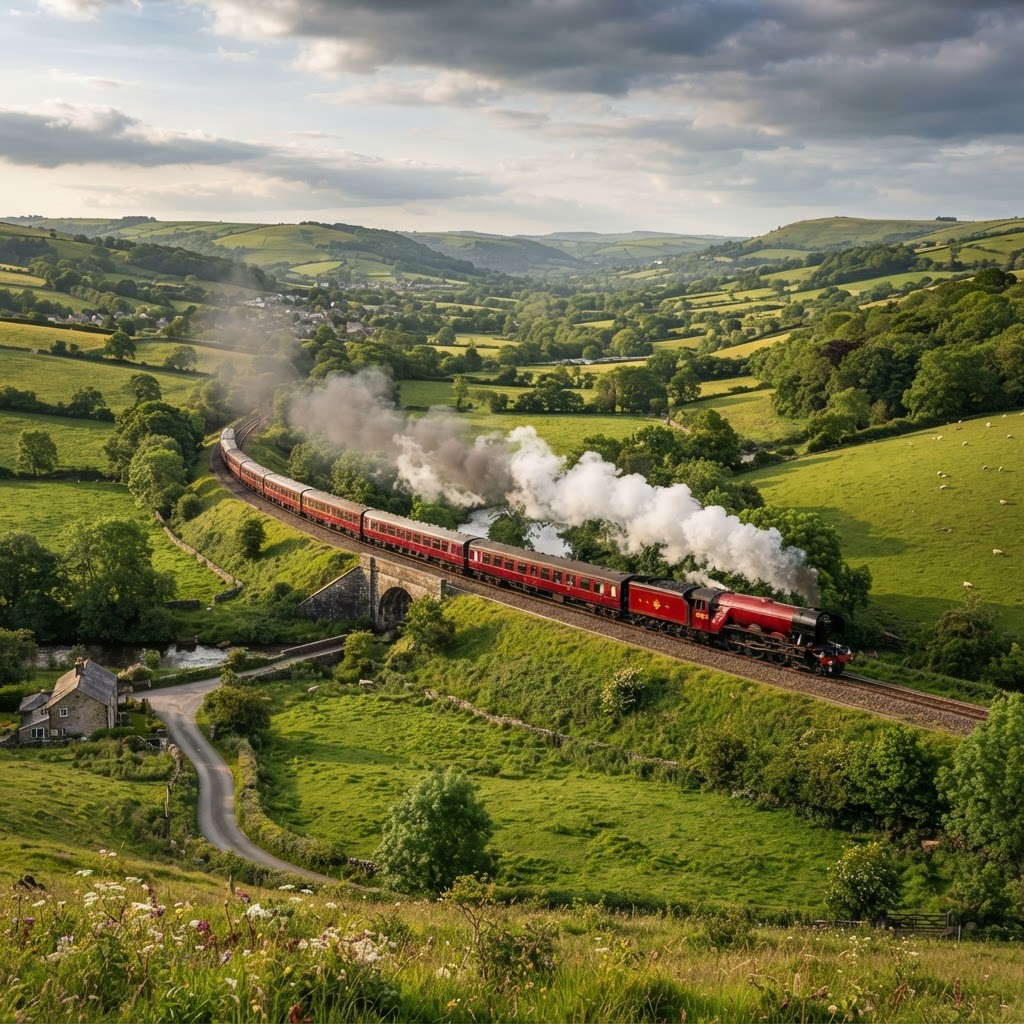
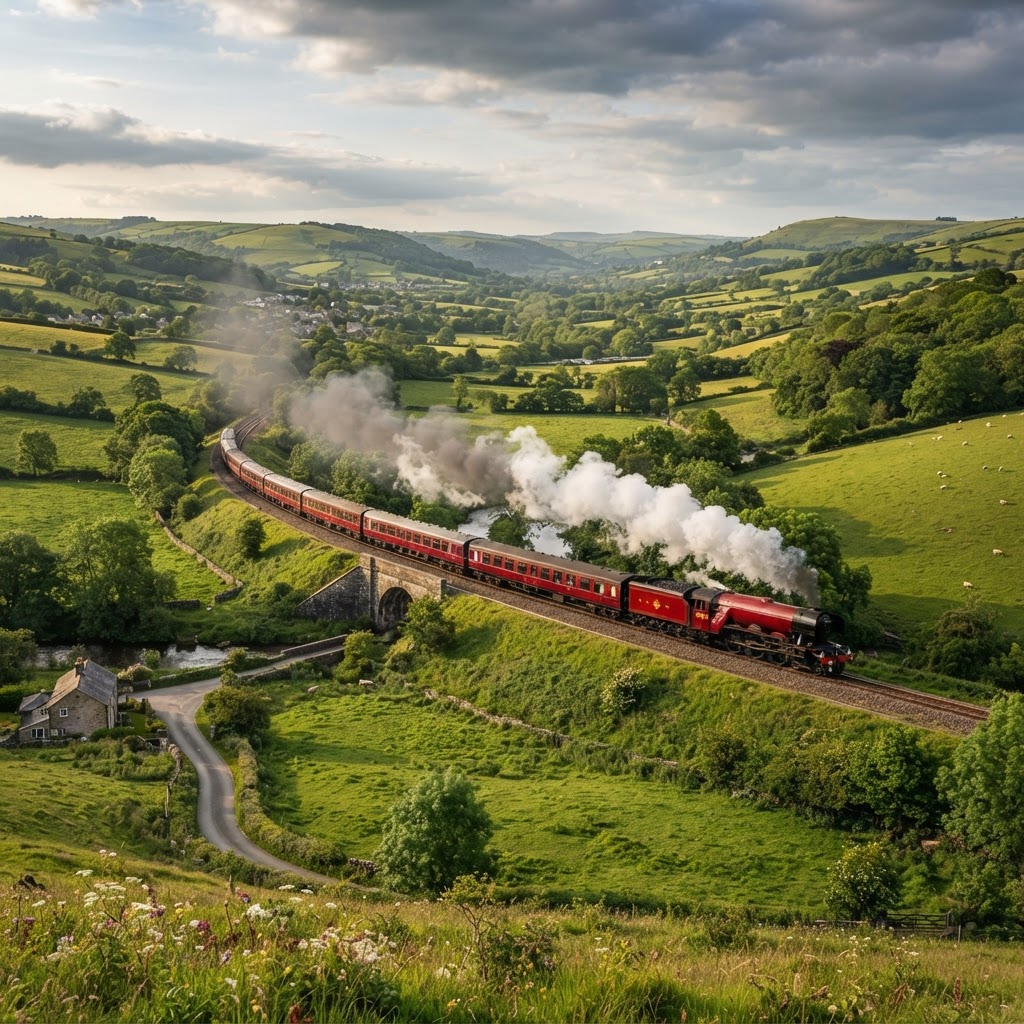
Britain’s rail network provides the most efficient and scenic entry point for car-free travel, often traversing protected landscapes that are inaccessible by major highways. Utilizing the train allows travelers to bypass the logistical burden of renting a vehicle and navigating narrow, winding country roads. For instance, traveling by rail reduces your carbon emissions by approximately 80% compared to driving a private petrol car. When planning, travelers should utilize a BritRail Pass for unlimited travel across the National Rail network, which typically provides savings of 20-30% for those taking more than three long-distance journeys. To capture the lowest fares, always book ‘Advance’ tickets online 8 to 12 weeks before your departure date, as prices can fluctuate by up to 50% closer to the travel window. The Settle to Carlisle line remains a premier choice, showcasing 72 miles of the Yorkshire Dales and Eden Valley, featuring 20 viaducts and 14 tunnels that offer views entirely hidden from motorists. By treating the rail journey as a destination rather than a chore, travelers can enjoy a cinematic, stress-free passage through England’s most rugged terrains.
Choosing the Right Rail Pass
If you plan to visit multiple regions, look into a BritRail Pass. These passes allow for unlimited travel within a set period, which is often significantly cheaper than purchasing individual point-to-point tickets on the day of travel. Always aim to book ‘Advance’ tickets online at least 8 to 12 weeks ahead of your trip to secure the lowest fares.
Scenic Routes That Double as Destinations
The Settle to Carlisle line is widely considered one of the most scenic rail journeys in England. Passing through the Yorkshire Dales and the Eden Valley, this route offers views of viaducts and desolate moorlands that are difficult to appreciate from behind the wheel of a car. When the journey is this beautiful, the train becomes a destination in its own right.
Mastering the Local Bus Network
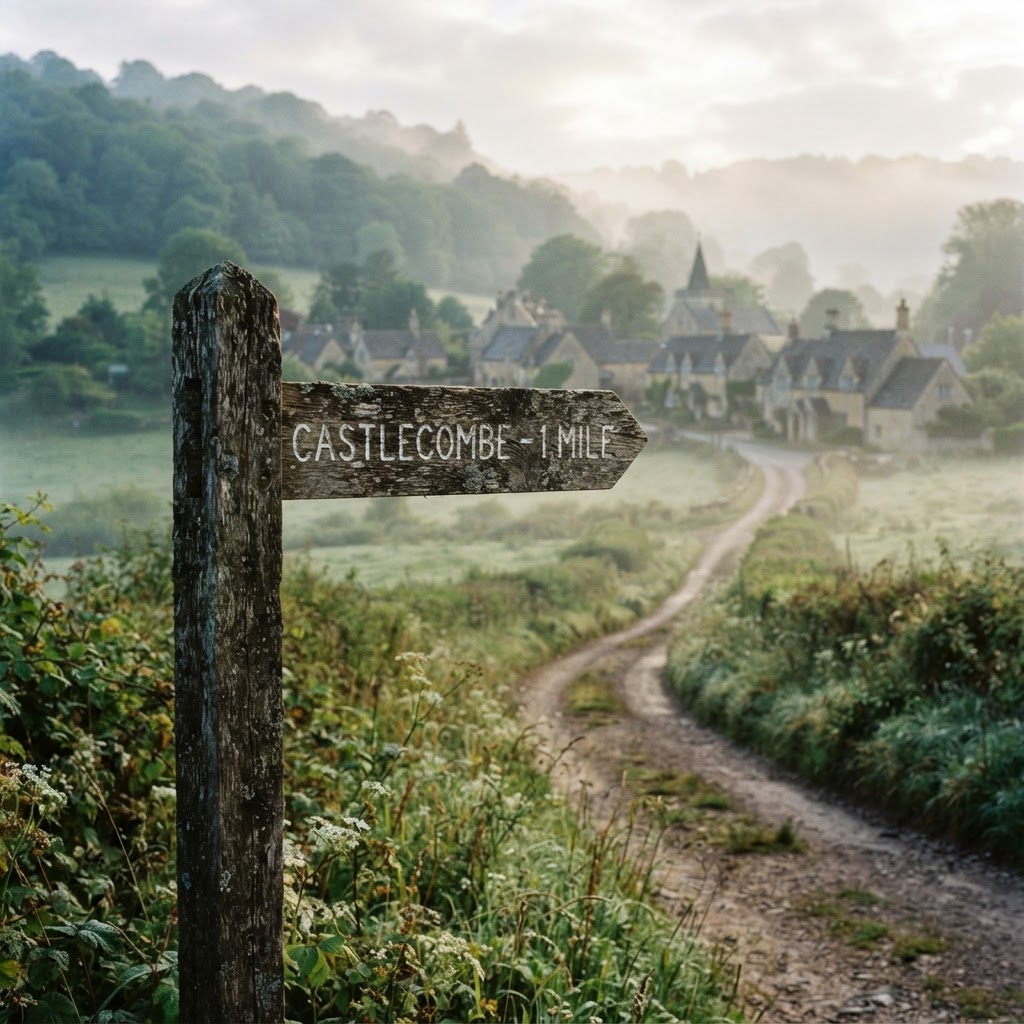
The local bus network serves as the crucial ‘last mile’ connector for rural villages that lack train stations. While these services operate on a less frequent schedule than urban lines—often once every two hours—they provide reliable access to remote trailheads and protected historic sites. To effectively navigate these systems, travelers must move beyond general map applications and use the ‘Traveline’ website, which aggregates regional transport data including local authority routes. A key strategic move is to book accommodation in ‘gateway’ market towns like Moreton-in-Marsh or Keswick; these hubs act as central spokes with daily bus links to smaller hamlets. It is critical to note that Sunday service frequency in rural areas can drop by 60% compared to weekdays, so checking the ‘National Public Transport Access Node’ (NaPTAN) data or local council timetables is mandatory before departure. When relying on buses, carrying a physical copy of the timetable or a screenshot of the digital schedule prevents issues in areas with limited mobile data coverage. By mastering these connections, you can reach destinations like the heart of the Lake District or the Cotswolds without ever needing a steering wheel.
How to Research Rural Bus Timetables
Do not rely solely on generic map apps, which can sometimes fail to update with rural bus schedules. Instead, visit the local council’s website or the regional transport operator’s portal. Sites like ‘Traveline’ are incredibly useful for planning connections between trains and regional buses. Always double-check if a service runs on Sundays, as rural bus frequency often drops significantly over the weekend.
Making the Most of Village Connectivity
Stay in a central market town like Moreton-in-Marsh or Keswick. These towns act as hubs with reliable bus links radiating outward to smaller hamlets. By basing yourself in a well-connected town, you can take day trips into the deep countryside and return to your comfortable base each evening.
Walking as a Primary Mode of Transport
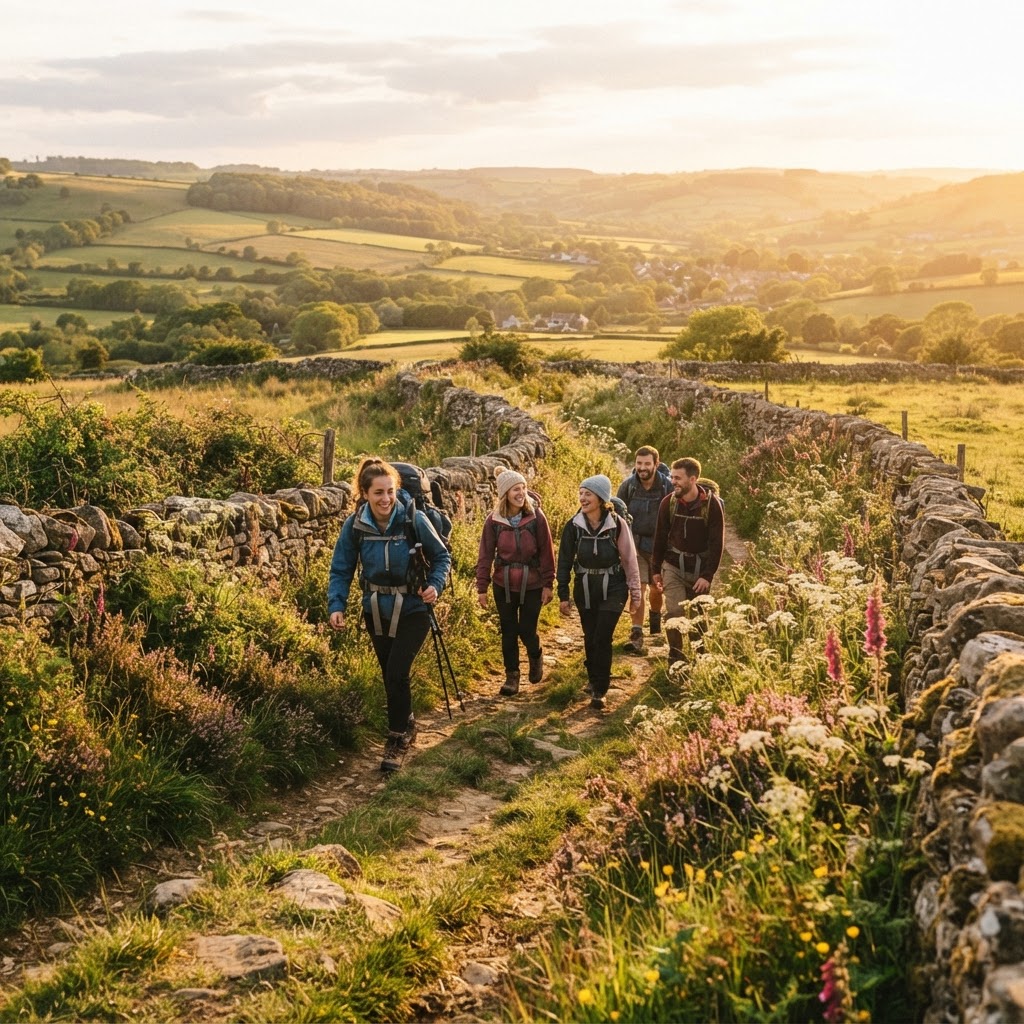
England’s Public Rights of Way (PRoW) network consists of over 140,000 miles of paths, legally allowing hikers to traverse private farmland and designated green spaces. This infrastructure makes walking a highly practical, rather than just recreational, mode of transport for travelers moving between villages. To navigate these paths successfully, use an official Ordnance Survey (OS) map, specifically the ‘Explorer’ series at 1:25,000 scale, which displays every stile, gate, and parish boundary. Digital integration is possible through the OS Maps app, which allows for precise route planning between public transport nodes. The ‘village-to-village’ hiking model is particularly effective, allowing you to walk 4 to 8 miles between settlements, which takes roughly 2 to 4 hours at a moderate pace. This method ensures you arrive at rural pubs or historic sites during their peak operating hours while bypassing the traffic congestion found on narrow B-roads. By focusing on these established walking corridors, you experience ecological details like local wildflower species and historical stone architectural features that are completely invisible from a moving vehicle, fundamentally changing your connection to the British landscape.
Planning Your Routes
Invest in an Ordnance Survey (OS) map. These are the gold standard for hiking in the UK, showing every fence, gate, and contour line. Digital versions like the OS Maps app allow you to plot routes between train stations or bus stops, ensuring you know exactly how many miles you are trekking before reaching civilization again.
The Joy of the ‘Village-to-Village’ Hike
There is nothing quite like starting your morning in one village, walking through rolling farmland for three hours, and arriving in a neighboring village just in time for a hearty pub lunch. This pace allows you to notice the wildflowers, the architectural details of ancient stone walls, and the local wildlife that a car passenger would miss entirely.
Where to Stay for Maximum Accessibility
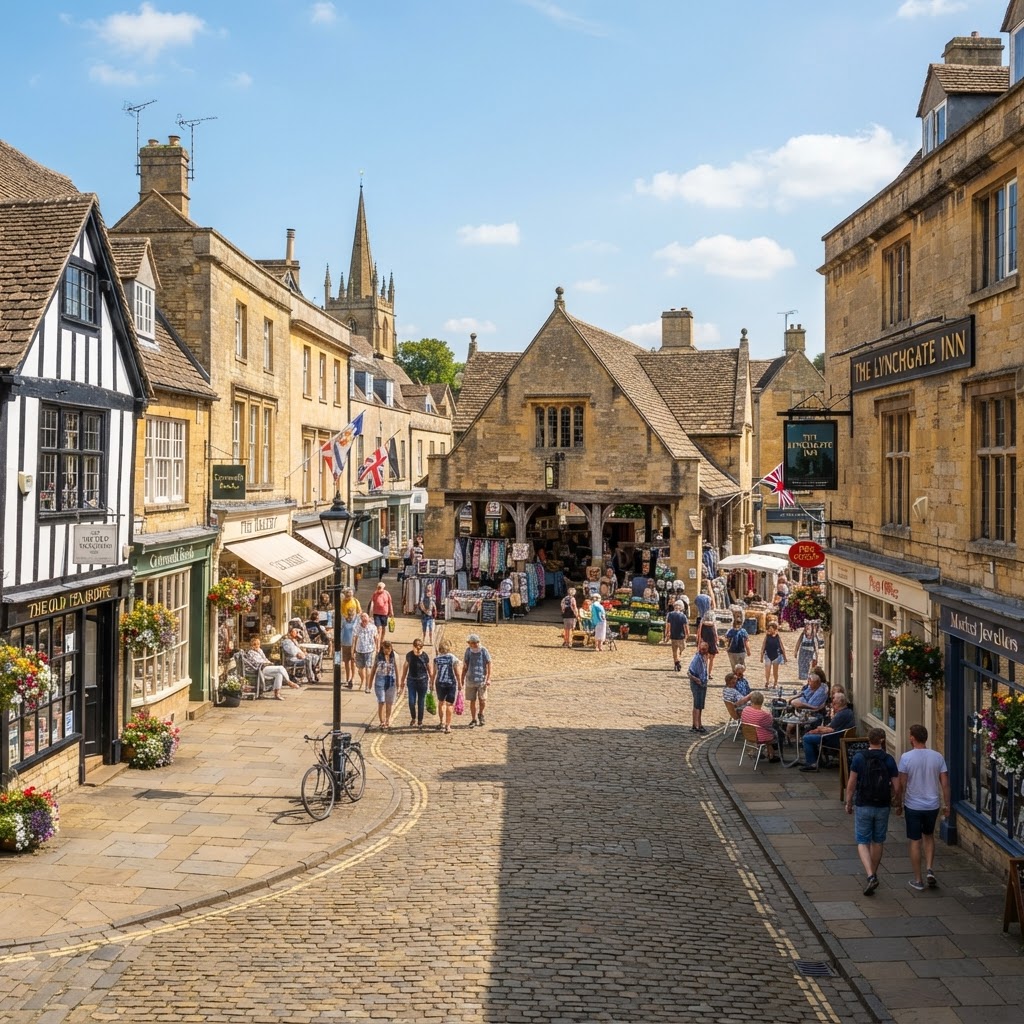
Selecting a base for a car-free holiday requires prioritizing proximity to regional transport nodes, specifically train stations or primary bus interchanges. While picturesque, secluded cottages often require a 5-to-10-mile trek if they are not serviced by local transit, making them impractical for travelers without personal transport. Instead, focus on market towns with a population density that supports independent amenities, such as grocers and bakeries, within a 15-minute walking radius of your accommodation. Boutique guesthouses in these hubs are increasingly catering to ‘slow travel’ tourists, often providing specialized information on local taxi services, which act as the final bridge for gaps in rural public transport. Researching local taxi firms in advance—and booking them 24 hours prior—is essential, as rural areas lack the ‘on-demand’ ride-sharing infrastructure seen in major cities. A well-chosen town base allows you to store your main luggage safely while embarking on day trips with just a daypack. Always confirm if your accommodation is within a 1-mile walk of a transport link; any distance beyond this often necessitates a pre-arranged transfer.
Market Towns vs. Secluded Cottages
While a secluded cottage in the middle of nowhere sounds romantic, it is often a nightmare to reach without a vehicle. Instead, opt for a boutique guesthouse in a market town. These towns usually feature independent bakeries, local markets, and easy access to public transport, ensuring you have everything you need without needing a car.
Finding Transport-Friendly Accommodations
Many hotels and B&Bs in the countryside are becoming increasingly aware of the growing number of car-free travelers. When booking, check if the property offers local shuttle services or if they can recommend reliable local taxi firms for those last-mile connections where public transport might be thin.
Essential Tips for the Car-Free Traveler
Preparation is the difference between a frustrating trip and a magical one. When you aren’t driving, you are at the mercy of schedules, so flexibility and a good supply of snacks are your best friends.
Pack Lightly
Since you will be moving between train stations and potentially walking to your final destination, packing light is crucial. A single, high-quality backpack is much easier to manage on a bus or a train than a large suitcase. If you have bulky gear, look into local ‘luggage transfer’ services that specialize in moving bags between accommodations for hikers.
Embrace the ‘Local’ Pace
Traveling without a car forces you to slow down. If you miss a bus, don’t stress. Use the extra hour to sit in the local churchyard, browse a village bookstore, or enjoy a pint in the sun. The English countryside rewards those who are willing to linger.
Use Local Taxi Services for Last-Mile Gaps
There will be occasions when a train station is four miles away from your accommodation and there is no bus. In these cases, research and book a local taxi in advance. It is often cheaper than a rental car and saves you the stress of navigating rural roads.
The Economic and Environmental Benefits
Beyond the convenience, choosing to travel without a car is an inherently sustainable way to see Britain. By utilizing public transport, you are reducing your carbon footprint significantly compared to car travel. Furthermore, you end up spending your money directly within the communities you visit, often purchasing food and services from local providers rather than large highway petrol stations or chain restaurants.
FAQ
Q: Can I really see the best parts of the English countryside without a car?
Yes, you can access nearly all major English National Parks and scenic regions using a combination of national rail and local bus services. In many cases, these transport links lead directly to popular trailheads and historic village centers that are difficult for car drivers to park near.
Q: How much money can I save by skipping a car rental?
Travelers save an average of £40–£80 per day by avoiding car rental fees, fuel costs, and daily parking charges. Utilizing advance rail tickets and regional bus passes allows this budget to be redirected into local dining and boutique accommodation experiences.
Q: What is the best app for planning rural UK travel?
‘Traveline’ is the most accurate tool for planning rural bus and train connections throughout England. While Google Maps is useful, it occasionally fails to update rural bus schedules that change seasonally; therefore, cross-referencing with the local council website is highly recommended.
Q: How do I handle luggage while moving between villages?
Many rural regions offer professional ‘luggage transfer’ services specifically for hikers moving between B&Bs. If these are unavailable, pack light by using a single 30-40 liter backpack, which ensures you remain mobile enough to navigate train stations and bus connections without difficulty.
Q: Are rural buses reliable on weekends?
Rural bus service frequency often decreases by 50-60% on Sundays compared to the Monday-through-Friday schedule. Always verify the specific weekend timetable on the local council or transport operator’s website before planning a trip on a Sunday to avoid being stranded.
Leave a Reply