
For many travelers, the dream of exploring the rolling hills and stone villages of Britain is often tethered to the belief that one must rent a vehicle. In reality, you can easily explore the English countryside without a car by leveraging the comprehensive National Rail network, regional bus services, and extensive public ‘Rights of Way’ walking paths. This car-free approach not only reduces your carbon footprint but allows for a deeper, slower immersion into the landscape, offering vistas unreachable by main roads.
The Strategic Advantage of Rail Travel
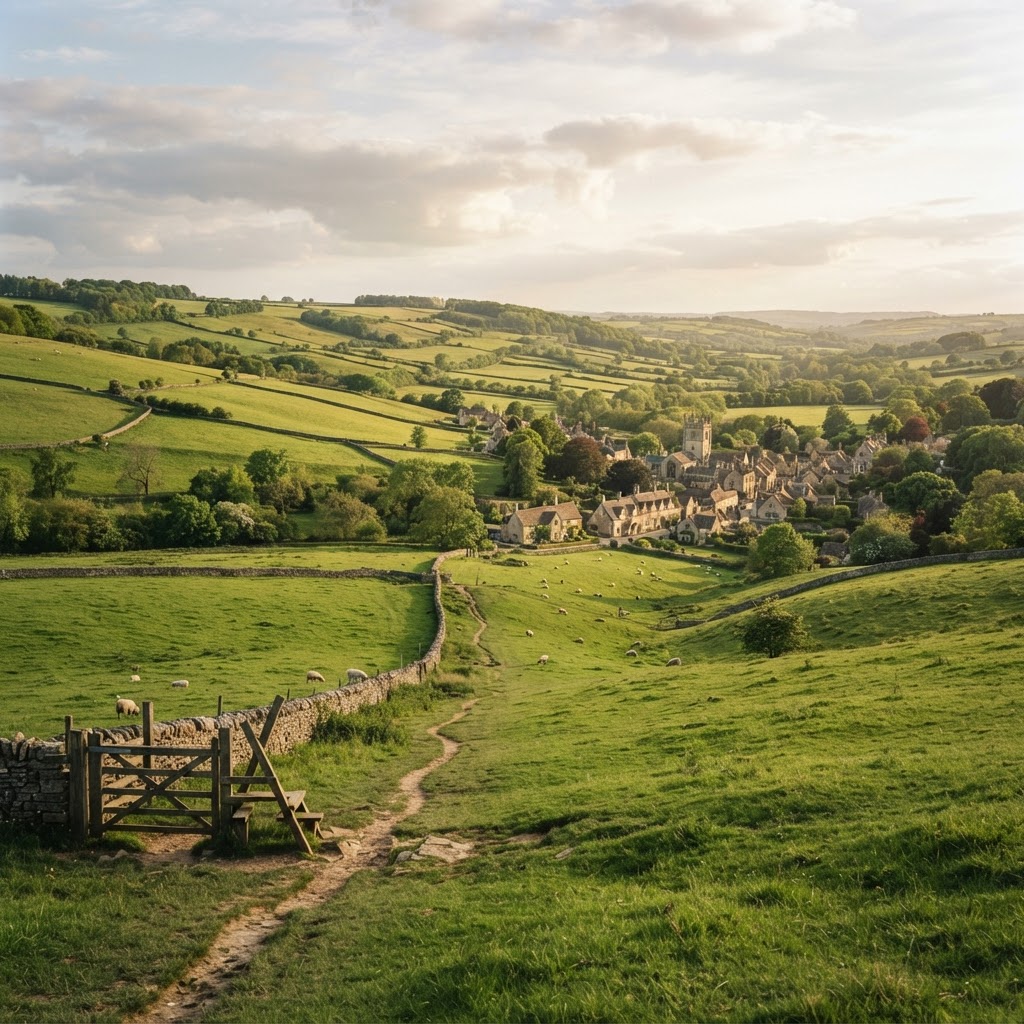
Trains serve as the efficient backbone of rural exploration, turning transit time into a scenic experience through valleys and over historic viaducts. Rather than navigating complex road networks, you can use the Settle-Carlisle line to traverse the Yorkshire Dales or take the St Ives Bay Line for coastal views. When booking, utilizing a BritRail Pass or booking ‘Advance’ tickets online at least 8-12 weeks in advance can reduce costs by up to 60% compared to walk-up fares. Major hubs like Manchester and York connect to quieter branch lines, allowing travelers to reach the heart of the countryside in under four hours from London. Always check the National Rail website or mobile app for real-time disruption data, especially on weekends when engineering work is common.
Essential Rail Planning Tips
- Book in advance to secure “Advance” tickets which are significantly cheaper than walk-up fares.
- Use the National Rail website or mobile app to plan journeys that include regional bus connections.
- Pack light; navigating train stations and local transport is much easier when you are not hauling heavy luggage.
- Always check for engineering works on weekends, which can occasionally disrupt travel schedules.
Navigating Rural Bus Networks
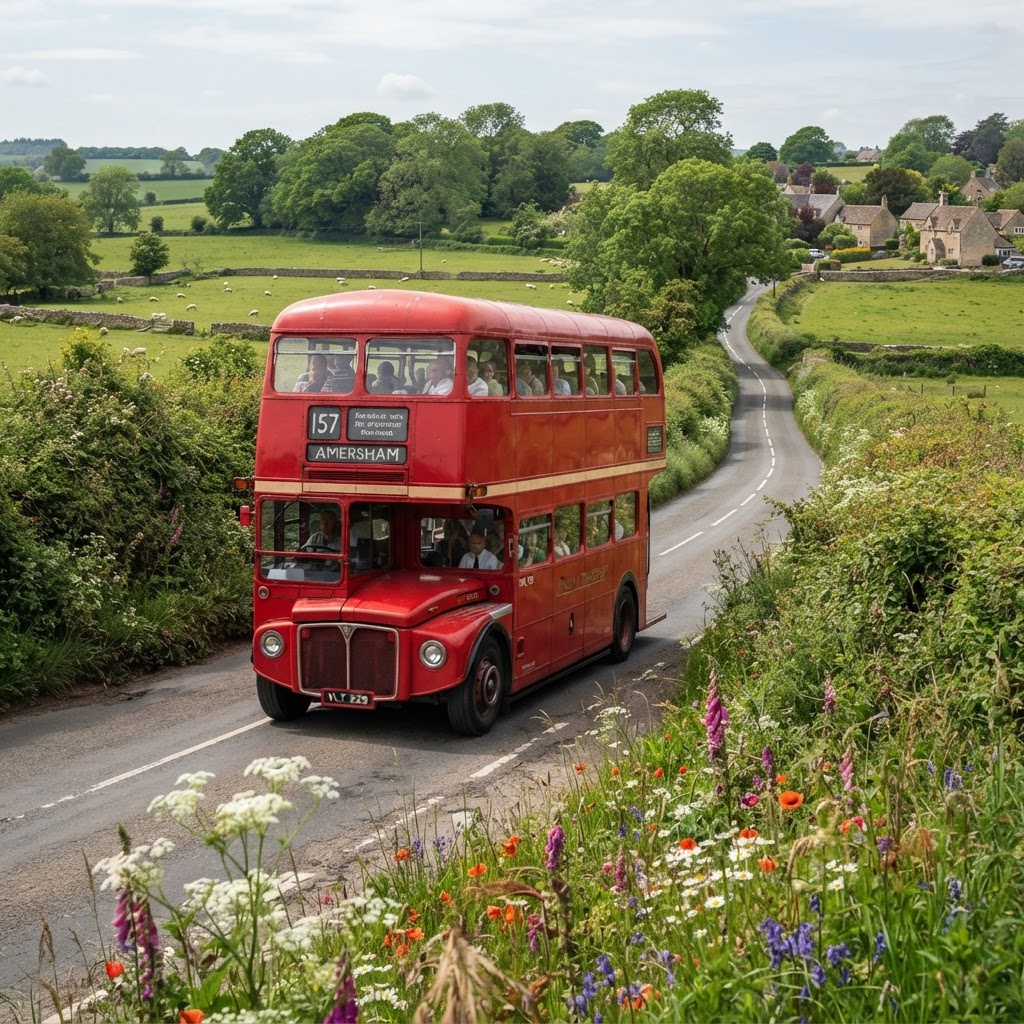
Local bus networks are the essential final link for reaching remote hamlets that lie beyond the rail stations. While many travelers fear being stranded in market towns, the UK’s ‘Bus Service Improvement Plans’ mean that most tourist-heavy areas have daily connections. Riding a double-decker bus through narrow country lanes provides an elevated vantage point perfect for photography, far superior to the visibility from a car. Most local bus companies now accept contactless payment, meaning you do not need exact change. For the most accurate planning, use the ‘Traveline’ website, which aggregates data from every private and local authority operator in the UK, ensuring you can bridge the gap between a train station and your final village destination with ease.
Walking as Your Primary Transport
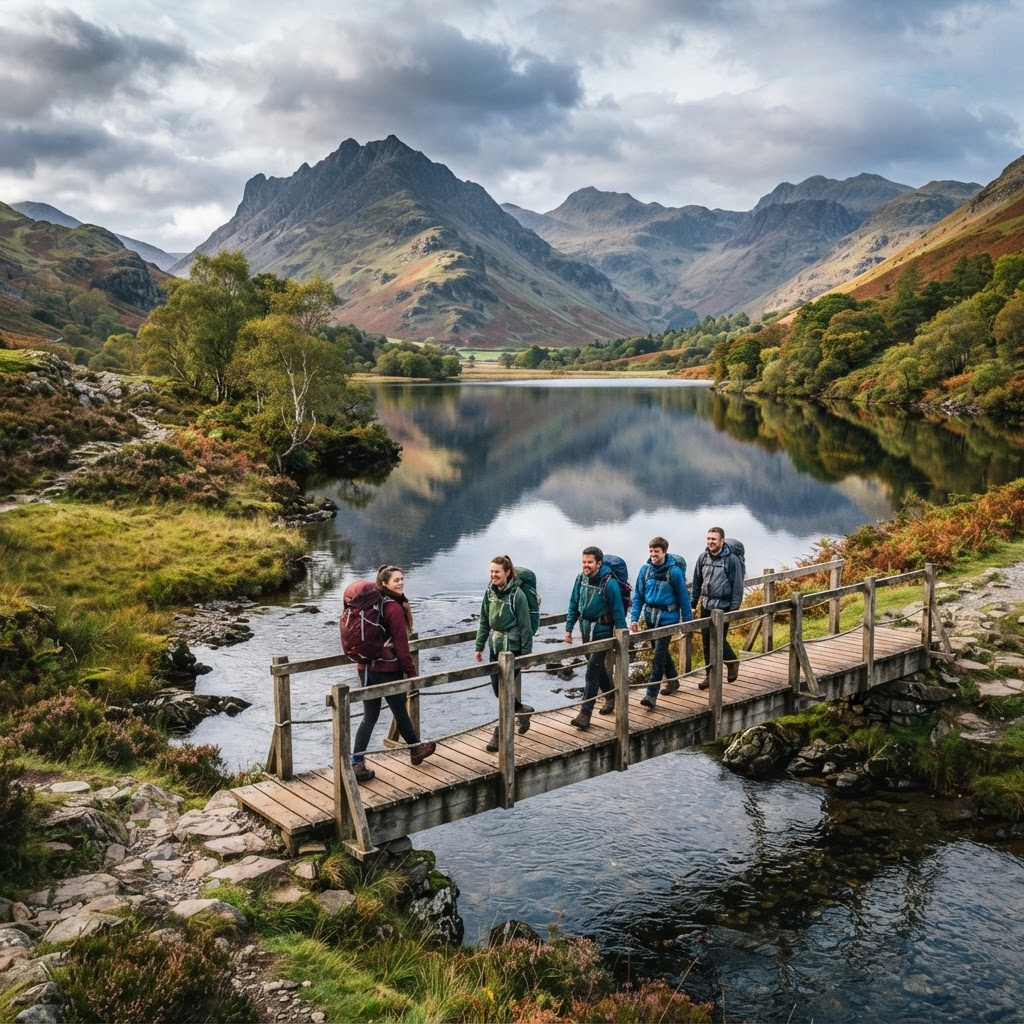
Once you arrive at a village or market town, the most authentic way to immerse yourself in the landscape is by traversing the extensive network of public footpaths, legally protected as ‘Rights of Way.’ These paths, often centuries old, cross private farmland and historic estates, offering direct access to nature that motorists never see. By basing yourself in a ‘hub’ village, you can utilize daily circular loops of 5-10 miles to explore different landscapes each day. This method is highly recommended for its sustainability and the ability to interact with local flora and fauna at a walking pace, which is the only way to fully appreciate the English countryside’s tranquility.
Popular Walking Hubs
- Keswick (Lake District): Offers immediate access to fells and lakes without needing a vehicle.
- Bakewell (Peak District): Surrounded by accessible paths leading to Chatsworth House and local dales.
- Moreton-in-Marsh (Cotswolds): Famous for its proximity to various village-to-village hiking routes.
Bicycles and E-Bikes for Added Reach
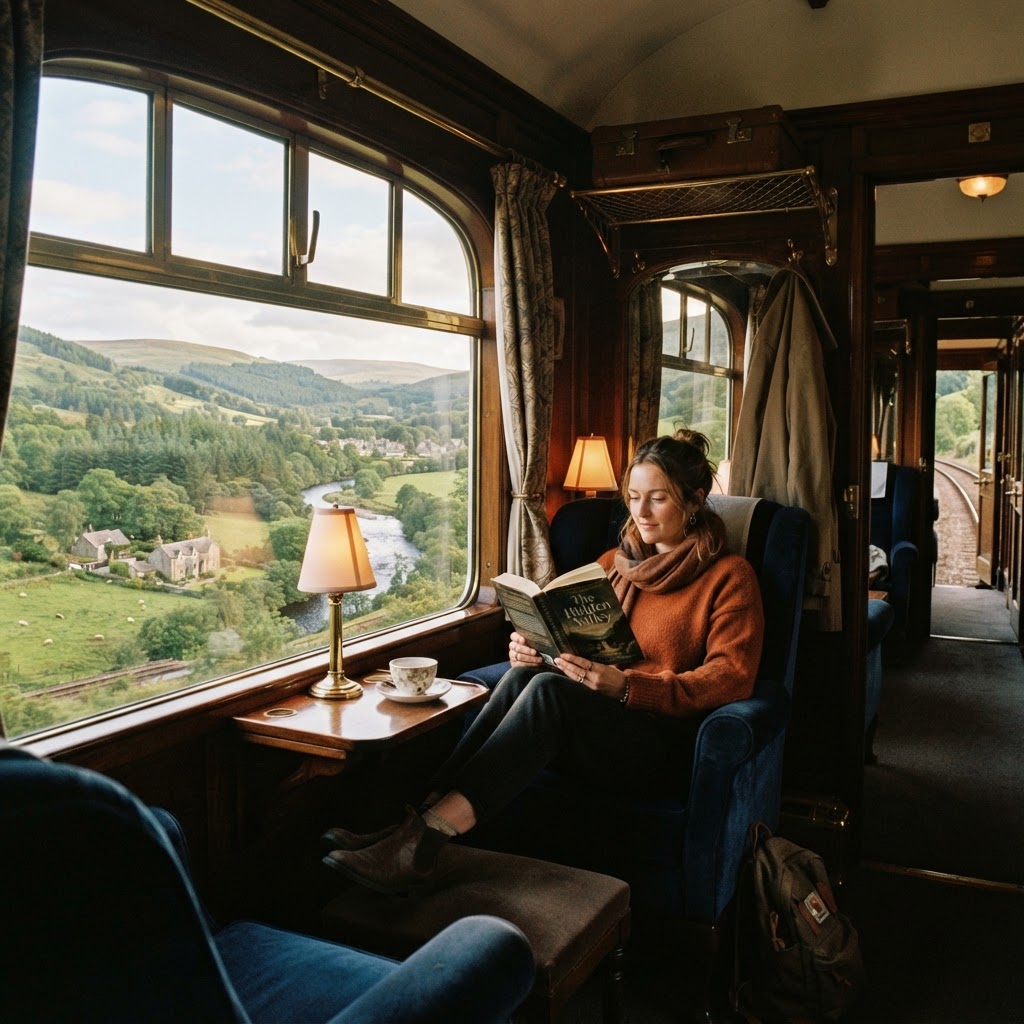
Bicycles and e-bikes offer a versatile middle ground between walking and public transit, significantly extending your daily range. Many rural stations near areas like the New Forest or the Cotswolds have dedicated hire shops that provide high-torque e-bikes, which make tackling steep, undulating hills effortless for casual riders. With an e-bike, you can cover 20 miles in a morning, allowing you to reach remote landmarks or tucked-away pubs that lack bus service. Most local operators provide helmets and puncture repair kits, and some even offer luggage transfer services between accommodation points, allowing you to cycle ‘light’ while your gear is transported ahead of you.
Timing Your Trip for Maximum Connectivity
Public transport frequency in rural England is highly seasonal, making your travel window the most critical planning factor. The shoulder seasons, specifically May, June, and September, offer the optimal balance of mild weather and maximum bus service frequency. During these months, local routes are fully operational for tourism, whereas winter schedules may be significantly reduced. Sundays in rural areas can be notoriously quiet, with fewer buses running after 4:00 PM; therefore, planning your travel to arrive before mid-afternoon on weekends is advisable. By syncing your trip with the daylight hours and standard school-term bus schedules, you ensure that you remain mobile throughout your stay without needing a private vehicle.
Packing for a Car-Free Adventure
Efficiency is the hallmark of the car-free traveler, as you must be prepared to handle your own luggage on platforms and footpaths. A high-quality 40-liter backpack is the ideal size, as it balances capacity with the mobility required for train travel and hiking. Your packing list must include waterproof boots with aggressive tread and a reliable, breathable rain shell, as the English climate can shift from sun to rain in minutes. Additionally, carrying a physical OS (Ordnance Survey) map is recommended, as high-resolution digital maps are essential when GPS signals drop in deep, shielded valleys, ensuring you never find yourself off-path during a hike.
Embracing the Slow Travel Philosophy
Choosing to forgo a car is an invitation to ‘Slow Travel,’ a movement centered on quality over quantity. Instead of ticking off tourist landmarks, car-free travel encourages deep exploration of a single region, such as spending an afternoon in a local inn or walking the periphery of a historic estate. This approach removes the stress of parking and navigation, allowing you to engage with the countryside as a participant rather than an observer. By slowing down, you gain access to the ‘real’ England—the spontaneous conversations in village shops and the hidden riverbanks—that are invisible when traveling at high speed behind a windscreen.
FAQ
Is it difficult to travel in the UK without a car?
It is not difficult provided you research routes in advance using the National Rail and Traveline tools. Most rural areas are well-connected by rail or bus, and the widespread network of public footpaths makes local exploration easy and rewarding.
Which UK region is best for car-free travel?
The Cotswolds and the Lake District are the premier destinations for car-free travelers. Both regions feature frequent train access to major hubs and interconnected village bus networks that make walking and cycling between historic sites very convenient.
Can I take a bicycle on a train in England?
Yes, you can bring a bicycle on most trains, though policies vary significantly between operators. Many train companies require you to book a free ‘cycle reservation’ in advance, especially during peak travel times, so always check the operator’s website before booking.
What happens if I miss my last bus in a rural village?
Missing the last bus requires either walking, hiring a local taxi, or booking an accommodation within the village. Local village pubs often keep a list of ‘vetted’ local taxi numbers, which are more reliable than rideshare apps in remote areas.
Do I need to buy bus tickets in advance?
No, most rural buses in England operate on a ‘pay as you board’ basis using contactless cards or mobile payments. Simply tap your credit card or smartphone on the reader when entering the bus, and the driver will issue a ticket for your destination.
Mastering the ‘Last Mile’ with Local Knowledge
Getting to the train station is only the first half of your journey. The real challenge is reaching those hidden, thatched-roof villages five miles from the nearest platform. Do not rely on taxi apps like Uber in rural areas, as they rarely operate in places like the Cotswolds or the Lake District. Instead, identify local ‘village car’ schemes or pre-book a private hire firm 48 hours before you arrive.
If you prefer independence, look for small independent bicycle shops near main rail hubs. Many offer hybrid bikes specifically for local trails. Ask the shop owner for the ‘back routes’ that avoid busy main roads, as car drivers in rural Britain can be impatient with slow-moving cyclists. Bringing your own bike on a train is possible, but check the operator’s website first. Some peak-time trains prohibit bikes entirely, forcing you to use a dedicated bike courier service or rent locally instead.
Common Pitfalls to Avoid
One major mistake travelers make is underestimating the ‘Sunday frequency.’ On weekdays, buses might run every hour, but Sunday schedules often drop to three or four trips per day. If you miss your mid-afternoon bus, you might be waiting three hours in a village with no open cafes. Always have a physical map as a backup, as mobile signal is notoriously patchy in valleys and deep woodland.
Another trap is assuming every village has a grocery store. Most rural pubs serve food only at set hours, typically between 12:00 and 14:00, and again from 18:00 to 20:30. If you arrive at 15:30, you will likely find the kitchen closed and the bar empty. Carry a ‘survival stash’ of snacks and a water bottle that you can refill at local taps. Relying on local hospitality for every meal is a risky strategy in the quieter shires.
Planning Your Perfect Itinerary: A Walkthrough
Start your planning by selecting a base town with a rail connection, such as Buxton for the Peak District or Moreton-in-Marsh for the Cotswolds. Once your base is set, spend one day strictly for ‘discovery’ rather than travel. Use your first morning to speak with staff at the local tourist information center. These experts know exactly which bus routes are experiencing roadworks or which footpaths are currently flooded.
Budget for two distinct travel modes. Allocate £10 per day for spontaneous bus connections and another £15 for occasional local taxi hops. For a five-day trip, expect to spend about £120 on local transport after your main train tickets. If you stay longer than a week, look for a ‘local bus day pass’ which often costs less than two single tickets.
Car-Free Strategy Checklist
- Download the ‘Citymapper’ or ‘Google Maps’ offline area for your specific region.
- Keep a physical list of local taxi numbers in your wallet.
- Wear waterproof hiking boots, even if you are just walking between villages.
- Always carry a power bank, as navigation apps drain your phone battery quickly.
- Check the ‘National Rail’ live arrivals board before leaving your accommodation.
Frequently Asked Questions
Is it safe to hike alone on rural footpaths?
Yes, public rights of way are extremely safe and well-trodden. Stick to the marked yellow arrows on wooden signposts to avoid wandering onto private farm fields. Tell your accommodation host which path you plan to take before you head out.
What should I do if the bus never arrives?
Check the bus operator’s Twitter account or the ‘Traveline’ website for live updates on cancellations. If the service is officially cancelled, walk to the nearest public house and ask the staff for local transport advice; they are the best source of information in rural areas.
Leave a Reply