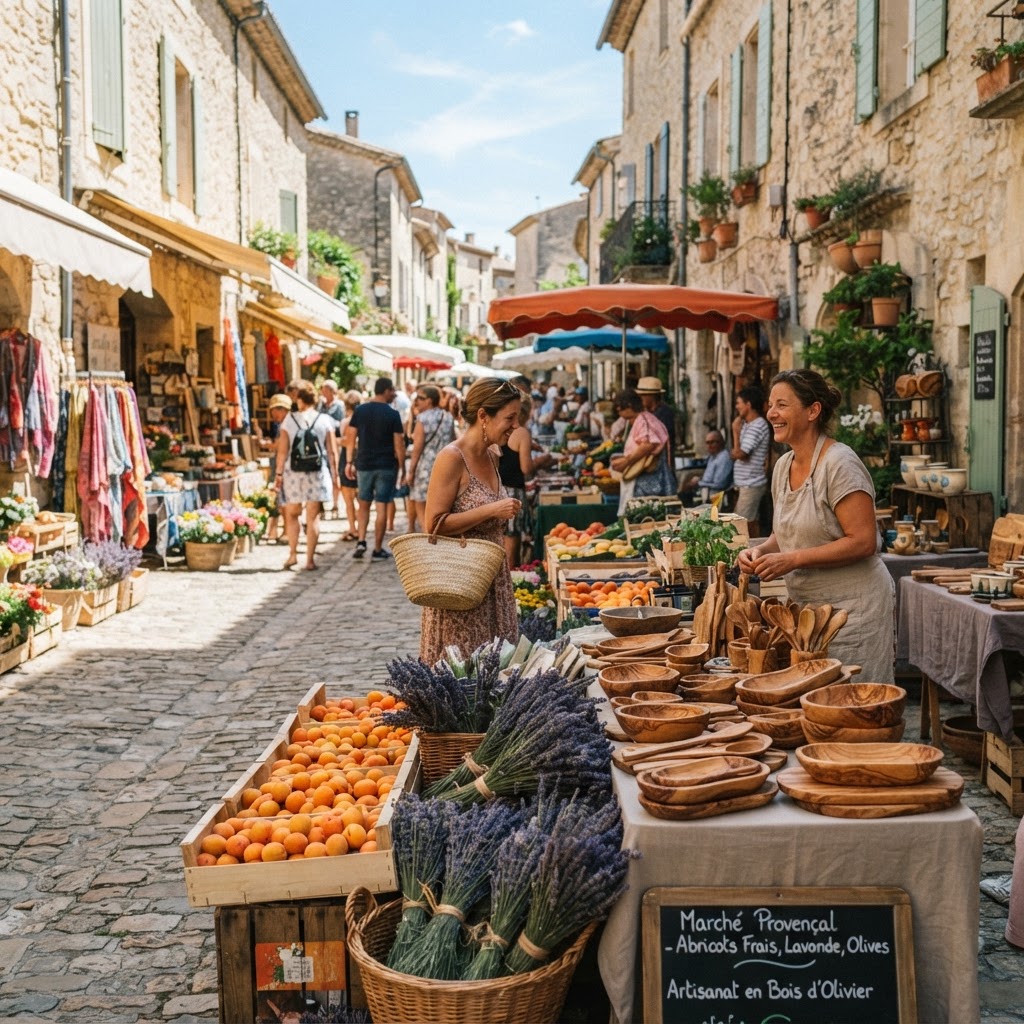
France Aesthetic Summer: Markets, Sunshine & Linen Everything
The France aesthetic summer is a lifestyle defined by a slow, intentional pace, emphasizing local market culture, breathable linen clothing, and the daily ritual of ‘golden hour’ living. To embody this, travelers prioritize seasonal produce, neutral fashion palettes, outdoor dining, and an appreciation for the rustic, natural textures of the French countryside.
The Magic of French Provincial Markets
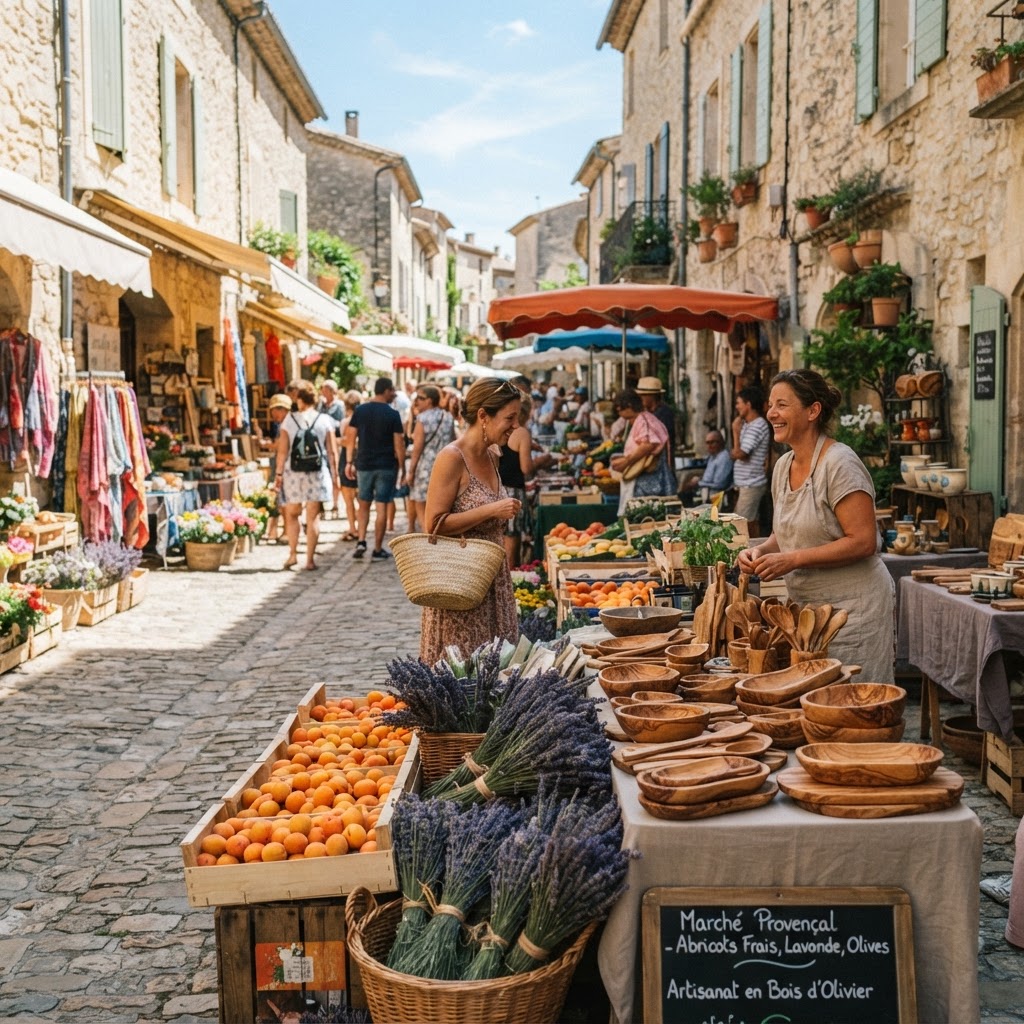
No journey into the French summer is complete without a visit to the local markets, which serve as the essential, weekly heartbeat of rural community life. These open-air gatherings offer a sensory-rich experience where you can source hyper-local ingredients like Cavaillon melons, dark cherries, and fresh sourdough bread. When visiting, you are participating in a regional tradition that prioritizes sustainability and artisan craftsmanship. Stalls typically feature handmade goods ranging from olive wood boards priced between €15 and €40, to hand-poured soaps infused with lavender, and hand-woven baskets that are as practical as they are stylish. To master the market run, arrive between 8:00 AM and 9:00 AM; arriving early allows you to secure the highest quality seasonal produce before the midday heat peaks. Always bring your own market tote—a classic straw basket or a reusable linen bag is preferred—to avoid plastic waste. Engaging with vendors is encouraged; they are the primary keepers of regional culinary history and often provide tips on how to prepare specific local varieties of cheese or produce. Whether you are in Provence or the Dordogne, the market is the definitive intersection of French heritage and the modern “slow living” movement.
Seasonal Produce and Local Artisans
When navigating a market in the south of France, you are met with a riot of color. Stalls are piled high with Cavaillon melons, dark cherries, and crates of apricots that look like they were plucked straight from a painting. It is common to see artisans selling handcrafted olive wood boards, hand-poured soaps infused with local botanicals, and hand-woven baskets that are as practical as they are stylish.
Tips for the Perfect Market Run
To capture the true essence of these spaces, follow these local customs. Always bring your own market tote—ideally, a straw basket or a reusable linen bag. Arrive early, preferably just as the vendors are setting up, to secure the freshest pickings before the heat of the day intensifies. Finally, take time to talk to the vendors; they are the keepers of regional traditions.
Mastering the Linen Aesthetic
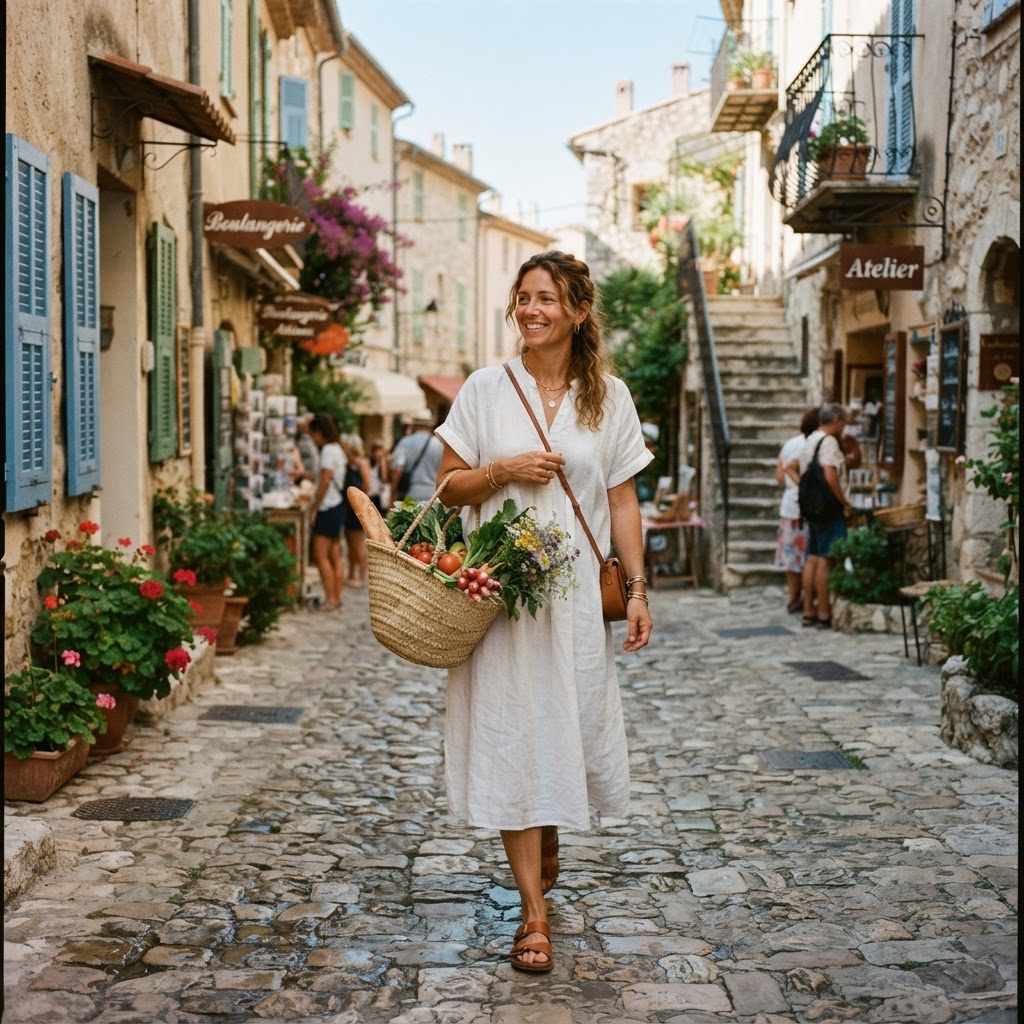
Linen serves as the foundational “uniform” of the French summer aesthetic, chosen primarily for its superior thermal regulation and ability to soften with every wash. Because the French Mediterranean climate can reach temperatures of 30°C (86°F), linen remains the top choice for locals due to its natural moisture-wicking properties and breathable fiber structure. To curate an authentic wardrobe, prioritize a neutral color palette that reflects the landscape: tones of oatmeal, crisp white, soft sage, and sky blue. A high-quality linen garment should feel substantial yet light; it is the fabric of choice for those who value luxury through comfort rather than visible branding. When styling, aim for a relaxed silhouette, such as wide-leg trousers paired with a button-down shirt that is intentionally left slightly unbuttoned. This approach conveys a sense of ease, appearing as though you spent minimal time getting ready while remaining appropriate for both a casual market visit and an upscale bistro lunch. Accessories should be kept to a minimum—think flat leather sandals and a single gold necklace. Investing in 100% flax linen pieces will ensure longevity, as the fabric becomes more comfortable and aesthetically desirable as it ages over several summer seasons.
Why Linen Defines French Style
Linen is prized in France for its durability and its ability to keep the wearer cool while remaining impeccably dressed. From high-waisted wide-leg trousers to classic button-down shirts left slightly unbuttoned, linen conveys a sense of ease. It is the fabric of someone who knows that luxury lies in comfort rather than showiness.
Styling Your Summer Wardrobe
To channel this aesthetic, focus on a neutral color palette. Think tones of oatmeal, crisp white, soft sage, and sky blue. Pair a loose linen dress with flat leather sandals and a simple gold necklace for an effortless look. The goal is to look as though you spent five minutes getting ready, yet you could easily stroll into a luxury bistro for lunch.
The Golden Hour Lifestyle
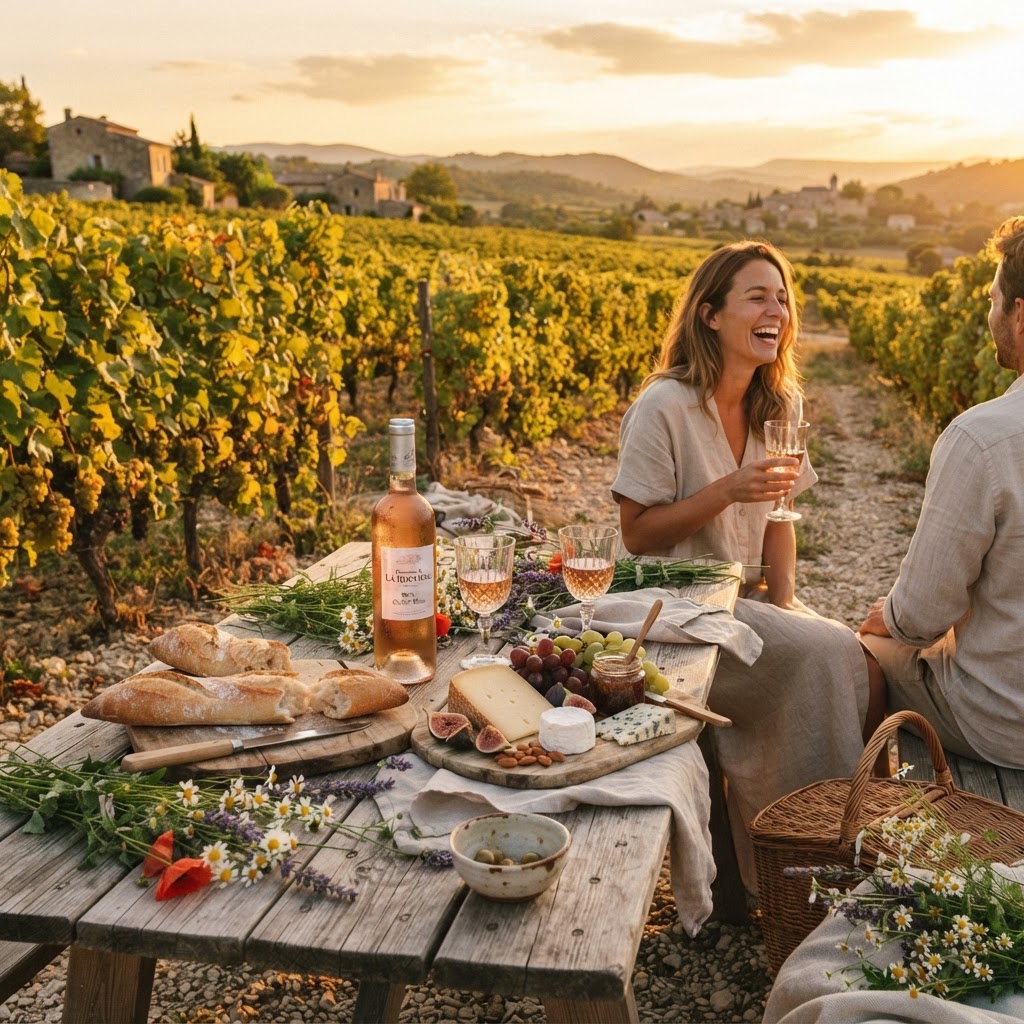
In France, the ‘golden hour’ is a sacred, daily period just before sunset when the light softens into a honeyed glow, signaling the transition to evening. This time is dedicated to ‘le farniente’—the art of doing nothing—which is a core pillar of the French aesthetic lifestyle. During this window, typically occurring between 7:30 PM and 9:00 PM in the height of summer, the pace of life slows significantly. It is the customary time for opening shutters to invite the cooler evening breeze into the home and for preparing long, lingering dinners. Embracing this lifestyle requires a conscious shift toward presence; whether you are reading under a plane tree or sitting at a sidewalk cafe with an espresso, the focus is on sensory engagement rather than productivity. By observing the hum of cicadas and the changing colors of the stone architecture, you connect more deeply with the environment. This ritualistic approach to time management ensures that every day concludes on a note of tranquility, reinforcing the cultural belief that rushing is the antithesis of joy. Many locals find that this daily deceleration is what makes the French summer feel like a truly transformative experience.
Embracing the Slow Pace
French culture teaches us that rushing is the antithesis of joy. To live the French aesthetic, one must practice the art of doing nothing—or ‘le farniente’. Whether it is reading a book under the shade of a plane tree or sitting at a sidewalk cafe with an espresso, the focus remains on presence. By slowing down, you begin to notice the play of light on the stone walls or the hum of cicadas in the distance.
Picnic Culture and Outdoor Living
Dining outdoors is a cultural staple in France, where a picnic is treated as a curated, intentional event rather than a casual convenience. To execute a quintessential French picnic, focus on a small selection of high-quality, local ingredients: a crusty baguette, a block of aged Comté cheese, fresh seasonal fruit like grapes or figs, and a bottle of chilled rosé. The selection of location is equally important; look for areas in the Dordogne or Provence that offer natural shade under ancient olive or plane trees. Unlike modern grab-and-go dining, the French picnic emphasizes “the lack of pretense.” Utilize real glass flutes and a vintage tablecloth to elevate the experience, allowing the meal to unfold over several hours as the sun begins to set. This practice of outdoor living serves to bridge the gap between human activity and the natural landscape, turning a simple meal into an exercise in mindfulness. By prioritizing high-quality inputs and a leisurely schedule, you recreate the authentic French approach to communal dining, which values shared conversation and the sensory experience of eating in the open air above all else.
Curating Your French Picnic
Select a location with a view—perhaps overlooking a valley in the Dordogne or under the shade of ancient olive trees. Use a vintage tablecloth, bring real glass flutes, and let the meal unfold over several hours. The beauty of this experience lies in the lack of pretense.
The Architecture of Summer
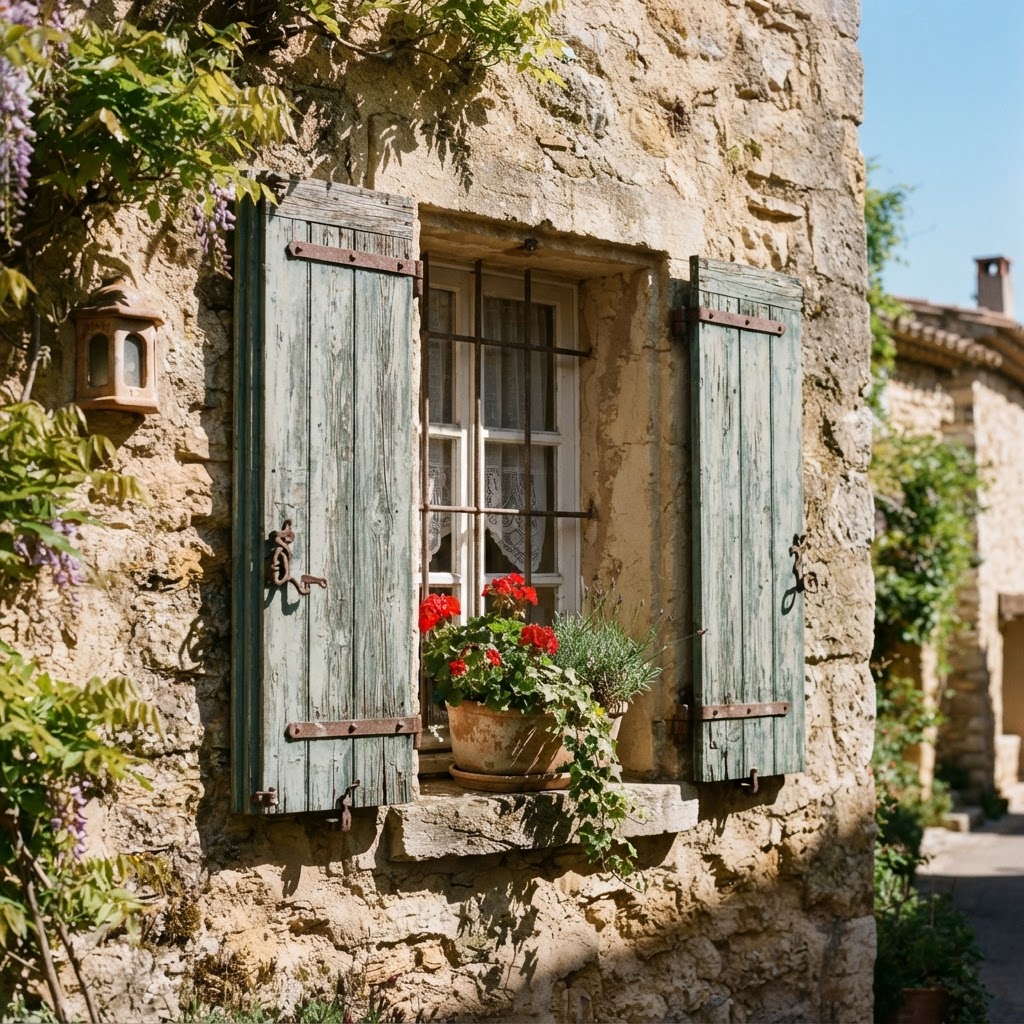
Part of what makes a summer in France so visually compelling is the architecture. The stone houses with their iconic wooden shutters—often painted in shades of blue, green, or grey—are designed to keep the interior cool during the hottest months. These homes are a testament to centuries of adapting to the environment, and they form the backdrop for every summer memory.
Incorporating the Look at Home
Even if you are not currently in the French countryside, you can bring the look to your space. Focus on natural textures: jute rugs, terracotta pots, dried florals, and vintage wooden accents. By surrounding yourself with materials that feel grounded and real, you evoke the sense of a rustic farmhouse in the heart of Provence.
Planning Your Aesthetic Journey
If you are ready to immerse yourself in the France aesthetic summer, timing is everything. Late June through early July offers the best opportunity to see the lavender fields in bloom, while September brings a golden, mellow light that is perfect for those who prefer quieter crowds. Research the smaller villages—such as Gordes, Saint-Rémy-de-Provence, or Lourmarin—for the most authentic market experiences.
Essential Travel Items
When packing, remember that the French aesthetic prioritizes quality over quantity. Bring versatile linen layers that can be mixed and matched. Include a hat for sun protection, a pair of classic sunglasses, and a sturdy pair of sandals for walking on uneven cobblestones. Keep your makeup minimal and your hair natural; the French aesthetic is all about celebrating your authentic self.
FAQ
Q: What is the best month to experience the France summer aesthetic?
September is widely considered the best month to visit for an authentic aesthetic experience. The crowds are significantly thinner than in July or August, the weather remains comfortably warm, and the light takes on a distinct golden hue that is perfect for photography and outdoor dining.
Q: What are the must-have fabrics for a French summer wardrobe?
Linen is the essential fabric for achieving a French summer look because it is breathable, durable, and naturally elegant. In addition to linen, prioritize cotton blends and natural materials like straw for accessories to maintain a cohesive, rustic, and sophisticated Mediterranean style.
Q: How can I find the most authentic French markets?
Focus on smaller, non-touristic villages like Lourmarin or Saint-Rémy-de-Provence to find the most authentic markets. These locations typically host local farmers and artisans who sell regional goods, whereas larger city markets often cater more heavily to tourists and may lack the same artisanal focus.
Q: What does ‘le farniente’ mean in the context of a French summer?
‘Le farniente’ is the Italian-derived term widely used in France to describe the “art of doing nothing” or idle, pleasant relaxation. It is a core component of the French aesthetic, emphasizing the importance of slowing down to appreciate the present moment without the pressure of a schedule.
Q: Are there specific color palettes that define the French aesthetic?
A neutral color palette is essential to achieving the French aesthetic, specifically shades of oatmeal, crisp white, soft sage, and sky blue. These colors reflect the natural tones of the French countryside and provide a timeless, understated look that pairs perfectly with the summer sun.
Leave a Reply