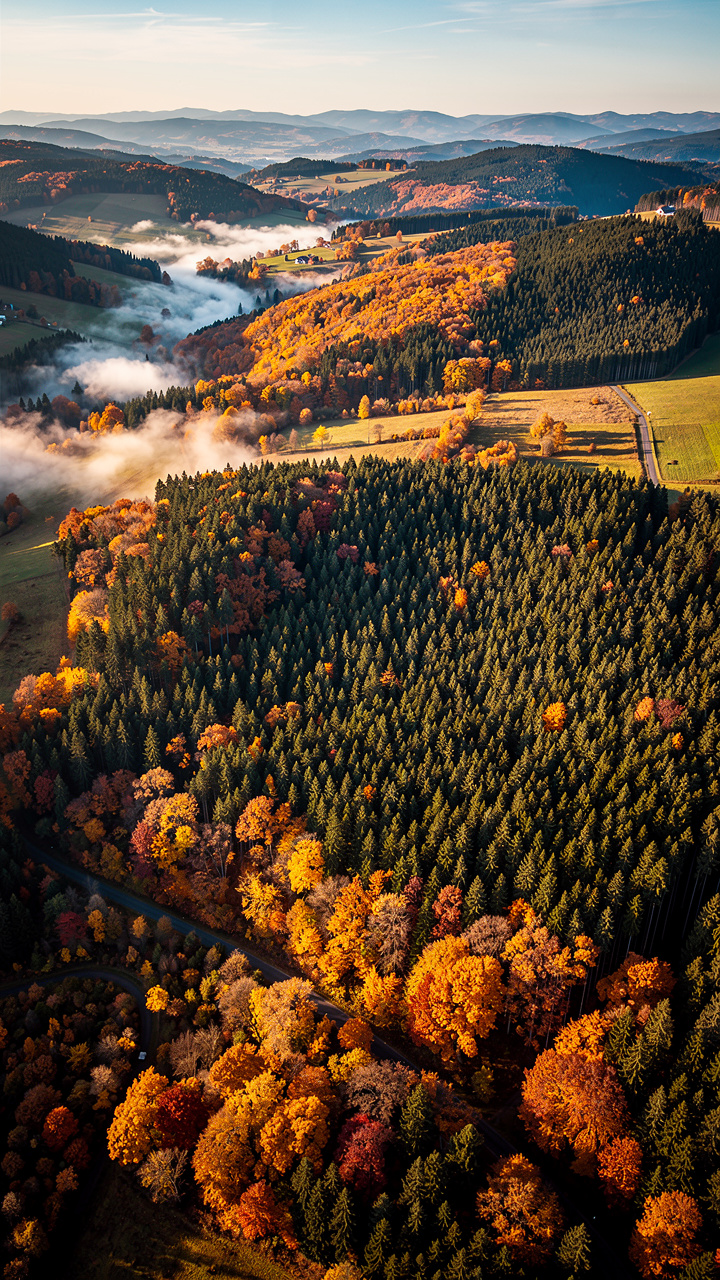
Why Autumn Outshines Summer in Germany
Autumn is the best time to visit Germany because it offers fewer crowds, mild temperatures, and lower prices compared to the peak summer season. Travelers benefit from an authentic local atmosphere, vibrant fall foliage, and harvest-season food and wine festivals that bring the country to life without the intensity of heatwaves.
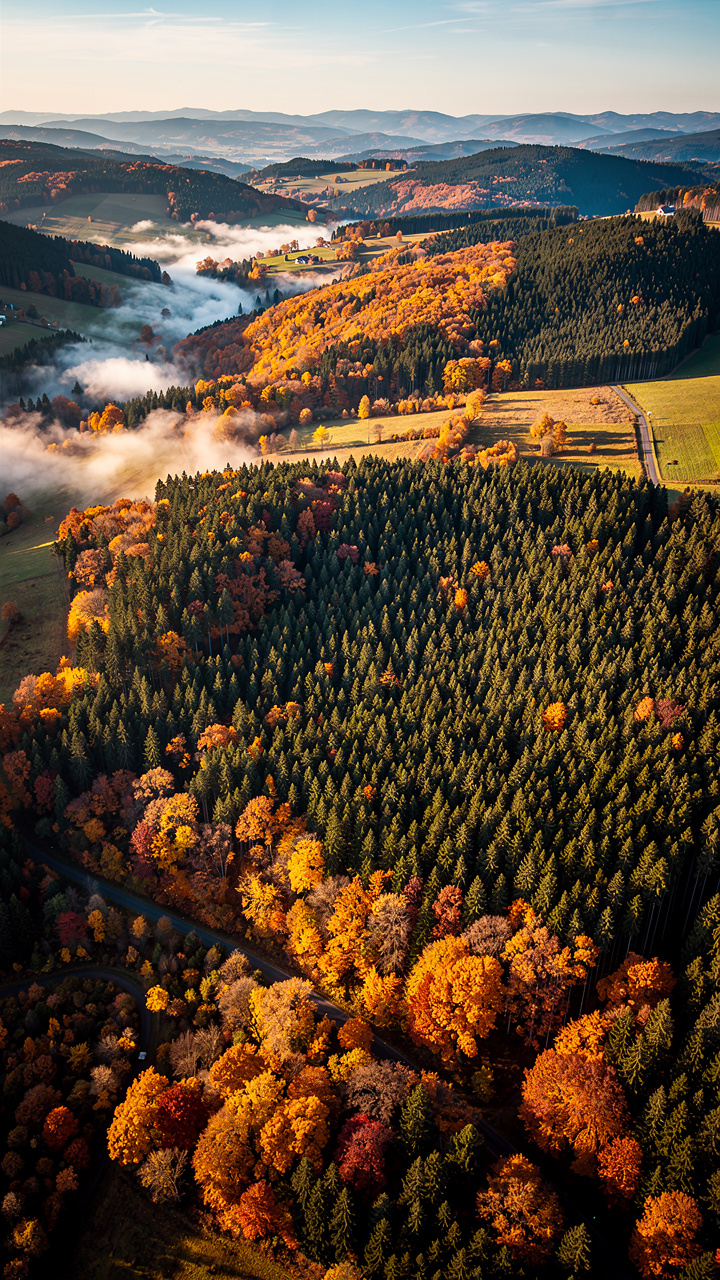
Autumn brings crisp air and golden landscapes. You get lower hotel prices and more breathing room at famous sites. Locals are back from their holidays, creating a more authentic atmosphere. The harvest season also brings better food and wine options. It is simply the superior time to travel.
1. The Black Forest
The Black Forest becomes a premier destination in October as the dense canopy shifts to fiery shades of amber and gold. This transition creates perfect conditions for outdoor enthusiasts who prefer avoiding the sweltering heat of July or August.
Hiking trails like the 285km Westweg offer incredible views without the summer humidity. You can enjoy authentic Black Forest cake in cozy, wood-heated cafes. Visit the Triberg waterfalls when the leaves frame the cascades perfectly. It feels like stepping into a Brothers Grimm fairytale. The lower humidity levels in late September make this the ideal window for long-distance treks through the forest floor.
2. Neuschwanstein Castle
Visiting Neuschwanstein Castle in late October allows you to bypass the massive queues that define the summer tourism experience. By arriving early, you can walk straight to the iconic Marienbrücke (Queen Mary’s Bridge) for the best photos without fighting through dense crowds.
The morning mist over the valley adds a layer of mystery and photographic depth not seen in the harsh summer sun. Wear sturdy, waterproof boots, as the steep paths leading to the castle can be slippery with fallen leaves and early frost. It is a photography dream that remains accessible and quiet during the shoulder season.
3. The Mosel Valley
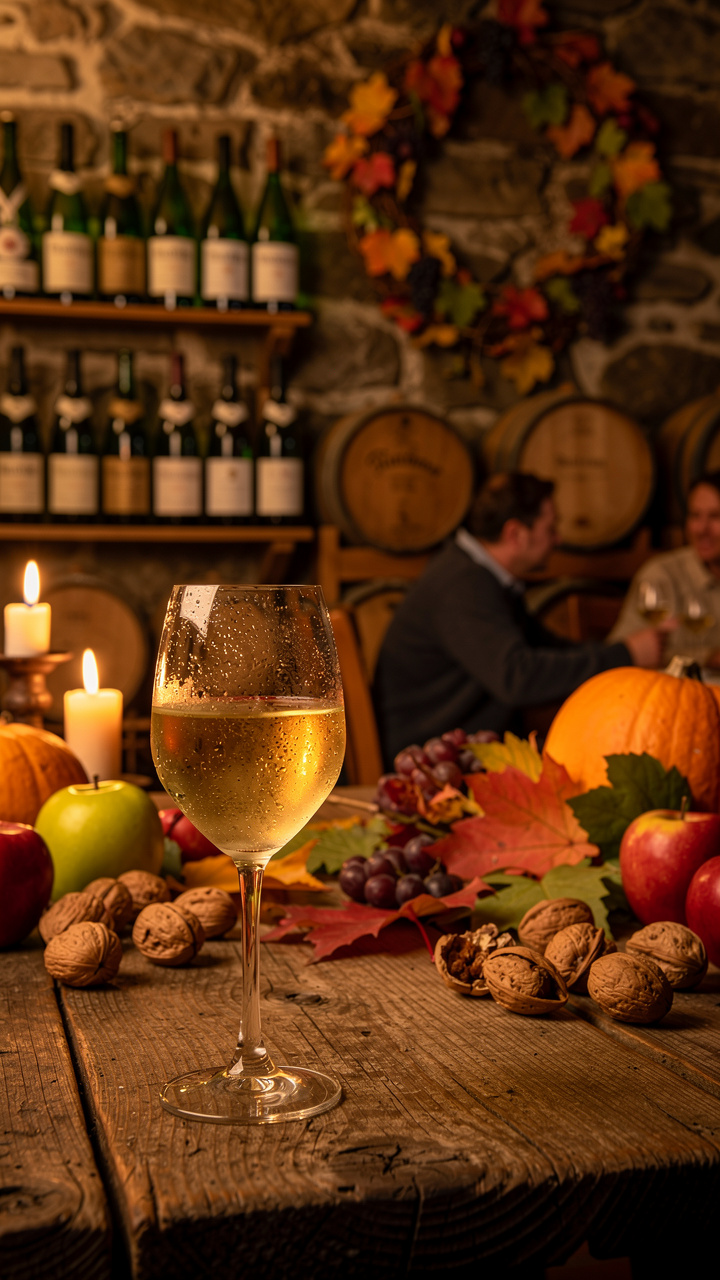
The Mosel Valley is the premier destination for wine enthusiasts because autumn coincides with the ‘Weinlese’ or grape harvest season. This is when the region’s terraced vineyards turn a brilliant golden hue, mirroring the reflection in the dark, winding river below.
You will see local vintners busy in the steep vineyards throughout September and October. It is the perfect opportunity to taste ‘Federweißer,’ a partially fermented ‘new’ wine that is only available during the harvest. Visiting a local tavern during this time provides a rare glimpse into the traditional winemaking culture that characterizes this iconic German region.
4. Rothenburg ob der Tauber
Rothenburg ob der Tauber offers a profoundly intimate experience once the summer tour groups depart, allowing you to walk the 2.5-mile medieval city walls in near solitude. The town’s preserved architecture feels far more authentic when you are not navigating a sea of visitors during your exploration of the cobblestone alleys.
The town’s famous Christmas shops remain open and are significantly less crowded before the holiday rush begins in December. Make sure to try a ‘Schneeball’ pastry at one of the local bakeries while wandering the quiet streets. The late afternoon light hitting the timber-framed buildings creates a soft, warm aesthetic perfect for street photography.
5. Heidelberg
Heidelberg shines in autumn when the riverside Neckar path transforms into a tunnel of orange and yellow foliage. The castle ruins appear more dramatic against a moody, gray autumn sky, providing a stark contrast to the bright, overexposed photos often taken in the summer.
Taking the funicular up to the castle allows for a panoramic view of the changing canopy that covers the city. Because the local university is in session during the autumn months, the city regains its vibrant student energy, making it feel like a living, breathing community rather than a tourist destination. It is the perfect time to experience the town’s sophisticated café culture.
6. Saxon Switzerland National Park
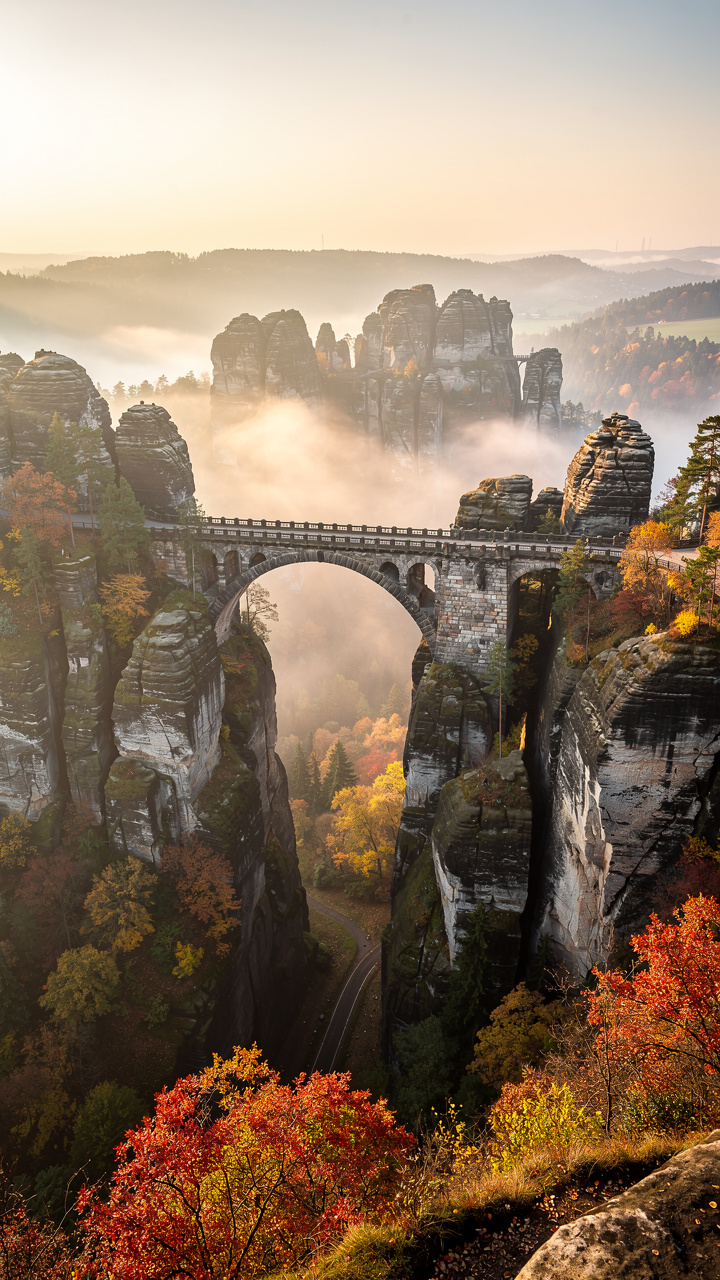
Saxon Switzerland National Park is renowned for its Bastei Bridge, which looks most ethereal during the crisp, misty mornings of late autumn. Hikers should aim to arrive at the park by 7:00 AM to catch the sun hitting the sandstone pillars, creating a unique lighting effect that photographers prize.
Because the trails are not subjected to the intense summer sun, the temperatures remain optimal for strenuous day hikes. Whether you are climbing the peaks or walking through the valley, the cool air makes the exertion much more manageable. Always pack layers, as the rock formations create microclimates that can be significantly cooler than the surrounding areas.
7. Lake Constance (Bodensee)
Lake Constance becomes a tranquil retreat in autumn, offering a much more peaceful experience than the water-sport-heavy summer months. You can visit Mainau Island to see the late-blooming dahlia gardens which remain vibrant well into October, providing a massive explosion of color.
It is significantly easier to rent a boat or bike around the perimeter of the lake without competing with thousands of summer vacationers. On clear autumn days, you can often see the first dusting of snow on the distant Alps, creating a stunning visual contrast with the blue waters of the lake. The climate here is moderated by the water, keeping the temperatures comfortable even as the rest of the country cools down.
8. Quedlinburg
Quedlinburg is a historical gem featuring over 1,000 timber-framed houses that look their best when framed by the soft, diffused light of an autumn day. The narrow, winding streets are much easier to navigate without the high volume of summer day-trippers.
Spend your afternoon exploring the local museums, which are much more comfortable to visit when the air is chilly outside. The town architecture, which spans several centuries of German history, takes on a moody, historical character in the fall. It is a fantastic destination for history buffs who want to avoid the frantic pace of Germany’s larger, more famous cities.
9. Berchtesgaden
Berchtesgaden is the ideal alpine escape, where the air is incredibly crisp and the summer crowds have entirely vanished. A boat trip on Lake Königssee is significantly more peaceful in September and October, and you will have no trouble finding a seat on the boat to the St. Bartholomä chapel.
The surrounding peaks look magnificent against the deep, clear blue autumn sky, providing perfect conditions for landscape photography. If you are looking to disconnect from modern digital stress, the silence of the alpine valleys during this period is unmatched. Be prepared for early evening chill; the temperatures drop rapidly once the sun falls behind the mountains.
10. Cologne
Cologne transitions into a genuine, local-focused city during the autumn months, making it the perfect time for an urban getaway. The city’s massive Cathedral, usually surrounded by crowds, becomes much easier to navigate and appreciate in its architectural entirety.
Cologne’s world-class museums are perfect refuges during the occasional drizzly autumn day. You can enjoy a Kölsch beer in an authentic Brauhaus surrounded by locals rather than tourists. It serves as an excellent base for exploring the Rhine region, with reliable transport links that make day trips to surrounding vineyards and towns simple and efficient.
Practical Tips for Your Autumn Trip
To truly enjoy Germany in autumn, you must pack for changing conditions. Temperatures can drop from 15°C at noon to 5°C by nightfall, so layering is a necessity. Avoid cotton base layers, which hold moisture, and opt for merino wool to regulate temperature.
Booking your accommodation at least three weeks in advance is still wise, as boutique hotels in popular towns fill up fast. Use regional train passes like the Deutschland-Ticket to save on transport costs; it costs 49 euros per month and covers all local transport nationwide. If renting a car, prioritize vehicles with winter-rated tires by October to handle potential early frosts in the higher elevations of Bavaria.
Common Mistakes to Avoid
Many travelers incorrectly assume that every German town shuts down in late autumn. In reality, cultural life simply moves indoors to theaters and museums, offering a more genuine experience. Do not skip smaller villages, as these hidden gems offer an authentic look at traditional German life that major hubs often lack.
Another major mistake is ignoring Sunday closures. Almost all supermarkets and retail shops are closed on Sundays in Germany, so plan your food supplies on Saturday to avoid getting stuck without basic snacks. Additionally, keep at least 50 euros in cash; many small bakeries and cafes in rural areas do not accept credit cards for minor purchases.
How to Navigate German Train Travel
Trains are the best way to see the country, but they require patience and proper planning. Use the DB Navigator app to monitor real-time delays and platform changes, as it automatically suggests alternative routes if your original train is delayed.
Try to book ‘Sparpreis’ tickets early to save up to 40% on fares. Avoid regional trains during peak commuting hours (7-9 AM and 4-6 PM) to ensure you have space for your luggage. If you miss a connection, visit the service center immediately; staff can usually issue a voucher for your next train.
Myths vs Facts About Autumn Weather
Myth: Germany is constantly raining throughout the entire autumn season.
Fact: October often features long stretches of bright, sunny, and dry weather with clearer air than in the hazy summer months.
Myth: Everything is cheap once the summer tourists head home.
Fact: While hotel prices drop, top-tier cultural events remain pricey; always book museum tickets online in advance to secure availability.
Myth: You need to know fluent German to travel around.
Fact: Most people under 50 speak decent English, especially in larger cities, but learning a few basic phrases like ‘Dankeschön’ is a sign of respect that helps break the ice.
FAQ
Is it worth visiting the German Alps in late October?
Yes, visiting the Alps in late October is worth it if you stick to valley walks and lakeside paths. High-altitude trails above 1,500 meters may already have snow, making them unsuitable for casual hiking.
How do I find the best local autumn festivals?
Look for local town calendars searching for ‘Weinberge’ or ‘Erntedankfest’ events in October. Most regions in the Rhine or Mosel valleys host village festivals that are far more authentic than the crowded Munich Oktoberfest.
What should I pack for a German autumn trip?
Pack a high-quality windbreaker, a waterproof shell jacket, and merino wool layers. Weather can change from mild afternoons to freezing nights, so the ability to strip off or add layers is critical for comfort.
Do I need to carry cash in Germany?
Yes, always carry at least 50 euros in cash for small bakeries, rural cafes, and local shops. Many smaller German businesses do not accept credit cards for transactions under 10 euros.
Are trains reliable in Germany during autumn?
Trains remain the most efficient way to travel, but expect occasional delays due to autumn maintenance or weather. Download the DB Navigator app to track your journey in real-time and find immediate alternative connections if needed.
Leave a Reply