
My Reality Check:
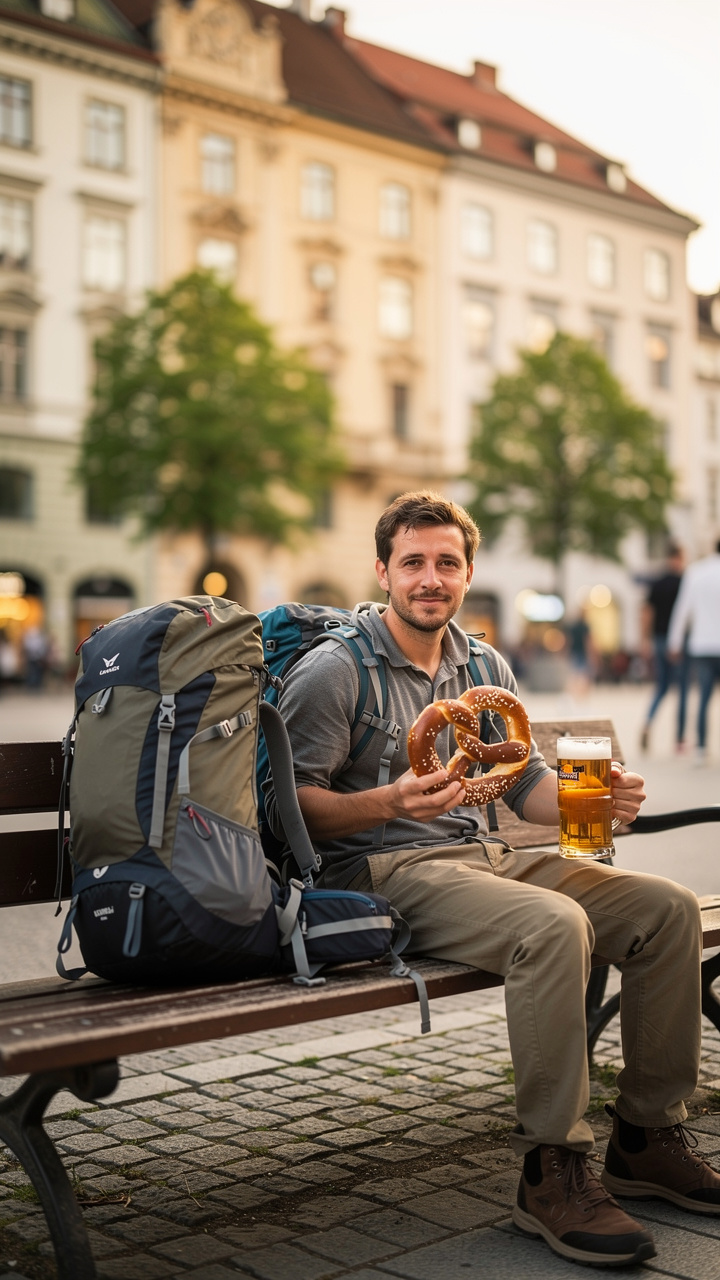
Is $100 Enough? Most people believe Germany requires a massive bank account. That is a myth. I spent 21 days traveling from Munich to Berlin on exactly $100 a day. This budget covers your bed, food, transport, and one beer a day.
I didn’t stay in luxury hotels, but I wasn’t starving either. You have to be smart with your choices.
The Cost Breakdown (Daily Average) | Item | Estimated Cost |
| — | — |
| Hostel Dorm | $35 |
| Supermarket Meals | $20 |
| Transport (DB/Local) | $25 |
| Beer/Coffee/Treat | $15 |
| Sightseeing Fund | $5 |
| Total | $100 |
Strategies for Cheap Rail Travel Navigating the Deutsche Bahn (DB) system is where most travelers bleed cash.
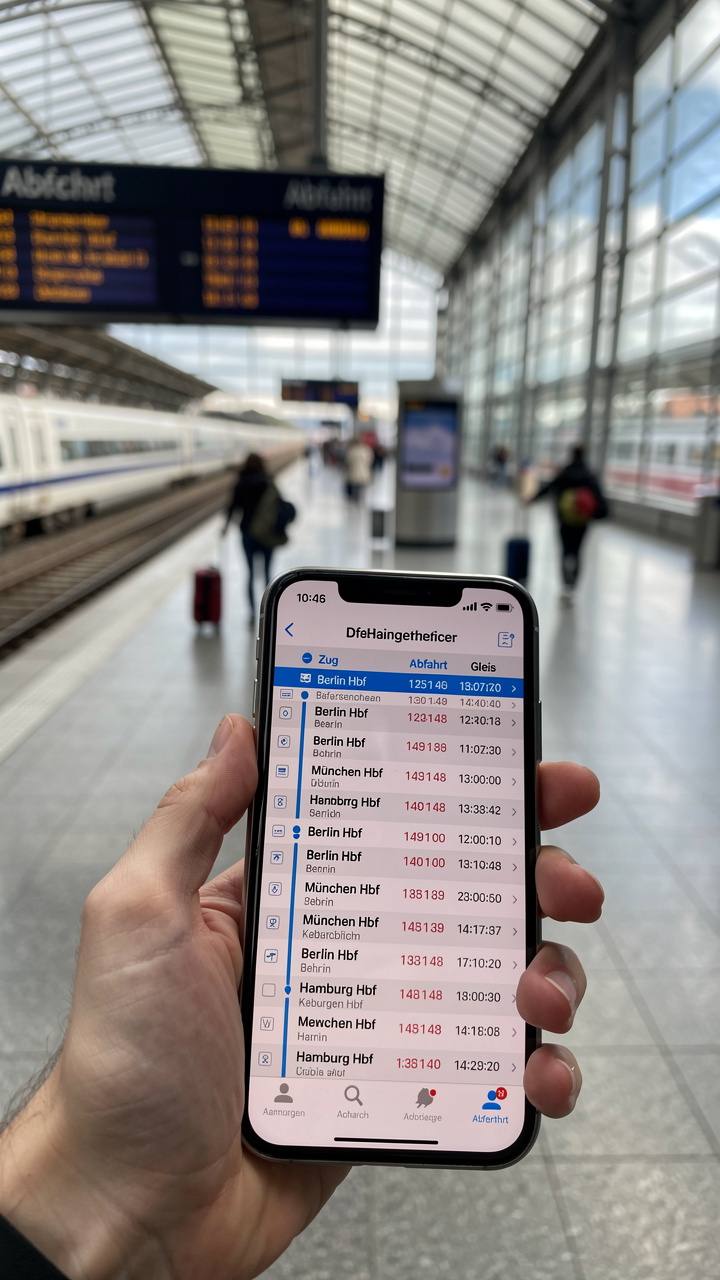
If you buy tickets at the station, you will pay full price. Always use the DB Navigator app at least two weeks before your trip. Look for ‘Super Sparpreis’ tickets to save up to 60% on long-distance routes.
I once grabbed a ticket from Munich to Hamburg for $29 instead of $110 by booking early. Avoid regional trains for long distances if you can. They are slower and sometimes more expensive without a day pass.
If you are doing a lot of moving, look into the Deutschland-Ticket. It costs $49 a month and covers all local transport nationwide. It is a game-changer for budget travelers hopping between cities and small towns.
Just remember to cancel it so you don’t get charged again next month.
Eating Like a Local to Save Money Restaurants will drain your budget in two days.
I rarely ate at sit-down places for dinner. Germany has incredible bakeries (Bäckerei) everywhere. A fresh sandwich or a hearty pretzel costs about $4 to $6.
For lunch, look for ‘Imbiss’ stands. A Döner Kebab or Currywurst will set you back about $7. They are filling, cheap, and iconic staples of the German diet.
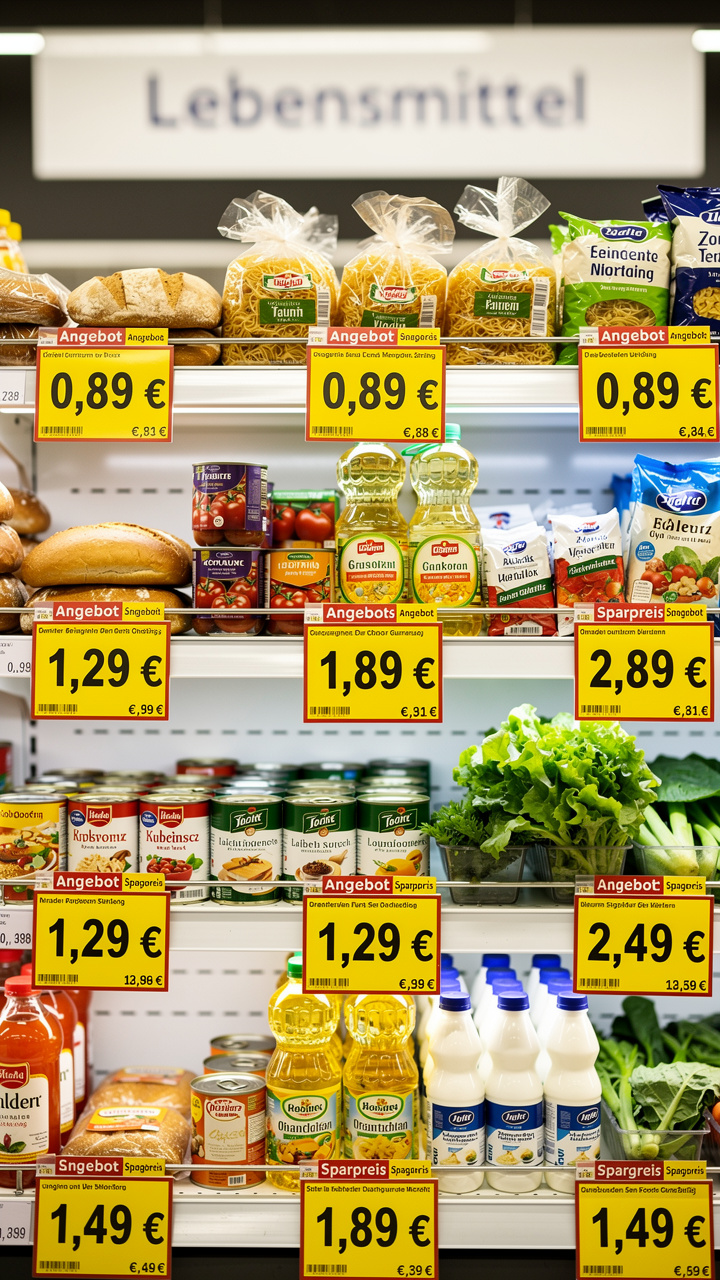
If you are staying in a hostel, use the kitchen. Grocery shopping at Aldi or Lidl is incredibly cheap. I bought pasta, pesto, vegetables, and fruit for under $15.
That easily covers two days of healthy eating. Drinking is also cheaper if you buy from the supermarket. A local beer at a grocery store is often less than $1.50.
You can enjoy a sunset by the river for the price of a soda.
Common Mistakes and How to Avoid Them The biggest mistake travelers make is staying in the city center.
You pay a ‘tourist tax’ on everything from coffee to hotel rooms. Look for hostels in neighborhoods with good U-Bahn access. Areas like Neukölln in Berlin or Giesing in Munich offer a more authentic vibe.
You save $20 a night just by being three subway stops away from the main square. Another error is over-relying on credit cards. Many small bakeries and local shops are still ‘Bargeld nur’ (cash only).
Always keep at least $50 in euros on you to avoid ATM fees. Speaking of ATMs, avoid the ones labeled ‘Euronet.’ Their fees are predatory. Stick to ATMs attached to major banks like Deutsche Bank or Commerzbank.
I once lost $10 in fees from a bad ATM choice on my first day.
Balancing Activities:
Free vs. Paid Sightseeing Don’t feel pressured to pay for every museum. Germany has a wealth of free experiences that define the culture. Walking tours are usually ‘pay what you want’ and provide better context than a guidebook.
Check out the free parks, local churches, and open-air markets. In Munich, the English Garden is free and world-class. You can easily spend an entire day there without spending a cent.
Save your paid museum visits for the big ones. Pick one ‘must-see’ per city to keep your daily budget intact. Many museums also have ‘free entry’ evenings on specific days of the month.
Research these before you arrive to time your visit right. If you are under 26, always carry your student ID. It opens doors to massive discounts at nearly every state-run institution.
What to Pack for the German Weather Even in summer, the weather in Germany is fickle.
You might face a heatwave one day and rain the next. Don’t overpack expensive gear. Bring a light, packable rain jacket and sturdy walking shoes.
You will walk 15,000 to 20,000 steps a day, and cobble stones are brutal. If you don’t have comfortable shoes, you will end up buying expensive ones locally. I always pack a reusable water bottle.
German tap water is safe, delicious, and free everywhere. Paying $3 for a bottle of water at a train station is a waste. Bring an umbrella, but keep it small.
The wind in Northern Germany can ruin flimsy ones in seconds.
FAQ:
Mastering the Budget 1. Is it possible to go lower than $100? Yes, but you sacrifice comfort. If you use Couchsurfing or stay in cheap campsites, you can cut your daily cost to $60.
- Should I get a Eurail Pass? Generally, no. They are often overpriced compared to ‘Super Sparpreis’ tickets. Only buy a pass if you plan on taking a train every single day.
- Is tipping mandatory? No. It is not like the US. Rounding up to the next euro or adding 5-10% for great service is enough. Don’t let a waiter pressure you.
Leave a Reply