
1. The Romantic Road (Romantische Straße)
2. The German Alpine Road (Deutsche Alpenstraße)
Running from Lindau on Lake Constance to Berchtesgaden, this route offers jagged peaks and crystal-clear lakes. It is a driver’s dream, featuring hairpin turns and constant elevation changes. Stop at Neuschwanstein Castle, but make sure to book your tickets at least two months in advance to avoid disappointment.
3. The Castle Road (Burgenstraße)
If you love history, this is for you. Starting in Mannheim and ending in Prague, it hits over 70 castles and palaces. The stretch between Heidelberg and Nuremberg is particularly dense with historic sites.
Take your time visiting Burg Guttenberg for an incredible raptor flight show that feels centuries old.
4. The Wine Route (Deutsche Weinstraße)
Located in the Palatinate region, this route celebrates everything viticulture. It is shorter than others, but packed with vineyard vistas and cellar tastings. Visit in September to catch the grape harvest festivals where the atmosphere is electric.
Remember, Germany has strict drink-drive laws, so hire a local taxi or stay within walking distance of wineries. If you are planning to indulge in local delicacies after your drive, you might want to try making a rich keto German chocolate cheesecake at home to capture the flavors of your trip.
5. The Fairy Tale Road (Deutsche Märchenstraße)
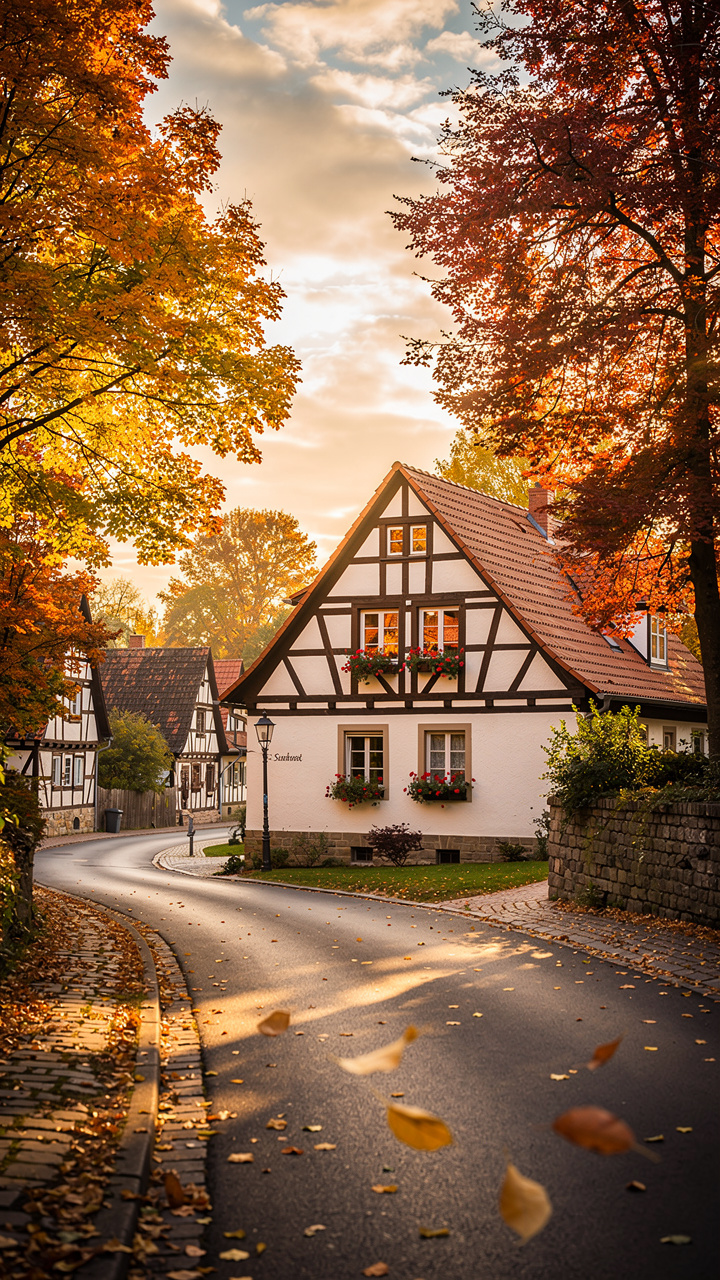
From Hanau to Bremen, this route tracks the lives of the Brothers Grimm. It is perfect for families or those who enjoy folklore and timber-framed architecture. You will pass through Hamelin, home of the Pied Piper, and many forests that inspired classic fairy tales.
It is less crowded than the Romantic Road but equally charming.
6. The Black Forest High Road (Schwarzwaldhochstraße)
This is a classic mountain drive through the heart of the Black Forest. It runs between Baden-Baden and Freudenstadt at altitudes up to 1,000 meters. The scenery changes from dense pine forests to open mountain ridges offering views of the Rhine Valley.
Stop for a slice of authentic Black Forest cake; it is vastly superior to international versions.
7. The Mosel Valley Route
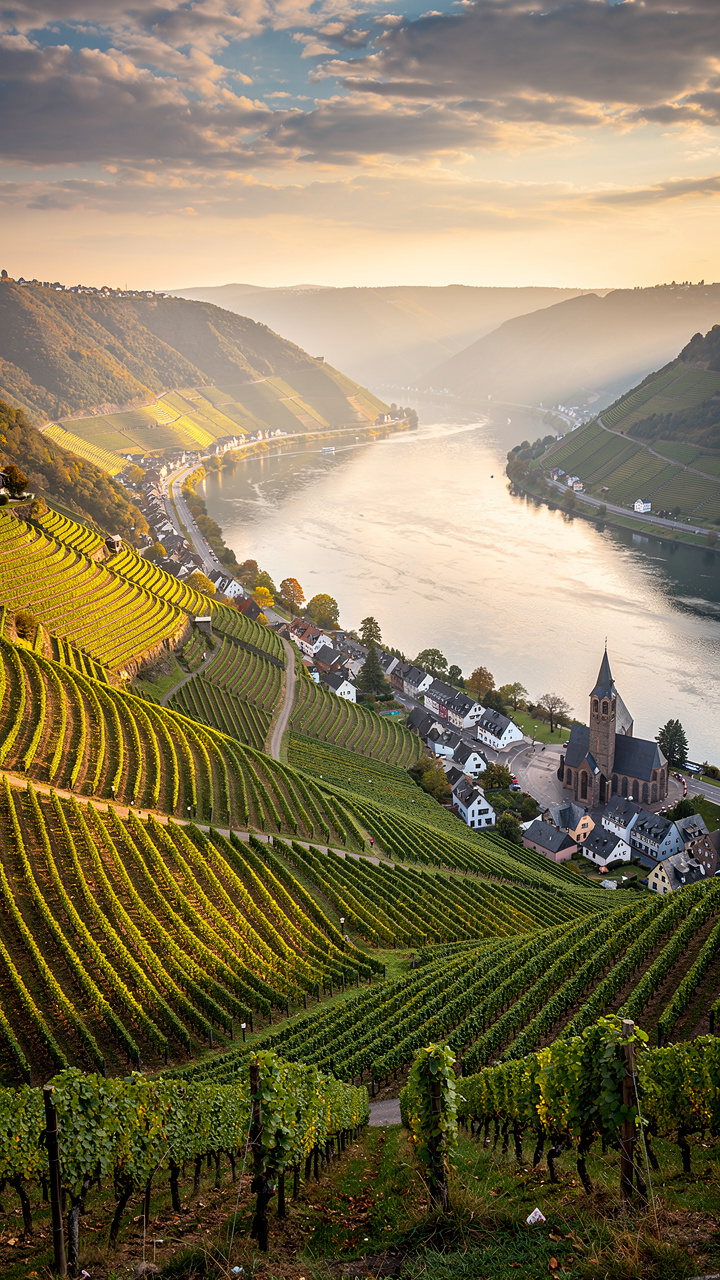
This drive follows the winding Mosel River between Trier and Koblenz. The steep slopes are covered in terraced vineyards, creating a dramatic backdrop for your journey. It is a relaxed drive with plenty of riverboat tours and castle ruins accessible by short hikes.
The traffic is light, and the pace is dictated by the river’s bends.
8. The Saxon Switzerland Route
Located near Dresden, this route showcases the unique Elbe Sandstone Mountains. It is not about distance, but about bizarre rock formations and dramatic vistas. Drive to the Bastei Bridge for the best photo op in the region.
It is a geological wonder that feels entirely different from the rest of Germany.
Practical Tips for Your German Road Trip
Planning is crucial. Do not rely solely on GPS. German country roads, known as Landstraßen, can be narrow and deceptive. Keep a physical map or an offline digital copy in case you lose mobile signal in the deeper valleys of the Black Forest.
Always carry some cash, as many smaller guesthouses and rural bakeries do not accept credit cards.
Fuel prices fluctuate, but filling up in small villages is usually more expensive than near major highways. If you are renting a car, book an automatic transmission if you aren’t comfortable with a manual, though it costs about 20% more.
Check your rental contract regarding cross-border travel; some companies charge a premium if you plan to drive into neighboring countries.
Common Mistakes to Avoid
Most travelers underestimate travel times on rural roads. You might see “100 kilometers” and assume it takes one hour. In reality, winding mountain passes and village traffic mean you should budget at least two hours.
Don’t try to fit three destinations into one day; you will end up exhausted and seeing nothing but asphalt.
Another mistake is ignoring parking signage in historic centers. Many German towns have strict pedestrian-only zones. Look for the ‘P’ signs on the outskirts and walk in.
Parking fines are enforced aggressively and can be quite expensive, often starting at 30 Euros for minor infractions.
Choosing the Right Vehicle
Should you rent a luxury car or a small hatchback? For the Black Forest or Alpine roads, a smaller, agile car is better. You will find yourself on narrow, winding roads where a massive SUV becomes a burden.
A compact car is also easier to park in the tight historic city centers you will encounter.
If you are traveling as a family, look for a station wagon (Kombi). It provides the trunk space you need for luggage without the bulk of a large crossover. Always check the trunk capacity in liters before booking, as rental sites often exaggerate how many suitcases will actually fit inside.
Frequently Asked Questions
Can I drive on the Autobahn if I am a nervous driver?
Yes, absolutely. Most of the Autobahn has speed limits, and the unrestricted sections are clearly marked. Stick to the right lane, maintain a steady speed, and use your mirrors frequently to let faster traffic pass.
If it feels too intense, just take the next exit onto a scenic route.
Is it worth buying an international driving permit?
It depends on your home country. If you have a valid EU driver’s license, you do not need one. For visitors from the USA, Canada, or Australia, it is technically not mandatory, but highly recommended by local police.
It costs about $20 and acts as a translation document if you get stopped for a routine check.
What is the best time of year for a road trip?
Late May or September are the sweet spots. The weather is pleasant, and the major tourist crowds are smaller. Avoid July and August if possible, as it gets humid and the popular routes like the Romantic Road become very congested with tour buses.
Leave a Reply