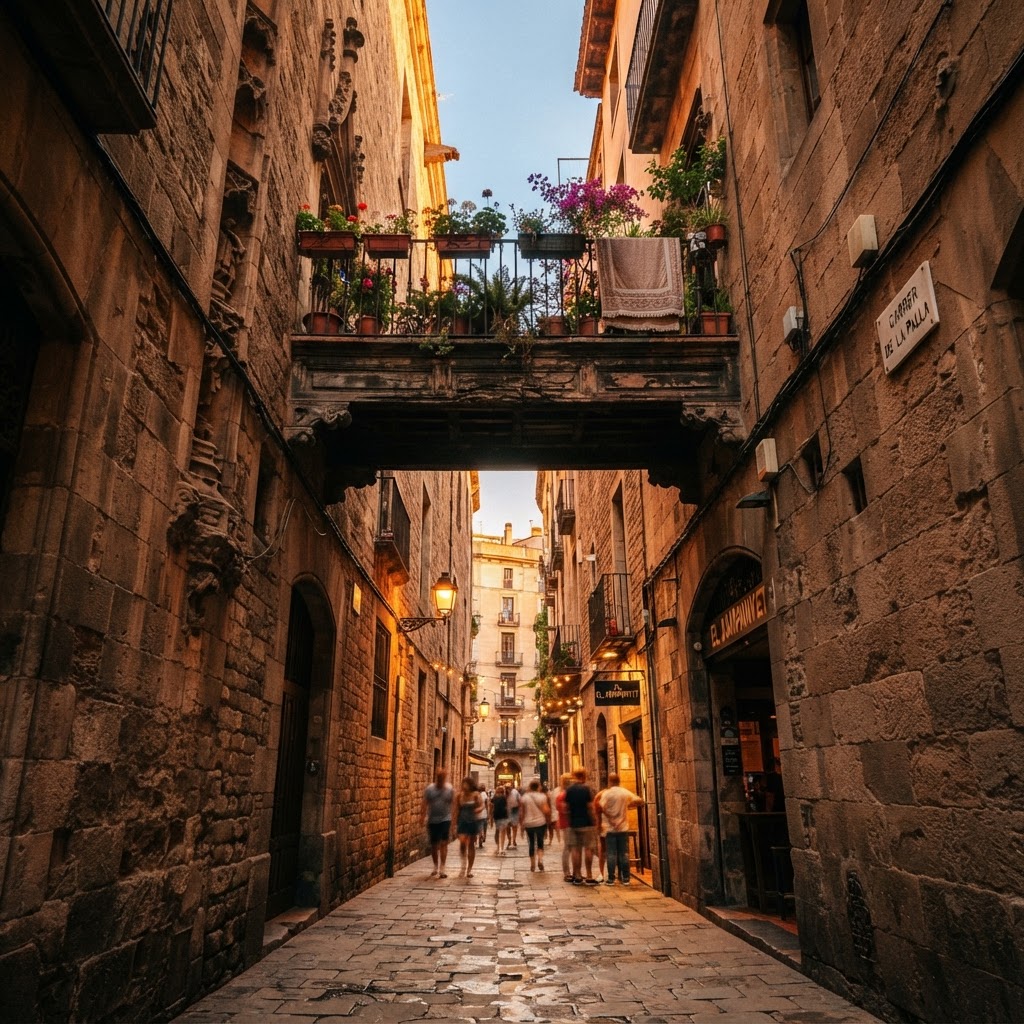
Stepping into the Gothic Quarter Barcelona feels like slipping through a portal into another century. Known locally as the Barri Gòtic, this maze of narrow, winding cobblestone streets serves as the historical heart of the Catalan capital, offering a stark contrast to the wide, modern boulevards of the Eixample. Here, the walls are thick, the stories are ancient, and the atmosphere is steeped in a captivating, haunting beauty that draws visitors from across the globe.
The Roots of History in Barri Gòtic
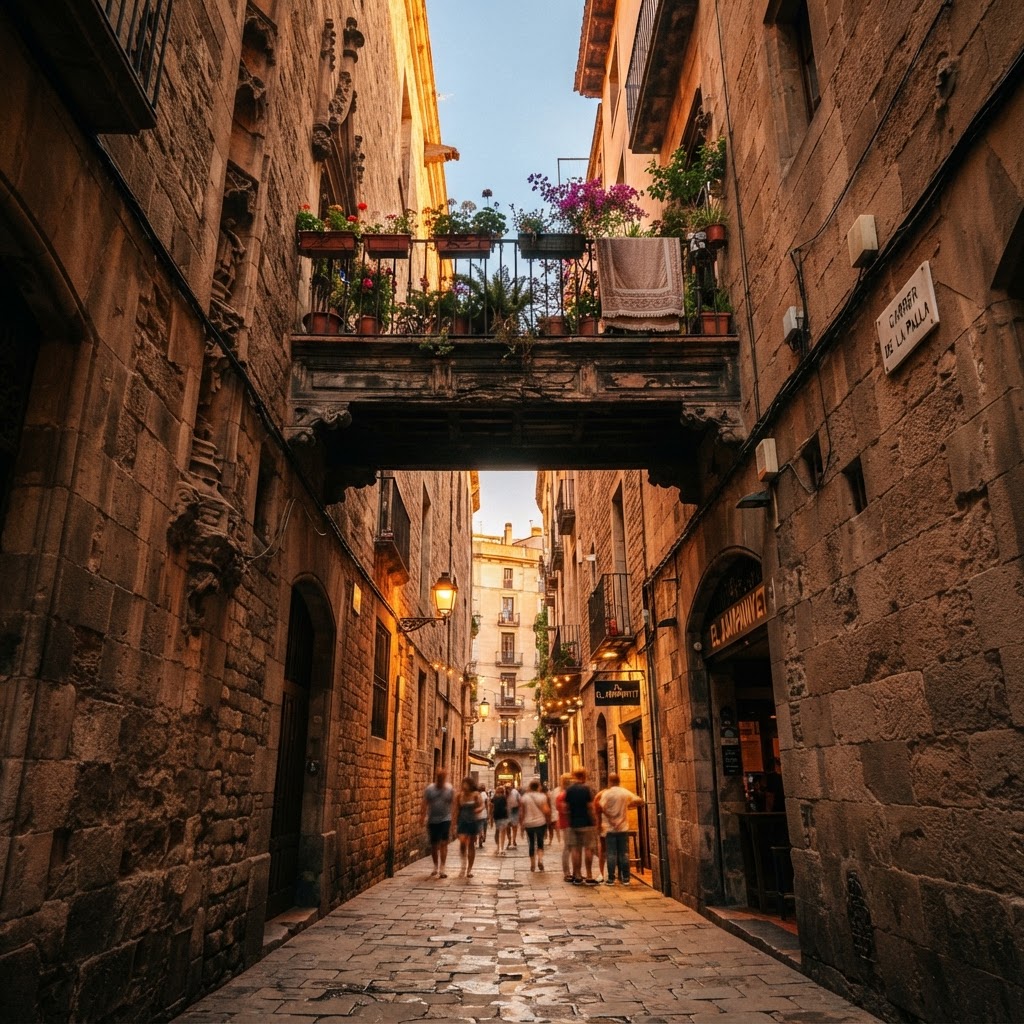
The history of the Gothic Quarter is effectively the history of Barcelona itself. Walking these streets means treading upon the remnants of the ancient Roman settlement, Barcino, which dates back to the 1st century BC. You can still see fragments of the original Roman walls embedded into the medieval structures, a testament to the layers of history that define this dense urban landscape.
During the Middle Ages, the area became the epicenter of commerce and religion for the city. It was during the 13th to 15th centuries that the district saw its most significant development, shaping the dense, labyrinthine layout that defines the Gothic Quarter today. The preservation of these medieval structures allows visitors to imagine the lives of the merchants, clergy, and artisans who once populated this bustling heart of Catalonia.
Marveling at Gothic Architecture
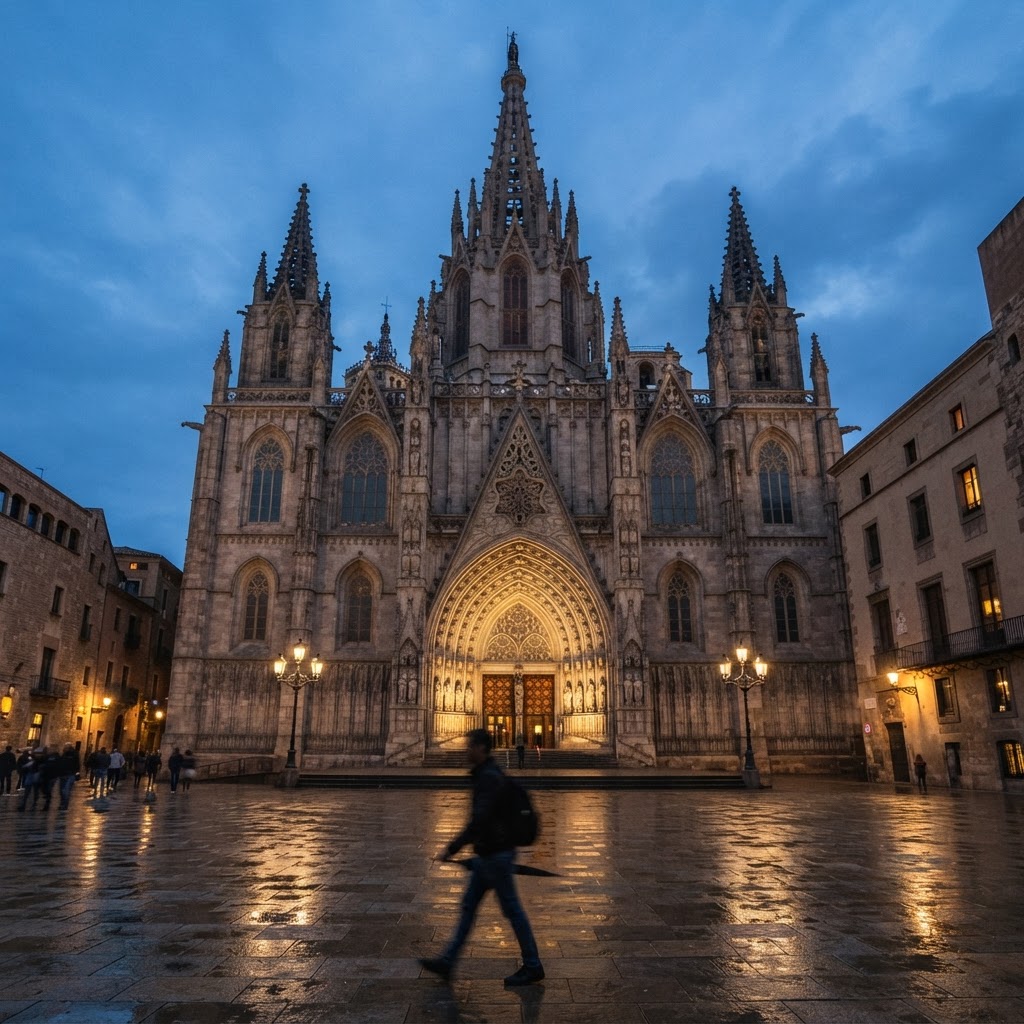
The architectural splendor of the district is arguably its most famous trait. The Gothic Quarter is home to some of the finest examples of Catalan Gothic architecture in the world, characterized by pointed arches, ribbed vaults, and ornate stained glass windows. These buildings are not merely historical monuments; they are artistic expressions of power, faith, and local identity.
The Barcelona Cathedral
Dominating the skyline of the quarter is the Cathedral of the Holy Cross and Saint Eulalia. Often referred to as the Barcelona Cathedral, this 14th-century masterpiece is a stunning example of Gothic design. Its intricate facade, towering spires, and peaceful cloister provide a sanctuary of silence amidst the busy city streets.
One of the most unique aspects of the cloister is the presence of thirteen white geese. Legend has it that the geese represent the life of Saint Eulalia, the co-patron of the city, who was martyred at the age of thirteen. They have been kept in the cathedral gardens for centuries, adding a touch of whimsy to the solemn religious atmosphere.
Wandering the Labyrinthine Alleys
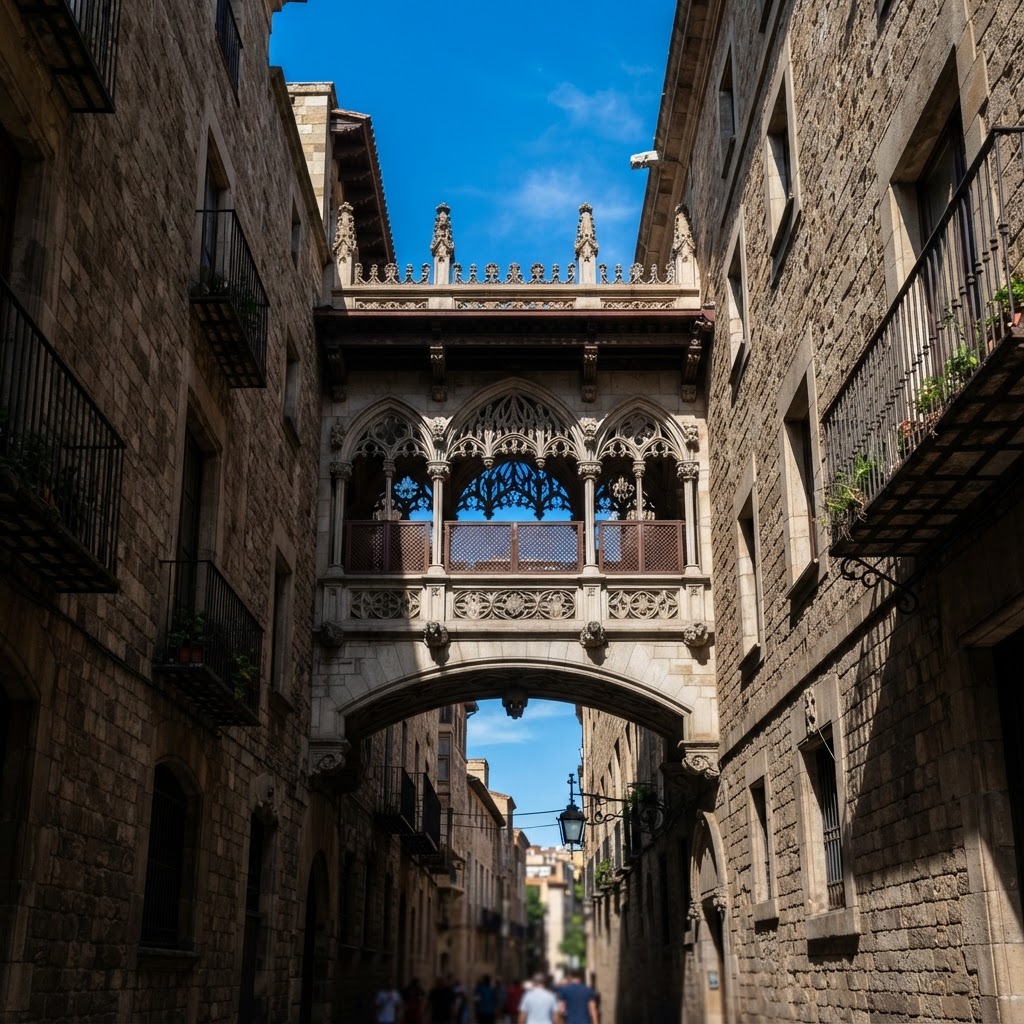
The true charm of the Gothic Quarter lies in getting lost. The district was designed for a pre-automobile age, resulting in narrow, shaded alleys that keep the Mediterranean sun at bay. Every corner offers a new surprise, from hidden squares like Plaça de Sant Felip Neri to secret artisan workshops tucked away in forgotten corners.
Plaça de Sant Felip Neri
This small, tragic square is one of the most poignant spots in the area. The walls of the local church still bear the scars of shrapnel from a bombing during the Spanish Civil War. Despite its heavy history, the square is today a place of quiet reflection, often filled with the sound of children playing, symbolizing the resilience and rebirth of the city.
Must-Visit Landmarks and Hidden Gems
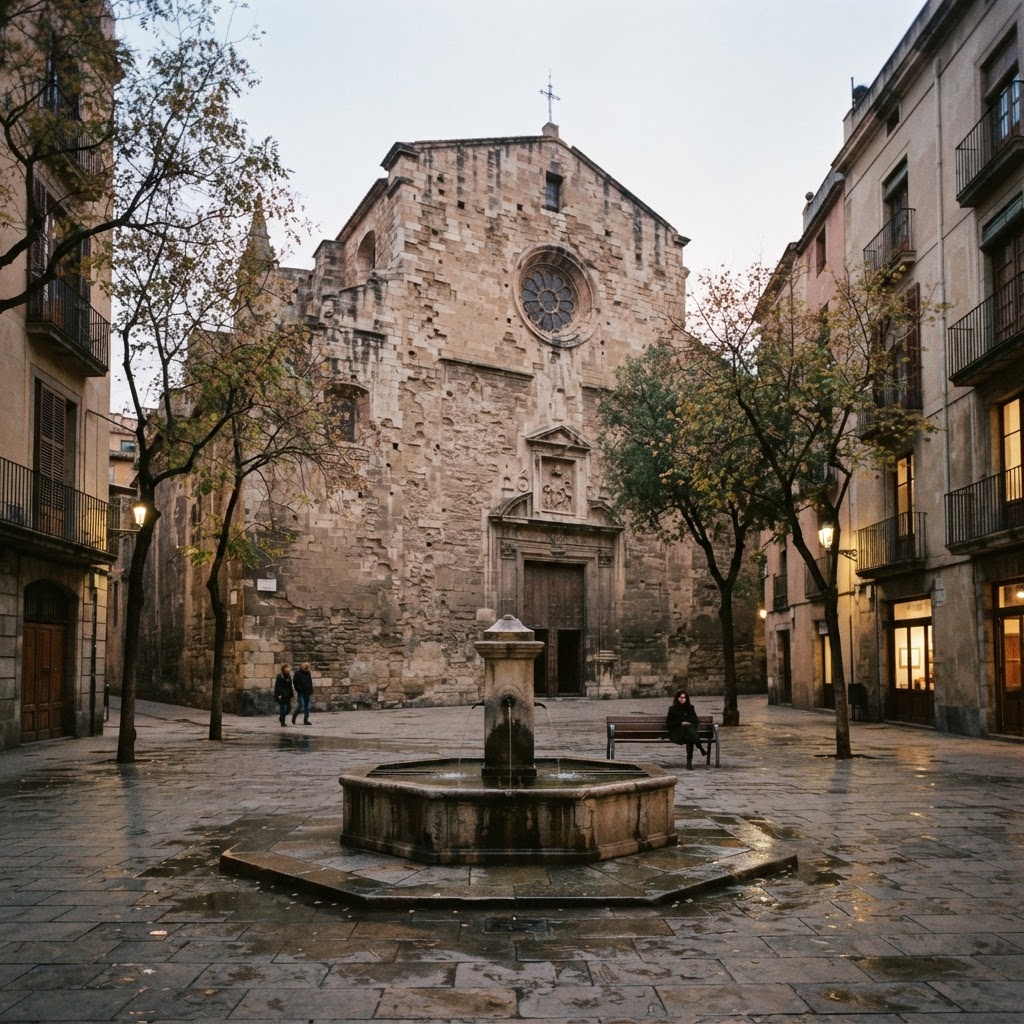
Beyond the major cathedrals, the Gothic Quarter is filled with sites that deserve a spot on your itinerary. Whether you are interested in royal history or local legends, there is something for everyone to discover. Below is a quick guide to some of the essential stops you should include in your walking tour.
| Landmark | Significance | Why Visit? |
| :— | :— | :— |
| Plaça Reial | Royal Square | Beautiful architecture and lively restaurants. |
| Pont del Bisbe | Bishop’s Bridge | The most photographed spot in the Quarter. |
| Plaça del Rei | King’s Square | Heart of the former royal palace. |
| Temple of Augustus | Roman Ruins | See the ancient pillars of Roman Barcino. |
Indulging in Local Traditions
Barcelona’s food scene is legendary, and the Gothic Quarter hosts some of the most traditional establishments in the city. When exploring the area, make sure to take a break at an old-school granja or a historic tavern to sample authentic Catalan cuisine. From croquetas to local cheeses, the flavors here are as deep and varied as the city’s history.
The Magic of Nightlife
When the sun sets, the mood of the Barri Gòtic changes completely. The ancient stone walls glow under the dim yellow streetlights, creating an almost cinematic experience. The area is home to numerous hidden bars, jazz clubs, and traditional flamenco venues that come alive as the city shifts into a nocturnal rhythm.
Cultural Significance and Modern Preservation
The Gothic Quarter is a UNESCO-recognized area that requires careful management to preserve its unique character. As mass tourism impacts the city, the local government and residents work diligently to ensure that the district remains a living, breathing neighborhood rather than an open-air museum. Supporting local artisans and small shops is one of the best ways to contribute to the preservation of the community.
Tips for Your Visit
To truly experience the old-world magic, try visiting early in the morning before the crowds arrive. This is when the streets are at their quietest, allowing you to hear the echoes of your own footsteps against the stone walls. Also, consider booking a guided walking tour to uncover the hidden symbolism on building facades that you might otherwise miss.
Remember that the Barri Gòtic is best explored on foot. Leave your map behind for a few hours and let your curiosity lead the way. You might find a quiet courtyard, a centuries-old bookstore, or a local festival taking place unexpectedly. Such moments are the true essence of what makes Barcelona so special.
Conclusion
The Gothic Quarter Barcelona is a destination that transcends simple sightseeing. It is a place where every stone tells a story and every alleyway offers a new perspective on the past. By walking these paths, you connect with the layers of history that built this magnificent city. We invite you to book your trip to Barcelona and discover the magic of the Barri Gòtic for yourself. Have you visited this historic neighborhood? Share your favorite memory in the comments below!
Leave a Reply