
Paris is a city that exists as much in the imagination as it does on a map. For photographers and architecture enthusiasts, the French capital offers a visual symphony of limestone facades, wrought-iron balconies, and muted, cloudy skies. Capturing the essence of this city requires moving beyond the standard tourist shots and looking toward a softer, more evocative aesthetic.
The Anatomy of Soft Parisian Architecture
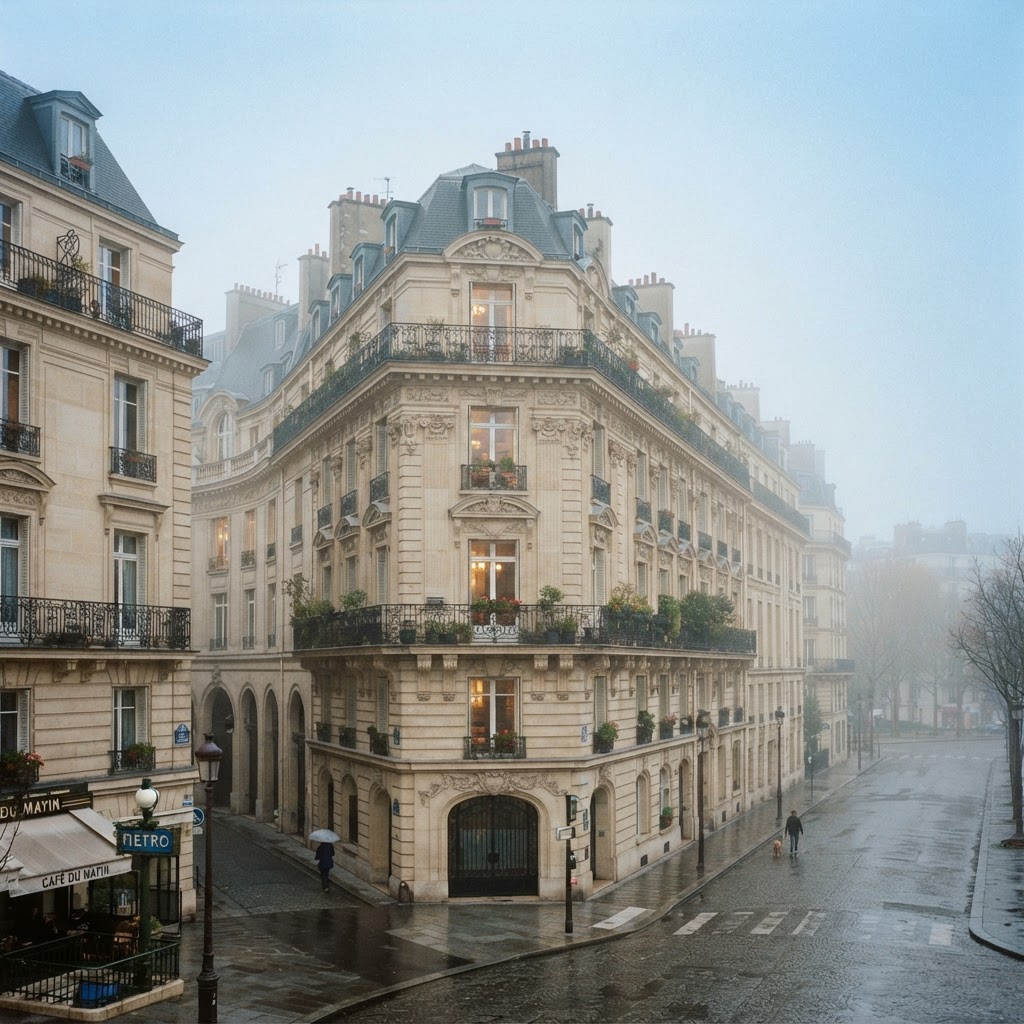
The hallmark of the Parisian skyline is the Haussmann style, characterized by its consistency and graceful proportions. These limestone structures are not just buildings; they are the canvas upon which the changing Parisian light plays. To capture this ‘soft’ look, you must focus on the interplay between the cream-colored stone and the slate-grey zinc roofs.
Texture and Light Interaction
The beauty of these buildings lies in their texture. When the sun is high and harsh, the magic disappears, but on an overcast day, the diffused light creates a gentle glow across the intricate stonework. Always aim to photograph these structures during the blue hour or shortly after dawn when the city is still quiet.
Architectural Details to Focus On
- Ornate balcony brackets
- Polished brass door knockers
- The rhythmic repetition of tall, arched windows
- Subtle chimney stacks against a hazy sky
Mastering the Street Photography Mood
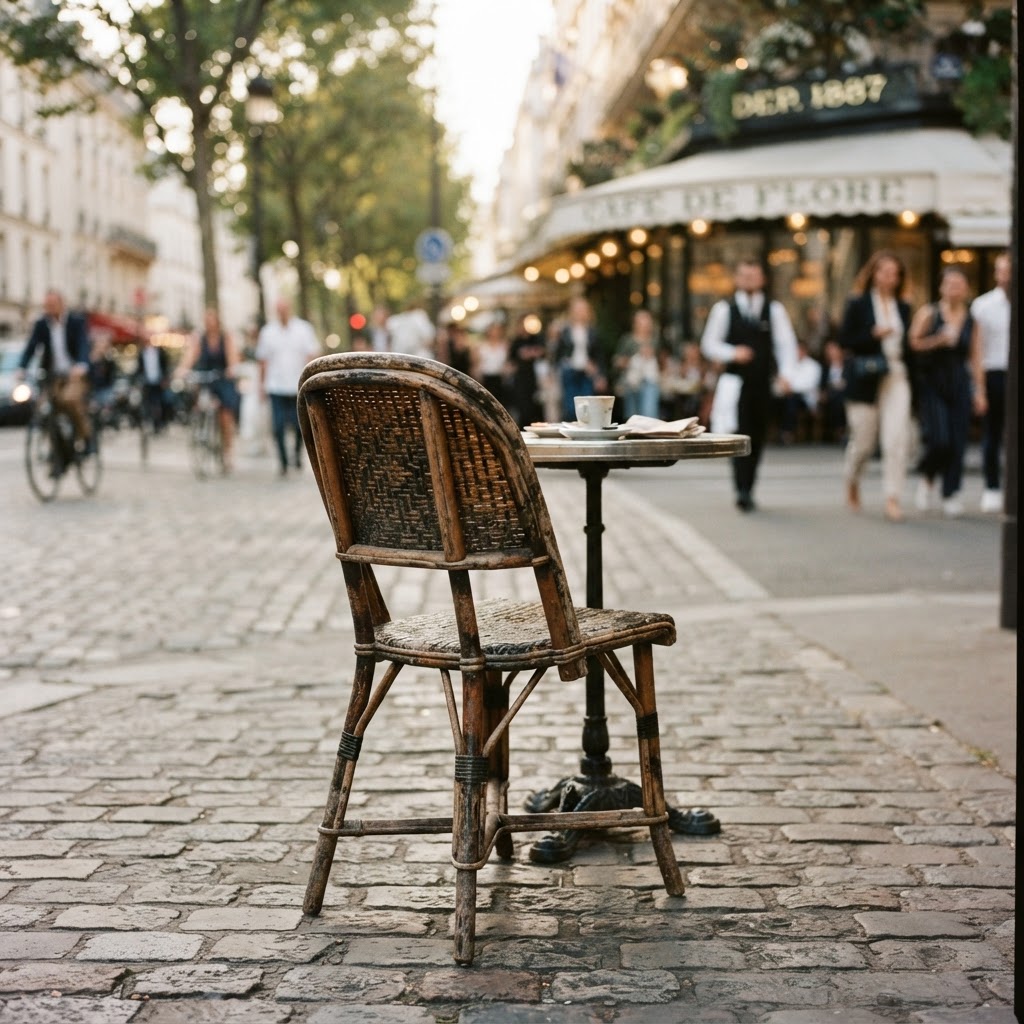
Street photography in Paris is less about the grand monuments and more about the fleeting moments of everyday life. To achieve a soft, cinematic mood, you need to slow down and observe the rhythm of the streets. Look for subjects that reflect the quiet intimacy of the city, such as a lone reader at a café or a silhouette passing through a cobblestone alleyway.
The Role of Color Grading
Achieving that dreamy, muted look is often done in post-processing. Decrease the saturation of bright blues and oranges, opting instead for a palette of desaturated pastels, soft creams, and deep, matte blacks. By pulling back the contrast and introducing a slight ‘fade’ in your tone curve, you can emulate the look of vintage film stock.
Compositional Balance
Use leading lines, such as the edge of a balcony or the curve of a street, to guide the viewer’s eye. Remember that less is often more. Sometimes the most powerful photograph is a simple frame of a closed wooden door with peeling paint and a single potted plant.
Essential Gear for the Parisian Aesthetic
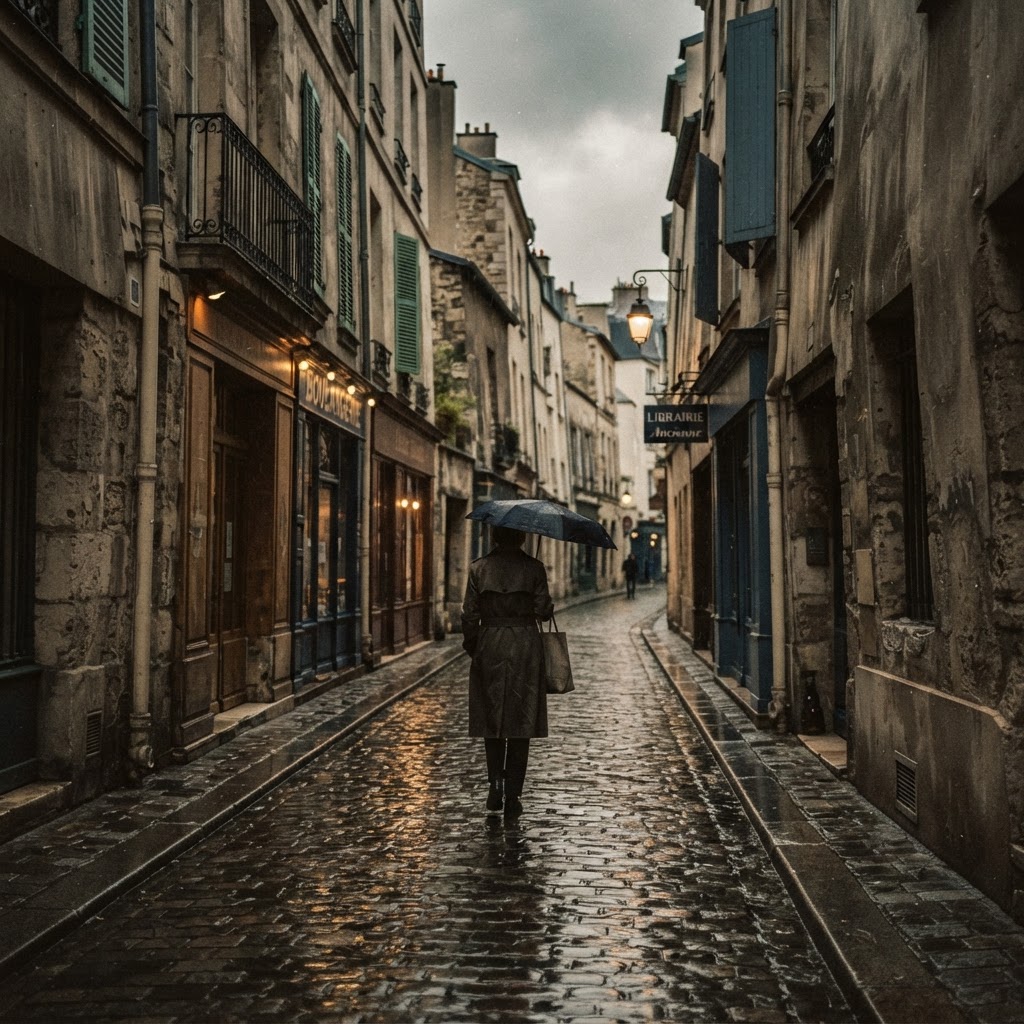
While you can take beautiful photos with a smartphone, specific gear can help you capture the soft aesthetic more reliably. A prime lens with a wide aperture, such as a 35mm f/1.4 or 50mm f/1.8, is essential for isolating architectural details and creating that creamy background bokeh.
Why Prime Lenses Matter
Prime lenses force you to move physically, which changes how you interact with the environment. By physically engaging with the space, you are more likely to find unique angles that aren’t possible with a standard zoom lens. Pair this with a high-quality circular polarizer to control reflections in glass and metal surfaces.
Creating Your Own Digital Moodboard
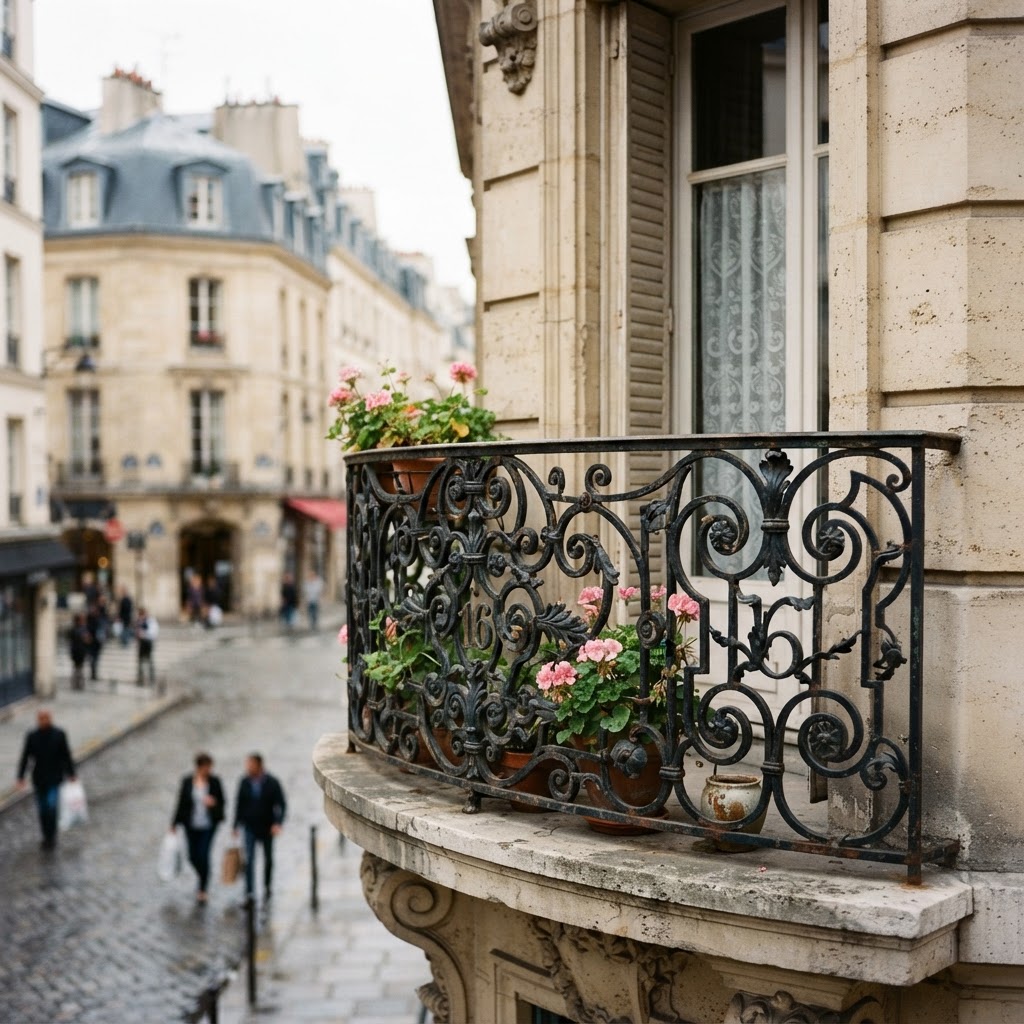
Curating a moodboard is the first step toward developing a unique artistic voice. Whether you are using Pinterest, Instagram, or a physical notebook, grouping your inspiration helps you identify patterns in the light, color, and subject matter you gravitate toward.
What to Include in a Moodboard
- Color swatches from your favorite photos
- Sketches of architectural lines
- References to films with a similar ‘mood’
- Clippings of typography or signage from Paris
By categorizing these elements, you can create a consistent visual identity for your photography portfolio or social media feed. Consistency is key when aiming for a professional, cohesive look.
Navigating the Streets During Peak Hours
Paris is a bustling metropolis, but there are pockets of stillness even in the most crowded areas. The key to capturing the ‘soft’ side of the city is to explore the side streets of the Le Marais district or the quiet corners of the 5th arrondissement. Avoid the major landmarks if you want to capture the authentic, intimate atmosphere of the city.
Timing Your Shoots
- 7:00 AM: The city is waking up; soft shadows, few people.
- 1:00 PM: Harsh light, avoid direct sun; seek out shadows in arcades.
- 6:00 PM: Golden hour transition; look for reflected light on glass.
Post-Processing Secrets for Soft Tones
Post-processing should enhance the mood, not create it from scratch. Start by adjusting your white balance to favor slightly warmer or cooler tones, depending on the desired mood. Always prioritize the highlights; soft photography relies on not letting the highlights clip into pure white.
Helpful Editing Tips
- Reduce clarity slightly to add a ‘dreamy’ haze.
- Use local adjustment brushes to brighten faces while keeping the environment dark.
- Add a very subtle grain to mimic the organic texture of film.
- Adjust the hue of your greens and yellows to keep them muted rather than neon.
Conclusion
Capturing the soul of Paris through architecture and street photography is a journey of patience and observation. By focusing on the soft light, the textures of Haussmann buildings, and the quiet, everyday moments of the streets, you can create a body of work that feels timeless and deeply personal. Start by curating your own moodboard, get out early with a prime lens, and remember that the most beautiful details are often hidden in plain sight. Are you ready to capture your own Parisian story? Grab your camera and start exploring the city’s hidden corners today!
Leave a Reply